
When shopping for an inflatable tent, the technical specifications can quickly become overwhelming. Among these, the Hydrostatic Head (HH) rating is one of the most critical indicators of how well your shelter will perform when the weather turns. Expressed in millimeters (such as 2,000mm or 5,000mm), this rating determines the fabric’s ability to resist water penetration under pressure. Understanding what these numbers mean in real-world conditions is essential for choosing a tent that keeps you dry, especially in regions prone to sudden, heavy tropical downpours.
What Hydrostatic Head (HH) Ratings Actually Measure
The Hydrostatic Head rating is a standardized measurement of a fabric’s waterproof capabilities. To determine this number, laboratory testers pull a column of water over a sample of the tent fabric. The height of the water column is increased until water begins to penetrate through three distinct points on the material. If a fabric resists water penetration until the column reaches 3,000 millimeters in height, it receives a 3,000mm HH rating. This physical test simulates the pressure of resting water against the fabric, providing a clear metric for comparison.
While standards vary, a fabric is generally classified as industrially waterproof once it passes a baseline threshold of 1,500mm. Anything below this level is typically categorized as water-resistant, suitable only for light, brief exposure. However, meeting the baseline does not guarantee a completely dry interior under all conditions, as real-world usage introduces variables that laboratory tests cannot fully replicate.
Products mentioned in this guide
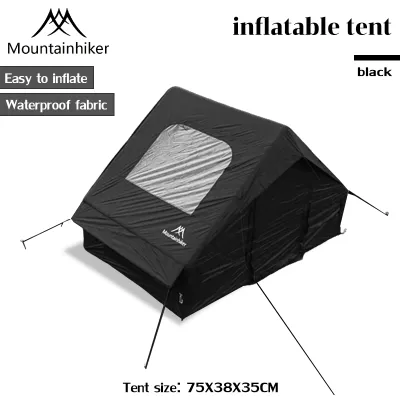
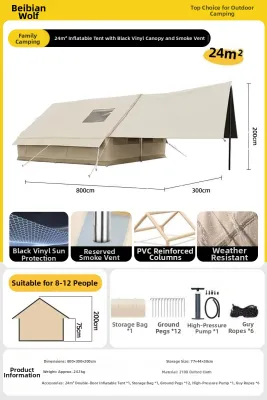
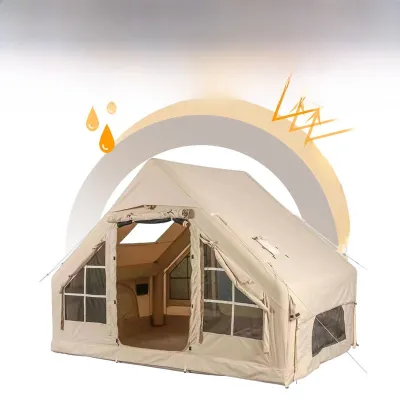
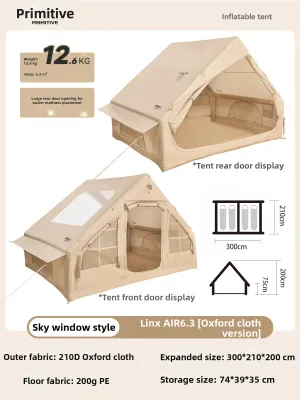
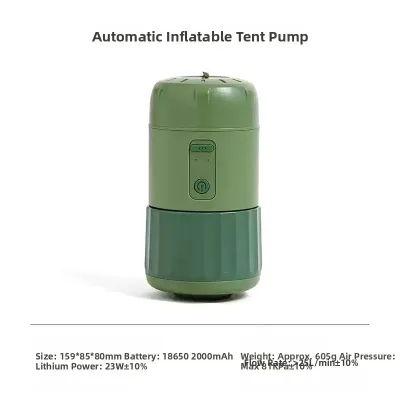
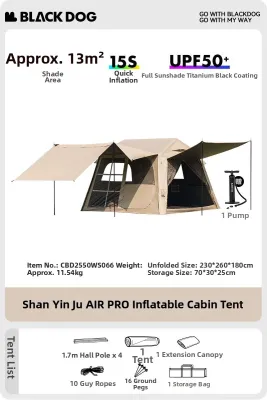
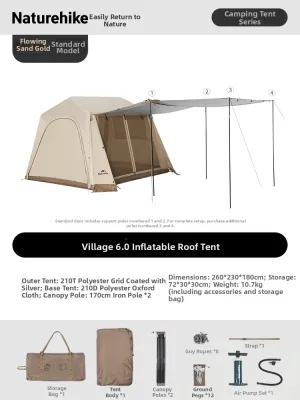

Prices are valid at publication and may change. Please refer to the product page for the latest price.
One of the most common ways a lower HH rating is compromised is through physical pressure and fabric tension. When gear leans against the inside of a tent wall, or when you touch the wet fabric during a rainstorm, you create a pressure point. This localized pressure can force water through fabrics with lower ratings, even if the rain itself is relatively light. Ensuring your tent has adequate tension and keeping gear away from the outer walls helps maintain the integrity of the waterproof barrier.
Matching HH Ratings to Real-World Weather Conditions
To select the right inflatable tent, you must align abstract millimeter ratings with the actual weather conditions you expect to encounter. For casual campers heading out during dry seasons with only a slight chance of light drizzle, a rating of 1,000mm to 1,500mm is often sufficient. These tents are lightweight and highly breathable, making them comfortable for warm, clear nights where heavy rain is highly unlikely.

If you anticipate steady, moderate rain or plan to camp across multiple seasons, look for a rating between 2,000mm and 3,000mm. This range is widely considered a reliable standard for general recreational camping. It provides a solid defense against typical rainstorms without adding excessive weight or cost to your setup, making it a versatile choice for standard weekend trips.
For challenging environments, such as tropical climates prone to sudden, intense downpours, a rating of 4,000mm to 5,000mm or higher is highly recommended. High-intensity rain drops carry significant kinetic energy, and wind-driven rain compounds this force. Strong winds push water against the fabric with much greater pressure than static water tests account for, meaning a higher HH rating is necessary to prevent moisture from being forced through the weave.
Additionally, the duration of wet weather plays a major role in how well a tent performs. A lower-rated tent might withstand a brief afternoon shower, but prolonged exposure over several days can saturate the fibers and lead to slow seepage. When evaluating manufacturer specifications, verify whether the rating is designed for short-term protection or sustained wet-weather endurance.
Critical Waterproof Features Beyond the Fabric Rating
While a high HH rating is a strong starting point, a tent’s overall weatherproofing relies on a holistic design. The fabric itself is only as dry as its weakest point, which is almost always the seams. During manufacturing, sewing needles puncture thousands of tiny holes along the fabric panels. To prevent water from wicking through these stitch holes, high-quality tents feature factory-taped or heat-sealed seams, which apply a waterproof tape over the stitching.
Zippers and entry points represent another common vulnerability. Even highly water-resistant fabric cannot prevent leaks if water seeps through the door and window zippers. Look for designs that protect these areas with wide storm flaps that shed water away from the tracks, or specialized water-resistant zippers coated with polyurethane.
The floor of your inflatable tent requires even greater protection than the walls. Because you sleep, sit, and store heavy gear on the floor, you exert constant physical pressure against the ground. If water pools beneath the tent, this pressure can easily force moisture upward. A high-denier bathtub floor—which curves several inches up the sides of the tent before meeting the wall seams—or a durable, separate groundsheet is essential to block rising ground moisture.
Inflatable tents also have unique structural elements that require careful sealing. The sleeves housing the air beams and any external pole channels must be constructed from highly water-resistant materials and sealed properly. If water penetrates the air beam sleeves, it can pool inside the structural pockets, leading to dampness and mold over time.
How to Evaluate Inflatable Tent Specs Before Buying
Before making a purchase, it is important to verify the manufacturer’s claims rather than relying solely on promotional summaries. Official HH ratings are typically located on the product’s technical specification tables, user manuals, or physical product tags. If a listing uses vague marketing terms like “highly water-resistant” or “weatherproof” without providing a concrete millimeter rating, treat it as a signal to investigate further or look elsewhere.
Always cross-reference technical specifications with verified user reviews, focusing specifically on how the tent performs during actual rainstorms. Look for feedback regarding seam leakage, water pooling near the air beams, and how well the tent manages interior condensation when sealed against the rain. Finally, check the manufacturer’s warranty terms and return policies. A robust warranty that explicitly covers manufacturing defects in waterproof coatings or premature seam tape failure provides valuable peace of mind for your investment.
Frequently Asked Questions (FAQ)
Is a higher HH rating always better for an inflatable tent?
Not necessarily, as maximizing the waterproof rating involves clear trade-offs. Fabrics with exceptionally high HH ratings are often thicker, heavier, and less breathable. In warm or humid climates, a highly waterproof but non-breathable tent can trap moisture from your breath and sweat, leading to severe interior condensation that makes the tent feel wet inside even if no rain is getting through. It is best to balance the rating with your actual climate, choosing a moderate rating with excellent ventilation for warm areas, and reserving ultra-high ratings for cold, wet, or extreme environments.
Do inflatable air beams affect the tent's overall waterproof rating?
The air beams themselves do not directly affect the fabric’s waterproof rating, as they serve as the structural support rather than the protective outer canopy. However, the design around the inflation points is critical. You should check that the inflation valves are protected by waterproof flaps or positioned in areas where water cannot easily pool. Additionally, ensure the sleeves enclosing the air beams are made from durable, water-resistant materials and that the seams connecting the sleeves to the main tent body are fully sealed to prevent water ingress.
Community discussion
Share your experience or ask a question. Comments are reviewed before publication.