
Quick Answer: Choosing the Right Kayak for Local Waters
Selecting the ideal kayak for paddling in Singapore is not a matter of finding a single, universally superior design. Instead, the right choice depends entirely on your residential storage options, your primary transportation method, and the specific waterways you plan to explore. Neither construction type holds a monopoly on performance or convenience across all scenarios.
Inflatable kayaks offer unmatched portability and storage convenience, making them highly practical for residents living in high-rise apartments such as Housing & Development Board (HDB) flats or condominiums. These models pack down into compact bags that fit easily into closets, car boots, or ride-hailing vehicles. However, they are more susceptible to wind drift and require meticulous drying to prevent mold.
Hard-shell kayaks deliver superior tracking, speed, and structural durability, making them the preferred choice for open coastal routes and long-distance paddling. They cut through chop efficiently and resist abrasion from rocky shores or concrete launch ramps. The trade-off lies in their demanding logistics, as they require dedicated ground-level storage and a vehicle equipped with a roof rack.
Products mentioned in this guide
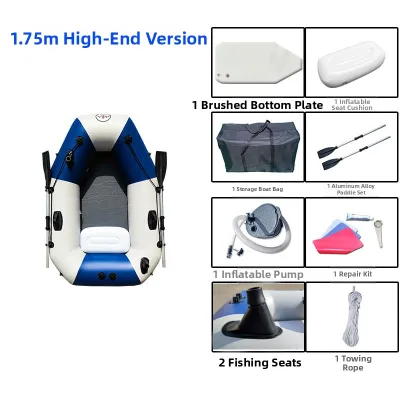
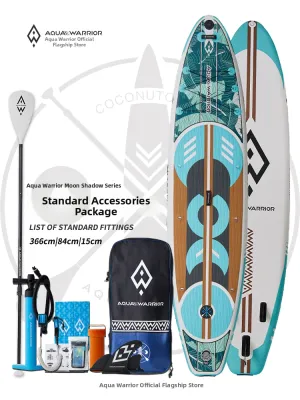
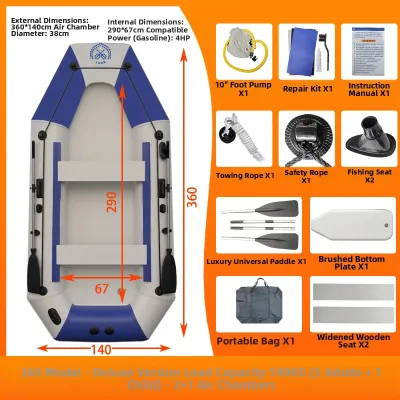
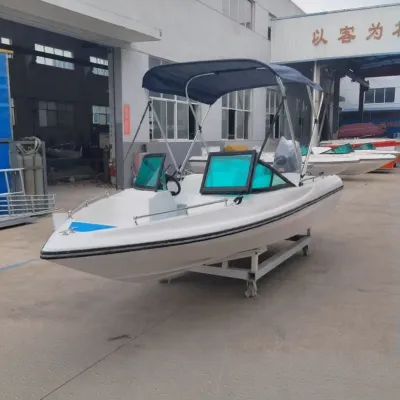
Prices are valid at publication and may change. Please refer to the product page for the latest price.
Understanding Local Waterways: Reservoirs vs. Coastal Routes
Singapore offers two primary environments for recreational paddling, each presenting distinct physical conditions that demand different hull characteristics. Understanding these environments is crucial before evaluating specific kayak constructions and brands.

Inland reservoirs, such as MacRitchie, Bedok, Pandan, and Marina Reservoir, feature calm, flat, and highly sheltered waters. These locations are ideal for relaxed, recreational paddling where extreme tracking performance is rarely necessary. Because these waters are protected from open-ocean swells and strong tidal currents, the primary environmental challenges are limited to occasional wind gusts and intense tropical sun exposure.
In contrast, coastal routes along East Coast Park, Pasir Ris, Sentosa, and the Southern Islands present a much more demanding marine environment. Paddlers in these areas must contend with tidal currents, wind-induced chop, boat wakes from commercial and recreational vessels, and sudden weather shifts. Furthermore, launching and landing along coastal shores often involves navigating rocky beaches, concrete slipways, and areas with sharp barnacles or oyster beds.
These environmental differences dictate your equipment requirements. A flat-bottomed inflatable kayak performs beautifully on a tranquil reservoir but can become difficult to control in strong coastal crosswinds. Conversely, a rigid, V-shaped hard-shell hull that slices through coastal chop with ease is highly efficient but represents significant logistical overkill if you only intend to paddle on a small, sheltered inland lake.
Inflatable Kayaks: Urban Portability and Top Brands
Inflatable kayaks have evolved significantly from basic pool toys into highly rigid, durable watercraft capable of handling diverse conditions. For many urban paddlers, the practical benefits of an inflatable far outweigh any minor performance trade-offs.
Performance and Urban Practicality
The primary appeal of an inflatable kayak in Singapore is its compatibility with high-rise urban living. Standard HDB and condominium apartments rarely have the space to accommodate a four-meter rigid kayak, and passenger lifts cannot transport them. An inflatable kayak folds down into a backpack-sized bag, allowing you to store it in a standard utility closet or on a balcony.
Transportation is similarly straightforward. You do not need a specialized vehicle or a roof rack to transport an inflatable to the water. The packed kayak fits easily into the boot of a standard sedan, a ride-hailing vehicle, or even on public transport during off-peak hours, provided you comply with local transit size limits for personal luggage.
However, inflatables have distinct performance limitations. Because they sit higher on the water and are lighter than hard-shells, they present a larger surface area to the wind, leading to significant wind drift in open areas. Their wider profiles also result in slower speeds and less efficient tracking over long distances. Additionally, while modern materials are highly puncture-resistant, paddling over shallow, sharp rocky reefs or oyster beds carries a higher risk of material damage than paddling a rigid plastic boat.
Maintenance in a tropical climate requires careful attention. Singapore’s high relative humidity creates an ideal environment for mold and mildew growth. If you pack away an inflatable kayak while it is still damp, the moisture trapped within the fabric folds or nylon covers will quickly lead to degradation and unpleasant odors. You must commit to thoroughly rinsing the kayak with fresh water after every outing and allowing it to dry completely in a shaded, well-ventilated area before long-term storage.
Notable Brands and What to Verify
Several reputable brands produce high-quality inflatable kayaks designed to withstand regular recreational use. Understanding the specific design features of these brands helps you verify their suitability for local conditions.
Sea Eagle is highly regarded for producing robust, utility-focused inflatable kayaks. Many of their models utilize thick, reinforced PVC materials and high-pressure construction techniques. When evaluating Sea Eagle models, verify whether the floor utilizes drop-stitch technology, which allows for much higher inflation pressures and creates a rigid standing platform.
Advanced Elements specializes in hybrid designs that incorporate rigid aluminum ribs into the bow and stern of an inflatable hull. This unique construction significantly improves tracking and speed, bridging the gap between inflatable portability and hard-shell performance. If you consider this brand, check the weight of the packed bag, as the integrated metal components make these models heavier to carry over long distances.
Itiwit, the water sports brand by Decathlon, offers highly accessible and widely available inflatable options ranging from entry-level recreational models to full drop-stitch touring kayaks. Their entry-level models often feature fabric covers over PVC bladders, which require longer drying times. Their high-end, full-pressure drop-stitch models dry much faster because they lack fabric covers, making them highly practical for local apartment dwellers.
When choosing any inflatable brand, prioritize the following technical specifications rather than relying on brand reputation alone:
- Drop-Stitch Construction: Look for models featuring high-pressure drop-stitch floors or full drop-stitch hulls. This technology uses thousands of fine threads connecting the top and bottom material layers, allowing the kayak to be inflated to 10 to 15 PSI, resulting in a remarkably rigid surface.
- Multiple Air Chambers: Ensure the kayak has at least three independent air chambers (typically the floor and two side walls). In the rare event of a puncture, the remaining chambers will keep the craft afloat, allowing you to return safely to shore.
- UV-Resistant Coatings: Verify that the outer material features a UV-resistant coating or is constructed from heavy-duty polyurethane (PU) or treated PVC. The intense sun exposure in equatorial regions can degrade untreated plastics rapidly.
Hard-Shell Kayaks: Coastal Performance and Top Brands
For paddlers focused on pure performance, long-distance touring, or navigating challenging coastal waters, the traditional hard-shell kayak remains the gold standard.
Performance and Logistical Requirements
Hard-shell kayaks offer unmatched hydrodynamics. Their rigid hulls can be molded into complex, efficient shapes, such as deep V-bows and rounded chines, which slice through waves and maintain a straight line with minimal paddling effort. This rigidity ensures that every paddle stroke translates directly into forward momentum, making hard-shells significantly faster and less tiring to paddle over long distances than inflatables.
This rigidity also translates to superior wind resistance and tracking. Because they sit lower in the water, hard-shells are less affected by crosswinds and strong tidal currents. Furthermore, the tough, solid construction of a rotomolded plastic hull allows you to launch from rocky shores, drag the boat across sandy beaches, and navigate shallow areas without worrying about punctures.
However, the logistical challenges of owning a hard-shell kayak in Singapore are substantial. Storing a rigid boat that is three to five meters long is practically impossible in most standard high-rise apartments. Unless you have access to a private landed property with a shaded garden or garage, you will likely need to rent a storage rack at a local paddling club or marina, which incurs ongoing monthly fees.
Transporting a hard-shell kayak requires a dedicated vehicle roof rack system approved for road safety. You must also possess the physical strength to safely lift, position, and tie down a heavy kayak—often weighing between 20 and 35 kilograms—onto your car roof. Additionally, improper outdoor storage can lead to hull warping (oil-canning) and UV degradation if the kayak is left uncovered under the hot tropical sun.
Notable Brands and What to Verify
If you decide that a rigid kayak fits your lifestyle and performance goals, several established brands offer durable models suitable for local waters.
Perception Kayaks is famous for producing highly durable, rotomolded polyethylene recreational and touring kayaks. Their designs focus on stability and ease of use, making them excellent choices for coastal exploration. When looking at Perception models, check the weight capacity and cockpit dimensions to ensure a comfortable fit for your body size.
Wilderness Systems focuses on premium touring and fishing kayaks that feature highly adjustable seating systems and advanced hull designs optimized for tracking and speed. These models are ideal for experienced paddlers looking to undertake longer coastal expeditions. Verify the complexity of the rudder or skeg systems on these models, as moving parts require regular rinsing to prevent salt crystallization.
Pelican utilizes a proprietary multi-layer material called Ram-X, which produces lightweight, highly impact-resistant thermoformed kayaks. These are often lighter than standard rotomolded polyethylene boats, making them easier to lift onto a car roof. However, verify the hull stiffness, as thermoformed hulls can sometimes flex more than heavy-duty rotomolded designs in rough chop.
When selecting a hard-shell kayak, verify these specific physical and material specifications:
- Hull Design: Choose a pontoon or tunnel hull if your priority is maximum stability (ideal for fishing or photography). Select a V-shaped or multi-chine hull if you prioritize tracking, speed, and efficiency in choppy coastal waters.
- Material and UV Protection: Ensure the hull is made from high-density polyethylene (HDPE) with integrated UV inhibitors. Untreated plastics will become brittle and crack after prolonged exposure to tropical sunlight.
- Dry Weight vs. Lifting Capacity: Always check the physical weight of the kayak. Ensure you can comfortably lift and carry the boat yourself, or plan to paddle exclusively with a partner who can assist with loading and unloading.
Key Comparison Factors for Urban Paddlers
To help you weigh the practical differences between these two kayak types, it is helpful to analyze how they perform across daily logistical and maintenance routines.
Storage and Transport
The storage footprint of an inflatable kayak is roughly equivalent to a large suitcase, allowing it to sit quietly in a wardrobe, under a bed, or in a utility room. A hard-shell kayak demands a permanent, open space of at least four meters in length. If you do not own a landed home or have a secured ground-floor storage area, you must factor in the availability and cost of commercial rack rentals at local sea sports centers.
For transport, an inflatable democratizes access to the water. Anyone with access to a taxi, a ride-hailing app, or a small hatchback can head out for a paddle. Hard-shell owners must invest in a certified roof rack system, learn proper tie-down techniques using cam straps, and accept the increased wind resistance and fuel consumption that comes with carrying a large load on top of a vehicle.
Setup and Maintenance
While inflatables win on storage, they require more preparation time at the water’s edge. You must spend 10 to 15 minutes inflating the chambers, installing the seats, and attaching the tracking fin (skeg) before you can launch. After paddling, you must rinse the boat with fresh water and dry it thoroughly. If you are short on time, you may have to pack it wet and inflate it again at home to dry, which can be highly inconvenient in a small apartment.
Hard-shell kayaks offer a simple “rinse-and-go” routine. You unload the boat from your roof rack, slide it into the water, and you are ready to paddle immediately. After your session, a quick spray with a fresh-water hose to remove salt and sand is all that is required before loading it back onto the vehicle. There are no fabric layers or internal bladders to dry, and there is zero risk of mold.
Comparison Table
| Comparison Factor | Inflatable Kayaks | Hard-Shell Kayaks |
|---|---|---|
| Setup Time | 10 to 20 minutes (inflation & assembly) | Under 5 minutes (unload and launch) |
| Storage Space Needed | Small closet or shelf (approx. 90 x 50 x 40 cm) | Dedicated rack or wall space (3 to 5 meters long) |
| Transport Method | Car boot, ride-hailing vehicle, or public transport | Vehicle roof rack or specialized trailer |
| Best Water Type | Sheltered reservoirs, calm rivers, protected bays | Open coastal waters, choppy seas, tidal channels |
| Primary Maintenance Focus | Complete drying to prevent mold; pressure checks | UV protection; rinsing moving parts (rudder/skeg) |
Final Decision Framework: Which Type Fits Your Lifestyle?
To make your final decision, evaluate how your living situation, transportation access, and paddling goals align with the following criteria.
Choose an Inflatable Kayak if:
- You reside in a high-rise HDB flat or condominium with no access to private ground-floor storage or a dedicated club rack.
- You do not own a personal vehicle, or your vehicle cannot be fitted with a roof rack, and you rely on ride-hailing services to reach launch points.
- Your primary paddling destinations are calm, sheltered inland reservoirs or gentle, slow-moving rivers.
- You are willing to spend extra time after each paddle session rinsing, drying, and carefully packing away your equipment to prevent mold.
Choose a Hard-Shell Kayak if:
- You have secure, shaded ground-level storage at home, or you are willing to pay for a monthly storage rack at a local paddling club or marina.
- You own a vehicle that can be safely fitted with a roof rack, and you possess the physical strength to lift the kayak onto the roof.
- You intend to paddle primarily in open coastal waters, explore offshore islands, or navigate areas with strong currents and wind chop.
- You prefer a straightforward, low-maintenance routine where you can simply rinse the boat down and store it immediately without drying steps.
Verify First if:
- Waterway Regulations: Check the latest guidelines from the national water agency (PUB) or the Maritime and Port Authority (MPA) regarding permitted paddling zones, vessel registration requirements, and restricted areas.
- Safety Equipment: Ensure you have a properly fitting, ISO-certified personal flotation device (PFD), a whistle, and appropriate sun protection, regardless of the kayak type you choose.
- Storage Availability: If you lean toward a hard-shell but lack home storage, contact local canoe clubs or sea sports centers to confirm rack availability and rental rates before purchasing a boat.
Frequently Asked Questions (FAQ)
Do I need a permit or license to kayak in local reservoirs?
Paddling in designated reservoirs requires strict adherence to local water safety regulations. While recreational sit-on-top kayaking in designated activity zones run by authorized operators typically does not require a personal permit, launching your own private craft is subject to strict rules. You must verify current access permissions, vessel registration requirements, and designated launch points directly with the national water agency (PUB) before heading out. Additionally, wearing an approved personal flotation device (PFD) is mandatory at all times on all inland and coastal waters.
Can inflatable kayaks survive tropical heat and humidity long-term?
Modern inflatable kayaks constructed from high-quality, UV-resistant PVC or polyurethane can withstand tropical climates, but they require proper handling. Intense sunlight causes the air inside the chambers to expand, which can over-pressurize and damage the seams if the kayak is left sitting on a hot beach. Always release a small amount of air pressure when taking the kayak out of the water for a break in the sun, avoid storing it in direct sunlight, and ensure it is completely dry before folding to prevent mold and material degradation.
Community discussion
Share your experience or ask a question. Comments are reviewed before publication.