
Quick Answer: Inflatable or Rigid?
Choosing between an inflatable and a rigid kayak in Singapore comes down to a simple trade-off: storage convenience versus on-water performance. For residents living in high-rise apartments like HDB flats or condominiums, inflatable kayaks generally offer the best practical value. They pack down into compact bags that fit easily into elevators, closets, and car boots, making them highly accessible for casual paddlers who rely on public transport or ride-hailing services.
Conversely, rigid kayaks are the ideal choice for paddlers who prioritize speed, tracking, and instant launch readiness. However, they require dedicated storage space—such as a private garage or a rented rack at a local paddling facility—and a vehicle equipped with a roof rack. Ultimately, the best value is found by matching a brand’s material specifications and local warranty support to your personal storage limits and paddling goals.
Core Differences: Inflatable vs Rigid Kayaks
The fundamental difference between these two kayak types lies in their hull construction and materials. Rigid kayaks are typically constructed from rotomolded polyethylene or high-grade composite materials like fiberglass. This solid construction creates a stiff, unyielding hull that glides efficiently through the water. In contrast, inflatable kayaks are made from heavy-duty PVC, polyurethane, or Hypalon fabrics, utilizing drop-stitch technology—where thousands of internal threads connect the top and bottom layers—to allow high-pressure inflation that mimics a solid surface.
Products mentioned in this guide
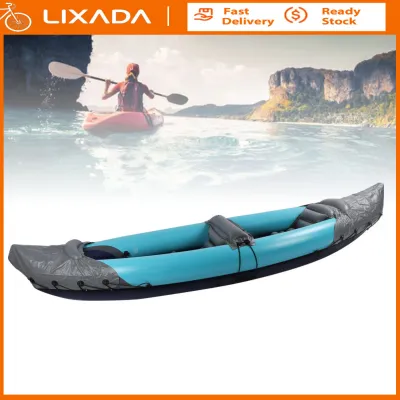
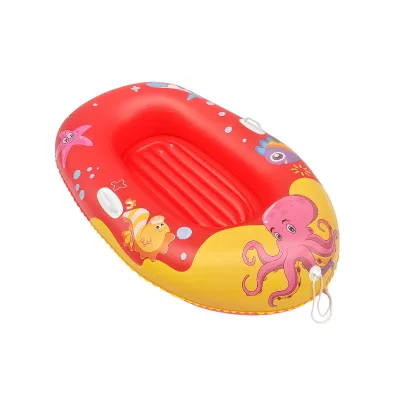
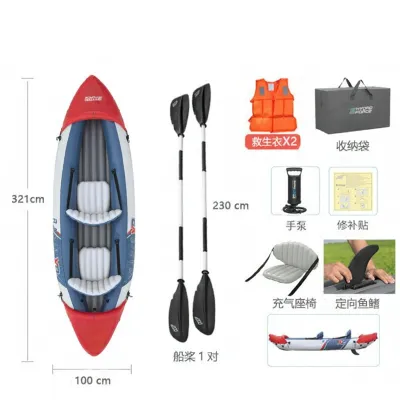
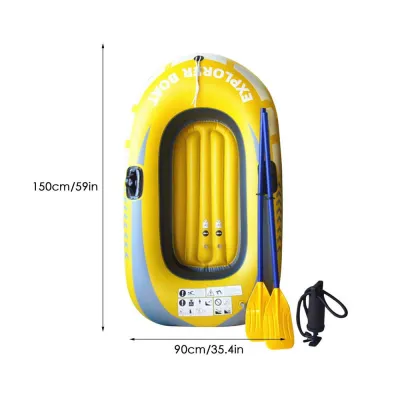
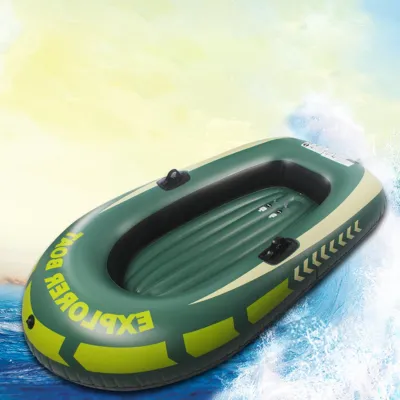
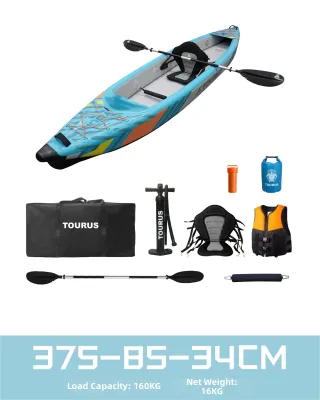
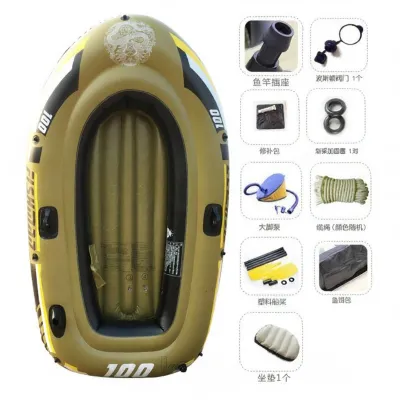
Prices are valid at publication and may change. Please refer to the product page for the latest price.

Setup and preparation times also differ significantly. A rigid kayak is ready to launch immediately upon reaching the water, requiring no assembly or preparation. An inflatable kayak requires inflation using a manual or electric pump, which typically takes 10 to 20 minutes. After paddling, an inflatable must be rinsed, deflated, and dried thoroughly before packing, adding another 20 minutes to your post-paddling routine.
Weight and land transit present distinct challenges for each type. Rigid kayaks are heavy and awkward to carry alone, often requiring a two-person carry or a specialized kayak trolley to move from a vehicle to the water. Inflatables are lighter and pack into a single bag, but a fully loaded transit bag can still weigh between 15 and 25 kilograms, making a high-quality backpack harness or wheeled bag essential for solo transport.
Lifespan and maintenance routines vary based on material durability. Rotomolded polyethylene is exceptionally rugged, resisting scratches from sandy shores and concrete ramps with minimal upkeep. Inflatables are more vulnerable to punctures from sharp rocks or barnacles, though modern multi-layer PVC is highly abrasion-resistant. While a rigid kayak can last decades with basic UV protection, an inflatable requires careful rinsing, drying, and seam inspections to prevent material degradation over time.
Evaluating Brands for Singapore's Urban and Tropical Conditions
Storage and Transport in High-Rise Living
Living in a high-rise apartment imposes strict physical limits on your outdoor gear. Before purchasing an inflatable kayak, verify the exact dimensions of the packed carry bag to ensure it fits comfortably inside your home shelter, wardrobe, or balcony. It is also wise to measure your building’s elevator cabin to ensure you can easily transport the packed bag without obstructing other residents.
For rigid kayaks, length is the primary constraint. Standard rigid models often exceed three meters, making them impossible to transport in residential lifts or store inside typical apartments. If you choose a rigid model, you must factor in the availability and cost of local kayak storage facilities near popular paddling spots like Pasir Ris or East Coast Park, or ensure your vehicle is equipped with a certified roof rack system.
When evaluating inflatable brands, pay close attention to the transit accessories included in the package. Look for brands that provide heavy-duty backpack straps with padded hip belts, or transit bags equipped with rugged wheels. These features are crucial if you plan to transport your kayak via public buses, the MRT, or ride-hailing services, where carrying a heavy bag over long distances can quickly cause fatigue.
Durability and Maintenance in Tropical Climates
Singapore’s tropical climate—characterized by intense sunlight, high humidity, and constant heat—presents unique challenges for kayak materials. When comparing inflatable brands, look for specifications detailing UV-resistant coatings and material thickness, often measured in denier. High-denier PVC offers superior resistance to the degrading effects of strong ultraviolet rays and warm tropical waters.
Heat causes air to expand, which can lead to over-inflation and ruptured seams in inflatable kayaks left in the sun. To prevent this, prioritize brands that integrate automatic pressure relief valves into their chambers. These valves safely release excess air pressure when the kayak heats up on a sunny beach, protecting the structural integrity of the hull without requiring manual monitoring.
Humidity also accelerates the growth of mold and mildew, particularly in enclosed spaces. Rigid kayaks with dry hatches must be thoroughly dried, and their hatch covers left slightly open during storage to prevent musty odors. For inflatables, mold easily takes hold in the tight crevices between the inflatable floor and the side tubes. Evaluate brands that feature removable floors and open-drain valves, which make rinsing and drying the interior much easier.
Always check the manufacturer’s official care instructions regarding tropical storage. Avoid brands that do not provide clear guidelines on maximum storage temperatures or recommended cleaning agents. Proper care, including rinsing with fresh water after every saltwater session and storing the kayak out of direct sunlight, is essential to preserve the adhesives and coatings used in both inflatable and rigid models.
Performance and On-Water Experience
On the water, the structural differences between these two kayak types translate directly into performance. Rigid hulls offer superior tracking, which is the kayak’s ability to maintain a straight course, and better glide, allowing you to cover longer distances with less effort. The sharp bow and stern of a rigid kayak cut through choppy coastal waters and handle strong winds far more effectively than the wider, more buoyant profile of an inflatable.
Standard inflatable kayaks tend to sit higher on the water, making them more susceptible to being blown off course by coastal winds, a common occurrence along Singapore’s southern and eastern coastlines. To mitigate this, look for premium inflatable brands that incorporate design features like high-pressure drop-stitch floors, removable tracking skegs (fins), or rigid aluminum frame inserts. These features improve tracking and reduce hull flex, bringing the paddling experience closer to that of a traditional rigid kayak.
Seating comfort and ergonomics are vital for long paddling sessions under the tropical sun. Verify the adjustability, padding, and back support specifications of the seats provided by different brands. Rigid kayaks often feature molded-in seats that require aftermarket padding for long-term comfort, while premium inflatables frequently include adjustable, high-back seats with inflatable cushions or rigid foam inserts that offer excellent lumbar support.
Price, Value, and What to Verify Before Buying
When assessing the financial aspect, look beyond the initial purchase price of the kayak itself. Entry-level inflatable kayaks on online marketplaces may cost under S$300, but these often lack the durability and rigidity required for coastal waters. Mid-range inflatables typically range from S$500 to S$1,200, offering durable multi-layer PVC and drop-stitch floors. Premium inflatables and high-quality rigid kayaks generally start around S$1,200 and can exceed S$2,500, depending on the materials and specialized hull designs.
Remember to calculate the total cost of ownership by factoring in essential accessories. Many inflatable packages include a pump and a basic paddle, but you may need to upgrade to a lighter fiberglass paddle or a high-pressure electric pump for convenience. For rigid kayaks, you must budget for a roof rack system, tie-down straps, a kayak trolley, and potentially monthly storage fees at a local marina or paddling club.
Before making a purchase, verify the availability of local warranty coverage and authorized service centers in Singapore. Buying from a brand with a dedicated local distributor ensures you can easily source replacement parts, such as replacement valves, tracking fins, hatch covers, or repair patches. A slightly higher upfront price for a brand with strong local support often represents better long-term value than a cheaper parallel import that cannot be repaired locally.
Value is highly subjective and depends on your lifestyle. For an apartment dweller who paddles casually on weekends in calm reservoirs, a mid-range inflatable kayak offers far greater practical value than a high-performance rigid kayak that incurs high monthly storage fees. Match your budget to your actual storage capabilities and paddling frequency rather than chasing the highest performance specifications.
Decision Framework: Which Kayak Should You Choose?
To simplify your decision, use the following guidelines to match your circumstances to the right kayak type.
Choose an Inflatable Kayak if:
- You live in an HDB flat, condominium, or private home with limited storage space.
- You do not own a car or prefer to transport your gear using public transport, taxis, or ride-hailing services.
- Your primary paddling activities involve casual recreation in calm reservoirs, sheltered bays, or slow-moving rivers.
- You want a lightweight setup that is easy for a single person to carry and launch.
Choose a Rigid Kayak if:
- You have access to dedicated storage space, such as a private garage, a spacious ground-floor patio, or a rented rack at a local paddling facility.
- Your vehicle is equipped with a compatible roof rack system, and you are comfortable lifting and securing the kayak.
- You prioritize on-water performance, speed, tracking, and the ability to handle choppy coastal winds and open water.
- You want a highly durable, low-maintenance kayak that is ready to launch instantly without any setup time.
Verify First Before Buying:
- Check the manufacturer's specified weight capacity to ensure it accommodates your weight plus any gear you plan to carry.
- Review the water condition ratings (e.g., calm water, coastal, or whitewater) to ensure the kayak is certified for your intended paddling locations.
- Confirm the rules and fees of local storage facilities if you plan to store a rigid kayak outside your home.
- Inspect the warranty terms to ensure coverage applies to tropical use and is supported by a local dealer.
Frequently Asked Questions (FAQ)
Are inflatable kayaks safe for coastal paddling in Singapore?
Yes, high-quality inflatable kayaks are safe for coastal paddling, provided they feature multi-chamber construction and high-pressure drop-stitch floors. Multi-chamber designs ensure that if one chamber is punctured, the remaining chambers keep the kayak afloat. However, safety ultimately depends on your paddling skills, weather conditions, and safety gear. Always check the manufacturer’s wind and wave ratings, monitor local weather forecasts, and wear a properly fitted personal flotation device (PFD) at all times.
How do I prevent mold on my kayak in a humid climate?
To prevent mold and mildew in Singapore’s humid climate, always rinse your kayak thoroughly with fresh water after every use, especially after paddling in saltwater. Allow the kayak to dry completely in a shaded, well-ventilated area before folding or storing it; never pack a wet inflatable into its carry bag. For rigid kayaks, leave hatch covers slightly open during storage to promote airflow. Check your brand’s manual for recommended cleaning agents, and avoid harsh chemicals that could damage UV-resistant coatings or seam adhesives.
Community discussion
Share your experience or ask a question. Comments are reviewed before publication.