
When taking up inline skating, deciding which protective pads for inline roller skates you actually need is your most important safety decision. While some skaters view full gear as bulky, the physical reality of concrete surfaces makes proper protection essential. Your specific gear requirements depend directly on your skating style, velocity, and environment.
To help you quickly identify your gear needs, use this basic profile matching guide:
- Beginners (All Ages): Full set required. This includes a certified helmet, wrist guards, knee pads, and elbow pads. Falling is a natural part of the learning curve.
- Recreational & Fitness Skaters: Helmet, wrist guards, and knee pads are essential. Elbow pads are highly recommended as you increase your speed.
- Urban & Freeskaters: Helmet, wrist guards, and heavy-duty hard-shell knee pads. The unpredictable obstacles of street skating demand robust impact protection.
- Aggressive & Skatepark Skaters: Full heavy-duty set. Reinforced hard-shell knee pads, elbow pads, wrist guards, and a specialized skate helmet are mandatory for ramps and rails.
Regardless of your experience, a helmet and wrist guards serve as your non-negotiable baseline. Head injuries carry the highest long-term risk, while wrist fractures are statistically the most common injury among inline skaters who attempt to break their falls instinctively.
Products mentioned in this guide
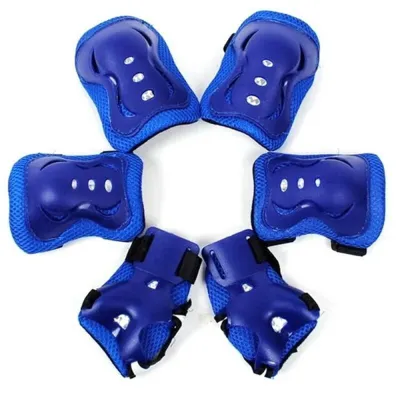

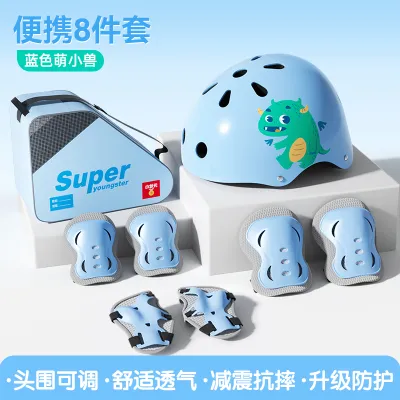
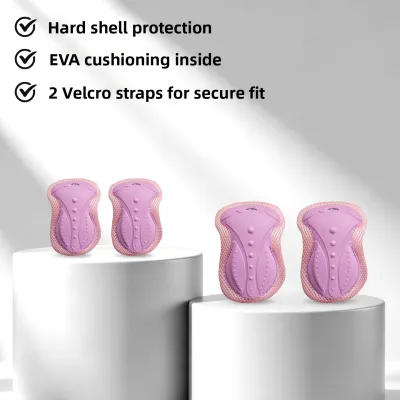
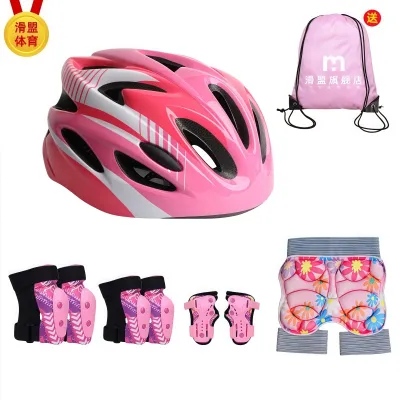
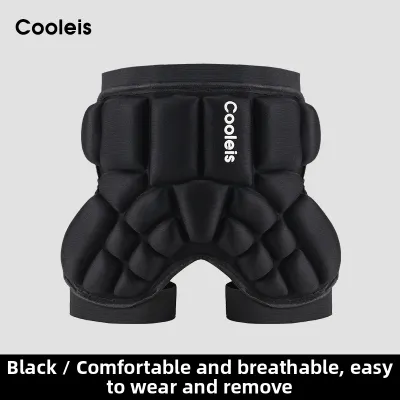
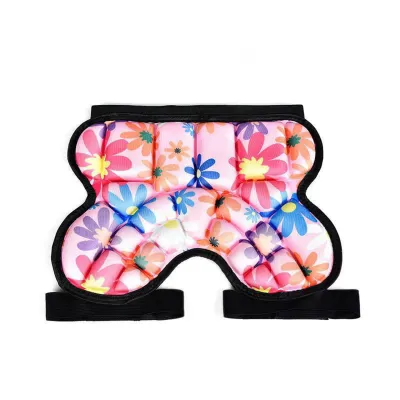
Prices are valid at publication and may change. Please refer to the product page for the latest price.
Assess Your Skating Style and Risk Exposure
To make an informed purchase, you must evaluate the specific environments where you plan to skate. Recreational skating on dedicated, flat paths presents different hazards than navigating busy urban streets. For example, skating along Singapore’s Park Connector Network (PCN), such as the routes around East Coast Park or Bishan-Ang Mo Kio Park, offers relatively smooth asphalt, but you must still contend with sudden pedestrian movements, stray pets, cyclists, and occasional debris like twigs, sand, or wet leaves.
Urban freeskating and aggressive skating introduce much higher impact forces. If you are navigating curbs, stairs, or concrete skatepark bowls, you are dealing with vertical drops and hard angles. Higher speeds directly translate to longer sliding distances during a fall, which rapidly wears through thin fabrics and skin alike. In a tropical, high-humidity climate, sweat can also cause pads to slip out of place if they are not fitted correctly, making secure fastening systems even more critical.
Your choice of gear must match the highest risk activity you intend to try, rather than just your current comfort zone. If you plan to learn crossovers, transitions, or basic jumps next month, purchase the protective gear rated for those activities today. Relying on basic recreational pads for high-speed fitness training or urban jumps leaves you vulnerable to joint injuries when the limits of the gear are exceeded. Basic pad sets typically range from S$30 to S$60, while premium, high-impact sets designed for aggressive skating can cost upwards of S$100 to S$150.
Choosing Protective Pads for Inline Roller Skates: When and What to Wear
Understanding the engineering behind each type of pad helps you select gear that fits your body and your skating environment. Each piece of equipment serves a distinct biomechanical purpose during a fall.

Helmets: Non-Negotiable Head Protection
A helmet is the single most critical piece of safety equipment you will wear. Brain injuries can occur even from a low-speed fall if you lose your balance backward and strike the pavement.
When shopping, it is vital to understand the difference between standard bicycle helmets and dedicated skate helmets. Bicycle helmets are typically designed with EPS (expanded polystyrene) foam that crushes upon a single high-force impact to protect the skull; they must be replaced immediately after any significant crash. Skate helmets often feature multi-impact construction with thicker ABS plastic shells and specialized dual-certified liners designed to withstand multiple minor bumps, which are common when practicing tricks.
For skaters in tropical climates, ventilation is a key comfort factor. Look for helmets that feature deep internal air channels and multiple vents to manage heat. Always verify that the helmet carries recognized safety certifications, such as CPSC (Consumer Product Safety Commission) or EN 1078, and check the fit: the helmet should sit level on your head, roughly two fingers above your eyebrows, without rocking when you shake your head.
Wrist Guards: The First Line of Defense Against Falls
When you lose your balance, your natural human reflex is to extend your hands to break the fall. This instinct makes wrist injuries the most frequent medical issue for unpadded skaters.
High-quality wrist guards feature rigid plastic splints on the palm side, and often on the back of the hand, to prevent the wrist joint from hyperextending backward. Additionally, the plastic palm slider is designed to slide along the asphalt when you land. This sliding action is crucial because it disperses the kinetic energy of your forward momentum, preventing the force of the impact from traveling up your arm and causing a fractured elbow or collarbone.
To verify a proper fit, decide between wrap-around designs and slide-on glove designs. Wrap-around designs with three adjustable straps are often easier to put on and take off over sweaty hands in humid weather. The wrist guard must feel snug and secure without pinching your skin or cutting off circulation. You should be able to wiggle your fingers freely and make a loose fist, but the wrist joint itself must be held rigid and resistant to backward bending.
Knee Pads: Cushioning for High-Impact Drops
Your knees are highly susceptible to painful scrapes and deep joint bruising during forward falls. Choosing the right knee pad depends on how you expect to land.
Soft-shell knee pads, often designed as pull-on sleeves with integrated foam padding, offer excellent breathability and low-profile styling. These are highly suitable for fitness skaters who want basic abrasion protection under their clothing. However, if you are practicing urban jumps or skatepark tricks, you require hard-shell knee pads. Hard plastic caps allow you to drop directly onto your knees and slide out of a fall safely, protecting the patella from direct impact.
When fitting knee pads, look for models that combine a neoprene sleeve with adjustable elastic straps. This dual-attachment system prevents the pad from slipping down your leg during a slide. Ensure the backing fabric uses high-durability materials, such as 1680D ballistic nylon, to prevent tearing at the seams where the plastic cap is riveted. Bend your knee to a 90-degree angle to ensure the plastic cap remains centered over your joint and does not pinch the back of your leg.
Elbow Pads: Situational Protection for Advanced Skaters
Elbow pads are often considered optional by casual skaters, but they become necessary safety gear under specific riding conditions.
You should wear elbow pads if you are learning to skate backward, practicing transitions, or tackling steep downhill slopes. In these scenarios, falling backward or sideways is much more common, and your elbows can easily strike the ground before your wrist guards can make contact. Aggressive skaters also rely heavily on elbow pads to protect against painful impacts on metal rails and concrete coping, which can otherwise cause bursitis or joint bruising.
When selecting elbow pads, prioritize joint mobility. The pad should feature a pre-shaped ergonomic curve that matches the natural bend of your arm. Look for secure, non-slip silicone strips inside the sleeve to keep the pad from sliding down your forearm during active movement, and ensure the straps do not bind in the crease of your elbow.
Inspect Your Current Gear: When to Replace Pads
Protective gear does not last indefinitely. To ensure your safety, you must regularly inspect your pads for signs of wear and material fatigue that compromise their protective capabilities.
Perform a physical inspection of your gear every few months, looking closely for the following warning signs:
- Cracked or Deeply Gouged Shells: Minor scratches are normal, but deep gouges or structural cracks in the plastic caps mean the pad can no longer distribute impact forces safely.
- Compressed Internal Foam: Press down on the EVA foam padding. If it feels hard, thin, or fails to rebound to its original shape, the shock-absorbing properties have degraded.
- Frayed Straps and Stretched Elastic: If the velcro straps are fraying or the elastic sleeves have lost their tension, the pads will shift out of place during a fall, leaving your joints exposed.
- Degraded Helmet Liners: Inspect your helmet's inner EPS foam for hairline cracks or compression. Remember that sweat, hair oils, and high humidity accelerate the breakdown of helmet adhesives and foam over time.
Using compromised protective gear can lead to severe injuries, as degraded foam cannot absorb shock and loose pads will slide off your joints during an impact. If you identify any structural damage or if your helmet has sustained a single hard impact, stop using the item immediately and purchase a replacement.
Frequently Asked Questions (FAQ)
Can I use knee pads designed for other sports for inline skating?
You should generally avoid using pads designed for court sports, such as volleyball, for outdoor inline skating. Volleyball pads are made of soft fabric designed to cushion impacts on smooth wooden floors; they offer no slide capabilities and will instantly shred when dragged across rough asphalt or concrete. Skate-specific knee pads feature hard plastic caps designed to slide on hard ground, which is essential for safely dispersing your forward momentum during an outdoor fall.
Do I need protective pads if I only skate on smooth park paths?
Yes, protective gear is still necessary on smooth park paths. Even on well-maintained asphalt, unexpected hazards such as loose gravel, wet leaves, twigs, or sudden encounters with pets and pedestrians can cause a sudden loss of balance. Falling onto flat, smooth concrete at a typical fitness speed of 15 to 20 km/h can still cause severe road rash, joint fractures, or head trauma. At a bare minimum, you should always wear a certified helmet and wrist guards.
How tight should inline skating wrist guards be?
Your wrist guards should fit snugly against your skin without restricting your blood circulation or causing discomfort. To test the fit, secure the straps and check if you can slide one finger under the fabric at the wrist joint. If your fingers begin to feel cold, numb, or tingle, the straps are too tight and must be loosened. The rigid plastic splint must align directly with the heel of your palm to absorb the impact correctly when you fall forward.
Community discussion
Share your experience or ask a question. Comments are reviewed before publication.