
Keeping a protein shake cold during a long workout or a humid commute depends entirely on the bottle’s construction rather than the brand name alone. Double-wall vacuum-insulated stainless steel shaker bottles consistently outperform single-wall plastic or foam-lined alternatives by creating a physical barrier that prevents heat transfer. While various fitness brands advertise impressive thermal performance, the actual duration your shake stays cold relies on the quality of the vacuum seal, the lid design, and how you prepare the drink. To find the best option for your routine, you need to look past marketing claims and evaluate the specific engineering features of each bottle.
What Keeps Protein Shakes Cold in a Gym Shaker Bottle?
To understand why some shaker bottles keep drinks cold longer than others, it helps to look at the physics of thermal transfer. Heat moves from warmer areas to cooler areas through conduction, convection, and radiation. A standard plastic shaker bottle offers almost no resistance to this process, allowing ambient air temperature to quickly warm your chilled shake.
Double-wall vacuum insulation is the most effective defense against heat transfer. This design features an inner and an outer stainless steel vessel welded together, with the air evacuated from the space between them. Because a vacuum contains no air molecules, conduction and convection cannot occur across this gap. This leaves thermal radiation as the only method of heat transfer, which some manufacturers minimize further by lining the vacuum-facing steel wall with a thin layer of copper to reflect heat away.
Products mentioned in this guide
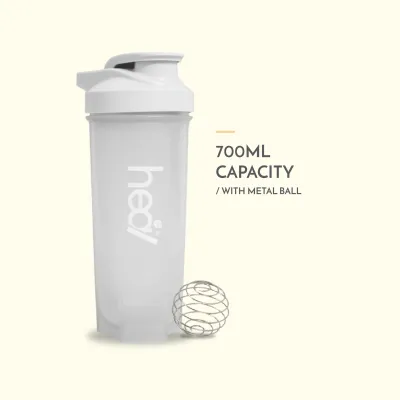
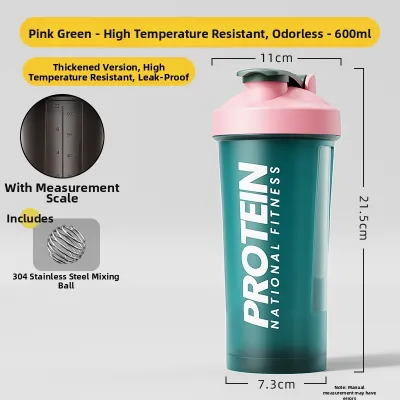
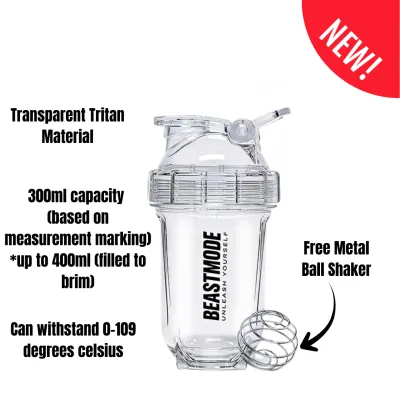
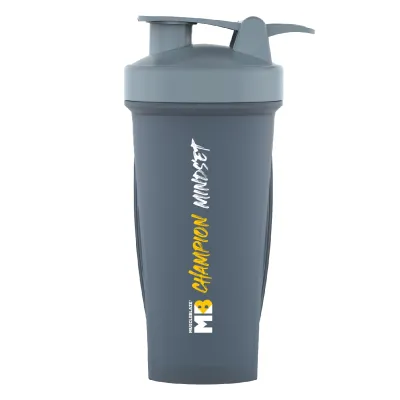
![[SG READY STOCK] BPA FREE Shaker Bottle / Protein Shake Water Bottle / Gym Bottle 500ml / 700ml](https://img.lazcdn.com/g/p/602f34daf0a7f41fe72d6f0a8e2038cf.jpg_400x400q80.jpg_.webp)
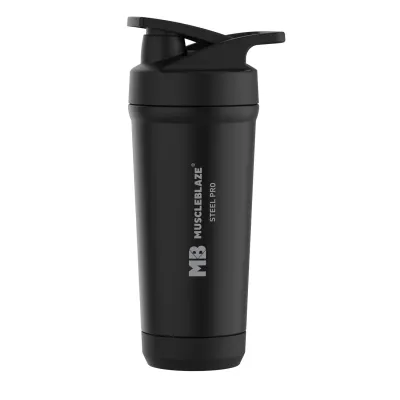
![[Shopwithme99] 3 in 1 Shaker BPA Free Steel Mixing Ball Gym Protein Shaker Bottle With Pills and Powder Container](https://img.lazcdn.com/g/p/ddd41d5e1f5a6e5e91d2dfe4dedcafc7.png_400x400q80.png_.webp)
Prices are valid at publication and may change. Please refer to the product page for the latest price.
The lid of the shaker bottle is another critical factor in temperature retention. While the body of the bottle is insulated steel, the lid is almost always made of plastic to accommodate drinking spouts, carrying loops, and mixing mechanisms. Because plastic is a poor insulator compared to a vacuum, the lid acts as a thermal bridge where heat can slowly enter the bottle. A well-designed lid minimizes this heat exchange by using thick, dense plastics and incorporating high-quality silicone gaskets that seal the opening tightly.
Material thickness also plays a dual role in both insulation durability and overall bottle weight. Thicker stainless steel, such as 18/8 food-grade steel, resists denting when dropped on hard gym floors. This durability is crucial because a deep dent can cause the inner and outer walls to touch, destroying the vacuum gap and rendering the insulation useless. However, thicker steel also makes the bottle heavier to carry in your gym bag, creating a trade-off between ruggedness and portability.
How to Evaluate Shaker Bottle Brands for Insulation Performance
When shopping for a gym shaker bottle, you will encounter various brand claims regarding cold retention, often promising to keep drinks cold for 12, 24, or even 36 hours. It is important to understand that these claims are typically based on laboratory tests where the bottle is filled completely with ice water and kept in a temperature-controlled room without being opened. In real-world conditions, where you open the bottle frequently and mix powders with room-temperature liquids, the actual cold retention time will be shorter.

To evaluate a brand’s true performance, look closely at the lid design and the mixing mechanism. Some shaker bottles feature a free-floating wire whisk ball, while others use a built-in mixing grid or a removable plastic screen. Lids with integrated mixing grids often have more complex shapes with thinner plastic sections, which can allow heat to transfer more quickly. Conversely, bottles that use a simple wire whisk ball can utilize a thicker, more solid lid design that provides better thermal resistance.
The sealing mechanism of the spout is another area to inspect. A flip-cap design is convenient for quick sips between sets, but it must snap shut with a highly secure, airtight seal to prevent warm air from entering. A screw-on cap for the drinking spout often provides a more reliable seal and better insulation than a simple snap-on cap, though it requires slightly more effort to open. Look for brands that use thick silicone seals around both the main lid threads and the drinking spout.
You should also consider the ease of mixing thick protein powders in relation to the bottle’s shape. Insulated bottles with a narrow neck or a tapered body can be easier to grip, but they may restrict the movement of the mixing ball, leading to clumping. A wider mouth allows for easier pouring of large protein scoops and more vigorous mixing, but the larger lid surface area means slightly faster heat transfer. Balancing these design elements is key to finding a bottle that performs well both as a mixer and as an insulator.
Choosing the Right Insulated Shaker for Your Gym Routine
Selecting the ideal insulated shaker bottle requires matching its specifications to your specific workout habits and environment. If your typical routine consists of a quick, 45-minute session in an air-conditioned commercial gym, a standard insulated bottle will easily keep your pre-workout or protein shake cold. In this scenario, you can prioritize features like a lightweight design or a quick-open lid over maximum thermal performance.
For those who engage in extended training blocks, outdoor sports, or long commutes before hitting the gym, insulation performance becomes much more critical. In warm and humid climates, such as outdoor fitness corners or non-air-conditioned training facilities in Singapore, ambient temperatures can rapidly warm a drink. Under these conditions, a heavy-duty double-wall vacuum bottle with a copper-lined inner wall is highly beneficial to ensure your shake remains refreshing after several hours.
Your carrying method should also influence your choice. If you carry your shaker inside a crowded gym bag, a leak-proof lockable lid is essential to prevent accidental spills on your gear. A bottle with a durable powder-coated exterior provides a non-slip grip when your hands are sweaty and helps prevent scratches. If you prefer to carry your bottle by hand, look for integrated, rubberized carrying loops that make transport comfortable without adding unnecessary bulk.
To help guide your decision, consider this conditional framework based on your primary training needs:
- For maximum cold retention (over 6 hours): Choose a double-wall vacuum-insulated stainless steel bottle with a screw-down spout cap and a copper-lined inner wall.
- For convenience and quick mixing: Opt for a wide-mouth insulated bottle with a secure flip-cap and a heavy wire whisk ball, accepting a slight reduction in long-term temperature retention.
- For outdoor or rugged use: Select a bottle with a thick powder coating, a rubberized protective boot on the base to prevent dents, and a locking lid mechanism.
Cleaning and Maintaining Insulated Shaker Bottles
Proper maintenance is essential to preserve the insulation performance of your shaker bottle and prevent the buildup of unpleasant odors. Protein powders contain organic compounds that can quickly spoil and leave a stubborn smell if the bottle is not cleaned promptly after use. However, cleaning must be done carefully to avoid damaging the vacuum seal.
Hand washing is the safest and most effective method for cleaning insulated stainless steel bottles. The high temperatures and intense spray arms of residential dishwashers can degrade the exterior powder coating and weaken the seals that hold the double walls together. Use warm water, mild dish soap, and a soft bottle brush to clean the interior. Avoid using abrasive scrubbing pads or steel wool, as these can scratch the stainless steel surface, creating tiny crevices where bacteria can grow.
The lid and its silicone gaskets require special attention during cleaning. Protein residue often gets trapped underneath the flexible silicone rings, which can lead to mold growth and persistent odors. Periodically remove the silicone gaskets using a blunt tool, wash them thoroughly with warm soapy water, and allow them to dry completely before reassembling. If a stubborn odor persists, soaking the lid and gaskets in a mixture of warm water and baking soda can help neutralize it.
It is also important to monitor your bottle for signs of insulation failure. The most obvious sign of a compromised vacuum seal is the formation of condensation, or “sweating,” on the outside of the stainless steel body when filled with cold liquid. A properly functioning insulated bottle should never sweat on its steel exterior. If you notice sweating or if the bottle feels cold to the touch on the outside, the vacuum has failed, and the bottle will no longer keep your shakes cold for extended periods.
If your bottle suffers from insulation failure or a damaged seal without any visible signs of drop damage, check the manufacturer’s warranty policy. Many premium fitness accessory brands offer warranties that cover manufacturing defects, including vacuum seal failures. If the damage is due to a hard drop that dented the steel, the insulation cannot be repaired, and you will need to replace the bottle to restore optimal thermal performance.
Frequently Asked Questions (FAQ)
Can I put hot liquids in an insulated gym shaker bottle?
You should always check the manufacturer’s instructions before putting hot liquids in an insulated shaker bottle. While the stainless steel body can withstand high temperatures, shaking hot liquids inside a sealed container creates steam and pressure buildup. When you open the flip cap or spout, this pressure can cause hot liquid to spray out violently, posing a burn risk. If you use the bottle for warm beverages, stir the liquid instead of shaking it, and leave the spout open while mixing to allow pressure to escape.
Why does my insulated shaker bottle sweat on the outside?
An insulated shaker bottle should not sweat on its stainless steel body. If condensation forms on the exterior steel, it indicates that the vacuum seal between the double walls has been compromised, allowing heat to transfer freely. However, minor condensation on the plastic lid is normal, as plastic does not insulate as effectively as the vacuum-insulated steel body. If the steel body itself becomes cold to the touch and sweats, the bottle’s insulation has failed and it should be replaced.
Do insulated shaker bottles weigh significantly more than regular ones?
Yes, insulated stainless steel shaker bottles are noticeably heavier than standard single-wall plastic shakers. The double-wall steel construction and the robust lid mechanisms add weight to your gym bag even when the bottle is empty. For most gym-goers, this extra weight is a minor trade-off for the ability to keep protein shakes cold and fresh for hours, especially in warm climates. If portability is your main concern, look for insulated models that use thinner, high-strength steel alloys to minimize weight.
Community discussion
Share your experience or ask a question. Comments are reviewed before publication.