
The Short Answer: What Actually Keeps Shakes Cold?
No single brand holds a monopoly on keeping your protein shakes frosty. Instead, the physical construction of the bottle—specifically double-wall vacuum insulation—and your preparation habits, such as the ice-to-liquid ratio, dictate how cold your drink remains during a workout.
For maximum cold retention through a long, grueling training session in Singapore’s tropical heat, you must use a double-wall vacuum-insulated stainless steel bottle paired with a secure, insulated lid. Standard plastic bottles simply cannot block external heat transfer, leaving you with lukewarm, unappealing shakes after just a short commute.
However, the ideal choice depends on more than just temperature. You must decide whether you prioritize absolute thermal retention, mixing efficiency for stubborn powders, or ease of cleaning. Balancing these factors ensures your protein shake remains frosty, smooth, and pleasant to drink from start to finish.
Products mentioned in this guide
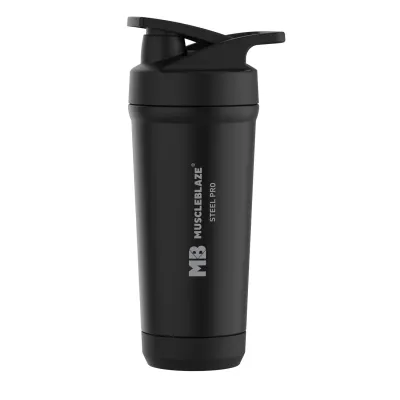
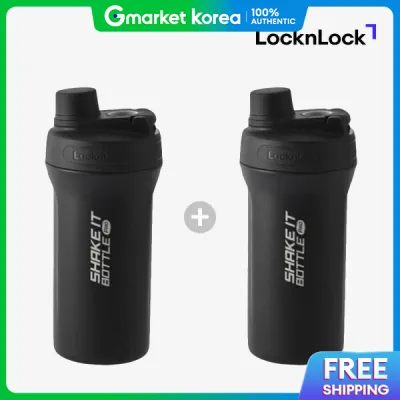
![[Cheapest] Baebear Protein Shaker Bottle with Blender Ball | BPA Free / Leak Free / Portable [Baebear.sg]](https://img.lazcdn.com/g/p/96545a1ba7591cacec90e401dcd485cb.jpg_400x400q80.jpg_.webp)
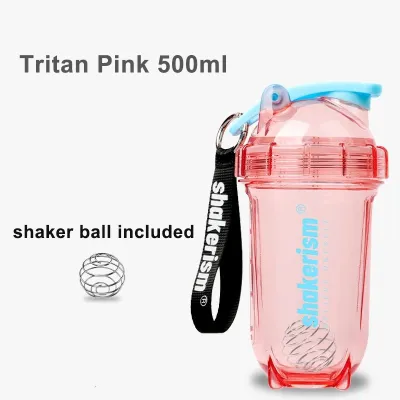
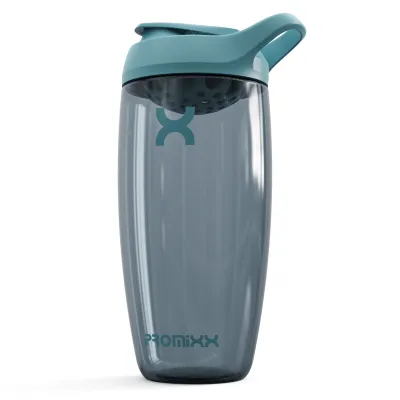
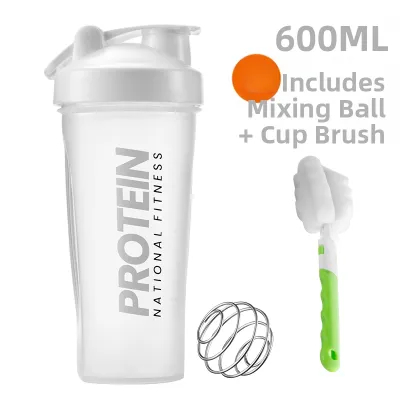
Prices are valid at publication and may change. Please refer to the product page for the latest price.
Core Specs That Drive Insulation Performance
To find a bottle that performs reliably, look past marketing buzzwords and evaluate the physical specifications that govern thermal dynamics. Understanding these features allows you to make an informed choice based on science rather than brand hype.

Wall Construction
Double-wall vacuum insulation is the gold standard for blocking heat transfer. In these bottles, manufacturers pull the air out of the space between an inner and outer stainless steel wall, creating a vacuum. Because conduction and convection require a physical medium to transfer heat, this vacuum barrier effectively stops ambient heat from warming your cold drink. Conversely, single-wall plastic bottles or those paired with external thermal sleeves lack this barrier, allowing heat to penetrate rapidly when exposed to temperatures exceeding 30°C.
Lid and Seal Design
The lid is the primary thermal weak point of any insulated bottle. Because heat rises and plastic is a poor insulator compared to vacuum-sealed steel, a poorly designed lid allows rapid thermal transfer. Compare convenient flip-caps, which are often thin and uninsulated, with fully insulated screw-on lids. A high-quality lid features a thick silicone gasket that seals the opening tightly, preventing cold air from escaping and keeping external humidity out.
Capacity and Ice Space
The volume of your bottle directly impacts its thermal lifespan. Larger volumes of liquid retain their temperature longer than smaller volumes because they have a lower surface-area-to-volume ratio. Choosing a larger bottle, such as a 28-ounce (830 ml) model over a standard 20-ounce (590 ml) size, allows you to add a generous amount of ice without sacrificing the volume of your protein shake or diluting the mixture too quickly.
Material Thickness and Base
Quality insulated shakers utilize 18/8 food-grade (304) stainless steel. This material is highly durable, rust-resistant, and non-reactive, ensuring your shake never takes on a metallic taste. Some premium models feature a copper lining on the exterior of the inner wall, which acts as a reflective barrier to minimize radiation heat transfer. A thicker stainless steel base also adds durability, preventing dents from accidental drops on hard gym floors that could breach the vacuum seal and ruin the bottle’s insulating properties.
Comparing Common Insulated Shaker Designs
Choosing the right bottle requires balancing thermal performance with the mechanical need to mix protein powder. Protein supplements require vigorous agitation to dissolve fully, and different designs handle this process in distinct ways.
Double-Wall Stainless Steel with Wire Whisk
This classic design pairs a vacuum-insulated stainless steel body with a free-floating stainless steel wire whisk ball. As you shake the bottle, the whisk moves rapidly through the liquid, cutting through dry pockets of powder.
- Insulation Performance: Excellent. The uninterrupted stainless steel body provides superior cold retention, keeping ice solid for several hours even in warm environments.
- Mixing Efficiency: Outstanding. The high-velocity movement of the wire whisk is incredibly effective at breaking up stubborn clumps in thick whey concentrates, casein, or meal replacement formulas, yielding a perfectly smooth texture.
- Usability Trade-offs: The metal whisk can be noisy, creating a loud rattling sound that can be distracting in quiet fitness studios or office gyms. Over months of heavy use, a metal whisk can also scratch the interior steel lining, creating microscopic crevices where bacteria and protein residue can hide if not scrubbed diligently.
Insulated Bottles with Built-in Blending Grids
This modern, ball-free design features a vacuum-insulated body paired with a specialized lid containing an integrated plastic grid, dome, or stationary mixing element.
- Insulation Performance: Very High. Like the whisk design, the double-wall steel body keeps drinks cold for hours. However, the plastic grid in the lid can block some heat transfer if it is designed with thicker materials.
- Mixing Efficiency: Moderate. These stationary grids rely entirely on the force of the liquid passing through small apertures. While they work perfectly for highly soluble whey isolates and pre-workouts, they can struggle to dissolve thick mass gainers or added ingredients like peanut butter, leaving dry clumps stuck to the underside of the grid.
- Usability Trade-offs: Shaking is virtually silent, making this design ideal for quiet environments. With no loose parts to wash or lose in the gym bag, it is highly convenient. The absence of a moving metal ball also eliminates the risk of scratching the bottle's interior surface, preserving the steel lining.
Standard Shakers with External Thermal Sleeves
This lightweight, budget-friendly alternative consists of a standard single-wall, BPA-free plastic shaker bottle encased in a removable neoprene or silicone insulating sleeve.
- Insulation Performance: Low. A neoprene sleeve only delays heat transfer by a short margin, making it unsuitable for keeping drinks cold during long commutes or outdoor training.
- Mixing Efficiency: High. Most plastic shakers utilize a simple plastic grid or a lightweight plastic ball that mixes standard powders effectively.
- Usability Trade-offs: This configuration is lightweight, highly portable, and typically much cheaper than stainless steel. Because the plastic bottle is translucent, you can easily read the measurement markings on the side to monitor your exact liquid intake. However, in humid environments, the fabric sleeve can absorb sweat and condensation, trapping moisture and developing persistent odors if not washed separately.
Practical Checks for Singapore's Hot and Humid Gyms
Singapore’s tropical climate presents unique challenges for keeping drinks cold and maintaining gear hygiene. Consider these localized factors before making your choice.
Sweat-Proof Exterior
In high humidity, cold metal surfaces rapidly attract condensation. A high-quality powder-coated or matte exterior finish is essential. This textured coating prevents the bottle from “sweating,” ensuring you maintain a secure grip during heavy lifting and preventing condensation from soaking your gym bag, lifting straps, or electronics.
Leak-Proof Reliability
High ambient temperatures and vigorous shaking create internal pressure. When you shake a cold liquid in a warm room, any trapped air warms up and expands. This pressure can easily force liquid past weak seals or pop open poorly designed flip-caps. Look for bottles with heavy-duty locking mechanisms, threaded lids, and thick silicone gaskets to prevent messy spills.
Odor Resistance and Hygiene
Protein residue spoils rapidly when exposed to heat, quickly cultivating bacteria and a foul smell. Stainless steel is naturally non-porous and more odor-resistant than plastic, but the lid remains a vulnerability. Ensure the bottle has a wide-mouth opening that allows your hand or a bottle brush to reach the very bottom. Check that all silicone gaskets are easily removable for deep cleaning, as trapped moisture in these seals is the primary cause of lingering sour smells.
Transitioning Temperatures
Moving from the intense outdoor humidity of Singapore to a heavily air-conditioned gym floor causes rapid environmental shifts. A high-quality vacuum-insulated bottle shields your shake from these ambient temperature spikes, ensuring that whether you are commuting on the MRT or training under an AC vent, your drink remains at a consistent, refreshing temperature.
Decision Framework: Match the Bottle to Your Workout
To select the right insulated shaker, match its design features to your specific training style, budget, and supplement preferences.
- Choose a double-wall vacuum shaker with a wire whisk if: You regularly consume thick protein blends like casein or mass gainers, train for long durations exceeding two hours, and prioritize a perfectly smooth, clump-free texture over a quiet mixing experience.
- Choose an insulated bottle with a built-in blending grid if: You prefer a quiet shaking experience, consume highly soluble powders like whey isolate or pre-workouts, and want a low-maintenance, easy-to-clean design with no loose parts.
- Choose a standard shaker with a thermal sleeve if: You need a lightweight bottle for outdoor calisthenics or short workouts under an hour, prefer to see your liquid levels clearly, and are shopping on a tight budget.
Before purchasing, verify the manufacturer’s cleaning instructions. Check if the lid is dishwasher-safe and confirm that the silicone gaskets can be easily removed for deep cleaning, as permanent gaskets will eventually trap mold in humid climates. Premium stainless steel shakers typically range from S$30 to S$60, making them a durable investment compared to cheap plastic bottles that require frequent replacement.
Essential Maintenance to Prevent Protein Odors
Even the highest-quality stainless steel bottle will develop foul odors if not maintained correctly. Follow these simple steps to keep your shaker fresh.
Immediate Rinsing
Never let a used protein shake sit in your bottle. Dried protein acts like glue, binding tightly to both stainless steel and plastic surfaces. Rinse the bottle with warm water immediately after finishing your drink, even if you cannot perform a full wash right away.
Deep Cleaning Routine
Once or twice a week, perform a deep clean to neutralize lingering odors. Avoid harsh abrasive scrubbers that can scratch the interior steel. Instead, fill the bottle with warm water and add one tablespoon of baking soda, or soak the components in a mixture of warm water and white vinegar. Let it sit for 30 minutes before rinsing thoroughly.
Drying Protocols
In humid environments, storing a damp bottle with the lid closed is a recipe for mold. Always air-dry all components completely with the lid off. Place the bottle upside down on a drying rack so air can circulate freely inside the stainless steel chamber.
Frequently Asked Questions (FAQ)
Can I put hot liquids like coffee in an insulated protein shaker?
While the double-wall stainless steel body of an insulated shaker is fully capable of handling hot liquids, the lids are generally not designed for them. Shaking hot liquids causes rapid steam and pressure buildup inside the airtight chamber. When you flip or unscrew the lid, this pressure can cause the hot liquid to violently spray out, posing a significant burn risk. Additionally, extreme heat can warp plastic lids and degrade silicone seals. For hot beverages, always use a dedicated insulated travel mug designed with a pressure-release lid, and never shake hot liquids.
Why does my insulated shaker still smell bad after washing?
If your bottle smells sour despite thorough washing, the culprit is almost certainly the silicone O-ring or gasket nested inside the lid. Silicone is a porous material that easily absorbs protein fats, moisture, and bacteria over time. To resolve this, carefully remove the silicone gasket using a blunt tool (like a spoon handle) to avoid tearing it. Soak the gasket in a solution of equal parts warm water and white vinegar, or rub it with a baking soda paste. Allow it to dry completely in a well-ventilated area before reinserting it into the lid.
Community discussion
Share your experience or ask a question. Comments are reviewed before publication.