
Choosing the right Paw Patrol water bottle for your child depends entirely on their daily routine, age, and school environment. While insulated bottles excel at keeping drinks cold throughout a long school day and preventing exterior condensation, they are noticeably heavier and can be difficult for smaller hands to manage. Regular, non-insulated bottles offer a lightweight, easy-to-carry alternative that is often simpler to clean, though they lack thermal protection and may sweat when filled with cold water. This guide breaks down the practical trade-offs of both types to help you match the right bottle to your child’s specific hydration needs.
Assessing Your Child's Daily Hydration Needs
To make the right choice, start by looking closely at your child’s typical daily schedule and school setup. Many childcare centers and primary schools feature air-conditioned classrooms but require students to spend outdoor play sessions in high humidity. If the school lacks chilled water refill stations, a bottle that can maintain a cool temperature independently becomes highly valuable. Conversely, if teachers regularly refill bottles with room-temperature water, the thermal performance of the bottle matters much less than how easy it is to carry.
Your child’s physical development and motor skills are equally important factors. Toddlers and younger nursery students often struggle with the physical weight of a fully filled double-wall stainless steel bottle. A heavy bottle can lead to accidental drops on hard classroom floors, potentially damaging the bottle or causing injury. For younger children, a lighter bottle ensures they can independently lift and drink without strain during short recess breaks.
Products mentioned in this guide
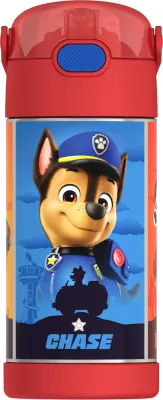
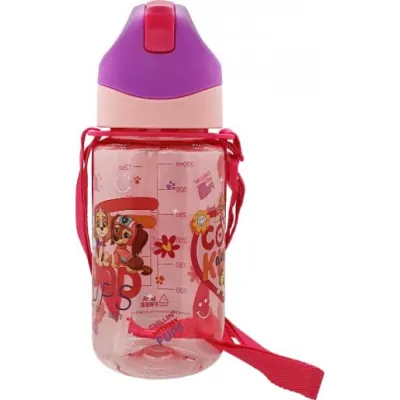
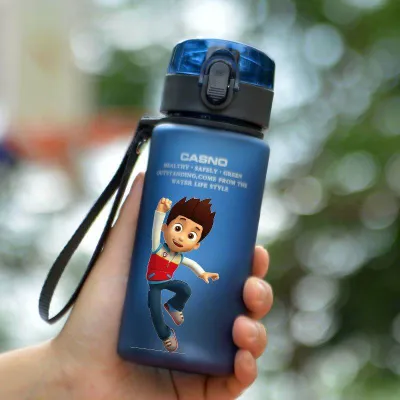
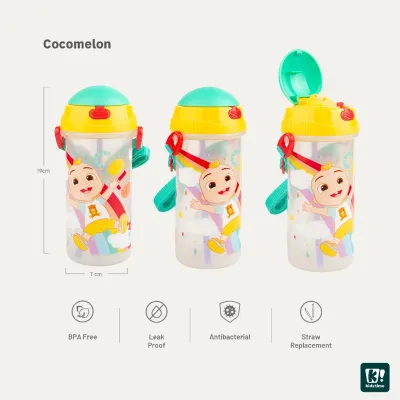
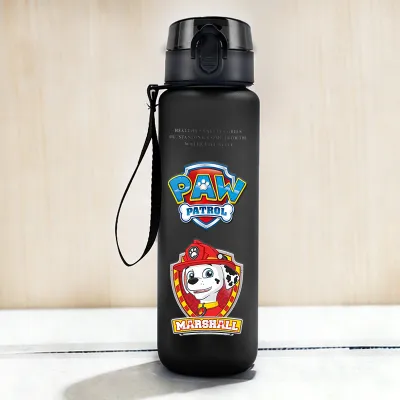
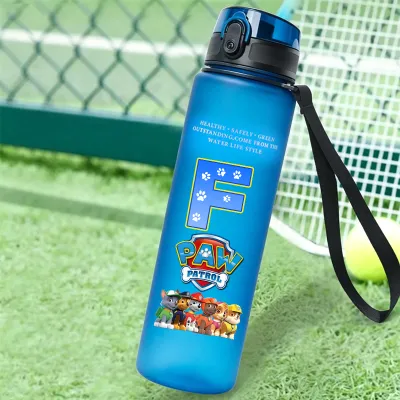
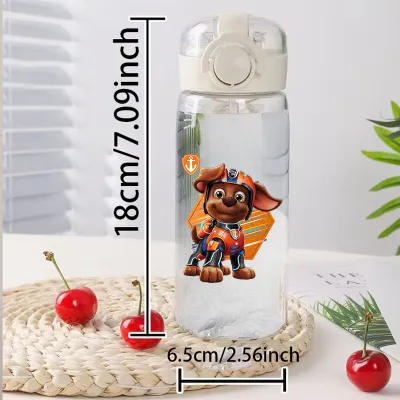
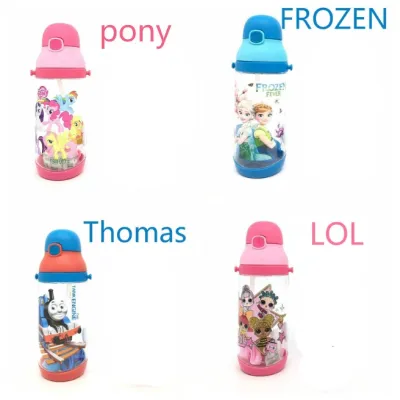
Prices are valid at publication and may change. Please refer to the product page for the latest price.
Finally, consider the intensity of your child’s physical activities. If your child participates in outdoor sports, weekend swimming lessons, or active playground games, their hydration needs will spike. Active children require quick access to refreshing, cool water to help regulate their body temperature. For quieter, indoor activities like drawing or reading, a simple, lightweight bottle is usually more than adequate to keep them hydrated.
Insulated Paw Patrol Bottles: Benefits and Trade-Offs
Insulated Paw Patrol water bottles typically utilize double-wall vacuum construction to create a thermal barrier. This design prevents heat transfer, keeping cold liquids chilled for extended periods, which is incredibly useful during long days at school or outdoor excursions. Parents should check the manufacturer’s packaging to verify the exact number of hours the bottle can maintain cold temperatures, as performance varies by brand and design. Some insulated models can also handle warm liquids, though you must always verify the manufacturer’s safety guidelines before filling them with hot drinks.

The primary trade-off of this thermal efficiency is the physical weight of the bottle. The double-wall metal construction adds significant bulk even before you add water. When fully filled, an insulated bottle can weigh down a child’s backpack, making the daily commute to school more tiring for smaller shoulders. Parents must decide if the benefit of cold water outweighs the extra physical effort required for their child to carry the bottle around.
Another major benefit of insulated bottles is their sweat-free exterior. Because the vacuum layer prevents temperature transfer to the outer wall, condensation does not form on the outside of the bottle. This keeps the exterior dry, protecting school books, homework, art projects, and electronic devices inside the backpack from moisture damage. It also ensures a secure, non-slip grip for small hands, reducing the likelihood of accidental drops during busy school days.
Regular Paw Patrol Bottles: Benefits and Trade-Offs
Regular, non-insulated Paw Patrol water bottles are usually made from single-wall plastic, aluminum, or lightweight stainless steel. The standout advantage of these bottles is their minimal weight, making them exceptionally easy for toddlers and younger children to handle. A lightweight bottle fits easily into side pockets of small backpacks without causing the bag to tilt or feel unbalanced. This portability encourages younger kids to take their water bottle along on short trips to the neighborhood playground or during family outings.
However, single-wall bottles offer no thermal protection. Cold water placed inside a regular bottle will rapidly warm up to match the surrounding room temperature, especially in humid environments. Furthermore, filling a regular bottle with cold water causes immediate condensation on the exterior. This “sweating” can leave puddles on classroom desks and soak nearby papers or fabric pencil cases inside a school bag. Parents using regular bottles often need to use additional protective sleeves to manage this moisture.
On the positive side, regular bottles are often much simpler to clean and maintain. Single-wall designs tend to have wider openings and fewer complex internal parts, making it easier to reach the bottom with a standard bottle brush. Many plastic options are also rated as top-rack dishwasher safe, though parents must always verify the specific care instructions on the product label. Keeping the bottle clean is vital for preventing mold growth, particularly around the lid and mouthpiece where moisture lingers.
Insulated vs Regular: Feature Comparison
To help you compare these two options directly, the table below outlines how insulated and regular Paw Patrol water bottles perform across key parenting considerations.
| Feature | Insulated Bottles | Regular Bottles | What to Verify on the Label |
|---|---|---|---|
| Weight | Heavier (double-wall metal) | Very lightweight (single-wall) | Check empty weight and capacity |
| Temperature Retention | High (keeps liquids cold) | None (quickly matches room temp) | Look for rated cold/hot hours |
| Condensation | None (exterior stays dry) | High (sweats with cold liquids) | Verify if sweat-proof is claimed |
| Durability | High (resistant to dents) | Moderate (can crack or dent) | Check material type (e.g., Tritan, steel) |
| Cleaning | Hand wash often recommended | Often top-rack dishwasher safe | Read specific dishwasher safety rules |
How to Choose the Right Paw Patrol Bottle
To make your final decision, evaluate your child’s specific daily routine against these conditional guidelines.
Choose an insulated Paw Patrol bottle if your child spends long hours outdoors, attends a school without easy access to chilled water, or frequently carries books and electronics that must be protected from condensation. This option is ideal for older children who have the motor skills and strength to carry a heavier bottle throughout the day. While insulated options may require a slightly higher budget—often ranging from S$20 to S$40 depending on the capacity—their durability often provides better long-term value.
Choose a regular Paw Patrol bottle if you are buying for a toddler or preschooler who needs a lightweight, easy-to-manage bottle for short outings. This style works well if your child’s school provides regular refills of room-temperature water, or if the bottle will primarily be used indoors where temperature retention is not a priority. It is also a practical choice if you prefer a low-maintenance bottle that can be quickly cleaned in the dishwasher after a busy day.
Verify first if your child’s school or childcare center has specific rules regarding water bottles. Some schools prohibit metal bottles due to the noise they make when dropped, while others ban certain lid types to prevent spills. Always check the product label for material safety certifications, ensuring the bottle is BPA-free. Additionally, inspect the lid mechanism to confirm your child can open and close it securely without adult assistance.
Frequently Asked Questions (FAQ)
Are Paw Patrol water bottles dishwasher safe?
Dishwasher safety depends entirely on the materials used and the manufacturer’s construction methods. Many single-wall plastic bottles are safe for the top rack of a dishwasher, but high heat can warp certain plastics or degrade printed Paw Patrol graphics over time. For vacuum-insulated stainless steel bottles, dishwasher heat can damage the vacuum seal that provides thermal insulation. Always check the care instructions on the packaging or the bottom of the bottle before washing.
How do I remove odors from a kids' water bottle?
For daily cleaning, wash the bottle with mild dish soap, warm water, and a dedicated bottle brush to reach all corners. If the bottle develops a stubborn odor, mix a tablespoon of baking soda with warm water, pour it into the bottle, and let it soak for a few hours before rinsing thoroughly. Avoid using harsh chemicals, bleach, or abrasive scrubbers, as these can damage the inner lining of the bottle and leave harmful residues.
What lid type is best for a toddler?
For toddlers, a push-button lid with a silicone pop-up straw is highly recommended because it minimizes spills and is easy for small fingers to operate. Spout lids and open-mouth designs require more advanced motor skills and are better suited for older children who can control the flow of water. When choosing a lid, look for designs with minimal separate parts to make thorough cleaning easier and prevent mold from building up in hidden crevices.
Community discussion
Share your experience or ask a question. Comments are reviewed before publication.