
When shopping for an insulated water bottle, you are often bombarded with bold marketing claims promising 24, 36, or even 48 hours of ice-cold drinks. In the real world, especially during a humid workout, these numbers rarely hold up. Standardized laboratory tests are conducted in highly controlled, static environments that do not reflect the actual conditions of a high-intensity training session.
To find a bottle that truly keeps your water cold when you need it most, you must look past the promotional hour counts on the packaging. Real-world thermal performance is dictated by physical specifications, lid mechanics, and how you use the bottle during exercise. By understanding how heat transfer works and verifying key manufacturing details, you can make an informed choice that fits your specific fitness routine.
Core Specs That Determine Cold Retention
To evaluate any brand’s insulation claims, you must first understand the physical features that prevent heat from warming your beverage. The most critical component is double-wall vacuum insulation. This construction consists of two stainless steel walls with a pocket of air removed between them. Because a vacuum contains virtually no air molecules, it prevents heat transfer via conduction and convection, leaving only radiation as a pathway for heat to enter.
Products mentioned in this guide
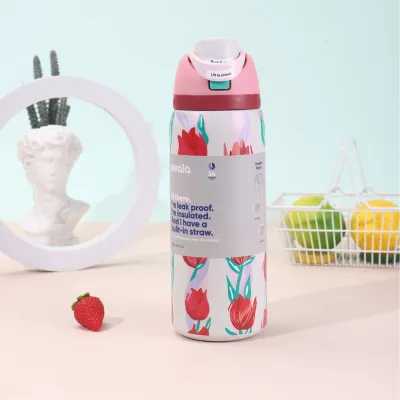
![SG🔥 [100% Authentic] Owala FreeSip Stainless-Steel Insulated Water Bottle Locking Push-Button Lid Owala Water Bottle](https://img.lazcdn.com/g/p/bca6b863022fad51b11522056333afd7.jpg_400x400q80.jpg_.webp)
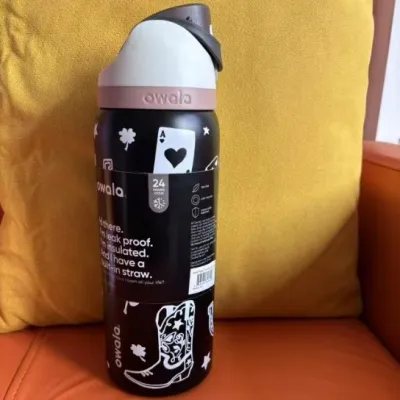
Prices are valid at publication and may change. Please refer to the product page for the latest price.
When comparing bottles, always verify that the manufacturer specifies “vacuum insulation” rather than simply “double-wall construction.” A double-wall bottle that is merely filled with air or foam will perform significantly worse than one with a true vacuum seal.
The capacity of the bottle also plays a massive role in temperature retention due to thermal mass. A larger volume of cold water contains more thermal energy (or rather, a greater capacity to absorb heat without a significant temperature rise) than a smaller volume. For instance, a 1.2-litre bottle will naturally keep its contents cold longer than a 500-millilitre bottle of identical construction, simply because there is more cold liquid to resist the ambient heat.
Exterior materials and finishes also influence how a bottle interacts with its environment. Many premium brands apply a textured powder coating to the outer stainless steel wall. Beyond providing a secure grip when your hands are sweaty, this matte finish helps reflect a portion of radiant heat compared to bare, dark-painted metals that absorb solar radiation rapidly during outdoor workouts.
Finally, pay close attention to the base design. When you place your bottle on a hot concrete path, a metal gym floor, or a warm car cup holder, heat can transfer directly through the bottom of the bottle. Some designs incorporate a recessed base or a removable silicone boot. These features create a small air gap or a thermal barrier that minimizes direct contact with warm surfaces, preserving the internal vacuum’s integrity.
Why Lid Design Matters More Than Brand Claims
While the body of the bottle is highly efficient at blocking heat, the lid is almost always the weakest link in any thermal system. Most lids are made of solid plastic or copolymer materials, which do not offer the same insulation value as a double-walled vacuum steel body. Every time you open the lid, you also introduce warm ambient air directly into the bottle, accelerating ice melt.

The choice between straw lids and screw caps involves a direct trade-off between convenience and thermal efficiency. Straw lids are incredibly popular for workouts because they allow you to drink without tilting the bottle, keeping your eyes on your surroundings. However, straw lids require internal ventilation paths and folding mechanisms to function. These small openings and joints allow tiny amounts of external air to seep in, slightly reducing the bottle’s overall cold retention over several hours.
In contrast, a solid screw cap provides a continuous, heavy-duty barrier. Because it completely seals the opening with a thick layer of plastic and a compressed gasket, it offers the highest possible thermal resistance.
Spout and chug caps sit somewhere in the middle. They offer a wider opening for fast hydration, but this wide aperture means a larger volume of cold air escapes every time you take a drink. If you frequently open a wide-mouth chug cap during a long workout, the rapid air exchange will warm your water much faster than if you used a narrow-mouth opening.
Regardless of the lid style, the integrity of the silicone gasket is paramount. Over months of use, exposure to moisture, sports drink powders, and frequent washing can cause these rubber seals to degrade, stretch, or accumulate mold. A compromised gasket not only leads to annoying leaks in your gym bag but also allows warm air to bypass the lid’s threads, rapidly neutralizing the bottle’s insulation capabilities.
Matching Bottle Features to Your Workout Environment
No single insulated water bottle is perfect for every scenario. Your choice should align with where and how you exercise, balancing weight, capacity, and thermal performance.
For high-intensity indoor gym sessions, such as weightlifting or spin classes, extreme cold retention over 24 hours is rarely necessary. Your primary focus should be on ease of use and spill prevention. A moderate capacity bottle (around 700 to 950 millilitres) with a quick-access straw lid or a one-handed push-button spout is ideal. These features allow you to hydrate rapidly between sets without fumbling with a screw cap, while the indoor air conditioning keeps the ambient heat load relatively low.
If your routine involves long-duration outdoor endurance activities, such as running along coastal paths or cycling under the intense tropical sun, your requirements shift dramatically. Here, you face high ambient temperatures and direct sunlight, making maximum cold retention critical. You will want a larger capacity bottle (1.2 litres or more) equipped with a secure, insulated screw-top lid to minimize heat transfer. A durable powder-coated exterior is also essential to prevent the bottle from becoming too hot to hold.
For those who transition between commuting, office work, and multi-sport activities, portability and leak prevention are the top priorities. A bottle that leaks inside a laptop bag or is too heavy to carry comfortably will quickly be left at home. In this case, look for a slim, lightweight design that fits standard car cup holders and bicycle bottle cages. A lid with an integrated, heavy-duty carry loop makes it easy to transport your bottle while keeping your hands free for transit cards or keys.
Decision Framework: Choosing the Right Bottle for Your Routine
To simplify your purchasing decision, use this conditional framework to match your specific workout habits with the correct bottle configuration:
- Choose a wide-mouth, screw-cap bottle if your primary goal is maximum cold retention during long, uninterrupted outdoor sessions. This setup allows you to easily pack the bottle with large ice cubes and provides the tightest possible thermal seal, though it requires two hands to open and drink.
- Choose a straw or spout lid bottle if your priority is quick, one-handed hydration during high-intensity indoor intervals, cycling, or weightlifting. While you may sacrifice a small amount of long-term temperature retention, the convenience and safety of not having to tilt your head back during exercise outweigh the minor thermal loss.
- Verify replacement part availability before committing to a brand. Premium bottles can cost anywhere from S$30 to S$80, making them a significant investment. Ensure the manufacturer sells replacement lids, silicone gaskets, and straws separately. This allows you to easily refresh worn-out components and maintain proper hygiene without having to buy an entirely new bottle.
- Avoid uninsulated single-wall bottles if you require cold water. If a product description does not explicitly state "double-wall vacuum insulated," it will sweat profusely in humid conditions and fail to keep your drinks cold, regardless of how stylish the brand appears.
Frequently Asked Questions (FAQ)
Does putting an insulated water bottle in the fridge improve its cooling?
No, placing an insulated water bottle in the refrigerator or freezer is highly ineffective for cooling the liquid inside. The same double-wall vacuum insulation that keeps your drinks cold also prevents the cold air of the refrigerator from penetrating the bottle’s interior. If you put a room-temperature drink inside an insulated bottle and place it in the fridge, the liquid will remain warm for a very long time. To get a cold drink, you must chill the liquid first or add ice cubes directly into the bottle before sealing it.
How can I test my bottle's vacuum seal at home?
You can easily test if your bottle’s vacuum seal is intact using a simple temperature test. Fill the bottle with ice-cold water or boiling hot water, seal the lid, and wait about five minutes. Carefully feel the entire exterior surface of the stainless steel body. If the vacuum seal is functioning correctly, the outside of the bottle should remain at room temperature. If you feel distinct cold spots (or hot spots if using hot water), or if condensation begins to form on the outside of the bottle (sweating), the vacuum seal has been compromised. A bottle with a broken vacuum seal can no longer insulate effectively and should be replaced or repaired.
Community discussion
Share your experience or ask a question. Comments are reviewed before publication.