
In Singapore’s warm and humid climate, staying hydrated during an intense workout is essential, and nothing is more refreshing than a sip of ice-cold water mid-session. When comparing sports water bottle brands for gym workouts, finding the model with the best insulation performance requires looking past flashy marketing claims. Because there are no universal, independent laboratory tests comparing every single brand under identical conditions, the key to finding a high-performing bottle lies in understanding thermal engineering, verifying manufacturer specifications, and assessing how practical design features fit your specific exercise routine.
Choosing a bottle that keeps your drinks cold for the duration of a workout involves analyzing the materials used, the construction of the lid, and the physical environment of your gym. A bottle that performs exceptionally well in an air-conditioned fitness center might behave differently during an outdoor functional training session. By focusing on verifiable design standards rather than brand names alone, you can make an informed decision that ensures your water remains cold when you need it most.
How Insulation Technology Works in Sports Water Bottles
To understand why some bottles keep drinks cold longer than others, it helps to look at the physics of thermal insulation. The primary technology used in modern sports bottles is double-wall vacuum insulation. This construction features an inner and outer wall, typically made of food-grade stainless steel, with the air evacuated from the space between them. Because a vacuum contains no air molecules, it virtually eliminates heat transfer by conduction and convection, preventing the warm ambient air of the gym from heating your cold beverage.
Products mentioned in this guide
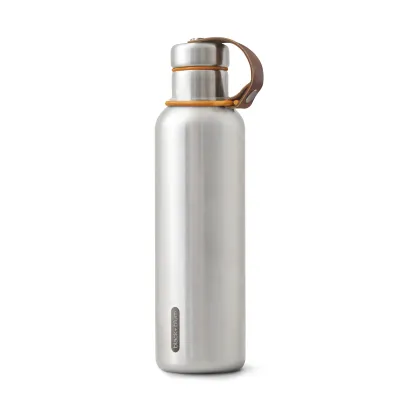
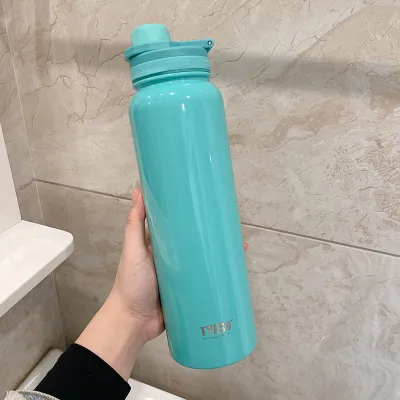
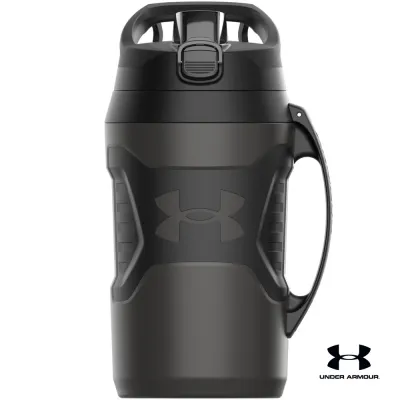
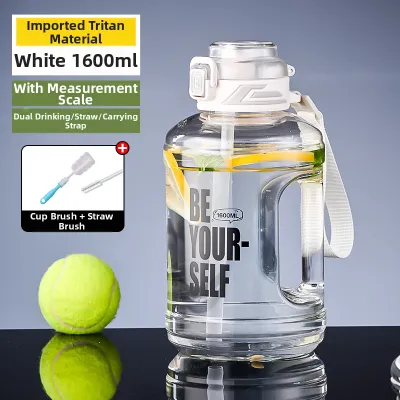
Prices are valid at publication and may change. Please refer to the product page for the latest price.
The material composition of these walls is critical for both performance and safety. High-quality insulated bottles utilize 18/8 stainless steel, which contains 18% chromium and 8% nickel. This specific alloy, also known as grade 304 stainless steel, is highly resistant to rust, corrosion, and flavor retention, ensuring that your water tastes fresh and the bottle remains durable over years of daily use. Some premium brands add an extra layer of copper plating to the exterior of the inner wall, which reflects radiant heat away from the cold liquid, further enhancing thermal efficiency.
While the vacuum-insulated body of a bottle is highly effective at blocking heat, the lid represents the primary pathway for thermal transfer. Lids are typically made of plastic or silicone, which do not insulate as effectively as a double-walled metal vacuum. Consequently, a bottle with a large, uninsulated plastic lid or a wide opening will lose cold air faster than a bottle with a smaller, insulated cap. Understanding this trade-off is essential when comparing different bottle shapes and lid configurations for your workouts.
Essential Design Features for Gym Workouts
Beyond raw insulation performance, the practical design of a water bottle determines how usable it is during a strenuous workout. The lid mechanism is the most critical interface, directly affecting flow rate, ease of drinking, and leak prevention. Straw lids allow you to sip without tilting your head back, making them ideal for use on cardio machines or during quick rests between lifting sets. However, straw mechanisms contain multiple small parts and silicone valves that require meticulous cleaning to prevent mold.

Spout lids offer a high flow rate, allowing you to hydrate quickly during intense training sessions. These lids usually feature a protective cap that keeps the drinking surface clean when the bottle is sitting on a gym floor or tucked inside a gear bag. Screw-top lids provide the most secure, leak-proof seal and are highly durable, but they require two hands to open, which can interrupt the flow of your workout. Evaluating how you prefer to drink during exercise will help you choose the right lid style.
The exterior finish of the bottle also plays a significant role in a gym environment. High-quality insulated bottles feature a powder-coated exterior finish. This textured coating serves two purposes: it provides a secure, non-slip grip when your hands are sweaty, and it prevents condensation from forming on the outside of the bottle. A sweat-proof exterior ensures that your bottle will not slip out of your hands during a heavy set and prevents moisture from pooling on gym equipment, locker shelves, or inside your gym bag.
Hygiene is another vital consideration, especially if you mix electrolyte powders, pre-workout formulas, or BCAAs in your bottle. Wide-mouth designs allow easy access for bottle brushes, making thorough cleaning straightforward and preventing the buildup of bacteria and stubborn odors. Narrow-neck bottles, while slightly better at retaining cold due to their smaller openings, are much harder to clean thoroughly and may require specialized cleaning tablets or flexible brushes to maintain hygiene.
How to Verify Cold Retention Claims Before Buying
When shopping for an insulated water bottle in Singapore, you will encounter various claims such as “keeps cold for 24 hours” or “keeps ice frozen for 48 hours.” To make an accurate comparison, it is important to understand how manufacturers test these claims. These ratings are typically established under controlled laboratory conditions, often starting with a bottle completely filled with ice and water at a very low temperature, kept closed in a mild ambient room temperature of around 20°C.
In a real-world gym setting, these conditions change dramatically. Every time you open the lid to take a drink, warm air enters the bottle, and cold air escapes, accelerating the warming process. If you train in a non-air-conditioned gym or outdoors, the higher ambient temperature will also speed up heat transfer. To verify claims, look for detailed manufacturer specifications that outline the starting water temperature and the ambient testing temperature, rather than relying solely on the headline hour rating.
Another reliable way to gauge real-world performance is to analyze verified customer reviews on e-commerce platforms and sports retail websites. Look specifically for feedback from users who train in warm climates or use the bottles in similar gym environments. Pay attention to comments regarding how quickly ice melts, whether lid condensation occurs, and if the bottle maintains its temperature over a typical two-hour workout session. Consistent reports of a sweaty lid or rapid ice melting often indicate poor seal quality or thin lid insulation.
If you want to test a new bottle’s performance at home, you can conduct a simple, standardized test. Fill the bottle with a measured ratio of ice and cold water—for example, one-third ice and two-thirds water—and record the time. Leave the bottle in a room with a stable temperature, opening it once every hour to simulate a workout. Check how much ice remains after four hours and eight hours. Comparing this baseline performance against an older bottle or a non-insulated container will give you a clear, practical understanding of its thermal efficiency.
Decision Framework: Matching Bottles to Your Workout Style
To choose the right insulated bottle, you must align its specifications with your specific gym habits and hydration needs. If your workouts involve mixing protein powders, pre-workout supplements, or adding large ice cubes, a wide-mouth bottle with a secure screw lid is the most practical choice. The wide opening makes it easy to scoop powders without spilling, and the simple screw lid is easy to wash, preventing supplement residue from getting trapped in complex lid parts.
For high-intensity interval training (HIIT), spinning, or weightlifting where you need quick, one-handed access to water, a bottle with a straw or spout lid is more suitable. These designs allow you to hydrate rapidly without losing focus or having to put down your equipment to unscrew a cap. Ensure the lid features a locking mechanism or a secure latch to prevent accidental spills when the bottle is tossed into your gym bag.
Capacity is another crucial factor that balances hydration volume against portability. If your gym has easily accessible water dispensers, a smaller capacity bottle of 500ml to 750ml is often ideal. These bottles are lightweight, easy to carry from station to station, and fit comfortably in standard treadmill cup holders. However, if you train in a facility without a convenient refill station, or if you prefer not to interrupt your workout to refill, a larger capacity bottle of 1 liter or more may be necessary, despite the added weight.
Before making a final purchase, verify the physical dimensions of the bottle to ensure compatibility with your daily routine. Measure the side pockets of your gym bag, the cup holders in your car, and the bottle cages on the gym equipment you use most frequently. Many high-capacity insulated bottles have a wider diameter that may not fit standard cup holders, requiring you to place the bottle on the floor, where it is more susceptible to being knocked over or scratched.
Frequently Asked Questions (FAQ)
Can I put hot drinks in a gym insulated water bottle?
Yes, most double-wall vacuum-insulated stainless steel bottles are designed to hold both hot and cold liquids, but you must verify the manufacturer’s specific guidelines and check your lid type before doing so. While the stainless steel body can safely contain hot beverages, many sports lids—especially those with straws, bite valves, or flip-spouts—are not designed for hot liquids. Hot steam can create pressure inside the sealed bottle, causing hot liquid to spray out unexpectedly when you open the spout, which poses a burn risk. If you plan to use your gym bottle for hot coffee or tea, switch to a standard insulated screw-on lid designed specifically for hot beverages, and always open it slowly to release any built-up pressure safely.
How do I remove odors from an insulated bottle after using sports drinks?
To eliminate stubborn odors or residue from sports drinks and protein powders without damaging your bottle, use a gentle, non-abrasive cleaning method. Mix two tablespoons of baking soda with warm water inside the bottle, seal it, shake it gently, and let it soak for several hours or overnight. For persistent smells, you can add a small amount of white vinegar to the baking soda mixture, which will create a foaming action that helps lift residue from the stainless steel walls. Avoid using harsh chemical bleach, steel wool, or abrasive scrubbing pads, as these can scratch the interior finish and compromise the bottle’s rust resistance. After soaking, scrub the bottle thoroughly with a soft bottle brush, rinse it completely with clean water, and allow it to air dry completely with the lid off to prevent moisture from trapping new odors.
Community discussion
Share your experience or ask a question. Comments are reviewed before publication.