
Building a home gym requires balancing space, budget, and training goals. When selecting weights, the choice between a classic iron dumbbell and a rubber-coated dumbbell is one of the most critical decisions you will make. This choice directly impacts your floor’s survival, your relationship with your neighbors, and how well your gear survives local environmental conditions.
While both options serve the fundamental purpose of resistance training, their physical properties create vastly different user experiences. Understanding these differences allows you to invest in equipment that aligns with your living space and training style, preventing costly mistakes like ruined flooring or prematurely rusted weights.
Quick Guide: Which Dumbbell Material Fits Your Space?
Selecting the right material requires evaluating your training environment and storage limitations. Bare cast iron and rubber-coated dumbbells differ across four primary dimensions: floor safety, noise production, long-term durability, and maintenance needs. Neither material is universally superior; instead, each serves a distinct type of home workout space.
Products mentioned in this guide
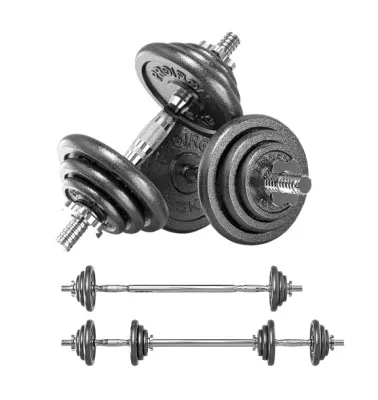
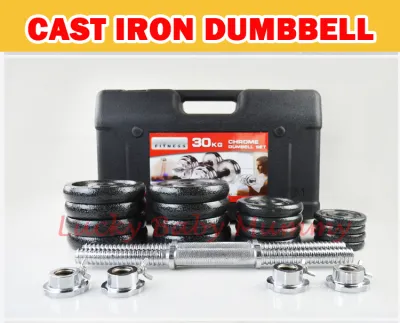
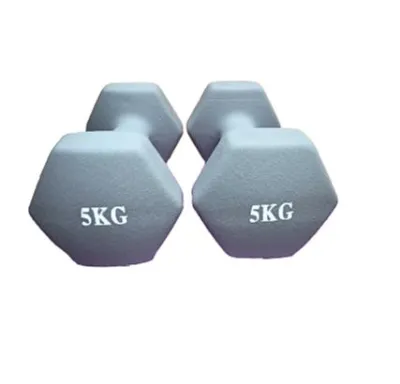
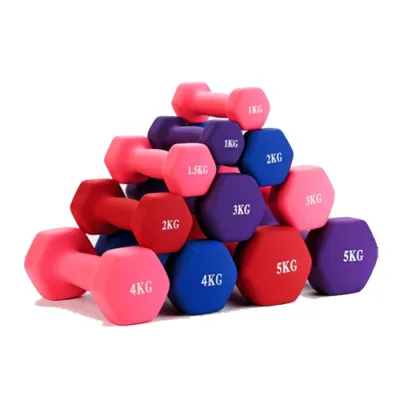
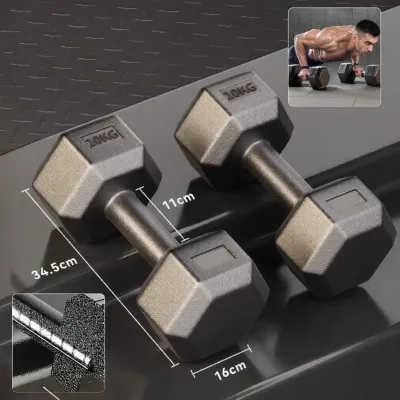
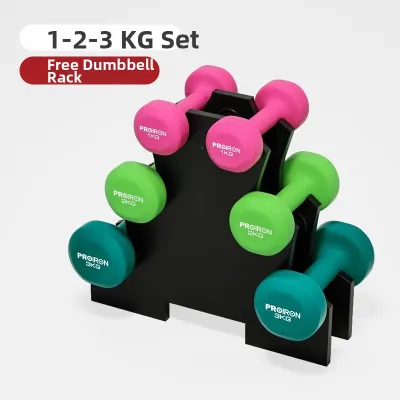
![[SG SELLER] Adjustable Weights Cast Iron Dumbbell Barbell Chrome Extension Bar Connection Set Weights Home Gym Work Out](https://img.lazcdn.com/g/p/a0e080bf6f93b42b8dc6b1478e8fd31c.jpg_400x400q80.jpg_.webp)
Prices are valid at publication and may change. Please refer to the product page for the latest price.
Traditional iron dumbbells are highly compact and practically indestructible under normal lifting conditions. They offer a classic, no-nonsense aesthetic and a highly tactile grip. However, they are loud, unforgiving when dropped, and prone to surface rust if exposed to moisture. This makes them ideal for dedicated garage gyms, ground-floor setups, or outdoor training areas equipped with heavy-duty protective platform mats.
Conversely, rubber-coated dumbbells feature a protective outer layer that cushions impacts and dampens noise. This outer shell makes them highly popular for residential settings, such as apartments, condominiums, or multi-purpose spare rooms. While they protect your surroundings, they have a larger physical footprint and can degrade if exposed to harsh sunlight or improper cleaning agents. Your choice should depend entirely on your specific flooring, storage capacity, and environmental conditions.
Durability and Climate Resistance: Iron vs Rubber
When investing in strength equipment, you want tools that will last for decades. The longevity of your dumbbells depends heavily on how their materials interact with your local climate and training habits. This is especially true in humid environments, where moisture accelerates wear and tear.

Iron Dumbbells
An iron dumbbell is cast from molten metal, creating a solid, single-piece structure. Its primary vulnerability is not structural failure, but chemical oxidation. In humid climates, bare cast iron reacts quickly with oxygen and moisture in the air, leading to rust. Sweat from your hands accelerates this process, leaving orange deposits in the knurling and along the weight heads.
While surface rust rarely compromises the structural integrity of the weight, it can stain your clothes, hands, and floor mats. Chipping is another concern; if you store iron weights on a metal rack or clank them together during exercises like chest flies, the protective paint, enamel, or powder coating can chip off. Once the raw iron underneath is exposed to air, rust forms rapidly.
Rubber-Coated Dumbbells
Rubber-coated dumbbells use a protective polymer shell to encase the underlying iron head. This coating acts as an impermeable barrier against moisture and sweat, preventing the metal core from rusting. However, rubber is an organic compound subject to environmental degradation.
Over time, exposure to ultraviolet (UV) light, heat, and ozone can cause rubber to dry out. This leads to hardening, cracking, and eventual peeling, especially on lower-grade rubber compounds. If the rubber shell splits, moisture can seep inside, rusting the iron core from the inside out without your knowledge.
Verification Steps
To ensure you are buying a durable product, check the manufacturer’s material specifications before purchasing:
- For Iron: Look for powder-coated, e-coated, or chrome-plated finishes rather than basic painted iron. Powder and e-coatings bond electrostatically to the metal, offering superior resistance to chipping and sweat-induced corrosion.
- For Rubber: Look for virgin rubber or polyurethane (PU) coatings. Virgin rubber is more durable and has a milder odor than recycled rubber. Polyurethane is a premium synthetic alternative that does not stretch, crack, or degrade under UV light, though it carries a higher price tag.
Floor Protection and Noise Control for Home Gyms
For home gym owners, protecting residential flooring and maintaining a quiet environment are often higher priorities than they would be in a commercial facility. Dropping a weight in a living room has much higher stakes than dropping one on a commercial lifting platform.
Impact on Flooring
Residential flooring materials like hardwood, engineered timber, laminate, ceramic tile, and luxury vinyl tile (LVT) are highly susceptible to impact damage. A bare iron dumbbell has sharp, hard edges. If set down too quickly or dropped accidentally, it can easily shatter ceramic tiles, dent hardwood, or puncture vinyl.
Rubber-coated dumbbells feature a softer, slightly compliant exterior. When the weight contacts the floor, the rubber shell deforms slightly, absorbing a portion of the kinetic energy and distributing the impact force over a wider surface area. This significantly reduces the risk of superficial scratches, scuffs, and minor dents on your home surfaces.
Noise Reduction
Noise transmission is a major concern in shared living spaces and multi-story apartment buildings. When bare iron weights clank together during a workout or touch down on a floor, they produce a sharp, high-frequency sound that travels easily through walls and concrete slabs. This can quickly lead to noise complaints from family members or neighbors.
Rubber coatings dampen these high-frequency acoustic vibrations. Setting down a rubber dumbbell produces a low-frequency, muffled thud rather than a sharp metal ring. This acoustic dampening makes your home workouts far more discreet, allowing you to train early in the morning or late at night without disturbing others.
Safety and Limitations
It is vital to understand that a rubber coating does not make a dumbbell “drop-proof.” While the rubber protects against minor impacts and scratches, dropping a heavy weight from shoulder height or overhead transfers massive kinetic energy. This energy passes straight through the thin rubber layer and can easily crack the underlying concrete subfloor or damage your home’s structural joists.
To prevent structural damage, always pair your dumbbells with proper shock-absorbing flooring. For light to moderate weights, a high-density rubber mat of at least 10mm to 15mm thickness is recommended. For heavy lifting or dynamic movements, consider dedicated lifting platforms or thicker commercial-grade rubber tiles to safeguard both your equipment and your home.
Upkeep: Rust Prevention, Cleaning, and Odor Control
Keeping your equipment clean and functional requires ongoing maintenance. The upkeep routines for iron and rubber are entirely different, and using the wrong cleaning method can permanently damage your gear.
Iron Maintenance
Because bare or painted iron is highly vulnerable to moisture, your primary maintenance goal is rust prevention. Implement a simple post-workout routine: wipe down the handles and weight heads with a dry microfiber cloth to remove sweat and skin oils.
If surface rust does begin to form, you can restore the metal using safe, reversible steps:
- Scrub: Use a stiff wire brush or steel wool to gently scrub away the loose orange rust from the affected areas.
- Clean: Wipe away the rust dust with a dry cloth.
- Protect: Apply a very light coat of 3-in-1 oil, mineral oil, or a dedicated gun oil to the clean metal. Let it sit for a few minutes, then buff it thoroughly with a clean rag until the surface is dry to the touch. This leaves a microscopic protective barrier against moisture without making the grip slippery.
Rubber Maintenance
Rubber-coated weights do not require rust-prevention oils. In fact, applying petroleum-based oils, WD-40, or harsh chemical solvents to rubber will destroy it. These chemicals break down the polymer chains, causing the rubber to become sticky, soft, and prone to rubbing off on your hands.
To clean rubber-coated dumbbells, use a simple solution of mild dish soap and warm water. Dampen a microfiber cloth in the soapy water, wring it out thoroughly so it is not dripping, and wipe down the rubber surfaces. Dry the weights immediately with a clean towel. Never submerge them in water, as moisture can get trapped between the rubber sleeve and the metal core, causing internal rust.
Odor Management
New rubber dumbbells often emit a strong, pungent chemical smell caused by the off-gassing of volatile organic compounds (VOCs). This “new tire” smell can quickly overwhelm a small, unventilated room. Recycled rubber options generally have a much stronger and longer-lasting odor than virgin rubber or polyurethane.
To manage this odor, do not store new rubber dumbbells in your living space immediately. Place them in a well-ventilated garage, a shaded balcony, or near an open window for several days to a week. This allows the volatile compounds to dissipate safely into the air. Avoid placing them in direct sunlight during this process, as UV rays will degrade the fresh rubber.
Size, Grip, and Storage: Practical Handling Differences
Beyond durability and floor protection, the physical design of each dumbbell type affects how they feel in your hands and how they fit into your training space.
Size and Footprint
Iron has a much higher density than rubber. Because of this, a solid iron dumbbell is physically smaller and more compact than a rubber-coated dumbbell of the exact same weight.
This size difference has practical training implications. Bulkier rubber dumbbells can restrict your range of motion during tight, close-body movements, such as dumbbell bench presses, bicep curls, or overhead extensions, where the large weight heads may bump into each other or your body. Additionally, their bulkier profile means they take up more space on storage racks, potentially requiring a larger, more expensive multi-tier rack to hold your full set.
Grip and Ergonomics
Your connection to the weight is entirely dependent on the handle. Traditional iron dumbbells typically feature a straight, solid metal handle with knurling (a cross-hatch pattern cut directly into the steel). This knurling provides a highly secure, non-slip grip by increasing friction against your palm, which is essential for heavy deadlifts, rows, and presses where a slipping weight poses a safety risk.
Rubber-coated dumbbells offer more varied handle designs. Many feature contoured chrome handles that are thicker in the middle to fit the natural curve of your hand. While comfortable, the knurling on these handles is often milder and less aggressive than on solid iron weights. Some budget rubber dumbbells feature handles fully coated in rubber or neoprene. While soft, these coated handles can become incredibly slippery once your hands start to sweat, reducing grip security during intense workouts.
Weight Accuracy
When training, knowing the exact load you are lifting is important for tracking progressive overload. Cast iron dumbbells, especially those that are machined to finished dimensions, typically offer tight weight tolerances, often within 1% to 3% of the stated weight.
In contrast, mass-produced rubber-coated dumbbells can have wider weight variances. The molding process for rubber can result in slight density variations, meaning a nominal 10kg dumbbell might actually weigh 9.5kg or 10.5kg. If precision is critical to your training, check the manufacturer’s specified weight tolerance before buying.
Final Verdict: Matching the Material to Your Home Gym
To make your final decision, evaluate your specific home training environment against the strengths and weaknesses of each material.
Choose Iron Dumbbells If:
- You have a dedicated, ground-floor workout space or garage gym equipped with thick, high-density rubber flooring.
- You prioritize compact equipment that maximizes storage space and allows for an unrestricted range of motion during tight movements.
- You prefer a traditional, highly tactile knurled grip that remains secure even during heavy, sweaty lifting sessions.
- You want a lifetime investment and do not mind performing occasional rust-prevention maintenance.
Choose Rubber-Coated Dumbbells If:
- You train in a shared living area, upstairs apartment, or multi-purpose room where protecting the floor from scratches and scuffs is a priority.
- You need to keep workout noise to a absolute minimum to avoid disturbing family members or neighbors.
- You want low-maintenance equipment that requires only a quick wipe with soapy water rather than oiling.
- You prefer a modern aesthetic and are willing to accommodate slightly bulkier weights on your storage rack.
Before finalizing your purchase, always verify the manufacturer’s specifications. Check the handle diameter to ensure it fits your hand size comfortably, look for clear weight tolerance guarantees, and review the warranty terms regarding rubber splitting or rust prevention.
Frequently Asked Questions (FAQ)
Can I use rubber-coated dumbbells outdoors or in a garage?
Yes, but you must take environmental precautions. Rubber is sensitive to extreme temperature fluctuations and UV radiation from direct sunlight. Prolonged outdoor exposure will cause the rubber coating to fade, dry out, become brittle, and eventually crack or peel. To preserve the protective coating, always store your rubber-coated weights indoors or in a fully shaded, climate-controlled area when they are not in use.
Do iron dumbbells require a protective mat if I have a concrete floor?
Yes. While a concrete floor is highly durable and will not dent like hardwood, dropping bare iron dumbbells directly onto concrete can cause the concrete to chip, crack, or release fine dust. Furthermore, the impact can chip the protective finish of the dumbbell, exposing the raw iron to moisture and accelerating rust. Using at least a basic high-density rubber mat protects your equipment’s outer finish, prevents concrete damage, and reduces the loud acoustic echo in hard-surfaced rooms.
Community discussion
Share your experience or ask a question. Comments are reviewed before publication.