
Starting a home fitness journey in a compact space like a Singapore HDB flat often begins with a simple question: is a 5kg adjustable dumbbell set the right starting point? For many absolute beginners, a maximum weight of 5kg per dumbbell offers an accessible entry point for building basic strength, perfecting form, and performing upper-body isolation exercises. However, whether this weight remains useful past the first few weeks depends entirely on your baseline physical strength, your specific fitness goals, and the types of movements you plan to perform.
An adjustable dumbbell that tops out at 5kg is highly effective for high-repetition endurance training and small-muscle isolation. Conversely, it will quickly fall short if your goal is to build significant muscle mass or perform compound lower-body exercises like squats and lunges. Understanding your current physical baseline and how muscles adapt to resistance is essential before investing in home gym equipment. Remember that physical equipment cannot replace proper training, movement control, and personal judgment; if you experience persistent pain, stop the exercise immediately.
How to Test If 5kg Is the Right Starting Weight for You
Before purchasing any weight set, you can perform a simple physical assessment at home to determine if a 5kg load matches your current strength level. Since you may not have access to professional gym equipment, you can simulate this resistance using common household items. A standard 1.5-litre water bottle weighs approximately 1.5kg, while a large bag of rice or laundry detergent bottle can easily weigh between 3kg and 5kg.
Products mentioned in this guide
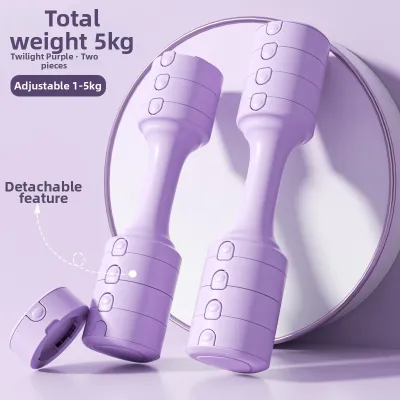
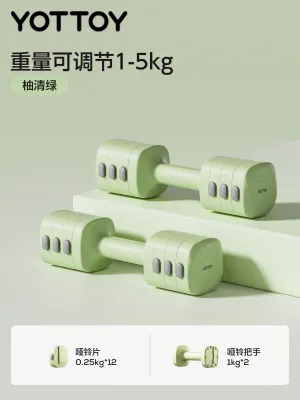
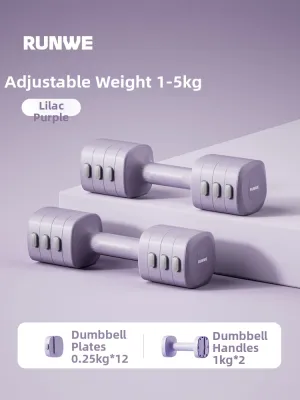
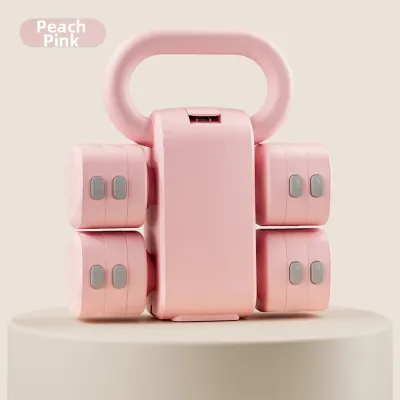
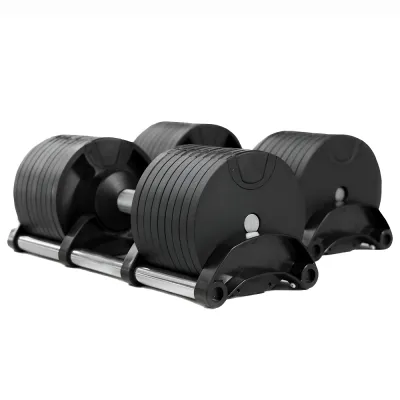
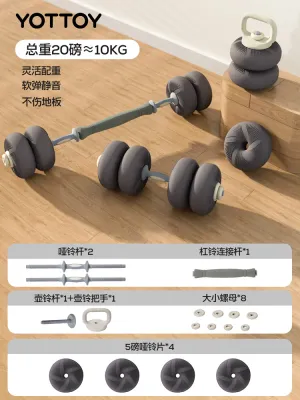
Prices are valid at publication and may change. Please refer to the product page for the latest price.
To conduct a repetition test, select an exercise like the overhead shoulder press or the bicep curl. Attempt to perform 12 to 15 repetitions with your simulated weight while maintaining strict, controlled form. If you can complete 15 repetitions with a 5kg equivalent load and feel absolutely no muscle fatigue or challenge by the final rep, a 5kg maximum dumbbell will be too light to stimulate further strength adaptations.
Pay close attention to physical signs that a 5kg weight is too heavy for your current joint and muscle capacity. If you must swing your body, arch your lower back, or use momentum to lift the weight, the load is compromising your form. Experiencing sharp joint strain in your elbows, wrists, or shoulders—rather than a dull, burning sensation in the target muscle belly—is a clear indicator that you should start with a lighter increment, such as 1kg to 3kg.
Conversely, look for indicators that the weight is too light for your target exercises. If your workout plan focuses on lower-body movements like squats, deadlifts, or glute bridges, a 5kg load will likely feel incredibly light from day one. The large muscle groups of the glutes and thighs require substantial resistance to trigger adaptation, meaning a 5kg limit will offer minimal physical challenge for these specific patterns.
Matching 5kg Weights to Your Specific Workout Goals
Aligning your equipment choice with your long-term fitness objectives prevents the frustration of outgrowing your gear too quickly. A 5kg adjustable dumbbell set is exceptionally well-suited for muscular endurance and toning programs. These workouts typically rely on higher repetition ranges—often 15 to 25 repetitions per set—where a lighter, manageable load is necessary to sustain continuous movement without sacrificing safety.

This weight range is also ideal for upper-body isolation exercises that target smaller muscle groups. Movements such as lateral raises for the shoulders, tricep kickbacks, and bicep curls naturally require lighter weights because they isolate single joints. For these exercises, maintaining a slow, controlled tempo with a 5kg dumbbell can provide an excellent training stimulus for beginners without overloading delicate shoulder or elbow joints.
However, you must recognize the physiological limitations of a 5kg maximum weight when it comes to major compound movements. Exercises like squats, lunges, and bent-over rows engage multiple large muscle groups simultaneously. To stimulate muscle growth or strength gains in these areas, you must gradually increase the resistance over time—a concept known as progressive overload. With a 5kg cap, you will quickly reach a plateau where you can no longer challenge these larger muscle systems.
When to Look for Heavier Adjustable Dumbbells Instead
For many individuals, strength adaptation occurs surprisingly fast during the initial weeks of a structured training program. This is primarily due to neurological adaptations, as your brain becomes more efficient at recruiting existing muscle fibers. If you anticipate training consistently three to four times a week, you may find that a 5kg dumbbell feels light within a month, particularly for back and lower-body exercises.
In these scenarios, investing in a heavier adjustable dumbbell set—such as one that adjusts from 2kg up to 15kg or 20kg—is often far more cost-effective in the long run. While the initial purchase price of a heavier set is higher, often costing upwards of S$100 to S$200 compared to a basic S$30 set, it eliminates the need to buy an entirely new set of weights once your strength surpasses the 5kg threshold. A wider weight range allows you to use lighter increments for difficult shoulder exercises while utilizing the heavier settings for your legs and back.
Your personal background also plays a significant role in determining your starting weight. Individuals who engage in manual labor, have a history of athletic training, or carry a higher baseline of body mass often possess natural strength that makes a 5kg dumbbell feel negligible immediately. If you fall into any of these categories, bypassing the 5kg limit in favor of a heavier adjustable system will provide a much more versatile and durable training tool for your home workouts.
What to Check Before Buying for Compact Home Spaces
When selecting adjustable dumbbells for a compact living environment, such as a Singapore HDB flat, space efficiency and safety are paramount. The first critical element to evaluate is the adjustment mechanism. Common designs include dial-turn systems, selector pins, and spinlock collars. You must verify that these mechanisms lock securely into place; loose weight plates present a severe safety hazard if they slip during overhead movements.
Physical dimensions and storage footprints are equally important when living space is limited. Some adjustable dumbbells feature bulky frames that remain the same length regardless of the weight selected, which can interfere with your range of motion during exercises like bicep curls or chest presses. Look for compact designs that shrink in physical size when lower weights are selected, and prioritize models that come with a dedicated storage tray to keep your living area organized.
Additionally, pay close attention to the shape of the weight plates. Round plates can easily roll away when placed on smooth tiled or vinyl floors, potentially causing damage to your home or injuring your feet. Octagonal or flat-sided plates are highly recommended for home use as they remain stationary when set down. Finally, check the grip ergonomics; ensure the handle features a textured, non-slip knurling or rubber coating that fits comfortably in your hand, allowing for a secure grip even when sweating in a humid climate.
Frequently Asked Questions (FAQ)
Can I build significant muscle mass with just 5kg dumbbells?
Building significant muscle mass, or hypertrophy, requires exposing your muscles to high levels of mechanical tension and progressive overload. While a beginner can experience initial muscle growth using 5kg dumbbells by training close to muscular failure, this weight limit will eventually restrict your progress. Once your muscles adapt to the 5kg load, you will primarily build muscular endurance rather than size. To continue building muscle mass over the long term, you will need to transition to heavier weights that continue to challenge your muscles.
Are adjustable dumbbells safe to drop on home floors?
No, adjustable dumbbells should never be dropped on home floors. Unlike solid rubber bumper plates used in commercial gyms, adjustable dumbbells contain intricate internal locking mechanisms, gears, and selector pins that can easily crack, bend, or misalign upon impact. Dropping them not only ruins the adjustment mechanism, making the dumbbell unusable, but it can also crack HDB floor tiles or damage vinyl flooring. Always lower the weights to the floor with control, which also provides an extra eccentric training benefit for your muscles.
Community discussion
Share your experience or ask a question. Comments are reviewed before publication.