
Living in a Housing & Development Board (HDB) flat in Singapore requires a thoughtful approach to space management and neighborly etiquette. When considering home fitness or wellness gear, bulky treadmills and stationary exercise bikes often present significant spatial and acoustic challenges. A Philips slimming belt offers a highly viable, compact alternative for those looking to integrate core stimulation, muscle toning, or localized massage into their daily routine without compromising precious floor space or disturbing neighbors. However, determining whether this device is truly suitable for your specific flat layout and lifestyle requires evaluating its physical footprint, noise output, and comfort under Singapore’s unique climate conditions.
While these wearable devices are highly convenient, their suitability depends on choosing the right technology—such as distinguishing between silent electrical stimulation and mechanical vibration—and managing your physical comfort in a humid environment. By understanding how these factors interact with HDB living conditions, you can make an informed decision that supports your wellness goals while maintaining a peaceful, clutter-free home.
Space Efficiency: Integrating a Slimming Belt into HDB Layouts
Unlike traditional exercise equipment that demands a dedicated corner or a permanent footprint in your living room, a wearable slimming belt requires virtually zero floor space during use. In a standard three-room, four-room, or five-room HDB flat, where multi-functional rooms are the norm, this spatial economy is a major advantage. You do not need to rearrange furniture, roll out heavy protective rubber mats, or dedicate a portion of your bedroom to a metallic frame. Instead, the device is worn directly on the body, leaving your living environment completely unobstructed and visually clean.
Products mentioned in this guide
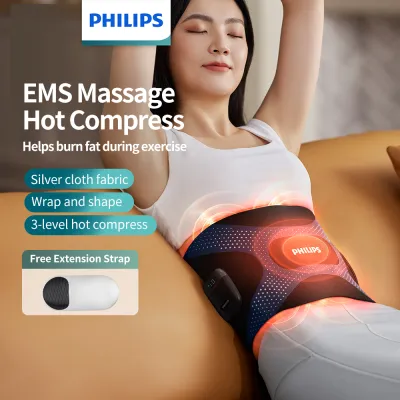
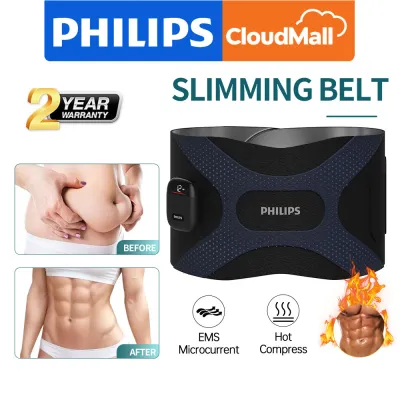
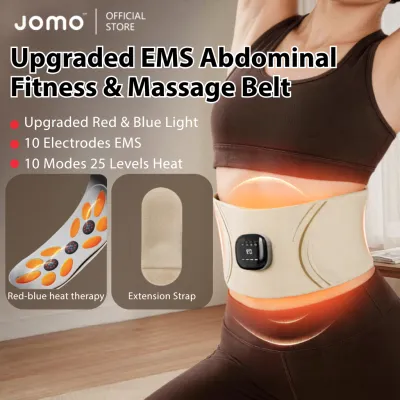
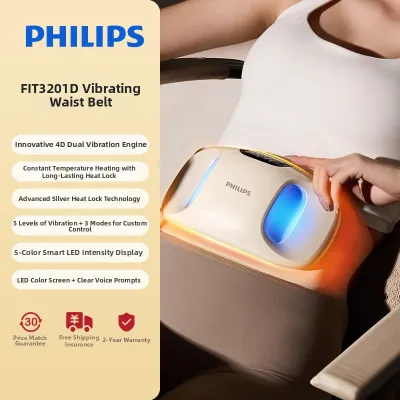
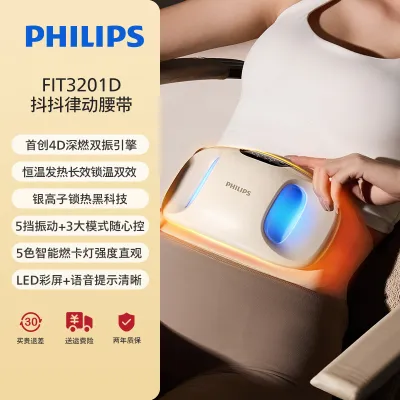
![[SG Stock] Electric Slimming Belt with Heat & Vibration | Weight Loss Machine for Belly Fat Burner | 5-Level Automatic Massage Belt](https://img.lazcdn.com/g/p/893384980b541826e23ac100738159c7.png_400x400q80.png_.webp)
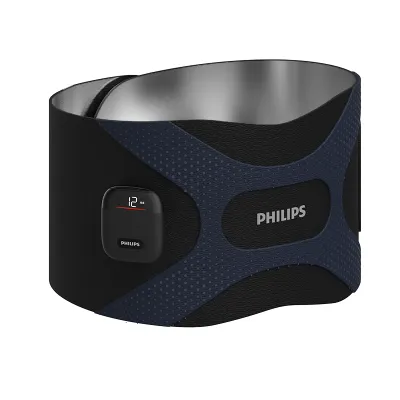
Prices are valid at publication and may change. Please refer to the product page for the latest price.
Storage is equally straightforward, making it highly compatible with compact high-rise living. When not in use, a Philips slimming belt can be folded gently and tucked away into a wardrobe drawer, placed inside a bedside table, or stored in a small decorative box on a living room shelf. This prevents the visual clutter often associated with home gym setups that eventually turn into clothes racks. Before purchasing, it is wise to measure your intended storage space—such as the depth of your dresser drawers or wardrobe organizers—to ensure the belt and its accompanying control unit, charging cables, and storage pouch can be tucked away neatly without forcing or bending the internal wiring.
The spatial flexibility of a wearable belt also transforms how and where you can engage your core. Because the device operates while you are stationary or moving minimally, you can easily integrate it into your existing household routines. You can wear it while sitting at your study desk during a work-from-home session, relaxing on the sofa while watching television, or even lying in bed before sleep. This eliminates the need for a designated workout zone in your flat, allowing you to maintain a clean, minimalist aesthetic in your home while still prioritizing your personal wellness.
Noise and Vibration: Managing Sound in HDB High-Rise Living
Living in close proximity to neighbors in an HDB block means that sound and structural vibrations can easily become a source of friction. When evaluating a Philips slimming belt, it is essential to understand the technology powering the device, as this directly dictates its acoustic impact. Wearable belts generally fall into two categories: Electrical Muscle Stimulation (EMS) models and mechanical vibration models. EMS technology works by sending mild electrical impulses to the muscles, causing them to contract without moving parts, making these devices virtually silent during operation. Mechanical vibration belts, on the other hand, utilize internal motors to generate physical movement and localized massage, which inherently produces an audible hum and physical oscillation.

HDB flats are constructed with robust concrete floor slabs and load-bearing walls. While these structures are excellent at blocking high-frequency airborne sounds, they can act as conductors for low-frequency structural vibrations and impact noise, such as dropping heavy dumbbells or jumping during high-intensity workouts. Fortunately, the lightweight, low-amplitude vibration generated by a wearable mechanical belt is highly localized to the user’s body. It lacks the mass and force required to penetrate thick concrete floor slabs and disturb the neighbors living directly below you. Any vibration is largely absorbed by your body’s soft tissue rather than being transferred to the building’s structure.
To ensure complete peace of mind, always check the product specifications on official brand websites or authorized e-commerce platforms before making a purchase. Look for details regarding the motor type and decibel (dB) ratings. A quiet motor operating at a low decibel level ensures that any airborne sound remains confined to your immediate surroundings and does not seep through thin partition walls into adjacent bedrooms.
Practicing good high-rise etiquette is still recommended when using mechanical vibration or heated massage models. If you prefer using a vibration-based belt while standing, placing a thick rug, foam play mat, or yoga mat under your feet can further dampen any minor contact noise that might otherwise travel through the floor. Additionally, scheduling your sessions during daytime or early evening hours—and opting for silent EMS modes if you use the device late at night—ensures a harmonious relationship with those living around you.
Sizing and Comfort: Adapting to Singapore's Indoor Climate
Singapore’s tropical climate, characterized by high ambient temperatures and humidity, plays a significant role in how comfortable wearable wellness devices feel during extended use. To ensure both safety and effectiveness, selecting the correct physical size is the first crucial step. You should measure your natural waist circumference using a flexible measuring tape before selecting a model. A belt that is too loose will fail to maintain proper contact with your skin, rendering the stimulation or massage ineffective. Conversely, a belt wrapped too tightly can restrict your natural breathing patterns, compress internal organs uncomfortably, or cause friction-induced skin irritation.
The materials used in the belt’s construction are particularly important when operating the device in a non-air-conditioned HDB room. Sweating is natural, even during passive activities, and trapped moisture can quickly lead to skin chafing or bacterial growth. When shopping, prioritize belts that feature moisture-wicking, breathable, and hypoallergenic inner linings. These materials help draw sweat away from the skin, keeping the area relatively dry and comfortable during your session.
Hygiene maintenance is another critical factor in a humid climate. Always consult the manufacturer’s care labels and user manual to verify if the fabric portion of the belt is removable and washable. Many modern belts allow you to detach the electronic control unit, enabling you to hand-wash or gently wipe down the strap to remove sweat residue and odor. Keeping the contact surfaces clean prevents skin breakouts and preserves the longevity of the materials over years of regular use.
Finally, avoid the temptation to modify the belt or use third-party, unauthorized strap extensions. Altering the physical structure of the belt can displace the internal electrodes or heating elements, which may compromise the device’s built-in safety mechanisms, cause uneven heat distribution, or void the manufacturer’s warranty entirely. Always stick to official accessories provided by the brand.
Safe Usage and Realistic Fitness Expectations
While a Philips slimming belt is an incredibly convenient addition to a compact home, it is vital to approach its use with realistic fitness and wellness expectations. These devices are designed as supplementary tools to assist with localized muscle toning, core muscle engagement, and soothing massage. They do not possess the metabolic demand required to burn significant calories or replace the comprehensive cardiovascular and strength benefits of active exercise. For holistic health and weight management, a balanced diet and regular physical activity remain indispensable.
Using the device safely within your home requires strict adherence to the manufacturer’s guidelines. Most brands recommend limiting individual sessions to between 15 and 30 minutes. Exceeding these recommended durations does not accelerate results; instead, it increases the risk of localized muscle fatigue, skin redness, or mild thermal burns from prolonged contact with heating elements. Always start with the lowest intensity setting to gauge your body’s response before gradually increasing the level.
Before using the belt for the first time, perform a simple patch test. Apply the belt to a small area of your abdomen on a very low setting for a few minutes, then wait to see if your skin exhibits any adverse reactions, such as persistent redness, itching, or hives. This step is particularly important for individuals with sensitive skin or those prone to contact dermatitis in warm, humid weather.
There are also several critical contraindications to keep in mind. Wearable slimming belts should never be used during pregnancy, over broken or irritated skin, or by individuals with internal medical devices such as pacemakers or defibrillators. If you have any underlying cardiovascular conditions, chronic back pain, or other medical concerns, always consult a qualified healthcare professional before incorporating a stimulation or massage belt into your daily routine.
Frequently Asked Questions (FAQ)
Can I use a vibration slimming belt late at night in an HDB flat?
Yes, you can use it, but minor precautions are recommended depending on the model. While the low-frequency vibration of a mechanical belt is highly unlikely to pass through an HDB flat’s thick concrete floor slabs to neighbors downstairs, the audible hum of the motor might still carry through thin internal partition walls or open windows in quiet night hours. If you share your flat with family members or live in a highly sound-sensitive environment, it is best to restrict mechanical vibration models to daytime or early evening. Alternatively, opting for an EMS (Electrical Muscle Stimulation) model is an excellent solution for late-night routines, as EMS technology operates in complete silence.
Does an EMS slimming belt require a dedicated power outlet in a small room?
No, most modern EMS and slimming belts from reputable brands like Philips do not require a dedicated power outlet during use. These devices are designed with built-in rechargeable batteries and are typically powered via a standard USB charging cable. This cordless functionality is highly advantageous for small HDB bedrooms or study rooms, as it eliminates tripping hazards caused by trailing cables. It also grants you complete freedom of movement, allowing you to walk around, complete light household chores, or move between rooms without being tethered to a wall socket.
Community discussion
Share your experience or ask a question. Comments are reviewed before publication.