
A size 1 football, often referred to as a mini football, is primarily used as a skills training tool for players of all ages and as an introductory toy for toddlers. Measuring roughly 13 to 15 centimeters in diameter, this compact ball helps players refine their close-control footwork, reaction times, and coordination. Whether you are looking to sharpen your first touch in a small backyard or introducing a young child to their very first kicks, understanding the specific roles of this mini ball ensures you select the right gear for your training goals.
What Is a Size 1 Football Actually Used For?
A size 1 football serves as an excellent training aid for close-control skills. Because of its small surface area, players must strike the ball with high precision. Practicing juggling with a mini ball forces your feet to find the exact center of gravity, which translates to a cleaner touch when you return to a standard match ball.
Dribbling in tight spaces becomes significantly more challenging and rewarding with a mini ball. You can set up compact cone grids in a living room, hallway, or small backyard to practice rapid directional changes. This confined training sharpens your spatial awareness and teaches you to keep the ball close to your feet under pressure.
Products mentioned in this guide
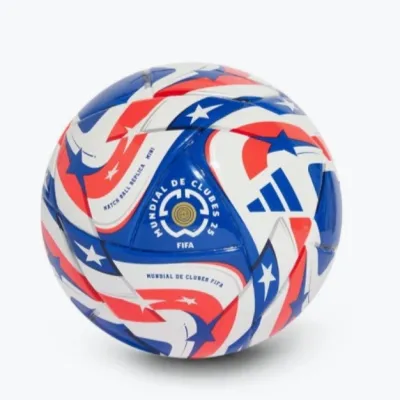
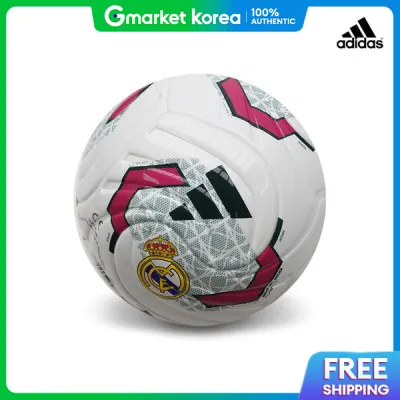
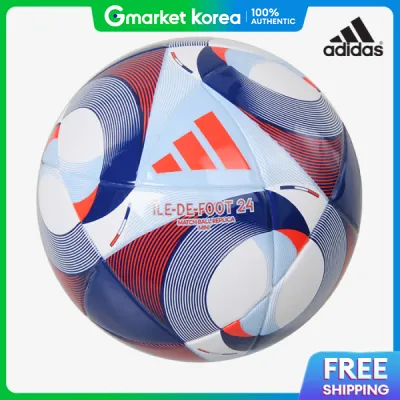
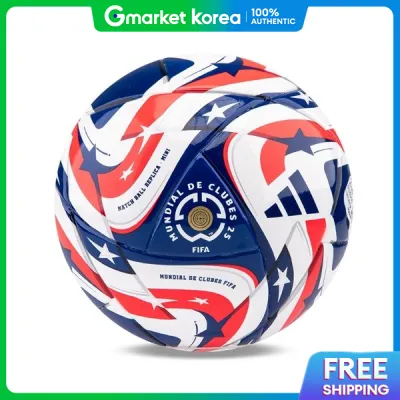
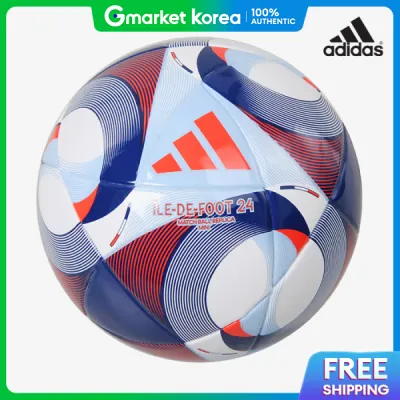
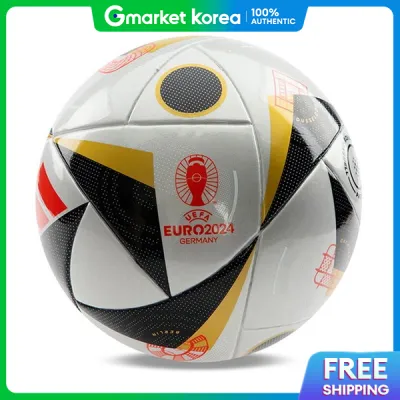
Prices are valid at publication and may change. Please refer to the product page for the latest price.
For older and more experienced players, these mini balls are ideal for footwork and agility exercises. The reduced weight and size require faster reaction times and rapid muscle firing in the lower limbs. Incorporating a size 1 ball into your warm-up routine activates the nervous system and improves overall coordination before high-intensity training sessions.
Beyond structured training, a size 1 football is the perfect tool for introductory play. Very young children who are just learning to walk and run can easily manage the physical scale of a mini ball. It allows them to develop basic motor skills, such as balance and kicking coordination, without the risk of tripping over a heavy, oversized object.
Who Should Use a Size 1 Football? (Age and Skill Diagnostics)
Toddlers and preschool-aged children, typically between one and three years old, benefit immensely from a size 1 football. Standard match balls are often too heavy and large for their developing joints, which can lead to frustration or minor injuries. A mini ball provides a lightweight, non-intimidating option that encourages natural play and early physical confidence.

Youth and adult players also find great value in using a size 1 ball, though for entirely different reasons. Advanced players utilize these mini balls for ball mastery drills, intricate trick execution, and sharpening their reflexes. If you want to master complex freestyle moves or improve your weak-foot coordination, training with a smaller target accelerates your learning curve.
Before purchasing, it is essential to check the manufacturer’s age, height, and skill recommendations printed on the product label or packaging. While size 1 balls are generally universal in their physical dimensions, some are specifically weighted for toddlers with soft foam interiors, while others feature durable casings designed to withstand high-velocity impacts from adult training. Matching the ball’s construction to the user’s physical profile prevents premature wear and ensures a productive training experience.
Signs You Need a Different Football Size
While a size 1 football is a versatile training tool, there are clear scenarios where it is the wrong choice. If you or your child are participating in organized youth matches, school leagues, or club tournaments, you must train with the official match size mandated for that age group. Depending on the league rules, this is typically a size 3 for young children, a size 4 for pre-teens, or a size 5 for players aged twelve and older.
Goalkeepers should generally avoid using a size 1 ball for their primary position-specific training. Proper goalkeeping practice requires standard ball weights and dimensions to develop accurate hand-eye coordination, catching techniques, and diving mechanics. Practicing catches with a mini ball can lead to poor hand positioning and unrealistic expectations of how a standard match ball behaves in the air.
Long-passing and shooting drills are also highly unsuitable for a mini ball. Because of its low mass, a size 1 football lacks the necessary aerodynamics, weight, and bounce to simulate realistic long-range trajectories. Attempting to strike a mini ball with full force over long distances can strain your joints and will not accurately reflect how a standard ball responds to powerful kicks.
How to Choose the Right Size 1 Football
When selecting a size 1 football, pay close attention to the surface texture of the outer casing. Some mini balls feature smooth, glossy synthetic leather, which is excellent for quick indoor play but can become slippery when wet. For advanced juggling and close-control drills, look for options with dimpled or textured covers that provide enhanced grip against your training shoes.
The choice of material and bladder type should align with your primary training environment. If you plan to practice on hard concrete, asphalt, or indoor courts, choose a ball with a durable polyurethane cover and a reinforced bladder to resist abrasions. For outdoor grass or turf use, a softer polyvinyl chloride or foam-backed casing can offer a more comfortable touch and realistic bounce.
These mini balls are highly affordable, typically ranging from S$10 to S$25 depending on the material and brand. Before finalizing your purchase, verify the inflation requirements and inspect the valve condition. Most size 1 balls require a specific, lower air pressure than standard match balls to maintain their shape without becoming rock-hard. Check the recommended pressure range printed near the valve, use a reliable hand pump with a lubricated needle, and ensure the valve does not leak air to guarantee long-term durability and a consistent bounce.
Frequently Asked Questions (FAQ)
Can adults use a size 1 football for regular matches?
Adults cannot use a size 1 football for regular, competitive matches. Official football associations and local leagues strictly mandate the use of a standard size 5 ball for adult gameplay to ensure fair competition, safety, and consistent physics. Mini balls are designed exclusively for individual training, pre-match warm-ups, and casual recreational play.
How do I know if the mini ball is properly inflated?
To determine if your mini ball is properly inflated, locate the manufacturer’s recommended pressure range, usually measured in pounds per square inch (PSI), printed directly on the ball near the valve. Use a low-pressure hand pump equipped with a pressure gauge to monitor the inflation level. When properly inflated, the ball should feel firm to a thumb press but still offer a slight, springy yield rather than feeling completely rigid.
Community discussion
Share your experience or ask a question. Comments are reviewed before publication.