
A size 4 soccer ball is designed primarily for youth players aged 8 to 12 years old, serving as the essential bridge between the lightweight size 3 balls used by younger children and the official size 5 balls used by teenagers and adults. However, age is only a starting point. Determining whether your child is ready for a size 4 ball requires evaluating their physical stature, coordination, and the specific rules of their school or local sports academy. Introducing a larger ball too early can hinder skill development, while delaying the transition can hold back a player who has outgrown their current equipment.
Standard Sizing Guidelines for a Size 4 Soccer Ball
In youth football development, the transition from a size 3 to a size 4 ball represents a significant step in a player’s journey. A standard size 4 ball typically measures between 63.5 and 66 centimeters in circumference and weighs between 350 and 390 grams. This size is engineered to help developing players refine their passing accuracy, ball control, and shooting power without putting excessive strain on their growing joints and muscles.
While international youth coaching frameworks generally recommend this size for the under-9 to under-12 age brackets, local variations are common. In Singapore, youth academies, school sports councils, and private clubs often set their own equipment guidelines based on the specific age groups they host. Before purchasing a new ball, parents should consult their child’s coach or review the league’s official handbook to ensure compliance with local match play standards.
Products mentioned in this guide
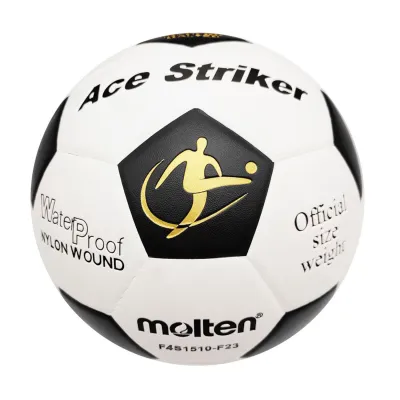
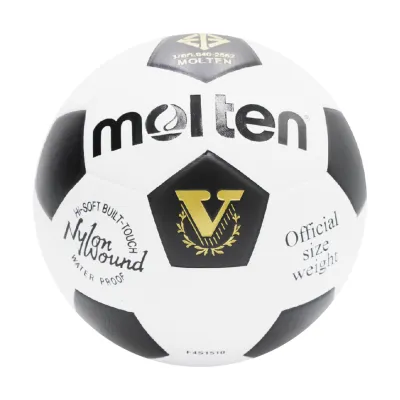
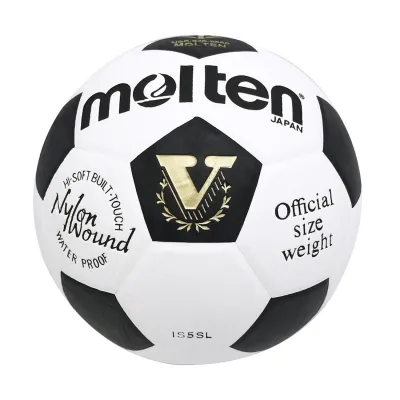
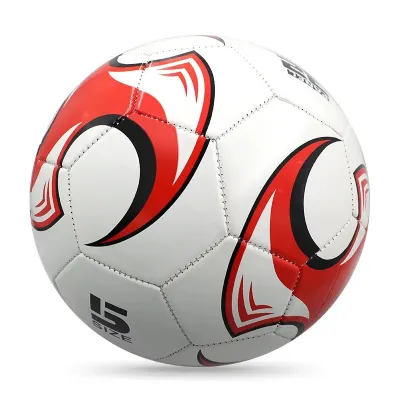
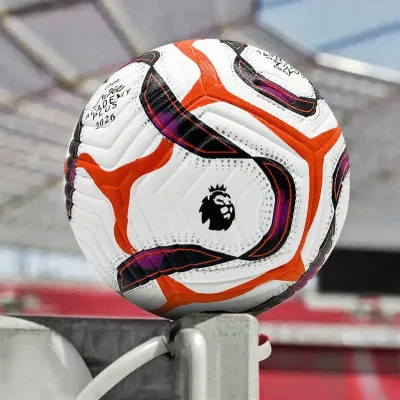
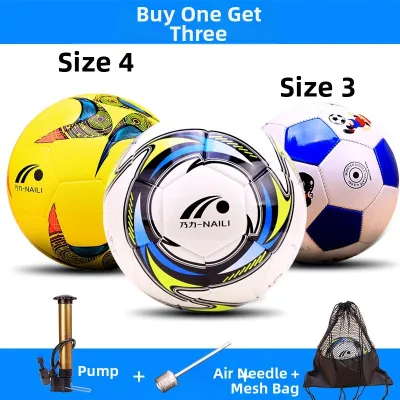
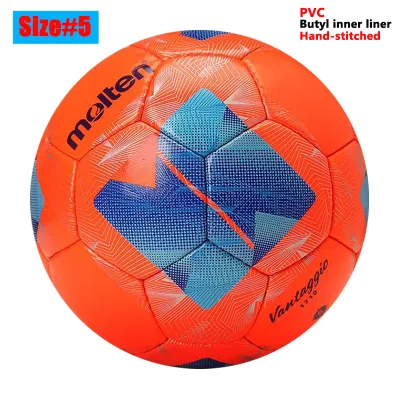
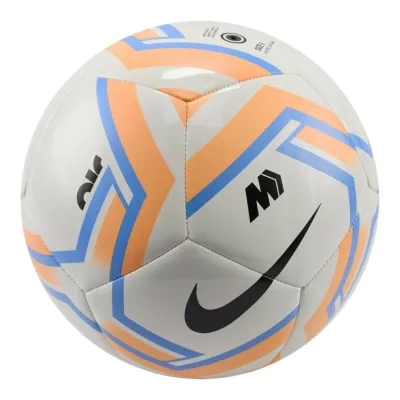
Prices are valid at publication and may change. Please refer to the product page for the latest price.
When shopping, always prioritize the manufacturer’s specifications printed directly on the ball or its packaging. Manufacturers design balls with specific age profiles in mind, balancing weight and bladder construction to suit different developmental stages. Checking these labels ensures you select a ball that aligns with both official league rules and your child’s physical readiness.
Signs Your Child Is Ready for a Size 4 Soccer Ball
Observing how your child interacts with their current ball during active play is the most reliable way to gauge if they are ready to step up to a size 4. One of the first indicators is their kicking technique. If your child can consistently strike a size 3 ball cleanly, maintaining their balance and a natural running gait without overextending their leg, they likely possess the core strength required for a slightly heavier ball.

Another key sign is how the current ball behaves during drills. As children grow stronger, a smaller ball can begin to feel overly light, bouncy, or unpredictable under their feet. If you notice that your child’s passes are frequently overhit or that the ball flies off target despite proper foot contact, the added weight of a size 4 ball can provide the necessary resistance to help them regain control and precision.
Physical growth also plays a major role in equipment sizing. If your child has experienced a recent growth spurt, a smaller ball may force them to hunch over while dribbling or adopt an awkward, unnatural posture to keep the ball close. A size 4 ball matches a taller child’s natural stride and foot placement, allowing them to maintain an upright, athletic posture during training sessions on the pitch.
When to Stick With a Smaller Soccer Ball
While it can be tempting to upgrade your child’s equipment to match their peers, moving up a size prematurely can stall their athletic development. If a child struggles with the weight of a size 4 ball, you may notice rapid fatigue during practice, a sudden deterioration in their kicking mechanics, or complaints of minor joint discomfort in their ankles or knees. These physical warning signs indicate that their muscles and joints are not yet ready to handle the increased load.
A ball that is too heavy or large can quickly erode a young player’s confidence. When a child cannot comfortably lift, pass, or control the ball, they may become frustrated and lose interest in the sport. Furthermore, attempting to kick a heavy ball with underdeveloped leg strength often leads to compensation habits, such as swinging the leg wildly or using the wrong part of the foot, which can take years of coaching to correct.
Prioritizing ball mastery, agility, and confidence over a rapid transition is always the safest approach. If your child is still working on fundamental skills like close-control dribbling, receiving passes smoothly, or maintaining balance while turning, sticking with a size 3 ball is highly beneficial. Mastery of a smaller ball builds a stronger foundation of coordination that will make the eventual transition to a size 4 much smoother and safer.
What to Check on the Label Before Buying
When selecting a size 4 soccer ball at a local sporting goods store or through an online marketplace, reading the product label carefully is essential. Start by verifying the exact weight and circumference printed on the packaging. Standard youth specifications should fall within the 350 to 390 grams range; anything heavier may be intended for specialized training or adult use, which could strain a younger player’s muscles.
If your child participates in organized matches or formal club training, look for recognized quality marks or certification logos on the ball’s surface. These marks indicate that the ball has been tested for roundness, water absorption, and pressure retention under standardized conditions. While casual recreational play does not strictly require certified balls, choosing one ensures a more consistent bounce and flight path during structured training.
The outer material and bladder construction should match the playing environment. For play on hard concrete surfaces, such as void decks or neighborhood multi-purpose courts, look for highly durable TPU (thermoplastic polyurethane) or textured PVC covers that resist scuffing. For grass or synthetic turf pitches, a softer PU (polyurethane) cover offers a better touch and feel. Additionally, check if the ball uses a butyl bladder, which retains air pressure longer and reduces the need for frequent pumping, or a latex bladder, which offers a softer bounce but requires regular inflation.
Frequently Asked Questions (FAQ)
Can a smaller or lighter child still use a size 4 ball?
Yes, a smaller or lighter child can transition to a size 4 ball if their individual skill level, coordination, and physical comfort allow for it. Strict age brackets are general guidelines rather than absolute rules. If your child demonstrates excellent ball control and does not experience fatigue or joint strain, they can safely use the larger ball. To be sure, have your child test the ball in a controlled environment, such as a local sports store or during a casual family practice session, to observe their comfort level before making a purchase.
How do I know if the ball is properly inflated for my child?
To ensure the ball is safe and comfortable for youth play, always check the recommended pressure range, measured in PSI (pounds per square inch), which is typically printed directly next to the inflation valve. Use a reliable pressure gauge to measure the inflation level accurately. For younger or lighter players, inflating the ball to the lower end of the manufacturer’s recommended range provides a softer touch, reducing the impact on their feet and head while still maintaining a true roll and bounce.
Community discussion
Share your experience or ask a question. Comments are reviewed before publication.