
Yes, a weight vest is a highly practical, space-saving fitness tool for a small HDB flat, but its success depends on your training style, current strength, and how you manage noise and heat. Unlike bulky treadmills or multi-gym stations that dominate precious floor space, a weight vest utilizes your own body as the machine, requiring virtually zero dedicated storage when in use. However, before purchasing one, you must weigh the physical realities of apartment living—such as thin concrete floors, tropical humidity, and limited storage—against your personal fitness goals.
Assessing Your Space and Fitness Goals
HDB flats, especially newer Build-To-Order (BTO) units, feature compact layouts where every square meter counts. A weight vest excels here because it does not require a designated workout zone like a power rack or a bench press. You only need enough clear floor space to perform standard bodyweight movements like squats, lunges, or push-ups, which typically fits within a standard two-meter by two-meter area. However, ceiling height is a critical constraint to verify. Standard HDB ceilings average around 2.6 meters, which can feel restrictive if you plan to perform explosive overhead movements, high jumps, or pull-ups on a doorway bar while wearing a bulky vest.
Your training objectives dictate whether a weight vest is a smart investment. If your goal is progressive calisthenics or building functional strength through compound movements, adding a torso load is a highly effective way to trigger muscle hypertrophy without needing heavy iron plates. It is also excellent for increasing cardiovascular intensity during low-impact movements like stepping or walking. Conversely, if your primary goal is targeted muscle isolation (such as bicep curls or tricep extensions), a weight vest is highly inefficient, as it distributes weight across your core rather than targeting specific limbs.
Products mentioned in this guide
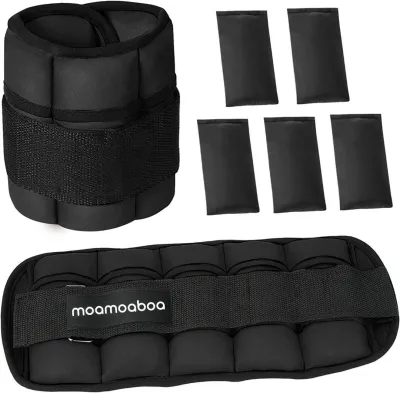
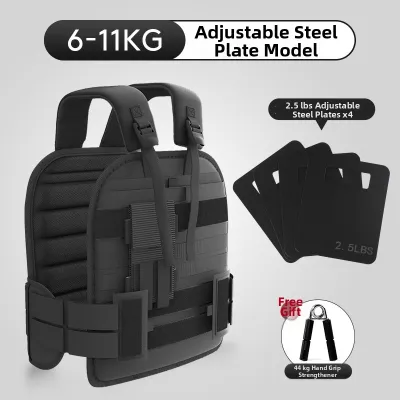
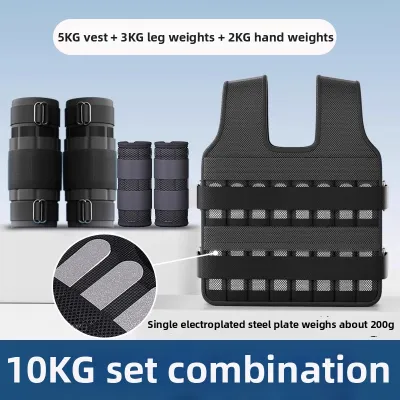
![[✅SG Ready Stock]Weighted Vest Adjustable Workout Equipment Weight Vest for Men Women Kids Sport Running Training Vest 3-10KG Invisible weight-bearing vest weighted vest iron sand sandbag running fitness equipment sports weight-bearing equipment](https://img.lazcdn.com/g/p/1792d98c5f0639a9aef5b03f971ff087.png_400x400q80.png_.webp)
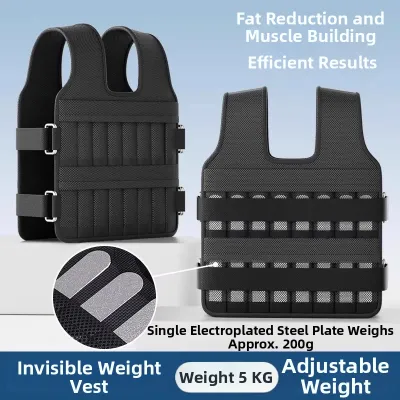
![[SG Local Stock]Adjustable Weighted Vest 5/10KG Workout Equipment Body Weight Vest Adjustable Strap for MenWomenKids](https://img.lazcdn.com/g/p/f7ebd180d0103a2dba2b1f6f112764db.png_400x400q80.png_.webp)
![[SG In Stock]5/10KG Weighted Sport Vest Workout Equipment Sport Body Weight Running Training Vest](https://img.lazcdn.com/g/p/3d4c7179e5ee62fff83cd18a619a74fa.jpg_400x400q80.jpg_.webp)
Prices are valid at publication and may change. Please refer to the product page for the latest price.
Before strapping on extra resistance, you must honestly assess your baseline bodyweight proficiency. Adding external load to compromised joints or weak stabilizing muscles significantly increases the risk of strain or injury. As a general safety check, you should be able to execute basic movements with strict form and high control before introducing a vest. If you struggle to maintain proper posture during standard push-ups or air squats, focusing on mastering unweighted movements is a safer and more productive starting point.
Managing Noise, Impact, and Space Constraints in an HDB Flat
Living in close proximity to neighbors means sound travel is a constant consideration. When you wear a weight vest, your effective body mass increases, which exponentially multiplies the impact force transmitted through the floor during dynamic movements. Exercises like jumping jacks, burpees, or running in place can create loud, low-frequency thuds that easily penetrate HDB floor slabs, leading to friction with downstairs neighbors. To maintain peace, you must either restrict your routine to low-impact movements or invest in high-density acoustic gym mats to absorb the shock.

Singapore’s tropical climate presents a unique challenge for home workouts, particularly in enclosed, non-air-conditioned rooms. A weight vest acts as an insulating layer wrapped tightly around your chest and back, trapping body heat and restricting natural sweat evaporation. This can lead to rapid overheating and dehydration during intense sessions. To mitigate this, ensure your workout space has strong cross-ventilation, utilize high-velocity standing fans, and check product labels for moisture-wicking, breathable mesh materials rather than heavy, non-porous synthetic fabrics.
While a weight vest is incredibly compact compared to a barbell set, it still requires a thoughtful storage plan. A fully loaded vest can weigh anywhere from 10kg to over 30kg, making it a potential hazard if left in high-traffic walkways where family members might trip over it. Hanging a heavy vest on a standard plastic hanger or a flimsy closet rod can cause structural damage to your wardrobe. Instead, plan to store the vest on a low, sturdy shelf, inside a dedicated storage bin, or flat on the floor in a dry, well-ventilated corner to prevent mold growth from residual sweat.
Comparing Weight Vests to Other Compact Home Gym Alternatives
When space is at a premium, you must compare the weight vest against other popular compact tools like adjustable dumbbells, resistance bands, and kettlebells. Adjustable dumbbells offer superior versatility for isolating individual muscle groups and allow for precise, incremental weight adjustments. Resistance bands are the most space-efficient option of all, though they lack the constant, gravity-based resistance profile of a weighted vest. A weight vest, however, provides a unique hands-free loading mechanism that keeps your hands completely free to grip pull-up bars, parallettes, or gymnastic rings.
In a multi-purpose living room or a small bedroom, setup time can make or break a workout routine. Adjustable dumbbells require a flat surface and time to swap plates or turn dials between sets. Resistance bands require anchor points that must be checked for safety before each use. A weight vest requires almost zero setup time; you simply slip it on, secure the straps, and begin. Its storage footprint is also minimal, easily tucking away into a drawer or under a bed, whereas even compact dumbbell sets require a dedicated corner of the room.
The weight vest truly shines in compound, closed-kinetic-chain exercises where your body moves through space, such as pull-ups, dips, push-ups, and inverted rows. It allows you to progress these movements naturally without holding a dumbbell between your feet or using an awkward dipping belt. However, it falls short in open-kinetic-chain movements. You cannot easily use a weight vest to train your shoulders with lateral raises, nor can you use it effectively for unilateral leg isolation exercises like leg extensions, making it a specialized tool rather than a complete, all-in-one gym replacement.
Your Decision Checklist: Should You Get a Weight Vest?
A weight vest is the optimal choice for your HDB home gym if you already have a solid foundation of bodyweight strength, prefer calisthenics or functional fitness, and have limited storage space. It is ideal if you want a friction-free setup that lets you start exercising within seconds of stepping into your living room. If you regularly perform pull-ups on a secure home bar or enjoy high-intensity, low-impact metabolic conditioning, the vest will integrate seamlessly into your lifestyle.
Conversely, you should consider alternative equipment or a public gym membership if your fitness goals revolve around heavy lower-body lifting (like deadlifts), targeted bodybuilding isolation, or high-impact plyometrics that would disturb your neighbors. If you are recovering from joint issues, particularly in the knees, lower back, or shoulders, adding a static torso load without professional guidance is highly discouraged. In these cases, adjustable resistance bands or a trip to the local public gym may offer a safer, more versatile path.
Before purchasing a weight vest from an online marketplace or local sports retailer, carefully inspect the manufacturer’s specifications. Look for a vest that offers adjustable weight increments via removable blocks or sandbags, allowing you to scale the resistance as your strength develops. Verify that the strapping system is highly adjustable to prevent the vest from shifting or bouncing during movement, which can cause painful chafing. Finally, prioritize models featuring breathable, heavy-duty nylon or mesh fabrics that can withstand both heavy loads and tropical humidity.
Frequently Asked Questions (FAQ)
Can I do jumping or high-impact exercises with a weight vest in an HDB?
Performing high-impact exercises like box jumps, burpees, or tuck jumps while wearing a weight vest is generally not recommended in an HDB flat. The added mass significantly increases the impact force on your joints upon landing, raising the risk of acute injury if your form falters. Furthermore, this extra force translates into loud, structural vibrations that travel easily through concrete floors, almost guaranteeing noise complaints from downstairs neighbors. To protect your joints and maintain neighborly harmony, focus instead on low-impact, high-intensity alternatives such as weighted tempo squats, slow-tempo lunges, or step-ups on a secure, non-slip platform.
How do I know if my current bodyweight routine is ready for a weight vest?
You are likely ready to introduce a weight vest if you can comfortably execute foundational bodyweight movements with perfect form and controlled tempos. As a general baseline, you should be able to complete at least 15 to 20 consecutive, full-range push-ups, 25 deep air squats, and 5 to 8 strict, dead-hang pull-ups without experiencing joint discomfort or excessive fatigue. If you meet these benchmarks, start by adding a very light load—typically around 5% to 10% of your body weight—and gradually increase the resistance as recommended by the manufacturer’s guidelines or a certified fitness professional.
Community discussion
Share your experience or ask a question. Comments are reviewed before publication.