
Yes, an abs roller wheel is highly suitable for small HDB flats, provided you have a clear straight-line path of about two meters and a suitable exercise mat to protect your flooring and dampen noise. Unlike bulky home gym equipment like treadmills or stationary bikes, an ab roller has an incredibly small physical footprint and can easily be tucked away in a drawer, under a bed, or inside a wardrobe. However, maximizing this compact tool in a typical Singaporean apartment requires careful consideration of floor space, storage options, and noise transmission to downstairs neighbors. By understanding your layout and selecting the right gear, you can build an effective core routine without cluttering your living space.
Space Requirements for Using an Abs Roller Wheel
To safely perform a rollout, you must calculate the physical clearance required for your body length during full extension. For a standard kneeling rollout, this distance generally equals your height plus an additional 30 to 50 centimeters of buffer space to prevent your hands or head from colliding with walls or furniture. If you plan to progress to standing rollouts, you will need even more linear space, typically extending up to 2.5 meters of clear, unobstructed floor. The lateral clearance is less demanding, requiring only about one meter of width to accommodate your shoulders and maintain balance.
Before starting your workout, check the overhead clearance in your designated exercise zone. Many HDB flats feature low ceilings, especially if you have installed ceiling fans or low-hanging decorative light fixtures. While a kneeling rollout keeps your body close to the ground, losing your balance or abruptly pushing up can bring you into contact with overhead hazards. Ensure your rollout path is completely clear of the rotation radius of any ceiling fan to prevent painful accidents.
Products mentioned in this guide
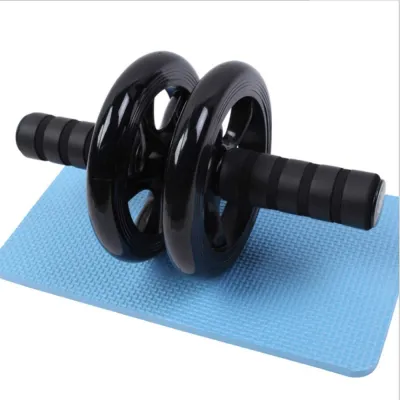

![[OKLIFE. SG]Widened ab rollers Abdominal wheels Abdominal wheels with elbow support display Base gym equipment](https://img.lazcdn.com/g/p/97b66b8cd82131af0a2517704878bc34.jpg_400x400q80.jpg_.webp)
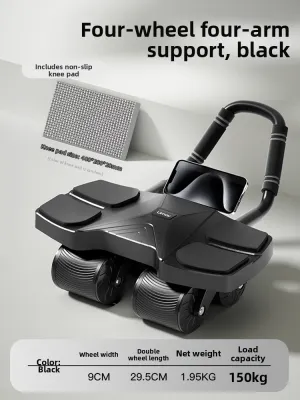
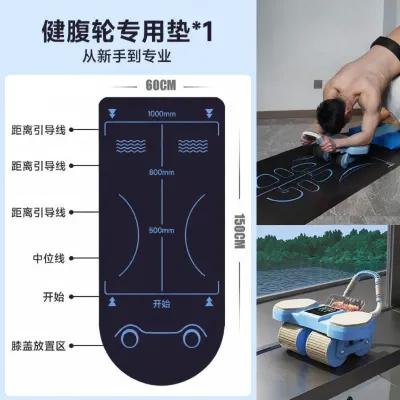
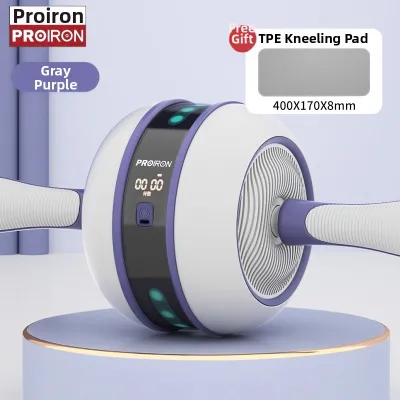
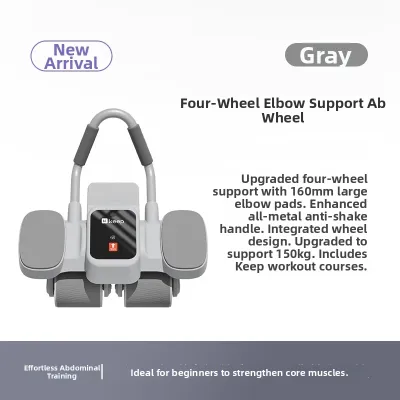
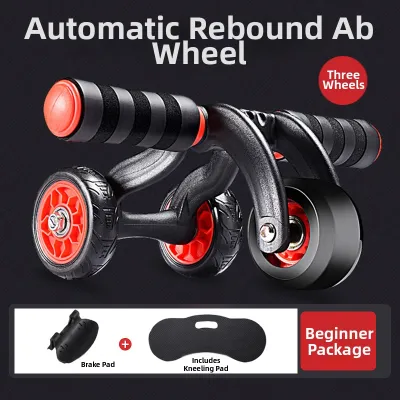
Prices are valid at publication and may change. Please refer to the product page for the latest price.
It is equally important to identify and clear temporary or permanent tripping hazards along your movement path. Loose rugs, floor mats, coffee tables, and sharp furniture edges pose significant risks if you slip or lose control of the wheel mid-exercise. Always clear a dedicated zone in your living room or bedroom corridor, moving lightweight furniture aside before you begin. Ensuring a flat, stable, and empty surface is the first step toward a safe home workout.
Additionally, consider the direction of your rollout path relative to your doors and entryways. Rolling out toward a door that someone might suddenly open from the outside is a major safety hazard. Always position your workout path parallel to closed doors or in a low-traffic corner of your flat where family members are unlikely to cross your path unexpectedly during an active set.
Storage Solutions for Compact HDB Homes
Storage is a premium commodity in modern HDB layouts, making the physical design of your fitness gear a critical factor. When shopping for an ab roller, compare detachable-handle models with fixed-handle designs. Detachable handles allow you to slide the grip bar out of the wheel center, reducing the equipment to flat, easily packable components. This design is highly advantageous for those living in cozy three-room flats or studio apartments where every centimeter of shelf space counts. Fixed-handle models, while sturdier in some configurations, require a permanent three-dimensional storage block.

For daily storage, utilize hidden zones that do not interfere with your living space. The empty gap under your bed frame is an ideal location, especially if you store the roller alongside a rolled-up exercise mat. Alternatively, you can place the disassembled parts on the top shelves of built-in wardrobes or inside utility cabinets next to household cleaning supplies. These out-of-sight locations keep your home looking tidy and clutter-free while keeping your workout gear within easy reach.
If you prefer to keep your equipment off the floor entirely, consider utilizing vertical wall space. Installing simple wall-mount hooks or a pegboard system in a utility closet or home office can keep your roller, resistance bands, and yoga mats organized. Before drilling into any walls, ensure you comply with housing regulations regarding wall modifications and avoid drilling near concealed electrical wiring or water pipes. If drilling is not an option, over-the-door hooks or adhesive heavy-duty hooks on suitable surfaces can serve as excellent non-invasive alternatives.
Noise and Floor Protection Considerations
Typical HDB flooring materials, such as vinyl tiles, laminate wood, or polished porcelain tiles, require protection from repetitive rolling friction. An appropriate exercise mat is essential to prevent scuff marks, scratches, and localized wear on your floors. Look for a high-density mat with a thickness of at least six to eight millimeters. This thickness not only safeguards your flooring but also provides crucial cushioning for your knees during kneeling rollouts, preventing joint discomfort on hard surfaces.
The material of the wheel tread itself plays a major role in both floor protection and noise reduction. Hard plastic wheels tend to slide, scratch smooth surfaces, and produce a loud, hollow rolling sound that can easily reverberate through concrete floors. Choosing an ab roller with a rubberized or thermoplastic elastomer (TPE) tread ensures a quiet roll and superior grip. The softer tread material dampens the vibration and prevents the wheel from slipping sideways on smooth tiles or vinyl.
Living in close proximity to neighbors in an apartment building means noise transmission is a constant consideration. The structural concrete slabs of HDB blocks can easily conduct impact and rolling noises to the unit directly below you. To maintain good neighborly relations, plan your workout schedules to avoid early morning or late-night hours. If you must exercise during these quiet periods, placing a thick, shock-absorbing fitness mat over your floor is non-negotiable to muffle any operational sound.
Evaluating Alternatives for Highly Restricted Layouts
In some highly restricted HDB layouts, finding a continuous two-meter strip of clear floor space can be exceptionally difficult. Narrow corridors, built-in furniture configurations, or multi-purpose living rooms filled with family belongings can create physical bottlenecks. If you find that you cannot perform a full rollout without hitting a wall or risking injury on a furniture corner, it is safer to look for alternative core exercises rather than forcing the movement in a cramped space.
Fortunately, several highly effective core training options require virtually zero forward clearance. Resistance band core presses, often referred to as Pallof presses, can be performed while standing or kneeling in a single spot. You only need a secure anchor point, such as a sturdy closed door or a heavy piece of furniture, to attach the band. Other excellent static options include hollow body holds and traditional bodyweight planks, both of which require only the length of your body on a standard yoga mat without any dynamic forward rolling.
While switching from a dynamic ab roller to static or band-based exercises alters the nature of your workout, the core engagement remains highly effective. Dynamic rollouts place a high eccentric load on your abdominal muscles, which is excellent for building strength but requires strict form and significant space. Static holds and resistance band exercises focus on anti-rotation and isometric strength, offering a safer progression path for beginners or those working within tight spatial limits. Balancing these methods ensures you can maintain a robust fitness routine regardless of your apartment’s square footage.
Frequently Asked Questions (FAQ)
Can I use an abs roller wheel on a carpeted bedroom floor?
Using an ab roller directly on a carpeted floor depends heavily on the pile height of your carpet. High-pile or plush carpets increase rolling resistance significantly, making it difficult to maintain a smooth, straight path and increasing the risk of wrist and shoulder strain. Additionally, the friction can cause premature wear on both the carpet fibers and the wheel tread. To ensure a safe and stable workout, place a firm, flat exercise mat over the carpet to create a uniform rolling surface that prevents the wheel from catching or sinking.
Are wide-wheel abs rollers better for small spaces?
Wide-wheel ab rollers are designed to offer greater lateral stability, making them an excellent choice for beginners who struggle to maintain balance during the rollout. However, a wider wheel does not reduce the physical length of the forward path required for the exercise. You will still need the same two meters of linear clearance regardless of whether your wheel is wide or narrow. Choose your wheel width based on your current core strength and balance control rather than the dimensions of your room, and focus on clearing the necessary floor length for safe execution.
Community discussion
Share your experience or ask a question. Comments are reviewed before publication.