
An air rower machine can be loud enough to disturb neighbors in an HDB flat if used without mitigation, but the actual impact depends heavily on how you manage airborne sound and floor vibrations. Because HDB flats share concrete slabs and sit in close proximity, the characteristic “whoosh” of the flywheel and the structural hum of the seat sliding can easily travel through walls and floors. By understanding the noise profile and taking specific dampening steps, you can determine if this cardio equipment fits your home setup or if an alternative is necessary.
Understanding Air Rower Noise Profiles
The defining sound of an air rower machine comes from its flywheel. As you pull, the fan blades spin against air resistance, creating a distinct wind sound. This aerodynamic noise scales dynamically: the harder and faster you pull, the louder the rush of air becomes. Adjusting the damper setting changes the airflow into the cage, which can subtly alter the pitch and volume of the wind resistance.
Beyond the wind, the drive mechanism contributes to the overall decibel level. Air rowers typically use either a metal chain or a fabric belt. Chain-driven models produce a metallic clinking or whirring sound as the chain passes over the sprocket, whereas belt-driven models operate with a much quieter, smoother pull.
Products mentioned in this guide
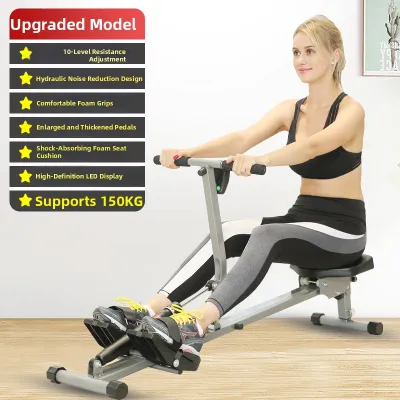
Prices are valid at publication and may change. Please refer to the product page for the latest price.
The movement of the seat along the monorail creates a continuous rolling sound. This is caused by the rollers gripping the metal rail, which can become louder if dust or debris accumulates. Additionally, the internal return spring that retracts the handle makes a soft mechanical hum or clicking sound during the recovery phase of your stroke.
Evaluating the Impact on HDB Neighbors
In a typical HDB layout, airborne noise travels through open windows, main door gaps, and shared service yards. The wind noise from a vigorous rowing session can easily carry into the common corridor or a neighbor’s living room if windows are kept wide open. While concrete walls provide decent acoustic insulation, thin partition walls or shared ventilation shafts can still let high-frequency sounds pass through.

The more critical issue in high-density housing is structure-borne vibration. Every time you drive off the footplates and slide the seat back, kinetic energy transfers directly into the concrete floor slab. This low-frequency vibration travels downward and laterally, often manifesting as a dull, repetitive thumping sound in the flat directly below yours.
Living in an HDB flat requires mutual respect for shared spaces. Standard quiet hours in Singapore generally run from 10:30 PM to 7:00 AM. Operating a loud fitness machine during these hours increases the likelihood of friction with neighbors, making it essential to assess your typical workout times before setting up your equipment.
Practical Steps to Minimize Noise and Vibration
Placing a high-density, specialized fitness mat under the air rower machine is the most effective way to isolate structure-borne noise. Look for thick rubber or closed-cell foam mats designed specifically for heavy cardio equipment. Ensure the mat covers both the heavy flywheel housing at the front and the rear support leg under the monorail to absorb the impact of your leg drive.
Regular upkeep keeps mechanical noise to a minimum. Dust accumulation inside the fan cage restricts airflow and can cause the flywheel to wobble or make uneven whistling sounds; vacuuming the cage periodically prevents this. For chain-driven models, applying a light lubricant to the chain reduces friction, while wiping down the monorail with a damp cloth ensures the seat rollers glide silently without grinding against grit.
You can manage your acoustic footprint by adjusting how you train. Opting for steady-state, lower-stroke-rate workouts during early mornings reduces the peak wind noise compared to high-intensity interval training (HIIT). If you must train during sensitive hours, focus on smooth, controlled power application rather than explosive, rapid movements.
Comparing Air Rowers with Alternative Cardio Machines
If noise is your primary constraint, comparing resistance types is crucial. Magnetic rowers are the quietest option, using magnets to create resistance without moving air or chains. Water rowers produce a rhythmic, low-frequency splashing sound that many find more soothing than the high-pitched rush of an air fan, though they still transfer some vibration to the floor.
While magnetic rowers offer near-silent operation, they lack the dynamic response of an air rower machine. On an air rower, the resistance naturally increases the harder you pull, mimicking the physics of real water rowing. Transitioning to a magnetic model means losing this organic feedback, as resistance remains constant regardless of your stroke speed unless manually adjusted.
If a rowing machine seems too risky for your HDB layout, consider other compact cardio options. Magnetic spin bikes and ellipticals operate almost silently because they do not involve sliding seats or wind resistance. They also have a smaller footprint and generate significantly less structural vibration, making them highly compatible with apartment living.
Frequently Asked Questions (FAQ)
Can I use an air rower late at night in an HDB?
Using an air rower late at night in an HDB flat is generally not recommended. During the quiet hours of the night, ambient neighborhood noise drops significantly, making the wind rush of the flywheel and the structural vibrations through the floor highly noticeable to your neighbors. If you must exercise late, stick to low-intensity, slow-stroke sessions, use a thick dampening mat, and close your windows to contain the airborne sound.
Do magnetic rowers make less noise than air rowers?
Yes, magnetic rowers are substantially quieter than air rowers. Because they rely on magnetic fields rather than spinning fan blades to generate resistance, they eliminate aerodynamic wind noise entirely. Most magnetic models also use quiet rubber belts instead of metal chains, making them a much more neighbor-friendly choice for close-quarters apartment living.
Community discussion
Share your experience or ask a question. Comments are reviewed before publication.