
Liquid chalk is generally safe for indoor gym and climbing use, but its safety is highly conditional. It offers a significant advantage over traditional loose chalk by drastically reducing airborne dust, which helps maintain cleaner air in enclosed training spaces. However, because most liquid chalk formulations rely on alcohol as a solvent, safety ultimately depends on your skin sensitivity and the facility’s ventilation. If you experience persistent coughing, skin cracking, or redness, you should immediately discontinue use and consult a healthcare professional.
Respiratory Considerations in Enclosed Gym Spaces
Loose chalk consists of fine magnesium carbonate particles that easily become airborne when clapped, squeezed, or brushed. In an indoor climbing gym or weightlifting area, these particles can remain suspended in the air for hours, especially in facilities with limited air turnover. This airborne dust can irritate the lungs and airways of anyone in the vicinity, making respiratory comfort a major concern for frequent gym-goers.
Liquid chalk binds magnesium carbonate in an alcohol-based liquid or gel. When applied, the liquid coats the hands directly without releasing clouds of dust. This mechanism significantly lowers general inhalation exposure for both the user and others in the gym. For indoor climbing gyms in Singapore, where high outdoor humidity makes air-conditioned, enclosed spaces the norm, minimizing airborne dust is crucial for maintaining acceptable indoor air quality.
Products mentioned in this guide
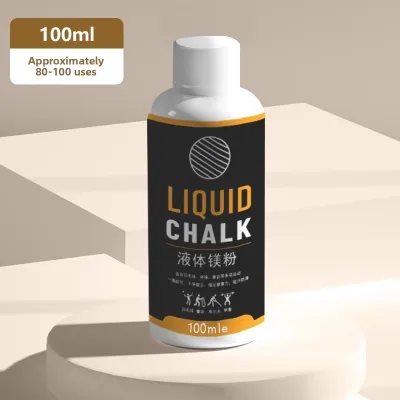
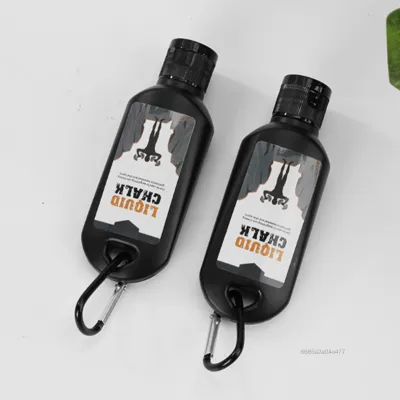

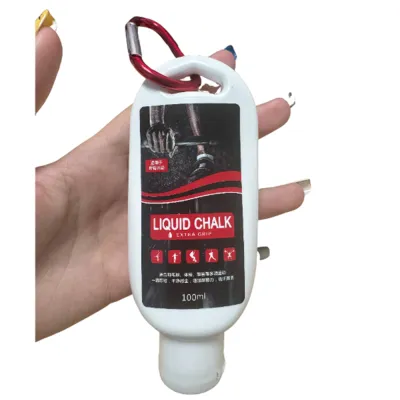
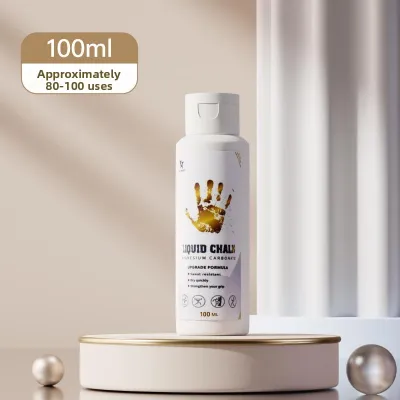
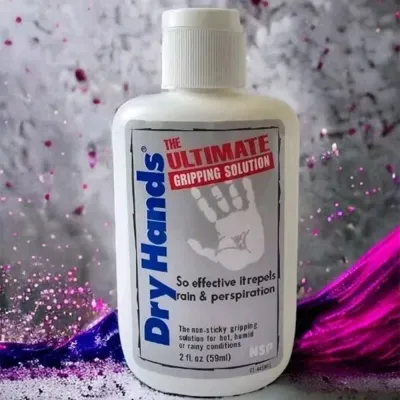

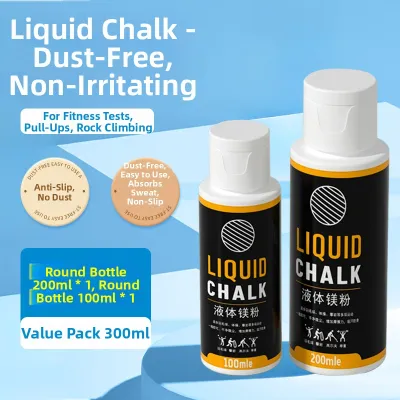
Prices are valid at publication and may change. Please refer to the product page for the latest price.
However, the solvent—typically isopropyl or ethyl alcohol—must evaporate to leave the dry chalk barrier. This evaporation process releases alcohol vapors into your immediate breathing zone. In enclosed gym spaces, the dispersion of these vapors depends heavily on the building’s mechanical ventilation system. Well-designed indoor facilities utilize active air exchange systems to dilute these fumes quickly, but smaller or poorly ventilated training areas can allow vapors to accumulate.
You should remain aware of observable signs of respiratory discomfort during application. These include a tickle in the throat, sudden coughing fits, watery eyes, or mild lightheadedness. If you or those around you experience these symptoms, stop applying the chalk immediately, step away to a well-ventilated area or outdoors, and verify if the gym’s ventilation systems are fully operational.
Skin Health: Drying Effects and Sensitivity Risks
To understand how liquid chalk affects your skin, it helps to look at its primary chemical mechanism. The alcohol base is formulated to strip away moisture and natural oils rapidly so the magnesium carbonate can bond evenly to your skin. While this creates an exceptionally dry, high-friction surface perfect for gripping plastic holds or barbells, it also temporarily compromises your skin’s natural moisture barrier.

During extended indoor sessions—which often last several hours in climate-controlled, low-humidity gym environments—this continuous stripping of oils can lead to excessive skin dryness. Over time, the skin on your palms and fingers may lose its elasticity. This lack of moisture can lead to painful cracking, peeling, or “flappers,” which are painful tears of dry skin that pull away during intense climbing movements.
Beyond simple dryness, some users may experience contact dermatitis or allergic reactions. These reactions are often triggered not by the magnesium carbonate itself, but by secondary ingredients such as artificial scents, essential oils, or chemical binding agents added to keep the chalk in suspension. If you have a history of eczema or sensitive skin, these additives can quickly cause flare-ups.
Monitor your hands closely for observable signs of irritation. Redness, itching, burning sensations upon application, or small bumps are clear indicators that your skin is reacting poorly to a specific formulation. If these signs appear, it is important to wash the product off immediately and switch to a sensitive-skin formula or alternative grip aid.
Managing these risks requires a consistent post-session skin care routine. As soon as your session ends, wash your hands thoroughly with mild, fragrance-free soap and cool water to remove all residual chalk and alcohol. Follow this immediately with a high-quality, lipid-rich moisturizer or climbing salve to help restore the skin barrier and promote cellular repair before your next workout.
Navigating Indoor Gym Rules and Chalk Etiquette
Indoor climbing and fitness facilities operate under strict air quality and maintenance standards. Because loose chalk dust settles on structural beams, clogs ventilation filters, and coats electronic equipment, many modern indoor gyms actively prefer or mandate the use of liquid chalk. By enforcing these rules, facilities can maintain a healthier breathing environment for all members and reduce the load on their HVAC systems.
Before packing your gear, always verify the specific rules of the facility you plan to visit. Some gyms permit loose chalk only in designated chalk balls, while others ban loose chalk entirely, requiring liquid chalk for all climbing walls or weightlifting platforms. Checking these guidelines beforehand prevents disruptions to your training session and respects the facility’s staff.
Proper application technique is also a key component of gym etiquette. Apply liquid chalk sparingly, squeezing a small, coin-sized amount into your palm and rubbing your hands together away from your face. Avoid shaking your hands vigorously while the liquid is still wet, as this can fling wet, alcohol-laden droplets onto safety mats, shared climbing holds, or nearby gym-goers. Allow the product to dry completely into a solid white coating before touching any equipment to prevent leaving greasy, half-dried smudges on shared surfaces.
Best Practices for Safe Liquid Chalk Application
Safe usage begins with reading the manufacturer’s label carefully. Look for the ingredient list to identify the type of alcohol used and check for any added fragrances or drying agents that might trigger personal sensitivities. If you have sensitive skin, prioritize formulations with minimal ingredients and no added perfumes.
When applying liquid chalk, always keep your hands well away from your face, eyes, and open wounds. Inhaling the wet vapors directly from your palms can cause immediate coughing or nasal irritation, while accidental contact with your eyes can lead to severe stinging and chemical irritation. If accidental eye contact occurs, flush the eye immediately with clean, lukewarm water for several minutes.
Let the chalk dry completely—usually taking about 15 to 30 seconds—before you begin climbing or lifting. Gripping holds while the chalk is still damp not only reduces its friction-enhancing properties but also transfers wet residue onto the equipment, making it slick and hazardous for the next user.
Finally, establish clear stop conditions for your session. If you notice persistent skin irritation, deep painful cracks, or respiratory discomfort that does not subside when you step away from the climbing wall, stop using the product immediately. Equipment and grip aids are meant to assist your performance, but they should never override your physical well-being or safety judgment. If symptoms persist after washing your hands and resting, seek advice from a qualified healthcare professional.
Frequently Asked Questions (FAQ)
Can I use liquid chalk if I have asthma or respiratory sensitivities?
While liquid chalk significantly reduces the amount of airborne dust compared to loose chalk, it is not entirely risk-free for individuals with asthma or respiratory sensitivities. The evaporating alcohol vapors can act as a chemical trigger for sensitive airways, potentially causing coughing, wheezing, or shortness of breath. If you have a pre-existing respiratory condition, prioritize medical advice from your doctor before using these products. If you choose to try it, perform a small test application in a highly ventilated area, keep your quick-relief inhaler nearby, and stop use immediately if you experience any breathing difficulties.
Does liquid chalk leave residue on gym equipment or climbing holds?
Yes, liquid chalk still leaves a physical residue on gym equipment and climbing holds, though it is generally less messy than the loose powder alternative. As the alcohol evaporates, the magnesium carbonate binds tightly to the skin, but friction during climbing or lifting will inevitably transfer some of this chalk to plastic holds, barbells, and pull-up bars. Over time, this residue can build up, filling in the texture of the holds and actually reducing grip safety for subsequent users. To maintain a safe training environment, always follow your gym’s guidelines by using a stiff-bristled brush to clean holds or wiping down equipment after your set.
Is liquid chalk safe for children using indoor climbing gyms?
Liquid chalk can be used by children in indoor climbing gyms, but it requires close adult supervision to ensure safety. Children are more likely to accidentally rub their eyes, nose, or mouth while the chalk is still wet, which can cause painful stinging due to the alcohol content. Additionally, children’s skin is typically thinner and more sensitive than adult skin, making them more prone to rapid drying and irritation. Parents or guardians should monitor the application process, ensure the child keeps their hands away from their face until the chalk is dry, and wash the child’s hands thoroughly with soap and water immediately after their climbing session.
Community discussion
Share your experience or ask a question. Comments are reviewed before publication.