
The Babolat Pure Aero is one of the most recognizable tennis rackets on the market, famous for its association with professional players who dominate with heavy spin and explosive power. However, for a beginner stepping onto the court for the first time, this pro-level frame is rarely the most suitable starting point. While its aerodynamic design and spin-friendly string pattern are highly appealing, the racket’s inherent stiffness and weight demand a level of physical conditioning and technical consistency that most beginners have yet to develop. Choosing a racket is a balance of matching the equipment’s specifications to your current physical capabilities and playing style, rather than selecting a model based on professional endorsements.
Understanding the Babolat Pure Aero's Core Characteristics
To evaluate if this racket fits your current game, you must first understand its structural design. You can verify the racket’s stiffness by checking the manufacturer’s RA rating, which is typically printed directly on the frame’s throat or listed in the official specifications. A higher RA rating indicates a stiffer frame. The standard model of this racket features a relatively high stiffness rating, which means the frame bends less upon ball impact. While this stiffness maximizes energy return to the ball for explosive power, it also reduces the dwell time of the ball on the strings, requiring precise timing and control from the player to keep the ball in play.
Additionally, the physical construction of the frame utilizes an aerodynamic beam shape designed to cut through the air quickly. This design increases swing speed, but it also means the racket requires a fast, full swing to perform as intended. The static weight of the standard model sits around 300 grams unstrung, which, when combined with its swing weight, demands significant forearm and shoulder strength. Finally, the open string pattern is engineered specifically to facilitate string movement and snapback, which generates heavy topspin. If your swing path is not yet calibrated to brush up on the ball, this spin-oriented design can result in an erratic launch angle, making it difficult to establish a consistent rally.
Products mentioned in this guide
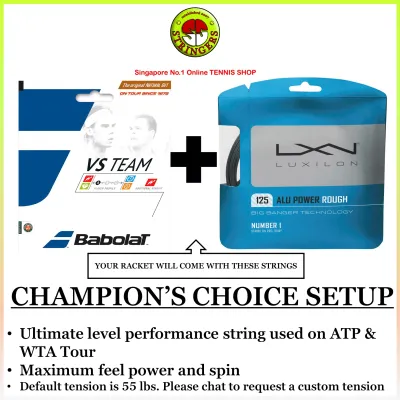
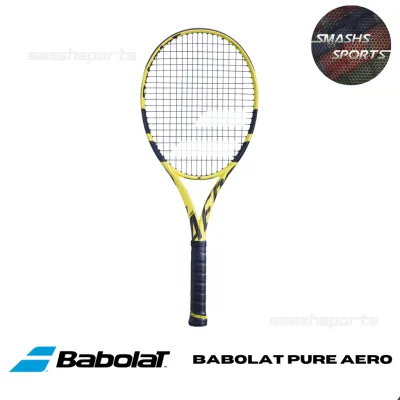
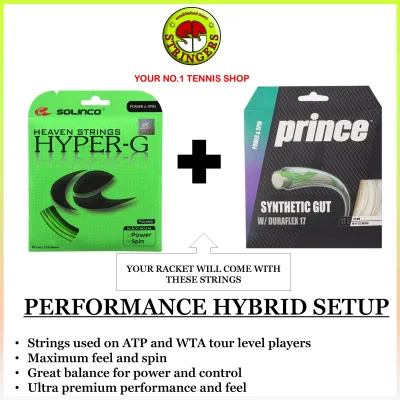


Prices are valid at publication and may change. Please refer to the product page for the latest price.
Skill Level Self-Check: Do You Need a Pro-Level Frame?
Before committing to a high-performance frame, it is essential to conduct an honest self-check of your current technical skills. Beginners are still developing the fundamental mechanics of the forehand and backhand, which often results in inconsistent contact and varied swing paths. A stiff, powerful racket like the Pure Aero does not offer much built-in control; instead, it amplifies the energy of your swing. If your stroke timing is slightly off or your contact point is late, this extra power will often send the ball sailing past the baseline, leading to high unforced error rates and frustration during practice.

Your developing playing style also dictates whether this frame is appropriate. The aerodynamic design and open string pattern are optimized for players who swing with a steep, low-to-high path to generate heavy topspin. If you naturally hit the ball flatter, or if you rely on defensive blocks and slices to keep the ball in play, the racket’s high launch angle can make flat shots highly unpredictable. A beginner’s primary goal is to build muscle memory through repetitive, clean rallies, which is much easier to achieve with a frame that prioritizes control and predictability over raw spin potential.
Furthermore, consider the forgiveness factor of your equipment. Dedicated beginner or game-improvement rackets typically feature larger head sizes, often exceeding 105 square inches, which provides a generous sweet spot. The standard Pure Aero has a 100-square-inch head. While this head size offers excellent precision for intermediate and advanced players, it leaves a much smaller margin for error for a novice. Off-center hits on a smaller, stiffer frame not only lose depth and power but also send harsh vibrations directly into your hand, hindering your learning curve.
Physical Readiness: Assessing Strength and Arm Health
Your physical conditioning is just as important as your technical skill when selecting a racket. The standard model’s unstrung weight of approximately 300 grams may not sound heavy when holding it in a shop, but after an hour of continuous play in Singapore’s warm, humid climate, that weight can feel significantly heavier. A heavy static weight combined with a high swing weight requires robust grip strength and shoulder endurance. If your muscles fatigue quickly, your swing speed will drop, your contact point will drift backward, and you will struggle to maneuver the racket quickly at the net.
Arm health is another critical variable to verify before purchasing a stiff racket. Because a stiff frame absorbs less energy during ball impact, a larger portion of the shock is transmitted directly through the handle into your wrist, elbow, and shoulder. If you have any pre-existing joint sensitivities, or if you are prone to tendonitis (such as tennis elbow), playing with a stiff frame can exacerbate these conditions. Beginners are particularly vulnerable to arm strain because they frequently hit the ball outside the sweet spot, which dramatically increases the amount of shock transmitted to the arm.
To assess your physical compatibility, pay close attention to warning signals during a test session. If you experience a dull ache in your elbow or shoulder during or after play, or if you notice your wrist dragging behind your swing, these are clear indicators of a physical mismatch. A proper racket should feel like an extension of your arm, allowing you to complete a full follow-through without feeling sluggish or experiencing joint discomfort. If you must alter your natural swing path just to cope with the weight or vibration, the racket is too demanding for your current physical conditioning.
Decision Paths: Should You Buy, Adjust, or Look Elsewhere?
If you are an athletic beginner with a background in other racket sports, a strong physical foundation, and access to regular coaching, you may be able to grow into the standard model over time. In this scenario, your rapid physical and technical development can help you adapt to the racket’s demands, allowing you to leverage its spin and power capabilities as your game transitions into the intermediate level.
However, if you prioritize comfort, have a history of arm discomfort, or prefer a more deliberate, flat-hitting style, you should look elsewhere. A lighter, more flexible frame with a larger head size will provide a much safer and more enjoyable learning experience. Starting with a more forgiving racket allows you to focus on mastering your footwork and stroke mechanics without fighting your equipment.
If you already own the racket and want to make it more suitable for your current level, you can employ several mitigation strategies. First, avoid stiff polyester strings, which are designed for advanced players who break strings frequently. Instead, opt for a soft multifilament or synthetic gut string. In Singapore’s humid conditions, strings can lose tension rapidly, so stringing the racket at the lower end of the manufacturer’s recommended tension range (typically around 50 to 53 pounds) will soften the string bed, expand the sweet spot, and reduce the harsh vibrations transmitted to your arm. Adding a high-quality overgrip can also improve comfort and secure your hold on the handle.
Frequently Asked Questions (FAQ)
Is the Babolat Pure Aero Lite a better option for beginners?
Yes, the lighter variants, such as the Lite or Team models, are generally much better suited for beginners than the standard version. These models feature a significantly lower static weight, often ranging between 270 and 285 grams unstrung, which greatly improves maneuverability and reduces physical fatigue. This makes them ideal for junior players transitioning to adult rackets, female players, or any adult beginner who wants the aerodynamic benefits of the line without the physical strain of a heavy, pro-level frame.
What strings should a beginner use with the Babolat Pure Aero?
Beginners should strictly avoid stiff polyester monofilament strings, as they require high swing speeds to generate depth and can cause severe arm strain when paired with a stiff frame. Instead, choose a high-quality multifilament or synthetic gut string. These materials are much softer, offering excellent shock absorption, comfort, and easy power. Stringing the racket at a lower tension will further cushion the impact, helping to protect your joints while you refine your technique.

Community discussion
Share your experience or ask a question. Comments are reviewed before publication.