
Selecting the ideal basketball requires evaluating where you play and how you handle the ball. The Molten BG4550 is a premium composite leather basketball designed to bridge the gap between elite indoor performance and rugged outdoor durability. If you primarily play on indoor hardwood or smooth, painted outdoor courts, this ball offers the precise grip, consistent bounce, and tactile responsiveness required to elevate your game. However, if your daily runs take place on rough, unpainted asphalt, or if you require an immediate soft feel without any break-in time, other specialized alternatives may serve you better. Deciding whether to invest in this model comes down to analyzing your typical court environment, your specific role on the team, and your tactile preferences.
Diagnose Your Primary Court Surface and Conditions
The ground beneath your feet dictates how your basketball behaves and how long it survives. To determine if the Molten BG4550 aligns with your setup, you must first categorize your primary court surface. Indoor hardwood courts represent the gold standard of playing environments, offering a pristine, debris-free surface that maximizes grip and minimizes material abrasion. Smooth outdoor courts, such as painted concrete surfaces or synthetic polymer tiles common in community centers across Singapore, offer a middle ground. They provide decent traction but accumulate fine dust and environmental debris over time. Rough outdoor courts, including unpainted asphalt or gravel-mixed concrete, present the most hostile environment for any basketball, acting like sandpaper against the outer cover.
Surface roughness directly influences the rate of material wear and the consistency of your grip. On pristine indoor courts, the natural oils from your hands and the clean surface allow composite leather to maintain its tackiness indefinitely. On outdoor courts, however, fine dust particles settle into the microscopic pores of the ball’s cover, creating a barrier between your fingertips and the material. This dust accumulation can turn a high-grip ball into a slippery liability during fast-paced plays. Furthermore, the high friction of rough asphalt rapidly grinds down the pebble texture of the ball, leading to premature balding and a loss of handling control.
Products mentioned in this guide
Prices are valid at publication and may change. Please refer to the product page for the latest price.
Different court surfaces demand specific material compositions to perform optimally. Full-grain leather is reserved almost exclusively for indoor use, as it requires a long break-in period and degrades rapidly when exposed to outdoor elements. Heavy-duty rubber is the go-to choice for rough outdoor courts due to its low cost and high resistance to abrasion, though it lacks the soft touch and moisture management of synthetic materials. Composite or synthetic leather, which is the category the Molten BG4550 occupies, aims to deliver the soft feel of genuine leather while providing the environmental resilience needed to withstand smooth outdoor environments.
Before heading out to play, always observe the current condition of your court. Moisture levels, temperature, and loose debris not only affect your traction but also impact the ball’s physical properties. High humidity can cause moisture to condense on outdoor painted courts, making them highly slippery. Dust and small leaves can accumulate in the corners of outdoor courts, presenting slipping hazards and clinging to the ball’s grooves. Checking these environmental factors helps you decide whether to use a premium composite ball or switch to a basic rubber ball to preserve your equipment and ensure personal safety.
Assess Your Playing Style and Ball-Handling Preferences
Your role on the court and your physical handling preferences are just as critical as the court surface when choosing a basketball. Ball-dominant guards, who rely on rapid crossovers, hesitation dribbles, and precise passing, require a ball with deep channels and a highly reliable grip. For these players, a ball that slips even slightly can lead to turnovers or missed opportunities. The depth of the seams allows the fingertips to find purchase quickly, enabling sudden changes of direction and secure ball control under pressure.

Shooters, on the other hand, prioritize consistent bounce, a soft tactile feel, and clear seam alignment. When preparing for a jump shot, a shooter needs to feel the seams quickly to establish proper backspin. The ball must feel balanced in the hand, with no lopsided weight distribution that could alter the flight path. A predictable, uniform bounce off the court is essential for developing the muscle memory required for catch-and-shoot scenarios, where split-second adjustments make the difference between a make and a miss.
Interior players, such as forwards and centers, focus on durability and secure catching. These players frequently battle for rebounds in crowded paint areas, where physical contact is high and the ball is subjected to high-impact deflections. They need a ball that is easy to secure with two hands, even when covered in sweat, and one that does not deform after repeated impacts against the metal rim or backboard. A firmer, more robust cover material helps maintain the ball’s structural integrity over long periods of heavy physical play.
Tactile preferences vary widely among players, particularly regarding moisture management. Some players prefer a highly tacky feel that almost sticks to the hands, which is highly beneficial in dry indoor conditions. Others, especially those who sweat heavily or play in humid environments, require a moisture-absorbing cover that prevents the ball from becoming slick during intense games. Understanding whether you prefer a dry, firm touch or a soft, cushioned feel will guide you toward the right material specification. Additionally, consider your skill level and patience; some premium balls require a dedicated break-in period before they reach their optimal softness, while others are ready for gameplay straight out of the box.
Match Your Needs with the BG4550’s Design and Material Profile
To determine if the Molten BG4550 is the right match, you must evaluate its specific design features against your playing profile. Start by verifying the material specifications on the product label or the manufacturer’s official documentation. The BG4550 features a premium composite leather cover designed to simulate the feel of natural leather while offering enhanced durability. This material is engineered to absorb moisture, helping to maintain a secure grip even when your hands are sweaty. If your primary court diagnosis points to indoor hardwood or smooth, painted outdoor courts, this composite leather profile is well-suited to your needs.
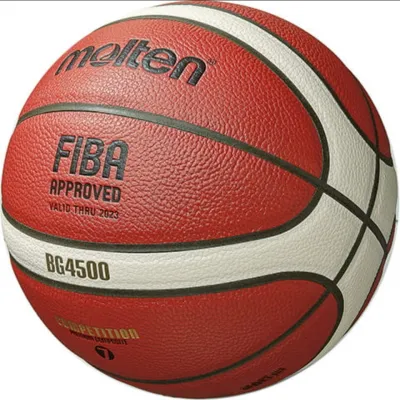
One of the most distinctive features of the Molten BG4550 is its signature 12-panel design, which contrasts with the traditional 8-panel layout used by many other brands. This 12-panel configuration increases the surface area of the seams, providing more edges for your fingertips to grip during shooting and passing. The color contrast of the multi-panel design also aids in visual tracking, allowing players and coaches to easily judge the rotation and spin of the ball in mid-air. The pebble pattern on the BG4550 is designed to maximize contact area, offering a consistent feel across the entire surface of the ball.
Before making a purchase, always verify the ball size and look for official certifications on the packaging. For adult male players and standard competitive leagues, a Size 7 ball is the standard. Female players and youth divisions typically require a Size 6 or Size 5 ball. The Molten BG4550 often carries official FIBA (International Basketball Federation) approval logos, indicating that it meets strict international standards for weight, rebound height, sphericity, and moisture absorption. Checking for these official stamps ensures you are training with a ball that matches the specifications used in official competitions.
Maintaining your BG4550 properly will extend its lifespan and preserve its playing characteristics. Because composite leather can absorb dust from outdoor courts, it is highly recommended to wipe the ball down with a clean, damp cloth after each session. Avoid using harsh chemical detergents or submerging the ball in water, as this can damage the synthetic fibers and weaken the adhesive holding the panels together. Additionally, be aware that premium composite materials often require a brief break-in period. The ball may feel slightly stiff or slick when first inflated, but regular dribbling and passing drills will soften the cover, allowing it to reach its optimal tactile performance.
When to Consider Alternative Basketballs for Your Setup
While the Molten BG4550 is a highly versatile basketball, certain playing conditions and budgets make alternative options more practical. If your primary playing venue consists of rough, unpainted asphalt or gravel-mixed concrete, a premium composite leather ball is not the most cost-effective choice. The abrasive surface will quickly wear down the outer cover, smoothing out the pebble texture and compromising the grip within a few weeks of frequent play. In this scenario, you should verify heavy-duty rubber models or specialized outdoor-specific composite balls designed with reinforced covers to withstand high friction.
Conversely, if you play exclusively on pristine indoor hardwood courts and demand the absolute highest standard of performance, you might want to explore top-tier genuine leather basketballs. Genuine leather offers an unmatched, luxurious feel and self-adjusts to the moisture on your hands over time, though it requires a much longer break-in period and comes at a higher price point. If your budget allows and you never step foot on an outdoor court, investing in a dedicated indoor-only leather ball can provide a superior long-term playing experience.
Budget and replacement frequency are critical trade-offs to consider. A premium composite ball like the BG4550 represents a mid-to-high tier investment. If you play high-frequency pickup games outdoors where the ball is frequently lost, scuffed, or exposed to rough elements, a lower-cost outdoor ball may offer better practical value. This allows you to replace the ball more frequently without a significant financial burden, ensuring you always have a functional grip without worrying about preserving an expensive piece of equipment.
Finally, wet or highly humid weather conditions demand caution. Standard composite leather balls are not designed to be used on wet courts or during rain. Moisture compromises the grip, makes the ball heavy, and can cause the internal bladder or outer seams to degrade. If you frequently play in unpredictable weather or on courts that do not dry quickly, you should look for water-resistant rubber alternatives. Always prioritize safety: playing on a wet court presents severe slip hazards for your footwear, and no basketball, regardless of its grip rating, can compensate for a lack of traction on a wet surface.
Frequently Asked Questions (FAQ)
How long does it take to break in a composite leather basketball?
The break-in period for a composite leather basketball like the Molten BG4550 typically takes between one to two weeks of regular use, depending on how frequently you play. To accelerate this process safely, engage in daily dribbling and passing drills on a clean surface. Avoid using artificial heat sources, hair dryers, or harsh conditioning chemicals, as these can dry out the synthetic materials, warp the panels, or degrade the internal bladder.
Can I use an indoor/outdoor basketball on wet courts?
You should strongly avoid playing on wet courts due to the high risk of slipping and personal injury. From an equipment standpoint, prolonged exposure to water can damage the composite leather cover, cause the seams to swell, and ruin the ball’s grip. If your basketball does get wet, wipe it down immediately with a dry towel and allow it to dry naturally in a well-ventilated room at room temperature; never use direct heat.
Community discussion
Share your experience or ask a question. Comments are reviewed before publication.