
Living in a compact Singapore HDB flat requires a thoughtful approach to purchasing any fitness or recovery equipment. With limited square footage, every item brought into the home must justify its footprint. The Theragun Mini presents an appealing proposition for those seeking professional-grade muscle recovery without the bulk of traditional massage chairs or large foam rollers. If you are tight on space but prioritize daily physical recovery, this compact device offers a highly practical solution that balances portability with functional power.
However, deciding whether it is truly worth the premium price tag depends on your specific living arrangements and recovery needs. While its ultra-portable design makes it incredibly easy to store in a small bedroom drawer, it does come with trade-offs in reach and motor power compared to its full-sized counterparts. For casual fitness enthusiasts, runners, and office workers dealing with daily muscle tension, the device serves as an excellent space-saving companion. For those requiring deep, clinical-grade percussion therapy, a closer look at its technical limitations is necessary before making the investment.
Space and Storage: Fitting the Theragun Mini into Compact Rooms
One of the most significant advantages of a compact percussion device is how easily it integrates into the restricted storage layouts of modern HDB flats. Newer BTO flats often feature smaller bedrooms where traditional recovery tools, such as long foam rollers or yoga wheels, can quickly become unsightly clutter. The physical footprint of this mini massager, along with its soft carrying case, is designed to fit comfortably inside standard wardrobe drawers, bedside tables, or even a small basket in your household shelter.
Products mentioned in this guide
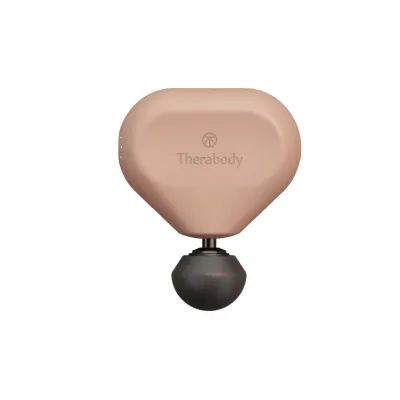
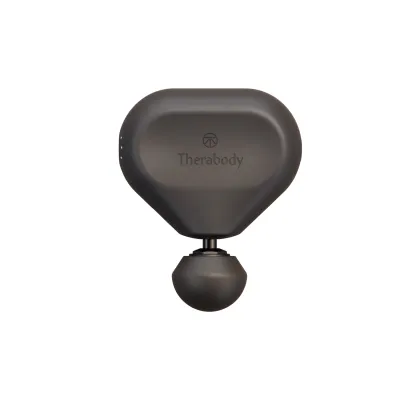
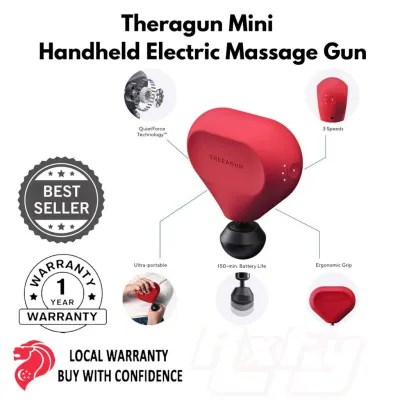
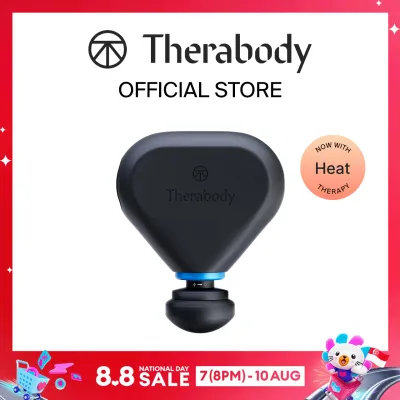
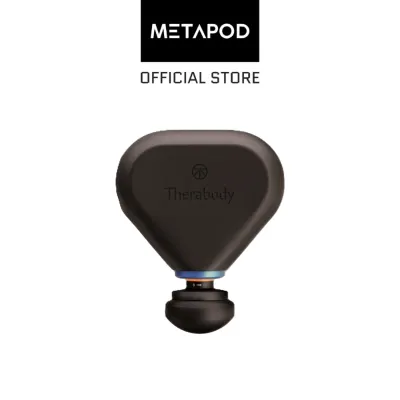
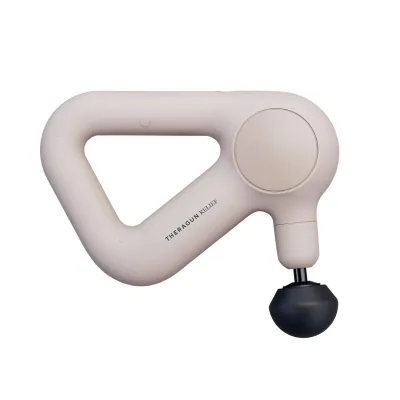
Prices are valid at publication and may change. Please refer to the product page for the latest price.
Unlike larger fitness equipment that demands dedicated floor space, this device requires absolutely no permanent setup. You do not need to clear a corner of your living room or worry about tripping over cords in a narrow hallway. Its self-contained design means you can easily retrieve it for a quick session and tuck it away immediately after use, keeping your living areas tidy and spacious.
Organizing the charging accessories and various attachments is equally straightforward in a small home. Because the device utilizes a compact charger and a limited number of interchangeable heads, you can keep everything contained within its original travel pouch. This eliminates the risk of losing small parts in deep cabinets or cluttering your vanity table, a common frustration when managing multi-purpose living spaces.
Noise Levels and Shared Wall Considerations in HDB Flats
High-density living in Singapore means sharing concrete walls and floors with close neighbors, making acoustic output a critical factor when choosing electronic wellness devices. Sound travels easily through structural concrete, and a loud, vibrating motor can quickly become a nuisance during early morning workouts or late-night recovery sessions. Understanding how to manage the acoustic footprint of your device is essential for maintaining good relations with those living next door or sleeping in the adjacent room.

To assess the potential noise impact, you should verify the manufacturer’s decibel ratings, which are typically listed on the product packaging or official specifications sheet. However, it is important to note that these ratings usually measure the motor’s internal hum in a controlled environment. In a real-world HDB setting, the actual sound experienced is a combination of this motor hum and the physical impact of the attachment striking your muscle tissue.
The percussive action can create a rapid, low-frequency thumping sound that vibrates through furniture or floors if the device is rested on a hard surface while running. To minimize noise transfer, always operate the device on lower speed settings when working near bony areas or during quiet hours. Additionally, using the device while sitting on a soft sofa, bed, or a thick yoga mat can help absorb the vibrations, preventing the sound from echoing through your flat’s structure.
Performance Trade-offs: Portability Versus Deep Muscle Relief
While the compact form factor is ideal for small homes, users must weigh this portability against the device’s physical performance limits. To ensure the device can handle your typical training load, you should check the stall force and amplitude specifications on the official product packaging. Stall force dictates how much pressure you can apply before the motor stops, while amplitude determines how deep the percussive stroke penetrates the muscle tissue.
Because of its smaller motor, a mini device naturally features a lower stall force and a shorter amplitude than full-sized professional models. This means that if you require deep, intense muscle penetration to relieve severe tightness, you may find the motor stalling under heavy pressure. For general muscle maintenance, light recovery, and everyday tension relief, however, the compact motor provides more than enough power.
Another key consideration is the ergonomic grip and reach. The compact, triangular design is highly portable and easy to hold, but it lacks the extended, adjustable arm found on larger models. This makes it challenging to reach specific areas of your own body, such as the mid-back, shoulder blades, or deep glutes, without straining your wrist or requiring assistance from a family member. If your primary recovery needs are focused on easily accessible areas like the calves, thighs, and shoulders, the mini format remains highly effective.
Evaluating the Price Against Other Space-Saving Recovery Tools
Investing in a premium percussion massager represents a significant S$ commitment, especially when compared to simpler, non-electronic recovery tools. Basic manual alternatives, such as high-density foam rollers, massage balls, or lacrosse balls, cost a fraction of the price and require no electrical power. While these manual tools are highly space-efficient, they require significant physical effort and floor space to use effectively, which may not always be convenient after a tiring day.
When comparing the premium price tag against budget-friendly mini massagers available on various online marketplaces, build quality and long-term durability become the primary differentiators. Premium devices typically offer superior motor calibration, more consistent battery life, and ergonomic designs that reduce vibration feedback to your hand. Some models also feature smart app integration via Bluetooth, providing guided routines that help you target specific muscle groups effectively.
Before committing to this investment, it is highly recommended to check the warranty terms, return policies, and the availability of local service centers in Singapore. Purchasing from authorized local retailers ensures that you have access to reliable customer support and replacement services should the battery or motor encounter issues. A solid local warranty protects your investment and ensures your recovery routine is not interrupted.
Final Decision Checklist for Small Home Residents
To help you decide if this compact recovery tool is the right fit for your HDB home, consider the following practical checklist:
- Storage Space: Do you have a dedicated drawer or shelf space of approximately 20cm by 20cm to store the device and its pouch?
- Noise Sensitivity: Will you be using the device during quiet hours (10 PM to 7 AM) when low-frequency vibrations might disturb family members or neighbors?
- Recovery Intensity: Are you a casual fitness enthusiast looking for general tension relief, or an athlete requiring deep-tissue percussion therapy?
- Budget Flexibility: Are you willing to pay a premium S$ price for ergonomic design, build quality, and local warranty support over cheaper alternatives?
Before making your final purchase online, consider visiting a local physical retail store or electronics showroom in Singapore. Testing the device in person allows you to feel its actual weight, assess the comfort of the grip, and experience the vibration intensity firsthand. This hands-on trial ensures that the device meets your physical expectations and fits seamlessly into your daily recovery routine.
Community discussion
Share your experience or ask a question. Comments are reviewed before publication.