
Quick Answer: Which BCD is Better for Warm Water Diving?
Choosing between a jacket-style and a back-inflate buoyancy control device (BCD) for warm-water diving in Southeast Asia comes down to balancing your personal diving experience, travel habits, and comfort preferences. Neither design is universally superior; instead, each serves different styles of underwater exploration. For divers navigating the shallow, biodiverse coral reefs of Singapore and neighboring islands, understanding how these systems affect your position in the water is key to making an informed choice.
Back-inflate BCDs generally offer superior horizontal trim and streamlining. By keeping the air bladder entirely behind you, they make it easier to maintain a flat, horizontal profile. This position is highly advantageous for reef diving, as it reduces drag and helps protect fragile marine life from accidental fin kicks. Conversely, jacket-style BCDs excel on the surface, providing effortless upright flotation that makes waiting for a dive boat simple and stress-free. They are often more forgiving for newer divers or those wearing thin tropical exposure suits, such as rash guards or 3mm shorties, which are standard in warm regional waters. Ultimately, your personal comfort, buoyancy mastery, and physical compatibility with the gear matter far more than the specific style you select.
Core Differences: How Jacket and Back-Inflate BCDs Work
To choose the right gear, you must first understand how each design distributes air and structures your kit. In a traditional jacket-style BCD, the air bladder wraps around your torso, extending under your arms and across your chest. When you inflate a jacket BCD, the air surrounds your body, creating a wearable cushion of air. These systems are typically sold as all-in-one units, featuring built-in padding, integrated weight pockets, and large zippered utility pockets on the sides. They are highly intuitive, which is why they remain the standard rental equipment at most dive centers worldwide.
Products mentioned in this guide
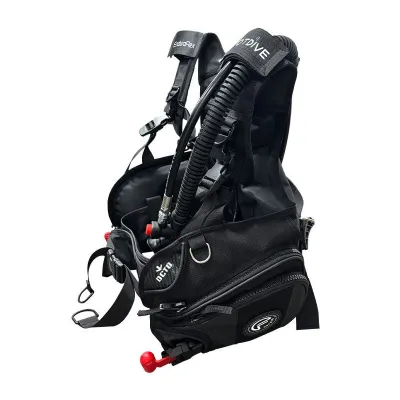
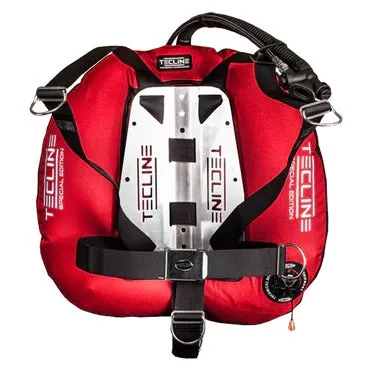
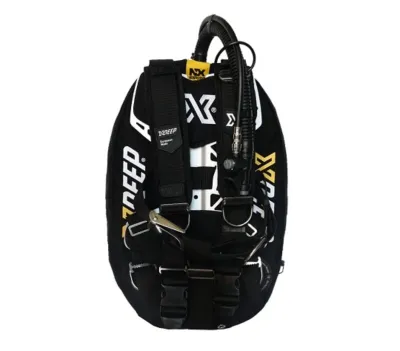
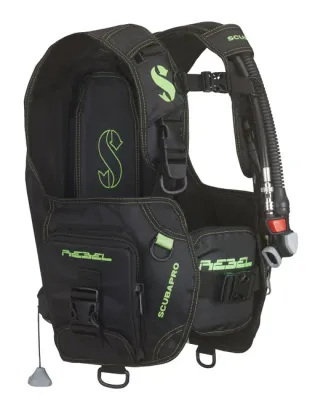
Prices are valid at publication and may change. Please refer to the product page for the latest price.

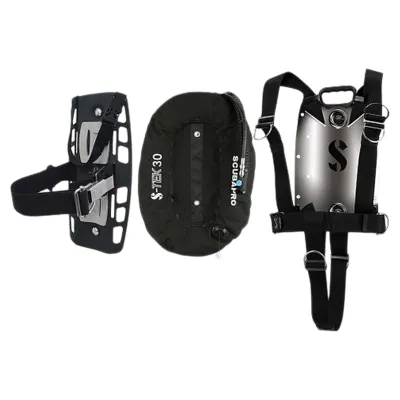
In contrast, a back-inflate BCD—often referred to as a wing-style system—features a bladder located entirely on your back, sandwiching the air between your cylinder and your body. The front of the BCD consists of a minimalist harness, leaving your chest and waist completely free of bulky air chambers. This category includes both integrated back-inflate recreational BCDs and modular backplate-and-wing (BP&W) systems. Modular systems allow you to pair a rigid metal or soft fabric backplate with a harness and a detachable wing bladder. This comparison focuses specifically on single-tank recreational setups, which are the standard configuration for warm-water sport diving across Southeast Asia.
Comfort and Fit in Tropical Conditions
The choice of BCD significantly impacts your physical comfort, both while floating at the surface and while swimming underwater. When you are waiting for a boat pickup in choppy waters off Batam or Tioman, surface comfort is a major consideration. A jacket-style BCD naturally keeps you floating in a vertical, head-up position with minimal effort. You can relax completely, inflate the jacket, and float high out of the water. A back-inflate BCD, however, tends to push your torso forward when fully inflated on the surface because the lifting force is concentrated behind you. To counter this “face-plant” tendency, you must learn to lean back slightly, adjust your weighting, and use gentle fin kicks to maintain an upright posture.
Once you submerge, the comfort dynamic shifts. When a jacket-style BCD is fully inflated, the expanding bladder can squeeze your chest and ribcage, creating a restrictive sensation. This squeeze is especially noticeable in warm tropical waters where you are not wearing a thick, cushioning neoprene wetsuit. In contrast, a back-inflate BCD keeps your chest entirely clear. Because the bladder expands away from your body on your back, you experience zero chest squeeze, allowing for deep, unrestricted breathing. This open-chest design feels incredibly liberating when diving in a simple rash guard or thin exposure suit.
However, the minimalist design of back-inflate harnesses requires careful attention to padding. Without a thick wetsuit to protect your skin, a bare webbing harness can cause painful chafing on your shoulders, collarbones, and waist during a multi-dive day. When selecting a back-inflate system for tropical use, look for models that feature integrated shoulder padding and a cushioned back pad. Alternatively, you can slide aftermarket neoprene pads onto a standard webbing harness to ensure a comfortable fit against thin fabric.
Buoyancy Control and Trim Underwater
Achieving excellent horizontal trim is one of the most rewarding aspects of diving, particularly when navigating delicate marine environments. Back-inflate BCDs naturally assist you in achieving a horizontal, streamlined “skydiving” position underwater. Because the lifting force of the bladder is aligned directly with the downward weight of your scuba cylinder, your body naturally settles into a flat profile. This streamlined position reduces water resistance, which in turn lowers your exertion, conserves your air supply, and allows for longer, more relaxed dives.
Maintaining a streamlined profile is also a critical component of reef conservation. In shallow, fragile reef environments like those found around Bintan or the Southern Islands of Singapore, a dangling console or an upright body position can easily lead to accidental coral damage. Because back-inflate systems promote a flat trim, your legs and fins remain elevated, well away from the delicate sea floor. Furthermore, air management is highly predictable in a back-inflate wing. The air remains in a single, centralized chamber behind you, making it easier to vent air through your rear dump valves without having to roll or sit upright in the water.
Jacket-style BCDs, while highly functional, present more complex air routing challenges. Because the air can migrate freely around your sides and chest, slight shifts in your body position can cause air to trap in the upper or lower portions of the bladder. This migration can cause your legs to drop, forcing you into a diagonal swimming angle that increases drag and raises the risk of kicking the reef. While jacket BCDs are incredibly forgiving of minor buoyancy mistakes, they require more active effort to maintain a perfectly flat horizontal trim compared to their back-inflate counterparts.
Travel Practicality: Packing for Regional Dive Trips
For divers based in Singapore, weekend trips to regional dive destinations are a common highlight. Whether you are taking a ferry from Tanah Merah Ferry Terminal or catching a budget flight to Bali or Phuket, the weight and bulk of your dive gear are major practical considerations. Jacket-style BCDs are notoriously bulky. Their built-in padding, rigid internal backplates, and large side pockets do not compress easily, meaning they occupy a significant portion of a standard travel bag and can quickly push you over airline weight limits.
Back-inflate systems, particularly travel-specific wings or modular backplate-and-wing setups, offer exceptional packability. Because the front of the harness is minimalist and the wing bladder can be completely deflated and folded flat, these systems pack down to a fraction of the size of a traditional jacket. You can easily roll a travel wing and harness into a compact carry-on bag, leaving plenty of room for your regulator and mask. This portability makes back-inflate systems highly popular among frequent flyers and weekend travelers who prefer to travel light.
If you opt for a modular backplate-and-wing system, you must pay close attention to the material of the backplate. A heavy stainless steel backplate is excellent for cold-water diving because it reduces the amount of lead weight you need to carry on your belt, but it can weigh up to 3 kilograms on its own. For tropical travel, an aluminum backplate or a soft, fabric-based travel plate is a much wiser choice. These lightweight alternatives keep your luggage within budget airline limits while still providing a stable, secure platform for your cylinder.
Additionally, maintaining your gear in humid tropical climates requires consideration. High humidity levels in Southeast Asia can make it difficult for dive gear to dry completely, leading to the growth of mold, mildew, and unpleasant odors. Back-inflate systems are generally easier to maintain because their simple, single-chamber bladders are straightforward to rinse and drain. Many wings feature a central zipper that allows you to access the inner bladder directly, making it easy to wipe down, inspect, and dry thoroughly before packing it away in storage.
Weighting Systems and Harness Adjustability
Managing your ballast is another critical factor when diving in highly buoyant tropical saltwater. Most modern jacket-style BCDs feature integrated weight pocket systems. These systems allow you to slide weight pouches directly into secure slots on the sides of the BCD, eliminating the need for a traditional, uncomfortable weight belt. While integrated weight pockets are highly convenient and easy to ditch in an emergency, they do add significant bulk and weight to the BCD unit itself when lifting it onto a boat or carrying it to the water.
Back-inflate divers frequently use a combination of weighting methods. While some recreational back-inflate models feature integrated weight pockets, many modular backplate systems rely on a traditional weight belt or small, bolt-on weight pockets attached directly to the tank cam bands. Placing weight on the tank bands helps balance the buoyancy of the wing, but it requires you to be comfortable lifting and managing a heavier tank-and-BCD assembly on the boat deck.
Harness adjustability also differs dramatically between the two styles. Jacket BCDs are equipped with quick-release shoulder buckles and adjustable chest straps, allowing you to tighten or loosen the fit instantly on the fly. This adjustability is highly convenient if you frequently share your gear with family members or buddies of different sizes. Conversely, many backplate-and-wing systems use a continuous, single-piece webbing harness. While this design provides an incredibly secure, custom fit that moves perfectly with your body, adjusting it requires manual routing through metal tri-glides, which can be time-consuming and requires a basic understanding of harness configuration.
Decision Framework: How to Choose Your BCD
To make your final decision, evaluate your current diving skills, your long-term diving goals, and your travel habits against these specific criteria.
Choose a Jacket-Style BCD If:
- You are a newly certified diver who is still building confidence in buoyancy control and basic underwater skills.
- You prioritize effortless, upright flotation at the surface during long surface swims or while waiting for boat pickups.
- You prefer the convenience of an all-in-one, ready-to-dive system with integrated weight pockets and large, easily accessible utility pockets.
- You want a highly adjustable harness that can be easily resized for different users or varying exposure suits.
Choose a Back-Inflate BCD If:
- You have established solid buoyancy control and want to perfect a streamlined, horizontal trim to protect fragile coral reefs.
- You prefer an unobstructed chest and waist area, allowing for unrestricted breathing and easy access to accessories.
- You travel frequently within Southeast Asia and need a lightweight, highly packable BCD that fits easily into compact luggage.
- You want a customizable, durable system that can grow with your diving skills, potentially transitioning into technical diving in the future.
Verify First If: Before committing to a purchase, it is highly recommended to rent or borrow both styles of BCD. Arrange a test dive in a controlled pool environment or at a calm, shallow local dive site, such as the Sisters’ Islands Marine Park, to evaluate how each style handles on the surface and underwater. Always consult the manufacturer’s size charts, lift capacity specifications, and user manuals to ensure the BCD fits your body shape and provides adequate lift for your weight and cylinder size. Remember, no piece of equipment can replace proper training, regular practice, and conservative diving judgment.
Frequently Asked Questions (FAQ)
Can I use a back-inflate BCD for my Open Water certification?
Yes, you can absolutely use a back-inflate BCD for your Open Water course, provided your instructor is comfortable with the configuration. However, because back-inflate systems tend to push you forward on the surface, you will need to focus more on learning how to manage your body position and weighting while floating. Many dive centers utilize jacket-style BCDs for entry-level training because they are highly intuitive and automatically keep students upright at the surface. If you choose to train in a back-inflate BCD, dedicate extra time during your pool sessions to mastering surface comfort and trim adjustments.
Do I need a metal backplate for diving in Southeast Asia?
A metal backplate is not mandatory for tropical diving, and your choice should depend on your travel style. Heavy stainless steel backplates are highly durable and help reduce the amount of lead weight you need on your belt, but they can make your travel luggage excessively heavy. For diving in the warm waters of Southeast Asia, a lightweight aluminum backplate or a soft fabric travel harness is highly recommended. These lightweight alternatives provide excellent stability for single-tank diving while keeping your gear light and easy to transport on regional ferries and budget flights.
Which BCD style is better for underwater photography?
Back-inflate BCDs are widely considered the superior choice for underwater photographers. Because a back-inflate system leaves your chest, stomach, and sides completely unobstructed, it eliminates the bulk of side pockets and inflated bladders. This clean front profile makes it much easier to hold a camera housing close to your body, look down a viewfinder, and access accessories like strobe arms, focus lights, or slates. Additionally, the natural horizontal trim promoted by back-inflate systems helps photographers hover steadily in place without disturbing the surrounding marine life or kicking up silt from the sea floor.
Community discussion
Share your experience or ask a question. Comments are reviewed before publication.