
Selecting the right protective equipment is one of the most critical decisions you will make as a martial artist. In Taekwondo, where rapid footwork, high-velocity kicks, and sudden defensive blocks define the sport, your safety directly influences your training consistency and skill development. Finding the right kangrui taekwondo protective gear is essential for safeguarding your body while refining your kicks, blocks, and stances. This guide provides a comprehensive framework to help you evaluate and choose the ideal helmets, knee guards, and ankle guards tailored to your training environment, skill level, and personal physical requirements.
Protective equipment is designed to mitigate the risk of impact-related injuries, but it must never be treated as a substitute for proper technique, coaching supervision, and personal judgment. Before using any protective gear, you must understand your physical limits and ensure you are training under qualified instruction. If you experience pain, dizziness, or joint instability during training, stop immediately and seek professional medical advice. Always check the manufacturer’s safety specifications and care labels for your specific gear before your first training session.
Core Selection Criteria for Kangrui Taekwondo Gear
Your journey to selecting the right kangrui taekwondo gear begins with a clear assessment of your training intensity. If your sessions primarily consist of shadow sparring, target pad work, and light bag drills, your primary needs are flexibility and lightweight comfort. For these activities, minimalist gear that offers basic compression and light foam padding is generally sufficient. However, if your training involves active, full-contact sparring, you must prioritize maximum shock absorption and structural coverage to shield your joints and head from high-impact collisions.
Products mentioned in this guide
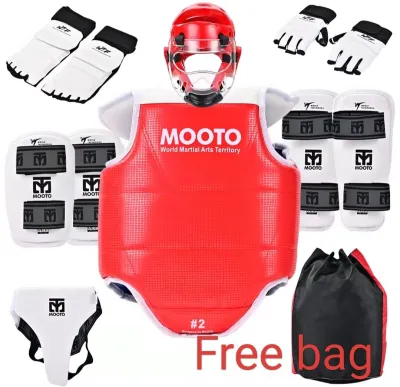
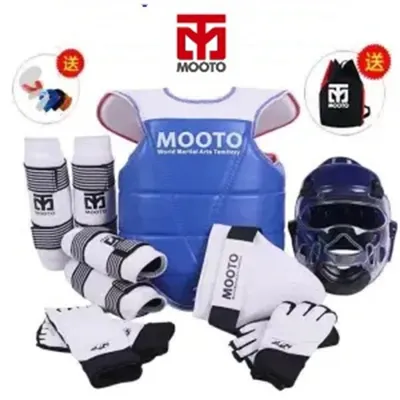
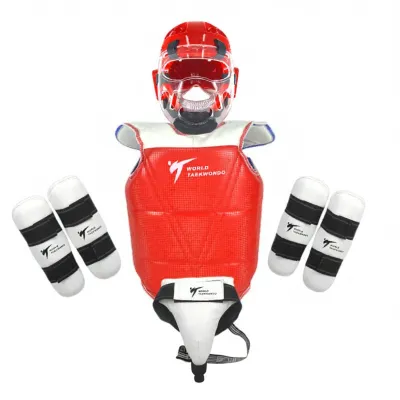
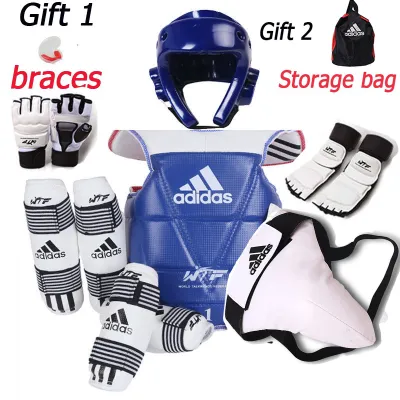
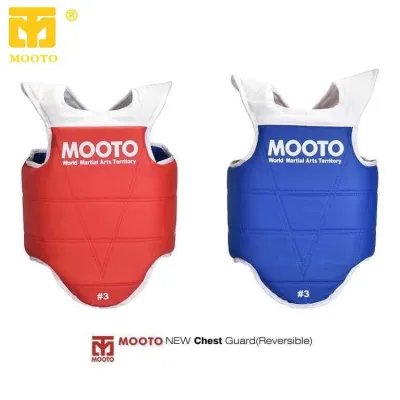
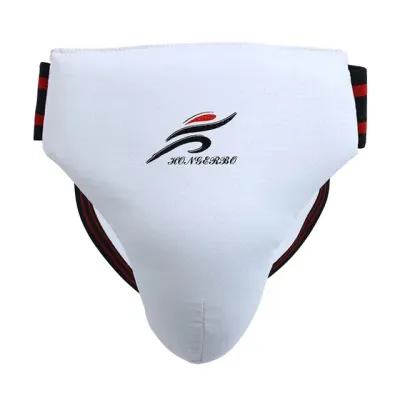
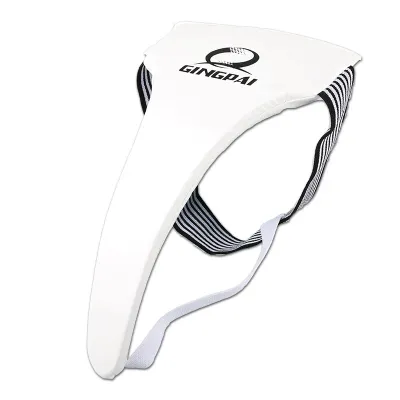
Prices are valid at publication and may change. Please refer to the product page for the latest price.
Regulatory compliance is another crucial factor if you plan to transition from dojang training to formal competition. In Singapore, official tournaments sanctioned by local governing bodies typically require protective gear that carries the World Taekwondo (WT) approval mark. Before purchasing, check the product descriptions and images for the official WT logo. Using non-approved gear in a sanctioned match can lead to disqualification, so verifying this certification early saves you from having to purchase a second set of competition-compliant gear later.
Your age, physical development, and skill level also dictate the structural specifications of the gear you need. Children’s protective gear is engineered with softer, more pliable foam to accommodate developing bones and lower impact forces, prioritizing comfort and ease of movement. Conversely, adult gear features denser, multi-layered padding designed to disperse the significantly higher kinetic energy generated by adult athletes. Beginners should lean toward comprehensive protection to build confidence, while advanced practitioners might optimize for streamlined gear that maximizes speed.
Finally, you must balance the trade-off between maximum protection and physical mobility. While it may be tempting to buy the thickest, most heavily padded gear available, excessive bulk can severely hinder your speed, alter your kicking mechanics, and cause premature fatigue. In a fast-paced sport like Taekwondo, speed is a vital component of defense. Select gear that provides targeted protection to vulnerable impact zones while maintaining a streamlined profile that allows your limbs to move naturally through their full range of motion.
Choosing Kangrui Headgear for Sparring Protection
When evaluating headgear for Taekwondo sparring, you must first choose between open-face and full-face designs. Open-face helmets are the standard for competitive Taekwondo because they offer an unobstructed field of view, allowing you to detect incoming high kicks from your peripheral vision. They also provide superior ventilation, which is a major advantage during intense sparring sessions. If you engage in heavy, non-regulated sparring where facial impacts are a primary concern, a full-face design featuring an integrated chin guard or a removable face shield offers extra protection for the nose, jaw, and cheeks, though it slightly reduces peripheral vision and airflow.

To ensure the helmet provides adequate shock dispersion, you should verify the internal padding specifications. High-quality headgear typically utilizes high-density EVA (Ethylene-Vinyl Acetate) foam, which absorbs and spreads the force of sudden impacts across a wider surface area. Additionally, look for a helmet lined with non-slip, moisture-wicking synthetic materials. This lining prevents the helmet from sliding down over your eyes when you sweat, which is especially important in Singapore’s warm and humid training environments.
Visibility and hearing are critical for maintaining situational awareness and safety on the mats. When trying on a helmet, verify that the ear guards are designed with built-in ventilation holes or acoustic channels. These channels prevent the helmet from muffling ambient sound, ensuring you can hear your coach’s instructions and the referee’s commands clearly during a match. The brow line of the helmet must also sit securely above your eyebrows, providing clear upward visibility so you do not lose sight of an opponent’s high kicks.
Adjustability is the final key element in securing a safe, reliable fit. Look for headgear that features a robust rear closure system, such as a wide velcro strap, a lace-up system, or an adjustable dial. A secure closure prevents the helmet from shifting or twisting when you absorb a blow or execute rapid head movements. If a helmet shifts during a dynamic exchange, it can block your vision or expose vulnerable areas of your skull, making a precise, adjustable fit a non-negotiable safety requirement.
Selecting Kangrui Knee Guards for Impact and Mobility
Knee protection in Taekwondo requires a careful balance between joint stabilization and the flexibility needed for deep stances and high kicks. Sleeve-style knee guards are typically made of elasticized fabric or neoprene, offering mild compression, joint warmth, and light impact protection. These are ideal for daily technical training, pad work, and recovery. In contrast, strapped or shell-style knee guards feature reinforced padding or semi-rigid inserts designed to withstand direct bone-on-bone impacts, making them necessary for heavy sparring where knee-to-shin or knee-to-knee collisions are common.
Before purchasing, verify the padding thickness and overall coverage area from the manufacturer’s specifications. Effective knee guards should feature ergonomically segmented padding that wraps securely around the patella (kneecap) to absorb direct shocks. Depending on your personal vulnerability or past injuries, you may want to choose a guard that extends slightly downward to cover the upper shin, or one that features lateral padding to protect the sides of the joint during accidental side-impact collisions.
Slippage is a common and frustrating issue with knee guards during repetitive kicking drills. To prevent the guard from sliding down your leg, look for non-slip features such as internal silicone grip strips along the upper and lower cuffs. Ergonomic, multi-panel stitching that mirrors the natural bend of the knee joint also helps keep the guard in place. Adjustable elastic straps positioned above and below the calf can provide customized tension, ensuring the guard remains firmly anchored even during explosive jump kicks.
Given the tropical climate of Singapore, breathability and moisture management are essential for long-term comfort and skin hygiene. Knee guards made of heavy, non-ventilated materials can trap heat and sweat, leading to skin chafing, rashes, and material degradation. Prioritize guards that incorporate breathable mesh backings, perforated neoprene, or moisture-wicking fabrics. These materials facilitate airflow behind the knee, keeping your joints cool and dry throughout extended training sessions.
Picking Ankle Guards for Stability and Support
Ankle guards in Taekwondo serve a dual purpose: they protect the delicate bones of the foot and ankle from impact while providing joint stability during rapid pivots and lateral movements. Simple compression sleeves offer mild support, improve local blood circulation, and help manage minor swelling. However, for active sparring, you should look for structured ankle guards that feature reinforced padding over the instep and Achilles tendon, along with lateral support bands that help guard against common inversion or eversion sprains.
When evaluating an ankle guard, pay close attention to the elasticity of the material. The fabric must offer firm, supportive compression to stabilize the joint, but it must not be so tight that it restricts blood circulation or limits your ankle’s natural range of motion. You need to be able to flex, extend, and pivot your foot smoothly to maintain proper kicking form. Verify that the material blend (such as a nylon, spandex, and polyester mix) provides resilient stretch and recovers its shape after repeated stretching.
Compatibility with your training surface and footwear is another important consideration. Because Taekwondo is traditionally practiced barefoot on specialized foam mats, your ankle guards must provide reliable traction. Look for designs with open-heel and open-toe configurations to ensure your bare skin maintains direct contact with the mat, preventing slips. If you occasionally train outdoors or wear specialized Taekwondo sparring shoes, verify that the ankle guard is thin and streamlined enough to fit inside your shoes without bunching up or causing painful pressure points.
Finally, inspect the seam placement and edge finishing of the ankle guards in the product images. Because your ankles are constantly flexing and pivoting, poorly placed or thick, rigid seams can rub against your skin, causing painful friction burns, chafing, or blisters. Opt for guards constructed with flatlock stitching and soft, bound edges. This seamless feel minimizes skin irritation, allowing you to focus entirely on your footwork and technique during long, high-intensity training sessions.
Sizing, Fit, and Pre-Purchase Checks for Kangrui Gear
To get the maximum protection and comfort from your protective gear, you must find the correct fit. Do not rely on generic sizing labels like Small, Medium, or Large, as sizing standards can vary significantly between brands. Instead, take precise physical measurements using a flexible measuring tape. For headgear, measure the widest circumference of your head, about two centimeters above your eyebrows. For knee guards, measure the circumference around the center of your patella while standing. For ankle guards, measure the circumference just above your ankle bones.
+-----------------------+-------------------------------------------------------------+
| Gear Type             | Measurement Location                                        |
+-----------------------+-------------------------------------------------------------+
| Headgear / Helmet     | Circumference of the head, 2 cm above the eyebrows          |
| Knee Guards           | Circumference around the center of the patella (standing)   |
| Ankle Guards          | Circumference of the lower leg, just above the ankle bones  |
+-----------------------+-------------------------------------------------------------+
To ensure you receive genuine products, accurate specifications, and a reliable return policy, always purchase your gear from authorized sports retailers, official brand stores, or reputable online sports marketplaces. Counterfeit or sub-standard protective gear often uses cheap, low-density foam that fails to absorb impacts properly, putting you at a much higher risk of injury. Authorized sellers also provide clear product descriptions, making it easier to verify material specifications and safety certifications.
Before completing your purchase, perform a final checklist of the gear’s physical details. If you plan to use the gear for official tournaments, zoom in on the product images to confirm the presence of the WT approved logo. Closely inspect the quality of the stitching along stress points, such as where straps attach to the main body of the guard. Check that the velcro closures are wide and deeply textured, which indicates they will remain securely fastened over time and resist wear from repeated fastening.
Lastly, review the manufacturer’s care and maintenance instructions before buying. Some materials require specialized hand-washing or specific cleaning agents to maintain their structural integrity and hygienic properties. Ensuring that you can easily clean and dry the gear within your daily routine will help you maintain excellent hygiene, prevent unpleasant odors, and prolong the overall lifespan of your protective equipment.
Frequently Asked Questions (FAQ)
How do I clean and maintain Kangrui foam protective gear?
To clean your foam protective gear, always refer to the manufacturer’s care label first. For standard maintenance, wipe down the exterior and interior surfaces with a soft cloth dampened with warm water and a small amount of mild, non-abrasive soap after every training session. Gently wipe away sweat and dirt, then use a clean, dry cloth to remove any excess moisture.
Never submerge your foam gear entirely in water, and avoid using harsh chemical cleaners, bleach, or alcohol-based sprays, as these substances can dry out and crack the EVA foam. Air dry your gear completely in a cool, well-ventilated indoor space away from direct sunlight, radiators, or high-heat sources. Do not wash your foam protective gear in a washing machine or dry it in a tumble dryer unless the product’s care label explicitly states that it is safe to do so.
Can I use Kangrui gear for official Taekwondo competitions in Singapore?
You can use this gear for official competitions in Singapore only if the specific model bears the official World Taekwondo (WT) approval mark. Sanctioned sparring tournaments have strict equipment regulations to ensure athlete safety, and referees will inspect your gear before you are allowed to step onto the competition mat.
Before purchasing, carefully check the product specifications and images for the WT logo, as some entry-level or training-grade models from the brand are designed exclusively for class practice and do not carry competition certification. If you are uncertain about the requirements, consult your dojo’s head instructor or contact the tournament organizers to verify their specific equipment guidelines before registering for an event.
How often should I replace my Taekwondo knee and ankle guards?
You should replace your knee and ankle guards based on their physical condition rather than a strict calendar schedule. Inspect your gear regularly for visible signs of wear and tear. Key indicators that your guards need immediate replacement include permanently compressed or cracked foam padding, stretched-out elastic bands that no longer provide firm compression, frayed stitching along major seams, or velcro straps that no longer stay securely fastened.
Using compromised protective gear significantly reduces its shock absorption and joint-stabilizing capabilities, increasing your risk of injury. If you engage in frequent, high-intensity sparring sessions, your gear will naturally wear out faster than if you only participate in light technical drills. As a general rule, if the gear no longer holds its shape, slides down during movement, or feels noticeably thinner under pressure, it is time to invest in a replacement set.
Community discussion
Share your experience or ask a question. Comments are reviewed before publication.