
Selecting the ideal personal fishing boat for Singapore’s diverse aquatic environments requires a clear understanding of how different watercraft perform under specific angling conditions. Whether you are targeting peacock bass in tranquil reservoirs or hunting pelagic species along coastal currents, the choice between a fishing kayak and a stand-up paddleboard (SUP) shapes your entire experience. Both platforms offer distinct advantages in mobility, storage, and stealth, but they also demand different physical capabilities and gear management strategies. Rather than searching for a universal winner, anglers must evaluate how each craft aligns with their physical comfort, target species, and the specific local waters they plan to fish.
Core Differences Between Fishing Kayaks and Paddleboards
Postural Dynamics and Fatigue
The most immediate difference between a fishing kayak and a paddleboard lies in your physical posture during a session. Kayaks position the angler in a seated posture, often utilizing adjustable, lawn-chair-style seats that provide significant lumbar support. This seated position lowers your center of gravity, reducing the physical effort required to maintain balance and allowing you to fish for hours with minimal core fatigue. Conversely, a paddleboard requires you to stand or kneel continuously. While standing offers an unparalleled field of vision and superior casting leverage, it also demands constant micro-adjustments from your legs and core to maintain stability, which can accelerate fatigue during long sessions.
Hull Design and Tracking
Hull architecture dictates how each craft interacts with wind and water. Fishing kayaks typically feature pronounced V-hulls, catamaran-style pontoon hulls, or displacement designs that cut through chop and maintain a straight line, known as tracking. These designs help the craft stay on course even when crosswinds or tidal currents attempt to push it sideways. Paddleboards generally utilize flatter planing hulls. While these flat profiles allow the board to skim over the water surface and turn with minimal effort, they are highly susceptible to wind drift, requiring constant paddle corrections to maintain your heading in open water.
Products mentioned in this guide
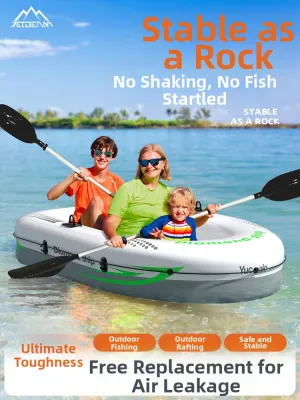
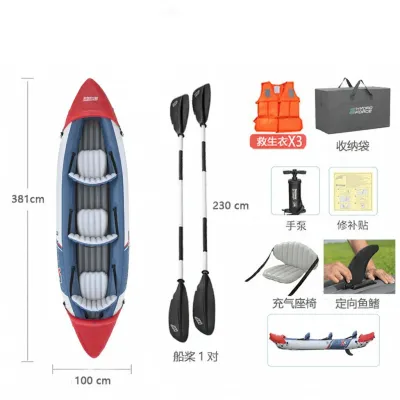
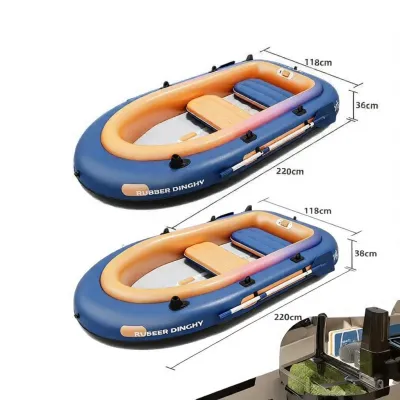
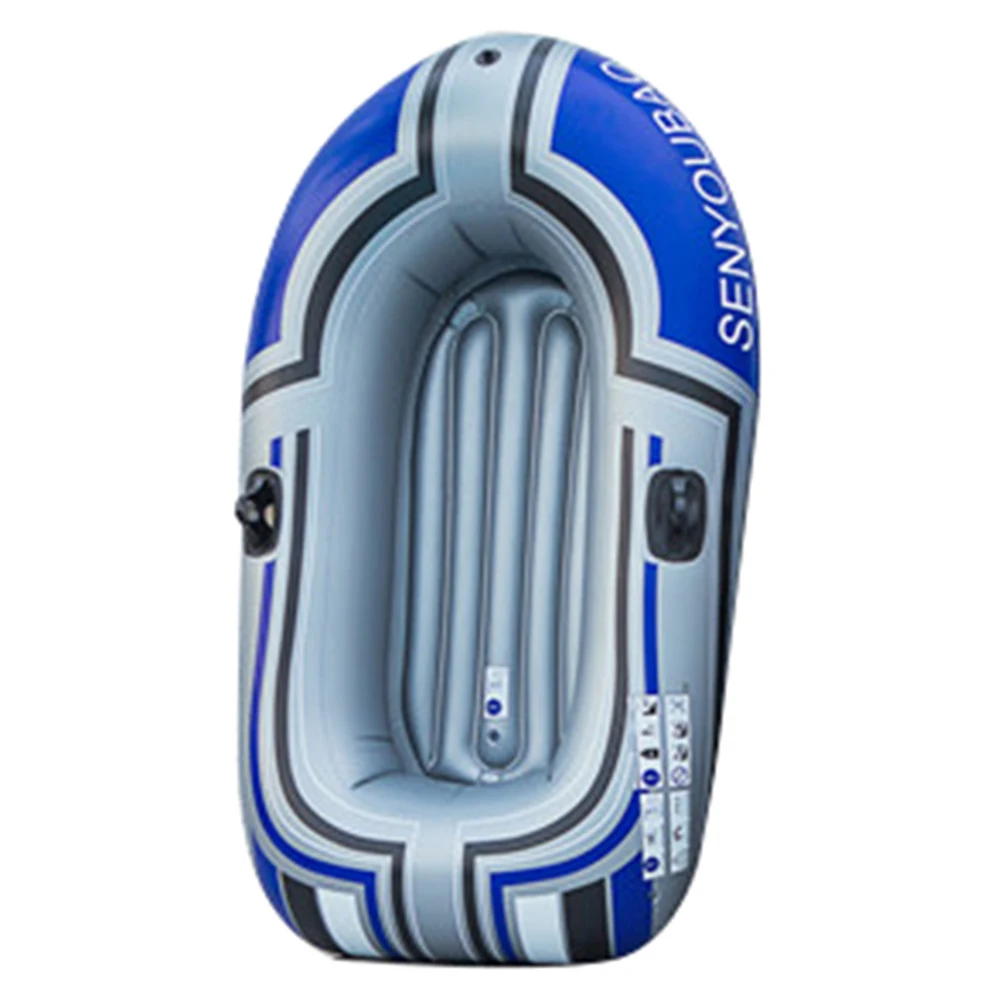
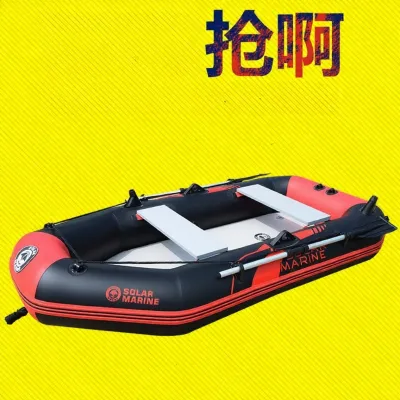
Prices are valid at publication and may change. Please refer to the product page for the latest price.
Propulsion and Hands-Free Operation
How you move across the water directly impacts your ability to present lures and manage your line. Traditional kayaks and paddleboards rely on manual paddles, which require you to put down your fishing rod whenever you need to reposition. However, many modern fishing kayaks feature pedal-drive systems, utilizing either rotational props or push-flippers powered by your legs. This pedal propulsion keeps your hands completely free to cast, retrieve, and fight fish while actively moving. While some specialized paddleboards can be retrofitted with small electric motors or manual pedal systems, they rarely match the integrated, hands-free efficiency of a purpose-built pedal kayak.
Matching the Platform to Your Fishing Style
Deep-Water and Multi-Rod Angling
Anglers who prefer trolling, using multiple rods, or carrying extensive tackle selections generally find a more accommodating platform in a fishing kayak. The lower center of gravity and molded-in rod holders allow you to manage several lines simultaneously without the risk of tipping. If you plan to use heavy sinkers, live bait setups, or deep-diving lures that exert significant drag on the rod, the stable, seated foundation of a kayak provides the necessary resistance to set hooks firmly in deep water.

Shallow-Water Sight Fishing and Stealth
For those who target species in shallow flats, sandy bays, or tight mangrove channels, the paddleboard offers a distinct tactical advantage. Standing on a paddleboard raises your eye level several feet above the water surface, drastically reducing glare and allowing you to spot fish, underwater structures, and sandbar transitions from a distance. Furthermore, the flat hull of a paddleboard glides silently over shallow water with minimal displacement, creating virtually no hull slap or underwater vibration to spook wary fish in quiet environments.
Endurance versus Active Mobility
Your choice should also reflect how you prefer to spend your energy during a trip. Kayaking is highly conducive to sustained endurance, making it easier to cover several kilometers to reach distant fishing spots without physical exhaustion. Paddleboarding, on the other hand, is an active, full-body workout. It appeals to anglers who view fishing as an athletic pursuit and prefer shorter, highly mobile sessions where they can quickly hop off the board to wade in shallow areas and climb back on to move to the next spot.
Navigating Singapore's Specific Water Conditions
Reservoirs versus Coastal Straits
Singapore’s inland reservoirs and coastal waters present vastly different environmental challenges. Enclosed reservoirs, such as Lower Seletar or Bedok Reservoir, feature relatively calm, protected waters where wind drift is the primary concern. In these environments, both kayaks and paddleboards perform exceptionally well, though paddleboards offer a peaceful, low-impact way to explore the shoreline. In contrast, coastal areas like the East Coast Park shoreline or the Johor Strait demand a craft that can handle strong tidal currents, sudden squalls, and wakes from passing commercial vessels. A kayak’s tracking ability and lower profile make it far safer and more manageable in these unpredictable coastal conditions.
Mangrove and Reef Flat Navigation
Navigating the intricate root systems of Khatib Bongsu or the shallow reef flats of the southern islands requires high maneuverability. Paddleboards excel in these tight spaces because they have a very shallow draft, allowing them to float in just a few centimeters of water. If you misjudge a turn and run aground, it is simple to step off a paddleboard onto a firm sandy bottom. Kayaks, particularly those with pedal-drive units or deep rudders, require more clearance and can easily get hung up on submerged roots or rocks, requiring you to retract the drive system and switch to a manual paddle.
Regulatory Compliance and Permits
Before launching any personal watercraft in Singapore, you must verify the specific rules enforced by local authorities such as the Public Utilities Board (PUB) and the National Parks Board (NParks). Fishing is strictly restricted to designated zones within specific reservoirs, and launching non-motorized vessels often requires registration or adherence to strict safety guidelines. Coastal waters are generally more open, but you must remain clear of shipping lanes, port limits, and restricted military zones. Always check the latest zoning maps and safety mandates to ensure your chosen craft is permitted in your intended fishing location.
Gear Storage, Rigging, and Customization Limits
Storage Configurations
The structural layout of your craft determines how much gear you can safely bring. Fishing kayaks are designed with storage in mind, featuring enclosed bow and stern hatches, center consoles, and large rear tank wells secured by bungees. This allows you to store spare clothing, safety gear, and tackle boxes inside the hull, keeping them dry and secure even in a rollover. Paddleboards offer a minimalist deck with limited storage options, typically relying on a few deck bungees. Anglers using paddleboards must pack light, utilizing waterproof dry bags and securing tackle boxes directly to the board’s surface or to a strapped-down cooler.
Weight Distribution and Freeboard
Every watercraft has a maximum weight capacity that must never be exceeded. Adding heavy gear, such as coolers filled with ice, tackle crates, anchor systems, and batteries, lowers the craft’s freeboard—the distance between the water line and the deck. On a kayak, excess weight can compromise drainage through the scupper holes, leading to a wet ride. On a paddleboard, overloading directly reduces stability, making the board sluggish and prone to washing over with water from minor swells. Always calculate your body weight plus the weight of all gear to ensure it remains well within the manufacturer’s recommended limits.
Rigging and Accessory Mounting
Customizing your craft with accessories can enhance your fishing efficiency, but the ease of installation varies. Many fishing kayaks come equipped with accessory tracks, molded-in rod holders, and dedicated transducer scuppers for mounting fish finders. Paddleboards require a more deliberate approach; because the deck is flat and often inflatable, mounting accessories usually involves gluing specialized D-ring pads, using suction mounts, or securing a multi-functional crate system to the deck bungees. Before purchasing accessories, verify their mounting compatibility and ensure they do not interfere with your paddling stroke or standing area.
Transport, Launching, and Daily Logistics
Hard-Shell versus Inflatable Logistics
The logistics of getting your craft to the water can be a deciding factor for urban anglers. Hard-shell kayaks and paddleboards offer immediate launch readiness and high durability, but they require a vehicle roof rack or a dedicated trailer, along with the physical strength to lift the craft onto the vehicle roof. Inflatable paddleboards and inflatable kayaks offer a highly convenient alternative for those living in high-rise apartments. These models can be deflated, rolled up, and stored in a backpack, making them easy to transport in a car trunk or even on public transport, though they require time and effort to inflate at the launch site.
Launch Site Accessibility
Launching your craft in Singapore often involves navigating public slipways, sandy beaches, or rocky shorelines at coastal parks. A heavy, fully rigged fishing kayak can weigh over 40 kilograms, making it difficult to transport from a parking lot to the water without a specialized kayak trolley. In contrast, even a fully rigged fishing paddleboard is relatively lightweight, often weighing under 15 kilograms. This lightweight profile allows you to carry the board under one arm directly to the water’s edge, opening up launch sites that are inaccessible to heavier wheeled kayaks.
Urban Storage Constraints
Before purchasing any personal watercraft, it is crucial to measure your available storage space at home. A standard hard-shell fishing kayak or paddleboard can measure between 3 to 4.5 meters in length, which can be extremely difficult to maneuver through HDB corridors, lifts, and service yards. If you do not have access to a private garage or a dedicated outdoor storage rack, an inflatable model is often the most practical choice, allowing you to store your entire setup in a standard closet or utility room.
Decision Matrix: Which Fishing Boat Fits You?
Choosing Your Ideal Platform
To finalize your decision, evaluate how your physical preferences, storage limits, and target locations align with each platform’s strengths.
Choose a kayak if:
- You plan to fish in open coastal waters where wind, currents, and waves require superior tracking and stability.
- You prefer long, multi-hour fishing sessions where a comfortable, supportive seat is essential to prevent fatigue.
- You want to carry multiple rods, electronics, and a large selection of tackle and safety gear.
Choose a paddleboard if:
- You primarily fish in shallow, calm waters, such as mangroves or flat sandy bays, where sight-casting is highly effective.
- You have limited storage space at home and require an inflatable option that fits inside a standard closet.
- You prefer a lightweight, highly portable setup that can be easily carried and launched by one person without a trolley.
Verify first if:
- Your vehicle can safely accommodate a roof rack if you choose a hard-shell model.
- Your physical balance and fitness levels are suited for standing and paddling for several hours.
- The specific reservoirs or coastal areas you plan to fish permit the use of your chosen watercraft type.
| Decision Factor | Fishing Kayak | Fishing Paddleboard |
|---|---|---|
| Primary Stability | High (seated, low center of gravity) | Moderate (requires active balance) |
| Storage Capacity | High (enclosed hatches, tank wells) | Low to Moderate (deck bungees, dry bags) |
| Speed & Tracking | Excellent (designed to cut through chop) | Moderate (susceptible to wind drift) |
| Shallow-Water Draft | Moderate (requires rudder/drive clearance) | Excellent (extremely shallow draft) |
| Transport Ease | Moderate to Low (heavy, requires trolley/rack) | High (lightweight, inflatable options) |
Frequently Asked Questions (FAQ)
Do I need a license or permit to use a kayak or paddleboard for fishing in Singapore?
In Singapore, you do not generally require a personal vessel license to operate a non-motorized kayak or paddleboard in open coastal waters. However, strict regulations apply to inland water bodies. If you plan to fish in reservoirs managed by the Public Utilities Board (PUB), you must only fish within designated zones and adhere to specific vessel guidelines. Additionally, certain coastal areas managed by the National Parks Board (NParks) or near port limits may have localized restrictions. Always verify current licensing requirements, safety equipment mandates (such as wearing a certified life jacket and carrying a whistle), and permitted zones with the relevant authorities before launching.
Can I add an electric motor to my fishing paddleboard?
Yes, it is possible to add an electric motor to a fishing paddleboard, but it requires careful consideration of the board’s structural limits. You will need a compatible mounting system, such as a reinforced transom mount or a specialized adapter that fits into the board’s center fin box. Before installing a motor, check the manufacturer’s specifications for maximum weight capacity and thrust limits to ensure the added weight of the motor and battery does not compromise the board’s stability or structural integrity. Furthermore, adding any motorized propulsion to a watercraft in Singapore may subject it to mandatory registration and licensing requirements with maritime authorities.
Which platform is safer for solo fishing in coastal waters?
For solo fishing in coastal waters, a fishing kayak is generally considered the safer option due to its superior tracking, lower wind profile, and secondary stability in rough chop. However, safety on either platform depends heavily on your preparation and skills. If you fish alone, you must be proficient in self-rescue techniques, such as re-entering a flipped kayak or climbing back onto a paddleboard from deep water. Regardless of your choice, always wear a properly fitted personal flotation device (PFD), check local weather forecasts and tide tables before heading out, carry a reliable communication device in a waterproof pouch, and make yourself highly visible to larger motorized vessels.
Community discussion
Share your experience or ask a question. Comments are reviewed before publication.