
Quick Answer: Kayak vs Paddleboard for Fishing
Transitioning from shore casting to boat fishing opens up a vast world of offshore structures, reefs, and remote reservoir banks in Singapore. However, choosing the right platform is critical to your safety and success on the water. Neither a kayak nor a stand-up paddleboard (SUP) is universally superior; the ideal choice depends on your physical comfort, target species, and logistical constraints.
Kayaks excel in seated comfort, heavy gear capacity, and tracking through choppy coastal waters. They provide a stable, low-profile platform that handles wind and strong currents efficiently, making them the preferred choice for long-distance journeys.
Paddleboards offer excellent standing visibility, an open deck layout, and effortless transport in high-density urban environments. They are ideal for minimalist anglers who prefer sight-fishing in shallow, calm waters and need a craft that is easy to store in a typical Singapore apartment.
Products mentioned in this guide
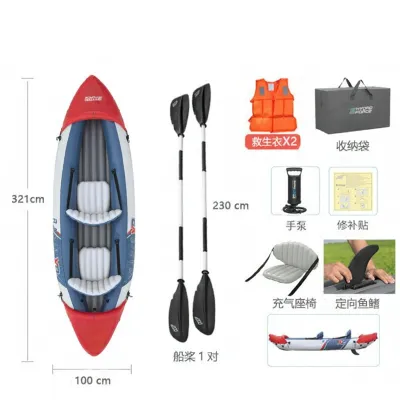
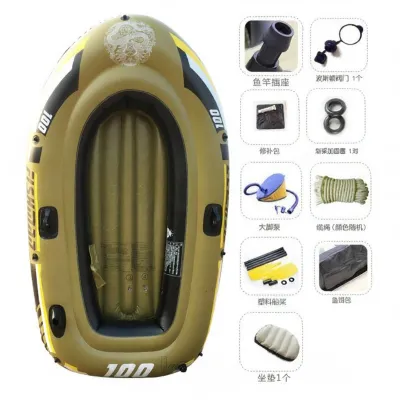
Prices are valid at publication and may change. Please refer to the product page for the latest price.
To make the right choice, you must weigh your need for gear storage and structural stability against your storage space and transport capabilities.
Comparing Stability, Tracking, and Boat Fishing Functionality
When evaluating a watercraft for boat fishing, you must understand how its design affects your ability to cast, hook, and land fish. Both kayaks and paddleboards offer distinct advantages, but they demand different physical skills and gear configurations.

Kayaks: Seated Stability and Gear Integration
Fishing kayaks are engineered to balance primary stability (how stable the craft feels when sitting still) and secondary stability (the craft’s resistance to capsizing when tilted by waves or weight shifts). Because your center of gravity remains low, a kayak provides a highly secure feeling, even when navigating choppy coastal swells or fighting strong-pulling species like barramundi or groupers.
The low seating position allows you to leverage your core strength when reeling in fish, reducing the risk of tipping. Additionally, many modern fishing kayaks feature pedal-drive systems. These hands-free propulsion mechanisms allow you to adjust your position against the current while keeping your hands on your rod, which is a significant advantage when fishing near structure.
Gear integration is where the kayak truly shines. Most fishing-specific models come equipped with built-in tracks, flush-mount rod holders, dedicated tackle hatches, and transducer mounts for fish finders. You can easily mount multiple rods, a GPS unit, a livewell, and a large cooler without compromising the craft’s balance.
However, the seated position limits your casting angles to a forward-facing arc and reduces your ability to see beneath the water’s surface. You must rely heavily on your electronics or rod sensitivity rather than visual sight-fishing. Furthermore, standing up in a standard kayak is difficult and requires a specialized, wider hull design that can be heavy and slow to paddle.
Paddleboards (SUP): Standing Versatility and Deck Space
Stand-up paddleboards designed for angling prioritize primary stability through increased width (typically 34 to 38 inches) and thickness (6 inches or more). This wide platform allows you to stand comfortably, giving you an elevated vantage point that is beneficial for sight-fishing. In clear, shallow waters, you can spot cruising fish, sandbars, and submerged structures long before they are visible from a seated position.
The completely open deck layout of a paddleboard provides unrestricted 360-degree casting. There are no high gunwales, consoles, or rod holders to snag your line during a backcast. This freedom of movement makes it easier to execute precise casts and work lures at various angles.
Despite these benefits, the stability learning curve on a paddleboard is steep. Because your center of gravity is high, you must constantly use your core and leg muscles to maintain balance, especially when shifting your weight to cast or fight a fish. Fighting a large, hard-fighting fish while standing requires excellent balance and coordination; a sudden run can easily pull an unprepared angler off balance.
Additionally, paddleboards are susceptible to wind drift. Without a deep keel or rudder, a strong breeze will push your board off course, forcing you to constantly put down your rod to paddle and correct your position. Gear capacity is also limited; while you can strap down a cooler or a small crate, you cannot carry the extensive array of gear that a kayak easily accommodates.
Storage, Portability, and Transport in an Urban Environment
Owning a fishing craft in Singapore requires careful consideration of the local housing landscape. High-density living in Housing & Development Board (HDB) flats or private condominiums presents unique storage and transport challenges that can dictate which watercraft is practical for you.
Hard-Shell vs. Inflatable Options
A standard hard-shell fishing kayak or a rigid epoxy paddleboard requires a dedicated storage space, such as a garage, private yard, or a rented marina slip. For most residents in Singapore, storing a 12-foot rigid plastic hull inside an apartment or carrying it up a passenger lift is physically impossible.
This reality makes inflatable models widely used. Inflatable stand-up paddleboards (iSUPs) and inflatable kayaks can be deflated, rolled up, and stored inside a compact carry bag that fits easily into a wardrobe or utility closet.
Inflatable Paddleboards: When deflated, an iSUP typically packs down into a backpack-sized bag weighing between 10 to 15 kilograms. This makes it highly portable, allowing you to transport it in the boot of a taxi or on public transport during off-peak hours. Setup time is minimal, taking about 10 to 15 minutes with a high-pressure manual or electric pump.
Inflatable Kayaks: While portable, inflatable kayaks tend to be bulkier and heavier than iSUPs due to their thicker side chambers and seats. They require more effort to dry thoroughly before storage to prevent mold and mildew in Singapore’s humid climate.
Transport and Rigging Logistics
If you choose a rigid watercraft, you must invest in a reliable vehicle roof rack system. You must verify your car’s roof load limits and purchase high-quality tie-down straps to secure the craft safely at highway speeds. Loading a heavy, fully rigged fishing kayak (which can easily exceed 35 kilograms empty) onto a car roof is a strenuous two-person job, or requires expensive load-assist roof racks.
In contrast, a deflated iSUP or inflatable kayak can be tossed into the back seat or boot of any standard sedan, eliminating the need for roof racks. However, you must factor in the time and physical effort required to inflate, rig, deflate, wash, and pack your gear during every single outing.
Before purchasing any inflatable model, always verify the manufacturer’s specifications. Look for heavy-duty, military-grade PVC construction, high drop-stitch density (which allows the board to hold higher pressure and remain rigid), and reinforced seams. Avoid cheap, low-pressure recreational inflatables, as they lack the stiffness required for safe standing and can easily puncture on sharp barnacles or launching ramps. High-quality inflatable fishing paddleboards generally range from S$600 to S$1,500, while specialized pedal-drive kayaks can range from S$2,000 to over S$5,000.
Adapting to Singapore's Local Water and Weather Conditions
Singapore’s waterways range from serene freshwater reservoirs to highly dynamic coastal environments. Understanding how each watercraft performs in these specific settings is crucial for your safety and fishing success.
Reservoirs and Calm Waterways
In designated freshwater fishing zones within Singapore’s inland reservoirs, such as Marina Reservoir or Lower Seletar Reservoir, water conditions are generally calm with minimal current.
Paddleboard Advantages: SUPs excel in these environments. Their shallow draft allows you to glide effortlessly over shallow flats and weedy margins where a kayak’s rudder, skeg, or pedal-drive fins would constantly snag and clog. The quiet approach of a paddleboard is also highly effective for targeting easily spooked freshwater species like peacock bass near the banks.
Kayak Advantages: Kayaks offer superior comfort if you plan to spend six or more hours on the water. The supportive, adjustable frame seats found on modern fishing kayaks prevent lower back fatigue, allowing you to fish longer with less physical strain.
Coastal and Open Water
When venturing into coastal waters around Changi, Punggol, or the Southern Islands, the marine environment becomes significantly more challenging. Strong tidal currents, wakes from passing commercial vessels, coastal winds, and sudden choppy waves are common.
Kayak Superiority: Kayaks are far safer and more efficient in these open-water conditions. Their low-profile hull minimizes wind resistance, and their built-in rudders or pedal drives provide excellent tracking and control against strong currents. If you get caught in a sudden tidal pull, a kayak allows you to paddle or pedal with maximum power and stability.
Paddleboard Vulnerability: Operating a paddleboard in open coastal waters requires advanced paddling skills and high physical fitness. A strong headwind can make paddling back to shore exhausting, as your upright body acts like a sail. Choppy water also severely tests your balance, increasing the risk of falling into the water.
Weather, Climate, and Safety Boundaries
Singapore’s tropical climate features intense heat, high humidity, and sudden, severe squalls (such as Sumatra squalls) that bring heavy rain and strong gusts of wind.
Heat Exposure: Standing on a paddleboard exposes your entire body to direct sunlight and water reflection. While you can easily step off the board into the water to cool down, you must manage dehydration and sunburn carefully. Kayaks allow you to mount canopy attachments or umbrellas to provide shade during the hottest hours of the day.
Squalls and Safety: Regardless of your choice, you must prioritize water safety. Equipment cannot replace proper training, physical preparation, and sound judgment. Before launching, always check the local meteorological forecasts. You must wear a properly fitted personal flotation device (PFD) at all times and use a high-quality leash to keep you attached to your watercraft if you fall off. If weather conditions deteriorate, or if you feel fatigued, stop fishing immediately and head to the nearest safe landing point.
Decision Framework: Which Watercraft Should You Choose?
To help you decide between a kayak and a paddleboard for your fishing adventures, consider the following comparative summary of their key attributes:
| Comparison Dimension | Fishing Kayak | Fishing Paddleboard (SUP) |
|---|---|---|
| Stability Type | High secondary stability; low center of gravity | High primary stability; high center of gravity |
| Gear Capacity | Excellent; built-in hatches, tracks, and mounts | Minimal; limited to deck bungees and small crates |
| Wind Resistance | Low; easily cuts through wind and chop | High; standing posture acts as a sail |
| Transport Ease | Demanding; requires roof racks or large storage | Excellent; inflatables fit in a standard car boot |
| Ideal Water Type | Open coastal waters, choppy bays, long distances | Calm reservoirs, shallow flats, sheltered bays |
Use the guidelines below to match your specific needs to the right watercraft:
Choose a Kayak if…
- You prioritize long-term seated comfort and want to fish for extended hours without physical fatigue.
- You want to carry a comprehensive gear setup, including multiple rods, a tackle crate, a large cooler, and electronic fish finders.
- You plan to fish in open coastal waters, areas with strong tidal currents, or locations prone to choppy waves.
- You want the option of a hands-free pedal-drive system to manage your position while actively casting.
Choose a Paddleboard if…
- You prefer standing up to sight-fish and want a clear, unobstructed 360-degree casting platform.
- You live in a high-density apartment (like an HDB flat or condo) and require a compact watercraft that can be stored in a closet.
- You value a minimalist, quick-to-launch setup and want to transport your gear easily in a car boot or taxi.
- You primarily fish in calm, shallow reservoirs, sheltered bays, or weedy flats where maneuverability is key.
Neither may fit if…
- You require high-speed motorized travel to cover vast offshore distances quickly.
- You lack the core strength, balance, or physical mobility required to safely board, paddle, or re-enter the watercraft from deep water.
- You are uncomfortable with the physical exertion of paddling or pedaling back to shore against sudden wind or current changes.
Verify first if…
- You are purchasing an inflatable model. You must check the manufacturer's specifications for drop-stitch construction, maximum pressure ratings (PSI), valve durability, and warranty coverage to ensure it can withstand local marine conditions.
Frequently Asked Questions (FAQ)
Do I need a permit for kayak or paddleboard fishing in Singapore?
Yes, permit and licensing regulations vary significantly depending on where you plan to launch and fish. For freshwater reservoirs managed by PUB (Singapore’s National Water Agency), fishing is strictly restricted to designated zones, and you must comply with specific reservoir clean-water guidelines and catch-and-release rules. For coastal and marine waters, while a formal vessel license is generally not required for non-motorized recreational kayaks and paddleboards, certain maritime zones, shipping lanes, and port limits managed by the Maritime and Port Authority of Singapore (MPA) are off-limits for safety reasons. Always verify the latest zoning maps, permit requirements, and local regulations directly with PUB, NParks, or MPA before launching.
How do I secure my catch and gear on a paddleboard?
Securing your gear on a paddleboard requires a systematic approach to prevent loss in the event of a capsize. Use heavy-duty bungee tie-downs or integrated deck mounts to secure a specialized fishing crate or an insulated catch cooler to the board’s deck traction pad. You must tether every essential item—including your fishing rods, paddle, and tackle boxes—using high-quality coiled leashes attached to the board’s D-rings. For your catch, use an insulated soft cooler bag strapped flat to the bow; this keeps the center of gravity low and protects your fish from the intense tropical sun. Avoid using long stringers in coastal waters, as they can drag, create resistance, or attract unwanted marine predators.
Community discussion
Share your experience or ask a question. Comments are reviewed before publication.