
Finding the right knee guard support for an elderly parent with weak knees requires balancing structural stability, physical comfort, and ease of use. As parents age, age-related joint wear, cartilage thinning, and mild muscle atrophy can make daily movements challenging. A well-chosen knee guard can provide the necessary compression and stability to help them navigate daily activities independently. However, selecting the wrong model can lead to skin irritation, muscle dependency, or a brace that sits unused in a drawer because it is too difficult to put on.
To find the most effective knee guard support for an elderly user, look for adjustable wrap-around designs with large, easy-to-grip hook-and-loop fasteners, soft non-slip inner linings, and highly breathable, moisture-wicking fabrics. These features ensure the brace remains supportive and comfortable, especially in warm climates, without putting undue strain on arthritic hands or fragile skin.
Assessing Your Parent's Mobility and Support Needs
Before purchasing a knee guard, observe how your parent moves during their normal daily routine. Note whether they experience difficulty rising from a low dining chair, hesitate when stepping off curbs, or show visible trembling in their legs when standing. A feeling of the knee “giving way” or slipping during short walks to the local hawker centre or wet market is a key indicator of joint instability. These subtle physical cues help determine whether they require mild compression or more structured mechanical support.
Products mentioned in this guide
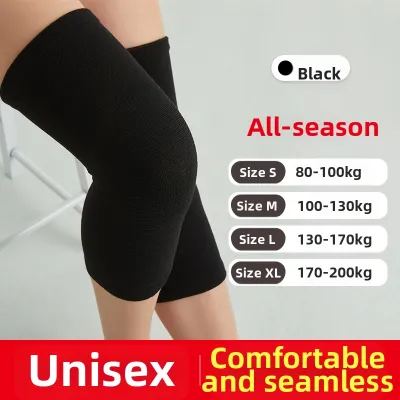
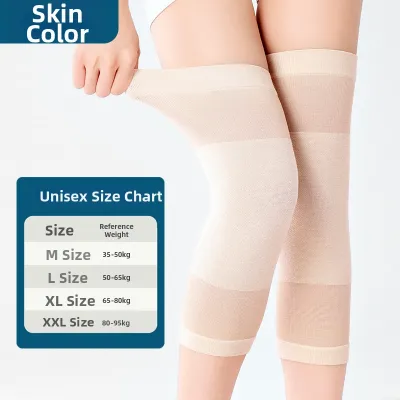
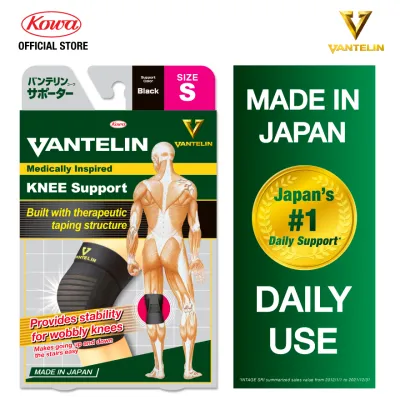
![[BUNDLE OF 2] TAKAMIZU - Orthocare Knee Support](https://img.lazcdn.com/g/p/358694f2fd4b2405e4e66b4a4bf8105e.jpg_400x400q80.jpg_.webp)
![🇸🇬 [READY STOCK] Knee Sleeve Knee Support Brace for Joint Pain and Arthritis Relief Improved Circulation Compression - Wear Anywhere knee guard support](https://img.lazcdn.com/g/p/5e5be10f7c46d65505eb6d2cd9058088.jpg_400x400q80.jpg_.webp)
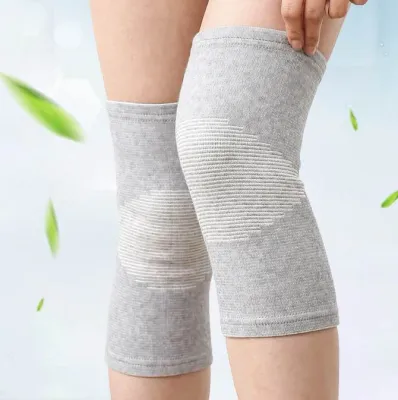
![🇸🇬 [READY STOCK] 2 Pack Knee Pain Relief & Patella Stabilizer Knee Strap Brace Support for Hiking Soccer Basketball Running Jumpers Knee Tennis Volleyball & Squats knee guard support](https://img.lazcdn.com/g/p/6aa52654c1dd7476272b7c9a01d7c330.jpg_400x400q80.jpg_.webp)
Prices are valid at publication and may change. Please refer to the product page for the latest price.
Mild knee weakness or occasional stiffness generally responds well to light, flexible compression sleeves. These sleeves provide warmth and mild pressure, which enhances proprioception—the body’s awareness of joint position—helping your parent feel more secure during light movement. Conversely, moderate-to-severe joint instability, characterized by frequent limping or a history of minor falls, requires structured support. This level of instability benefits from wrap-around braces equipped with lateral stabilizers or flexible spring inserts.
It is vital to establish clear boundaries between daily age-related weakness and conditions requiring professional medical intervention. A knee guard is a supportive aid for mobility, not a cure for underlying joint degeneration. If your parent experiences sudden joint swelling, severe localized pain, an inability to bear weight, or a sensation of the joint locking completely, bypass retail options and seek an immediate medical evaluation. Always consult a physiotherapist or orthopedic specialist to ensure a brace is safe for their specific condition.
Essential Design Features for Aging Knees and Limited Dexterity
Standard athletic knee guards are engineered for high-impact sports, rapid movements, and young, firm skin. When applied to elderly users, these designs often fail because they require significant physical strength to pull over the foot and can easily damage thinning, fragile skin. Selecting a successful knee guard for an aging parent requires focusing on features tailored to reduced grip strength, joint stiffness, and skin sensitivity.

Matching Support Level to Weakness Severity
Knee braces are generally categorized into three main designs: pull-on compression sleeves, adjustable wrap-around braces, and structured hinged braces. Pull-on sleeves offer mild, uniform compression and are excellent for keeping the joint warm, but they offer minimal mechanical resistance against lateral movement. Wrap-around designs use adjustable straps to allow customized tension, making them highly versatile for fluctuating joint sizes. Hinged or spring-loaded braces provide maximum lateral stability, physically preventing the knee from twisting or buckling.
However, highly structured braces introduce a significant trade-off: weight. Braces with heavy metal hinges or thick plastic inserts add physical weight to the lower leg. For an elderly parent with already weakened quadriceps and hamstrings, this extra weight can cause rapid muscle fatigue during walks. Over time, fatigued muscles increase the risk of trips and stumbles, defeating the protective purpose of the guard.
When selecting a support level, check the manufacturer’s packaging or product description to verify the intended use. Match the brace’s structural rigidity to your parent’s most physically demanding daily tasks. If their routine consists of short walks around an air-conditioned shopping mall, a lightweight wrap-around brace with flexible side stabilizers is often more beneficial than a heavy, medical-grade hinged brace.
Prioritizing Easy On/Off Mechanisms for Arthritic Hands
A knee guard can only help your parent if they can put it on independently. Many elderly individuals suffer from osteoarthritis in their fingers, hands, or wrists, which severely limits their grip strength and fine motor skills. Tight, elastic compression sleeves require immense pulling force to slide up the calf and over the knee, a task that can be painful or impossible for someone with limited hand mobility.
To ensure independence, prioritize wrap-around or open-patella designs featuring large, easy-to-grip hook-and-loop (Velcro) closures. These designs allow your parent to position the brace directly over the knee joint and secure the straps around the leg without having to bend down and pull a tight sleeve over their foot. Look for straps with widened pull-tabs or dedicated finger loops at the ends, which allow users to tighten the brace using the palm of their hand or a single finger.
Avoid any products with complex lacing systems, small plastic buckles, or tiny hooks that require precise pinch grip strength. Simple, wide straps not only reduce the physical effort required to secure the brace but also allow the user to adjust the tightness throughout the day as their comfort level changes.
Ensuring Secure Fit Without Irritating Thin Skin
As skin ages, it naturally loses collagen and moisture, becoming thinner, more fragile, and highly susceptible to tears and friction burns. A poorly designed knee guard that slips down the leg during movement is more than just a nuisance; the constant sliding and subsequent pulling up can cause painful skin abrasions. To prevent this, look for knee guards equipped with wide, hypoallergenic silicone grip strips or wave patterns along the upper inner hem to keep the brace securely anchored.
Pay close attention to the construction of the edges and seams. Ensure the brace features flat-locked, seamless, or softly bound edges that distribute pressure evenly across the skin. Avoid stiff nylon stitching or exposed plastic components that can dig into the back of the knee when sitting. An open-patella design—which features a cutout over the kneecap—is highly recommended, as it reduces direct pressure on the joint while helping to keep the brace centered.
Additionally, elderly legs can experience natural volume fluctuations throughout the day due to mild fluid retention or age-related muscle atrophy. A high-quality brace should offer adjustable sizing panels. This flexibility allows your parent to loosen the straps slightly in the evening if their calves swell, or tighten them in the morning, ensuring a safe, comfortable fit at all times.
Choosing Breathable Materials for Singapore's Humid Climate
Singapore’s year-round tropical climate, characterized by high temperatures and intense humidity, heavily influences material selection for any wearable support. Many standard, budget-friendly knee guards are constructed from thick neoprene. While neoprene is excellent for heat retention and durability, it acts as an insulator, trapping sweat and body heat against the skin. In a humid environment, this trapped moisture can quickly lead to heat rashes, skin maceration, and fungal infections, particularly under the back of the knee where sweat naturally pools.
To maintain skin health and comfort, look for knee guards made from advanced 3D circular knits, moisture-wicking synthetic blends, or bamboo charcoal-infused fabrics. These materials feature open-weave patterns that promote continuous airflow, allowing sweat to evaporate quickly. Bamboo charcoal fabrics are especially beneficial for elderly users, as they offer natural antimicrobial properties and help reduce odor buildup without the use of harsh chemical treatments.
When shopping, use this practical checklist to verify the material’s suitability on the product packaging:
- Airflow verification: Look for terms like "breathable knit," "mesh ventilation zones," or "perforated panels."
- Moisture management: Confirm the fabric is labeled "moisture-wicking" or "quick-dry."
- Hypoallergenic properties: Ensure the inner lining is latex-free to minimize the risk of contact dermatitis.
- Washability: Verify that the brace is hand-washable or machine-washable on a gentle cycle.
Regular maintenance is essential in Singapore’s humid conditions. Advise your parent to wash the knee guard frequently using a mild, fragrance-free detergent to remove accumulated sweat, salt, and dead skin cells. Always air-dry the brace thoroughly in a well-ventilated, shaded indoor area. Avoid direct sunlight or high-heat tumble dryers, as extreme heat can degrade elastic fibers and silicone grip strips, compromising the brace’s fit and support.
Safe Usage Limits and When to Seek Medical Advice
While a knee guard support for an elderly user is an excellent tool for enhancing daily confidence, it must be treated as a temporary physical aid rather than a permanent cure. Relying on a supportive brace for extended periods without performing targeted strengthening exercises can lead to muscle dependency. When the brace does all the structural work, the surrounding stabilizing muscles—such as the quadriceps and calves—can weaken further, ultimately worsening joint instability over time.
To protect your parent’s health, monitor their skin and circulation closely during and after use. Instruct them to remove the knee guard immediately if they experience any of the following warning signs:
- An increase in localized joint or muscle pain.
- Numbness, tingling, or a "pins and needles" sensation in the lower leg or foot.
- Skin redness, deep indentations, itching, or blistering.
- Signs of restricted blood flow, such as coldness, paleness, or bluish discoloration in the toes.
If any of these symptoms occur, stop using the brace and consult a healthcare professional. A qualified physiotherapist can evaluate your parent’s gait, recommend specific low-impact exercises to strengthen the supporting musculature, and help select or customize a brace that aligns perfectly with their rehabilitation goals.
Frequently Asked Questions (FAQ)
Selecting and managing a knee guard for an aging parent often brings up practical questions regarding daily wear schedules and sizing. Below are answers to common concerns to help ensure safe and effective use.
Should my elderly parent wear a knee guard all day?
No, continuous all-day wear is generally not recommended unless specifically prescribed by an orthopedic specialist or physiotherapist. Wearing a brace constantly can cause the leg muscles to become lazy and dependent on the external support, accelerating muscle atrophy. Instead, have your parent wear the knee guard primarily during active periods when they need extra stability, such as during grocery shopping, light housework, or outdoor walks. Encourage them to remove the brace during periods of prolonged rest, sitting, or sleeping to allow natural muscle engagement, promote healthy blood circulation, and let the skin breathe.
How do I accurately measure my parent's leg for the right size?
To find the correct size, use a flexible fabric measuring tape while your parent is seated with their leg relaxed and slightly bent at roughly a 30-degree angle. First, measure the circumference directly around the center of the kneecap (patella). Next, measure the thigh circumference approximately 10 to 15 centimeters above the kneecap, and the calf circumference 10 to 15 centimeters below it. Always compare these exact measurements against the specific manufacturer’s sizing chart provided on the product packaging. Avoid relying on generic Small, Medium, or Large labels, as sizing standards vary significantly between brands, and an incorrect fit can cause slipping or restrict circulation.
Community discussion
Share your experience or ask a question. Comments are reviewed before publication.