
For regular ping pong practice, the most critical paddle features are those that prioritize control, consistent ball feedback, and ergonomic comfort over raw speed. A balanced wood blade, controllable inverted rubber with medium sponge thickness, and a handle shape that matches your grip style form the foundation of a reliable training tool. These features allow you to develop correct stroke mechanics, build muscle memory, and sustain long practice sessions without fatigue.
Decoding Blade Construction: Wood Plies and Composite Materials
The core of any table tennis paddle is the blade, which heavily influences how the ball feels upon impact. For regular practice, all-wood blades are generally the standard choice for developing players. Wood naturally absorbs energy and vibrates slightly upon impact, providing immediate tactile feedback to your hand. This feedback is crucial for learning how to adjust your racket angle and stroke path. In contrast, composite blades—which incorporate layers of carbon fiber, arylate, or glass fiber—stiffen the racket to increase the sweet spot and boost ball speed. While appealing, this extra speed often masks poor technique, as the ball leaves the paddle too quickly for you to feel and correct your mistakes.
To identify what a blade is made of, look at the handle base or the face of the blade, where manufacturers typically print the ply count and material composition. Labels like “5-ply wood” or “5+2 carbon” indicate the layering structure. A 5-ply all-wood blade offers excellent control and flexibility, making it ideal for repetitive stroke drills. If you are practicing in a humid climate like Singapore, wood blades can absorb moisture over time, slightly altering their weight and feel. Storing your paddle in a padded, airtight case with a silica gel pack helps maintain consistent blade stiffness and performance during training.
Products mentioned in this guide
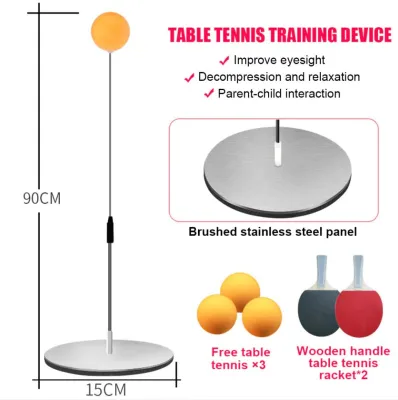
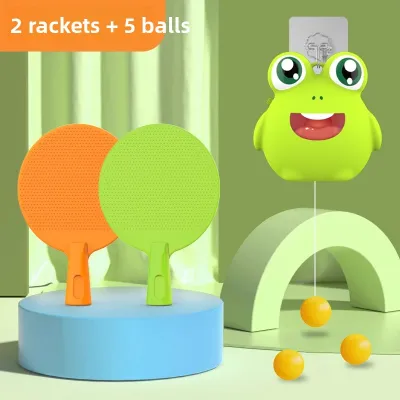
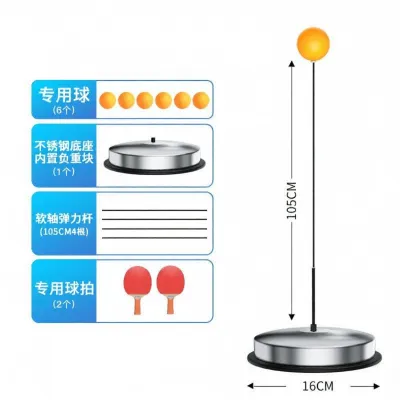
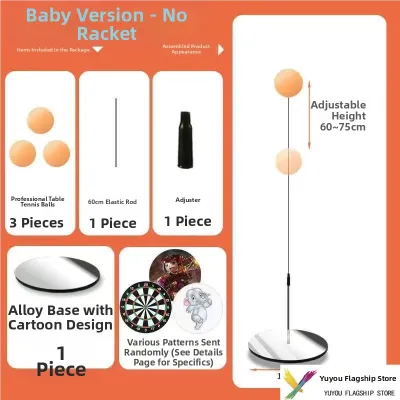
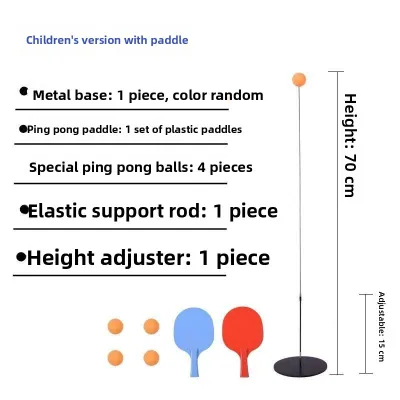
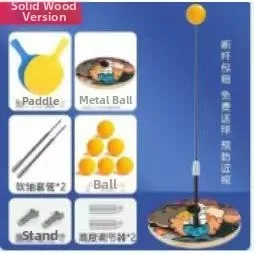
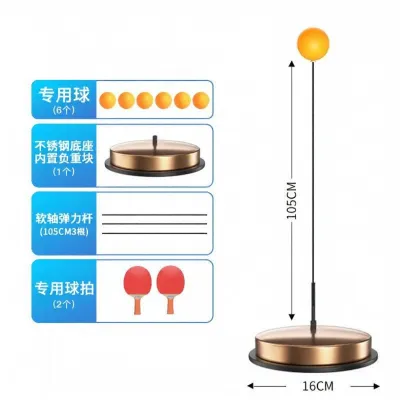
Prices are valid at publication and may change. Please refer to the product page for the latest price.
Rubber and Sponge Specs: Balancing Spin, Speed, and Feedback
The rubber and underlying sponge glued to the blade dictate how the paddle interacts with the ball’s spin. For foundational practice, inverted (smooth) rubbers are highly recommended because they allow you to generate and manage both topspin and backspin effectively. Pipped rubbers, which have pimples facing outward, are specialized tools that alter spin dynamics; using them too early can prevent you from mastering standard stroke mechanics.

Sponge thickness and density are equally critical specifications. Sponges typically range from 1.5 mm to 2.2 mm in thickness. A medium sponge thickness of 1.8 mm to 2.0 mm strikes a reliable balance for regular practice, offering sufficient dwell time—the brief moment the ball sinks into the rubber—to control your shots while still providing enough speed. Thicker sponges (above 2.1 mm) demand precise timing and fast swing speeds, which can lead to inconsistent ball placement during multi-ball drills.
When selecting rubbers, check for the International Table Tennis Federation (ITTF) logo or registration number printed near the base of the rubber sheet. Even if you only practice recreationally, choosing ITTF-approved rubbers ensures that your equipment complies with official standards, making any future transition to local club leagues or community tournaments seamless.
Handle Profiles and Ergonomics for Extended Practice Sessions
An ergonomic handle is essential for preventing hand fatigue and blisters during extended practice sessions. Table tennis blades come in several handle profiles, with the flared (FL) shape being the most common for the shakehand grip because it prevents the paddle from slipping out of the hand. Straight (ST) handles allow quick grip adjustments during play, which is favored by players who frequently transition between forehand and backhand styles. Anatomical (AN) handles feature a contoured middle that fits the natural curve of the palm, while specialized short handles are designed specifically for the penhold grip.
During multi-ball drills or long rally practice, pay attention to how your hand feels. Signs of an ill-fitting handle include excessive hand tension, red spots or blisters on your fingers, and frequent grip slippage. If you find yourself squeezing the handle too tightly to keep it secure, your muscles will tire quickly, hindering your stroke fluidity.
In warm training environments, sweat can make wooden handles slippery. Adding a thin, absorbent overgrip or specialized handle tape can significantly improve moisture management. This modification also slightly increases the handle thickness, which is beneficial for players with larger hands who find standard handles too small to grip comfortably.
Aligning Paddle Specs with Your Current Practice Stage
Your choice of practice paddle should directly align with your current skill level and training goals. Beginners and early intermediate players should prioritize control-oriented, slower setups. A slower paddle forces you to use proper body rotation, footwork, and arm acceleration to generate power, rather than relying on the equipment to do the work. This discipline builds a solid technical foundation that will serve you well as you progress.
As your stroke mechanics stabilize and you can consistently land your shots, you can transition to faster, more spin-oriented setups. You will know it is time to upgrade when your current paddle feels like it is holding back your natural power, or when you struggle to generate enough speed to finish points despite using correct technique.
Conversely, watch out for red flags that indicate your paddle is too advanced for your current stage. If the ball consistently flies off the table with minimal effort, or if you find yourself shortening your swing to keep the ball in play, your paddle is likely too fast or stiff. A mismatched paddle slows down your development, as it forces you to adopt defensive, tentative habits to compensate for a lack of control.
Frequently Asked Questions (FAQ)
Should I buy a pre-assembled racket or build a custom paddle for practice?
Pre-assembled rackets are convenient and cost-effective for beginners learning basic ball contact. However, as you commit to regular practice, transitioning to a custom paddle—where you select the blade and rubbers separately—becomes highly beneficial. Custom setups allow you to replace worn-out rubbers without buying a new blade, saving money in the long run. They also let you fine-tune the paddle’s weight, speed, and spin characteristics to match your specific training needs as your skills evolve.
How often should I replace the rubbers on my practice paddle?
Instead of relying on a strict timeline, inspect your rubbers for physical signs of wear. Check for a loss of surface grip by rubbing a clean table tennis ball across the rubber; if it slides without resistance, the grip is gone. Look for crumbling edges, a faded hitting zone in the center, or a hardened sponge that feels stiff to the touch. During practice, if you notice the ball slipping off the paddle or failing to lift over the net during standard topspin drills, it is time to replace the rubbers.
Community discussion
Share your experience or ask a question. Comments are reviewed before publication.