
Selecting a bicycle stand depends entirely on whether you are parking mid-ride, maintaining your bike at home, or storing it securely inside a space-constrained apartment. A single bicycle might require one, two, or none of these solutions depending on your riding habits, frame material, and living arrangements. By matching your daily routine to the mechanical limits of each stand type, you can avoid unnecessary purchases and protect your bicycle from structural damage.
The Quick Diagnostic: Match Your Cycling Habit to the Right Stand
To determine which category of bicycle stand fits your lifestyle, start by evaluating three primary aspects of your routine: your typical parking environment, your frequency of do-it-yourself (DIY) mechanical work, and the physical layout of your home. Bicycle stands are not one-size-fits-all accessories; choosing the wrong type can lead to cluttered living spaces, damaged frames, or wasted money.
You can map your primary cycling habits directly to the three main categories of stands:
Products mentioned in this guide
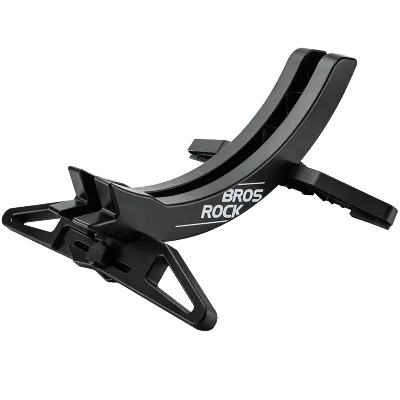
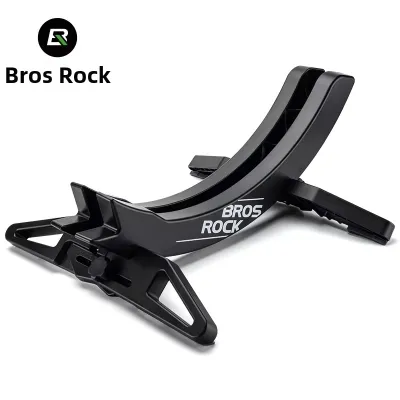
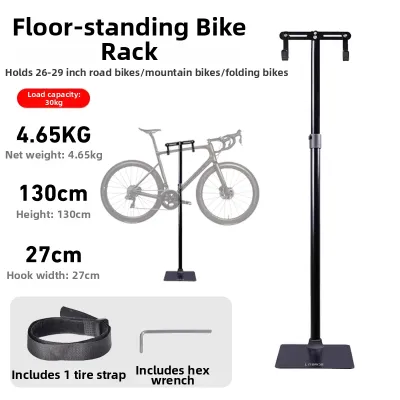
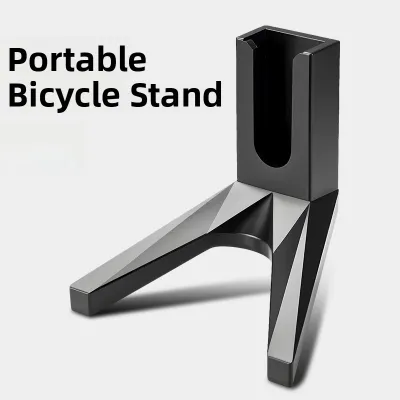
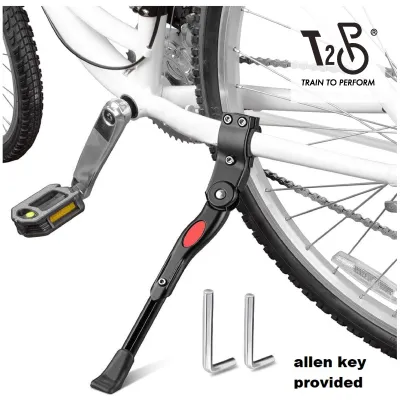
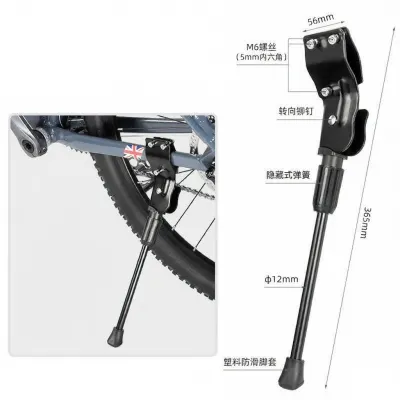
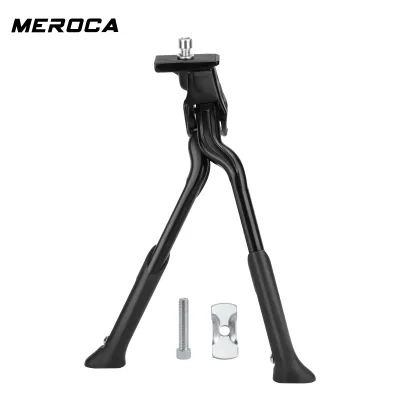
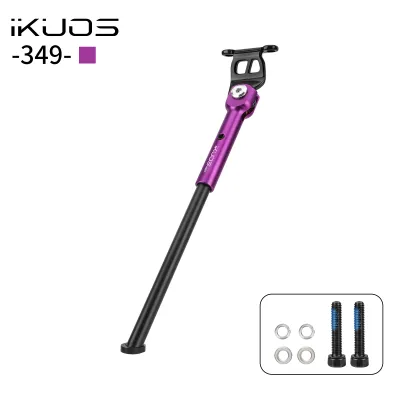
Prices are valid at publication and may change. Please refer to the product page for the latest price.
- Kickstands: Best for temporary stops, daily commuting, and casual rides along the Park Connector Network (PCN). These are mounted directly to the bicycle frame for on-the-go utility.
- Repair Stands: Essential for home DIY tuning, regular drivetrain cleaning, brake bleeding, and wheel truing. These heavy-duty fixtures elevate the entire bicycle to eye level, holding it securely while you apply mechanical force.
- Storage Racks: Designed for long-term indoor parking, space optimization, and aesthetic display inside apartments or balconies. They keep the bicycle stable and off the floor without requiring permanent frame modifications.
The “You Might Not Need One” Condition
It is entirely possible that you do not need to purchase any bicycle stand. If your cycling routine consists of riding directly from your home to your office where secure, designated floor racks are provided, you do not need a kickstand. If you rely entirely on professional bike shops for servicing, a repair stand will simply collect dust. If you use public shelters or lean your bike safely against a home wall, a storage rack may be unnecessary. Assess your actual daily friction points before investing in dedicated hardware.
Kickstands: For Daily Commuters and PCN Riders
For cyclists who use their bikes as utility vehicles, a kickstand is a highly practical accessory. If you frequently stop along the PCN to take photos, grab a drink at a local coffee shop, or run quick errands, a kickstand eliminates the frustrating search for a clean wall, tree, or public rack. It provides independent stability wherever you ride.

When selecting a kickstand, you must evaluate the mounting style and material composition to ensure it fits both your frame and your local environment:
- Chainstay (Rear Mount) vs. Bottom Bracket (Center Mount): Rear-mounted kickstands clamp onto the non-drive-side chainstay and seatstay. They provide excellent stability, especially for loaded commuter bikes, as they support the weight further back. Center-mounted kickstands attach to the chainstay bridge right behind the bottom bracket. While they offer a cleaner look, they can easily interfere with the rotation of your left crank arm when pushing the bike backward, and they may block the folding mechanisms of compact folding bicycles.
- Material and Climate Considerations: Due to Singapore's humid, tropical climate and frequent downpours, rust-resistant hardware is non-negotiable. Opt for high-grade aluminum or stainless steel, as cheap steel kickstands will quickly corrode at the pivot points, leading to stiffness, squeaking, and eventual mechanical failure.
Safety and Compatibility Boundaries
Before purchasing, you must verify your bicycle’s frame material and construction. Never attempt to force a clamp-on kickstand onto a frame that lacks a dedicated mounting plate or reinforced tubes.
- Carbon Fiber and Lightweight Alloy Frames: Most modern carbon fiber road bikes and high-end aluminum frames are engineered with incredibly thin tube walls designed to handle specific riding forces, not high clamping pressures. Attaching a clamp-on kickstand to these frames can easily crush the tube walls, structurally compromising the bike and voiding the manufacturer's warranty. Always refer to your frame manufacturer's guidelines before attempting installation.
- Full-Suspension Mountain Bikes: These frames feature complex rear suspension linkages and lack the static clearance required to mount a traditional kickstand safely. Clamping anything near the rear pivot points can damage the suspension action or scrape the rear shock assemblies.
- Alternatives for Incompatible Bikes: If your bike cannot accept a traditional kickstand, consider using a portable, lightweight telescopic parking pole that inserts temporarily into your hollow crank spindle or supports the frame under the top tube when stopped. Alternatively, learn the correct technique for leaning your rear tire—not the frame—securely against flat surfaces.
Repair Stands: For Home Mechanics and Deep Cleaning
A repair stand is a specialized tool designed to lift your bicycle off the ground, clamping it securely at a comfortable working height. This tool is invaluable if you regularly perform DIY maintenance, such as adjusting front and rear derailleurs, bleeding hydraulic disc brakes, replacing chains, or executing a thorough drivetrain degreasing. Elevating the bike allows you to spin the pedals and wheels freely, which is essential for accurate tuning.
If your maintenance is limited to inflating tires and wiping down the frame, a repair stand is an unnecessary investment that will only occupy valuable living space.
If you decide to purchase one, you must choose between two primary designs:
- Clamp-Style (Tube Clamping): These stands feature a jaw-like clamp that grips either the seatpost or a frame tube. They are highly versatile, quick to mount, and allow you to adjust the angle of the bike easily.
- Euro/Bottom Bracket-Style (Axle Support): These stands require removing a wheel to secure the fork or rear dropouts directly to an axle mount, with the bottom bracket resting on a padded cradle. This eliminates clamping force on delicate tubes.
- Portability Options: Consider whether you need a foldable, lightweight model that can be packed away into a closet, or a heavy-duty, fixed floor-standing model if you have a dedicated workshop or garage space.
Critical Safety and Frame-Compatibility Checks
Before lifting your bike, you must check the applied repair stand’s manual and your bicycle manufacturer’s instructions to prevent catastrophic damage.
- Carbon Fiber and Aero Tubes: Never clamp a carbon fiber frame tube directly in a clamp-style stand. The localized crushing force of the clamp can easily crack the carbon weave. If your bike has a carbon frame but a round aluminum seatpost, you may safely clamp the seatpost instead. However, if your bike features a carbon aerodynamic seatpost (teardrop-shaped) or ultra-thin alloy tubes, standard clamps are highly risky. In these scenarios, you must use a Euro-style bottom-bracket support stand or consult the manufacturer for specialized clamp adapters designed for aero shapes.
- Electric Bicycles (E-Bikes): E-bikes are significantly heavier than traditional bicycles due to the integrated motor and battery pack. Standard consumer repair stands typically have a maximum weight limit of 20 to 25 kilograms. Exceeding this limit can cause the stand to tip over, bend, or collapse, risking severe injury and equipment damage. Always verify the exact weight of your e-bike (with the battery removed to reduce load) and compare it against the certified weight capacity of the repair stand before attempting to lift it.
Storage Racks: Space-Saving Solutions for HDBs and Condos
With the compact living layouts common in Singapore’s housing landscape, such as HDB flats and condominiums, managing indoor space is a primary concern for cyclists. Storing your bicycle indoors or on a covered balcony protects your investment from corrosive tropical air, rain, and theft. A dedicated storage rack helps organize your living area while keeping tires off pristine floors.
The ideal storage solution depends heavily on your available floor area, wall construction, and willingness to perform home modifications:
- Floor Stands: These stands hold the bicycle upright by cradling the front or rear wheel, or by lifting the rear hub off the ground. They require absolutely no drilling, making them perfect for rental properties or covered balconies. However, they do not reduce the horizontal footprint of the bicycle, meaning they still consume valuable floor space.
- Wall Mounts (Horizontal or Vertical): Vertical wall mounts hang the bike by the front wheel, which is highly efficient for tight corners. Horizontal mounts support the bike by the top tube, turning it into a wall display. Both free up floor space but require drilling.
- Ceiling Hoists and Pulleys: These systems use a series of ropes and pulleys to lift the bicycle up to the ceiling. While excellent for units with high ceilings, they require significant installation effort and physical strength to hoist and lower heavy bicycles safely.
Structural and Compliance Boundaries
Installing a storage rack requires careful adherence to structural safety and local housing regulations.
- Wall Integrity and Anchor Selection: Never mount a bicycle rack onto drywall or hollow partition walls. These materials cannot support the weight of a bicycle, especially when lifting it on and off the rack. Wall-mounted racks must only be anchored into solid concrete or structural brick walls. Always use high-quality masonry wall plugs and heavy-duty screws. If you are unsure of your wall's composition, consult a professional contractor before drilling.
- Fire Safety and HDB Corridor Compliance: If you plan to park your bicycle outside your flat in an HDB common corridor, you must strictly comply with the Singapore Civil Defence Force (SCDF) fire safety regulations. Bicycles must never obstruct the escape route; a minimum clear escape passage of 1.2 meters must be maintained at all times. Furthermore, bikes must not be parked near dry risers, fire hose reels, or staircases. If your corridor does not meet these strict spatial requirements, you must store your bicycle indoors or utilize the public, ground-floor bicycle racks provided at your estate.
Final Verdict: Do You Need One, Two, or None?
Selecting the right stand balances your riding style, maintenance habits, and home layout. Often, a combination works best. For example, a daily commuter who rides along the PCN might install a durable, rust-resistant rear kickstand for mid-ride stops, while using a simple, drill-free floor stand on their balcony to keep the bike organized at night. Conversely, a dedicated road cyclist riding a carbon fiber frame will completely skip the kickstand, opting instead for a vertical wall mount to save space indoors and a portable repair stand for weekend drivetrain cleaning.
Before finalizing your purchase, run through this critical decision checklist:
- Frame Compatibility: Is your bike made of carbon fiber or lightweight alloy? If yes, avoid clamp-on kickstands and standard clamp-style repair stands unless you have verified manufacturer-approved clamping points.
- Weight Limits: If you ride an e-bike, does the storage rack or repair stand explicitly support its total weight?
- Wall Construction: If you are buying a wall mount, is your target wall solid concrete, and do you have permission to drill?
- Spatial Constraints: Does your chosen storage method comply with local housing and SCDF fire safety guidelines?
If you find that your frame is incompatible, your walls cannot support a mount, or you do not perform your own maintenance, pause and consult your bicycle’s manual or visit a professional local bike shop. Taking the time to verify these specifications ensures you invest only in the gear that genuinely supports your cycling journey.
Frequently Asked Questions (FAQ)
Can I install a kickstand on a carbon fiber road bike?
Most carbon fiber road bikes do not feature reinforced mounting points for kickstands. Using aftermarket clamp-on kickstands risks crushing the carbon fiber weave under the clamping pressure, which can cause sudden frame failure and will void your manufacturer’s warranty. If you need to park a carbon road bike during a ride, it is much safer to use a lightweight, portable parking pole that inserts into your hollow bottom bracket spindle, or to lean the rear tire carefully against a secure wall.
Are wall-mounted bike racks safe for drywall partitions?
No, standard drywall, gypsum board, or hollow partition walls are not strong enough to support the weight of a bicycle hanging from a wall mount. The constant dynamic force of lifting the bike on and off the rack will quickly pull the anchors out of the wall, leading to structural damage and a falling hazard. Wall-mounted bike racks should only be installed on load-bearing concrete or solid brick walls using appropriate masonry wall plugs.
Community discussion
Share your experience or ask a question. Comments are reviewed before publication.