
The correct football size for a child depends primarily on their age, with size 3 designed for children under 8 years old, size 4 for those aged 8 to 12, and size 5 for players aged 12 and older. Choosing the right size ensures your child can develop proper kicking, passing, and ball-control techniques without straining their developing muscles. While these age brackets serve as a standard starting point, local league rules, school programs, and individual physical readiness also play a key role in determining the best fit.
Football Sizes Explained: Age Groups and Dimensions
Standard footballs are categorized into numbered sizes, each tailored to specific developmental stages. Size 3 is the smallest match-ready ball, typically recommended for children under 8 years old. It features a smaller circumference and a lighter weight, making it easier for younger players to make clean contact and learn basic footwork.
Size 4 is the transition ball, generally used by children aged 8 to 12. This size bridges the gap between early youth play and adult-level matches, offering a moderate increase in both weight and circumference to match the growing physical strength of pre-teens.
Products mentioned in this guide
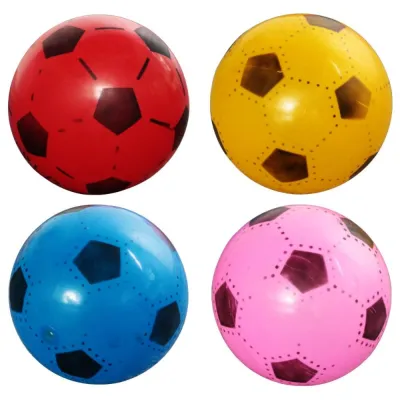
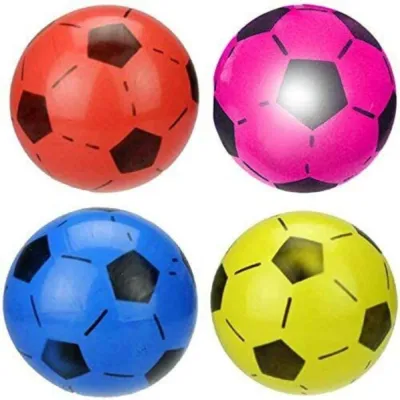
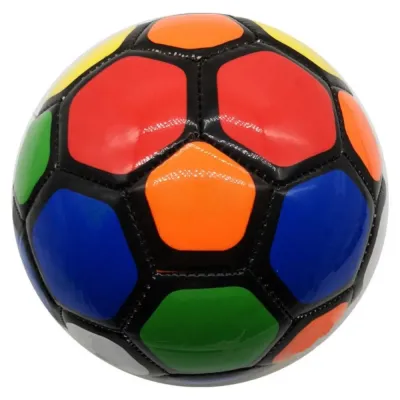
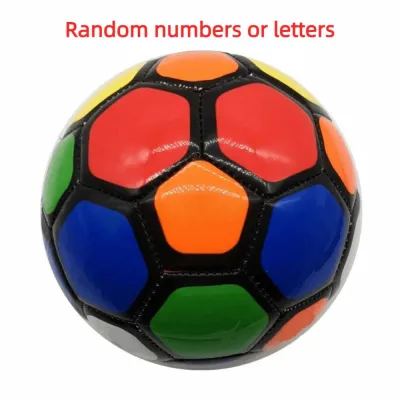
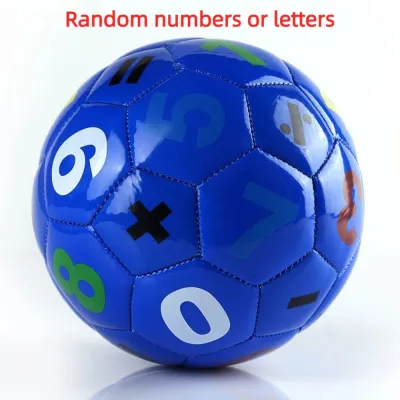
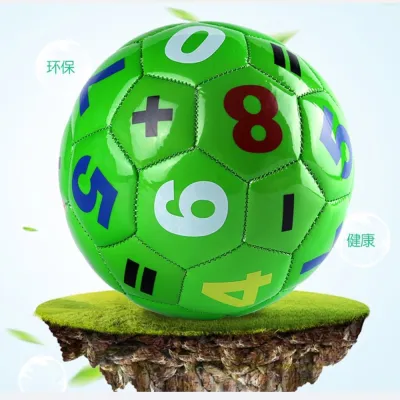
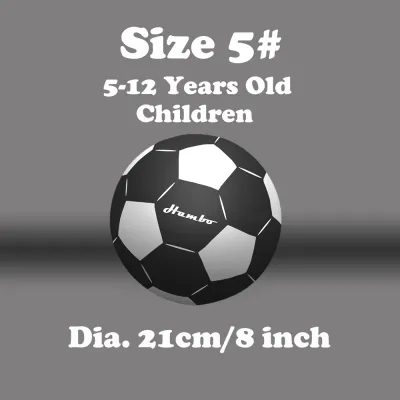
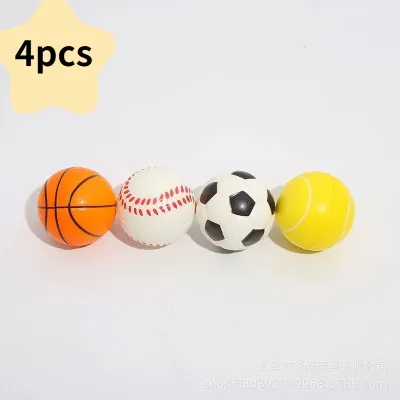
Prices are valid at publication and may change. Please refer to the product page for the latest price.
Size 5 is the standard adult size, used by players aged 12 and older, including professional leagues. It is the heaviest and largest of the standard sizes, requiring mature muscle strength and coordination to control and kick effectively over long distances.
While general industry standards exist for these sizes, physical dimensions such as exact circumference and weight can vary slightly between brands and models. Instead of relying on visual estimates or assuming all balls of a certain size are identical, parents should check the manufacturer’s printed labels and product specifications on the packaging. These labels often specify the exact weight in grams and the circumference in centimeters, helping you verify that the ball aligns with standard youth sports guidelines.
Why Playing with the Correct Size Matters
Using an appropriately sized football is crucial for a child’s technical development. When a ball is too large or heavy, young players struggle to execute basic maneuvers like passing, dribbling, and shooting. A correctly sized ball allows them to practice proper kicking mechanics, ensuring they strike the ball with the correct part of their foot and develop accurate muscle memory.

Physical safety is another critical factor when selecting youth sports equipment. Kicking a ball that is too heavy for a child’s current muscle and joint development can lead to repetitive strain on their ankles, knees, and hips. By matching the ball’s weight to the child’s physical capacity, you reduce the risk of unnecessary physical fatigue and joint strain during extended training sessions.
Beyond physical safety and technique, the right equipment directly impacts a child’s enjoyment of the sport. Success in controlling, passing, and scoring builds confidence and keeps young players motivated. Conversely, struggling with an oversized, heavy ball can lead to frustration, potentially causing a child to lose interest in the game entirely.
How to Verify the Best Fit for Your Child
While age brackets provide a reliable baseline, local league requirements should always be your primary reference. In Singapore, youth academies, school sports programs, and local football associations often have specific rules regarding ball sizes for different age divisions. Before purchasing a ball for structured training or competitive matches, consult your child’s coach or check the official league handbook to ensure compliance with local tournament standards.
Observing your child during casual play is another effective way to verify the fit. Watch how they interact with the ball in a park or open space. If they can comfortably control the ball with their feet, pass it without excessive effort, and run with it naturally, the size is likely appropriate. If the ball appears to bounce off their shins uncontrollably or requires a strained, unnatural kicking motion to move, it may be too large or heavy.
Finally, always inspect the product tags, packaging, and specifications before making a purchase. Look for markings that indicate compliance with recognized sporting standards, which ensure the ball has undergone quality checks for roundness, pressure retention, and weight distribution. Checking these details helps guarantee that the ball will perform predictably during practice and matches.
Frequently Asked Questions (FAQ)
Can my child use a larger size if they are taller or stronger than average?
While a child who is taller or stronger than average might physically handle a larger ball, official league rules and age-group guidelines should generally take precedence. Playing with the standard size for their age group ensures they remain aligned with their peers during team practices and official matches. However, if a qualified coach recommends moving up a size early to challenge the player’s skill development and physical readiness, parents can consider introducing the larger ball during casual home practice while keeping the standard size for team play.
Do indoor and outdoor kids footballs use the same sizing?
The core size classification system (sizes 3, 4, and 5) remains consistent across both indoor and outdoor footballs, meaning a size 4 indoor ball will have a similar circumference to a size 4 outdoor ball. However, the construction of these balls differs significantly to suit different playing surfaces. Indoor footballs, such as those used for futsal, often feature felt-like outer materials or specialized low-bounce bladders to handle hard court surfaces, whereas outdoor balls are designed with durable synthetic leather and standard bladders for grass or artificial turf. Always check the product specifications to ensure you select the correct ball type for your child’s primary playing environment.
Community discussion
Share your experience or ask a question. Comments are reviewed before publication.