
Choosing the right kids’ swim goggles depends on whether your child is heading to a structured swimming lesson or splashing around during a weekend pool session. For formal lessons, children need streamlined, secure goggles that stay put during repetitive strokes and help them focus on the instructor’s directions. For recreational play, comfort, ease of adjustment, and a wide field of vision take priority so they can enjoy games and casual swimming without constant adjustments. Matching the goggles to the specific water activity ensures your child stays comfortable, confident, and focused in the water.
Understanding the Core Differences in Goggle Design
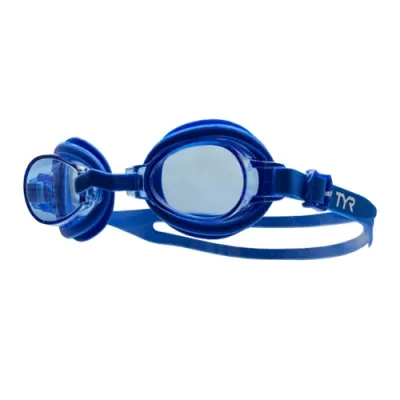
The fundamental difference between training and leisure goggles lies in their design priorities, which directly affect how they feel and perform in the water. Training goggles are built for continuous, active movement, requiring a reliable seal that can withstand the force of gliding, diving, and turning. These models typically feature firmer, low-profile gaskets that sit closer to the eye socket to minimize water resistance and prevent shifting. This close fit is essential for maintaining focus during structured drills where sudden movements could easily dislodge a bulkier frame.
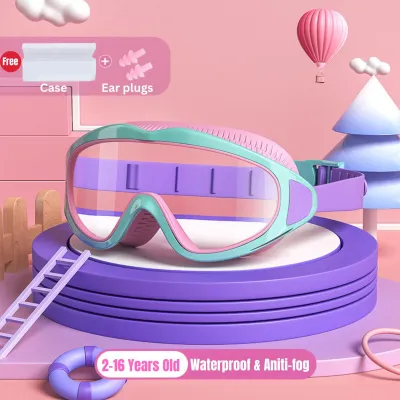
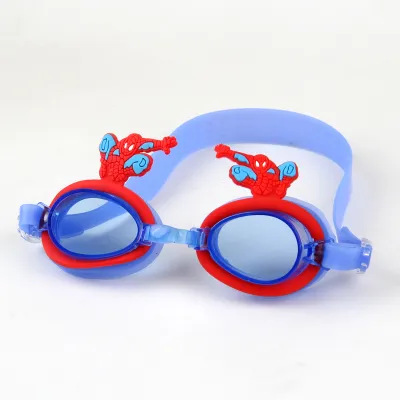
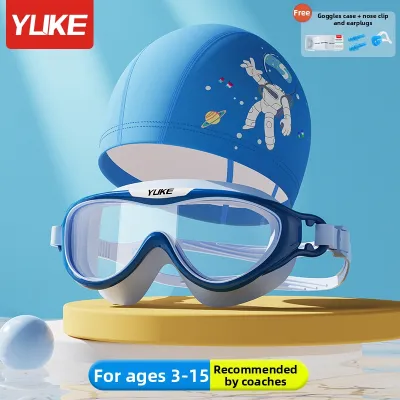
In contrast, recreational goggles prioritize long-term comfort and ease of use for casual splashing. They often feature larger, softer silicone gaskets that distribute pressure over a wider area around the eyes, reducing the likelihood of red marks after a short swim. The frame designs are generally bulkier, focusing on fun aesthetics, bright colors, and a wide, reassuring view of the pool rather than hydrodynamic efficiency. This makes them highly appealing to younger children who might feel restricted by the tight, narrow fit of competitive gear.
Products mentioned in this guide
![[SG Stock] Kids Swimming Goggles Quick Release Anti Fog Leak Proof Swim Goggle Easy Wear Adjustable Children UV Google](https://img.lazcdn.com/g/p/4fd6a3bffd2b77d2b8d4cf76d21e1eb1.jpg_400x400q80.jpg_.webp)
![[SG Stock] Kids Goggles Wide Lens Swim Mask Swimming Quick Release Anti Fog UV Adjustable Google Children](https://img.lazcdn.com/g/p/682312311edaac8b36e70f8ccf77d38d.jpg_400x400q80.jpg_.webp)
![[SG] Swimming Goggles Degree | Anti Fog + UV Shield | Adult & Children | Prescription Goggles](https://img.lazcdn.com/g/p/22798ce7f1849ad31e914f8712a501f1.jpg_400x400q80.jpg_.webp)
Prices are valid at publication and may change. Please refer to the product page for the latest price.
Lens selection and strap durability also vary significantly between the two styles. Training goggles often utilize robust, dual-strap systems that distribute tension evenly across the back of the head, ensuring they remain secure during rigorous drills. Recreational models frequently opt for single, wider straps with simple side-clip adjustments that children can easily manage themselves between games. Understanding these design differences helps you select a pair that matches your child’s specific swimming environment and comfort preferences.
Key Features to Prioritize for Structured Swimming Lessons
When your child is enrolled in formal swimming lessons, their gear should support skill development rather than distract them. Clear, reliable vision is essential for following an instructor’s hand signals, reading lane markers, and observing demonstrations from across the pool. Look for goggles with high-quality anti-fog treatments on the inner lenses to prevent condensation from interrupting their practice and causing them to constantly remove their gear.

A low-profile, hydrodynamic frame shape is another critical feature for structured training. Goggles that sit flush against the face minimize drag as your child learns to glide, kick, and perform basic strokes. This streamlined design also reduces the risk of the goggles catching water and shifting out of place when they push off the pool wall or practice basic dives. A secure fit during these active moments builds confidence and keeps the focus entirely on learning.
The strap mechanism must be highly secure and easily adjustable to prevent slippage during repetitive movements. Look for split-strap designs made of durable silicone that grip the back of the head firmly without pulling on hair. Adjustments should lock securely in place so that once the fit is set before the lesson, it does not loosen mid-drill. This reliability ensures your child spends their lesson time practicing their strokes rather than adjusting leaking eyewear.
What to Look for in Recreational Pool Play Goggles
For casual pool play, weekend visits to public pools, or backyard splashing, the primary goal is to keep the experience fun and stress-free. A wide field of vision is highly beneficial for recreational activities, as it allows children to maintain spatial awareness while playing water games, diving for toys, or swimming with friends. Look for larger, mask-style frames or curved lenses that offer excellent peripheral visibility and reduce any feelings of claustrophobia.
Ease of adjustment is another key factor for play-focused gear. Children frequently take their goggles on and off during a play session, transitioning from swimming underwater to chatting on the pool steps or playing on pool slides. Quick-adjust buttons or simple pull-tabs on the sides of the frame allow kids to adjust the fit independently without needing constant adult assistance. This independence boosts their confidence and lets parents relax on the sidelines.
Comfort is paramount for leisure wear, so prioritize soft, flexible gaskets. Hypoallergenic liquid silicone seals provide a gentle, forgiving fit that conforms easily to various facial shapes. These softer seals do not need to be worn as tightly as competitive models to keep water out, making them much more comfortable for extended, casual wear. Choosing a pair with a soft, comfortable seal ensures your child can play for hours without experiencing discomfort or skin irritation.
How to Ensure a Proper and Comfortable Fit
No matter which style you choose, a proper fit is the most important factor in preventing leaks and ensuring your child actually wears their goggles. You can easily test the seal at home using the dry “suction test” before ever entering the water. Gently press the goggle lenses against your child’s eyes without putting the strap over their head. If the goggles stick to the face for a second or two before releasing, the seal is adequate for their facial structure and will likely keep water out.
Next, check for potential pressure points around the eye sockets and the bridge of the nose. The gaskets should sit comfortably on the outer bone of the eye socket rather than pressing directly on the delicate skin underneath or pinching the corners of the eyes. Ensure the nose bridge does not pinch or rub against the skin, as this is a common source of discomfort that can quickly ruin a swim session and leave painful red marks.
Many modern goggles come with interchangeable nose bridges of varying lengths, or adjustable nose straps. Take the time to swap these out or adjust them to match the width of your child’s face. The strap should only be tight enough to keep the goggles in place; relying on excessive strap tightness to stop leaks will cause discomfort and headache-inducing pressure. A well-fitted pair of goggles should seal gently and securely with minimal strap tension.
Cross-Scenario Compatibility: Can One Pair Do Both?
For parents trying to decide whether to purchase separate pairs or find a single, versatile option, the decision often comes down to your child’s swimming frequency and commitment level. If your child is just starting introductory lessons and only swims occasionally, a high-quality hybrid goggle can easily bridge the gap. These hybrid designs combine a slightly softer, comfortable gasket with a moderately streamlined frame, offering a balanced solution for both learning and playing.
However, if your child is attending multiple structured lessons a week and also enjoys regular weekend play, investing in two separate pairs is often the most practical approach. Using a dedicated, streamlined pair for lessons keeps them in prime condition, preserving the anti-fog coating and strap elasticity for focused training. A separate, colorful pair can then be used for rough-and-tumble recreational play where scratches, sand, and rough handling are more likely to occur.
From a budgeting perspective, a versatile hybrid pair typically costs between S$15 and S$30 in local retail shops. Purchasing two specialized pairs—one basic recreational model and one dedicated training model—might run between S$35 and S$60 total. Weighing this modest price difference against how often your child swims and how well they care for their gear will help you determine the most cost-effective and practical setup for your family.
Frequently Asked Questions (FAQ)
How often should kids' swim goggles be replaced?
You should inspect your child’s swim goggles regularly for signs of wear, such as stiffness, cracking, or a loss of flexibility in the silicone gaskets. Over time, exposure to chlorine, salt water, and UV rays will degrade the materials, leading to leaks. If the straps lose their elasticity or the internal anti-fog coating has completely worn off, it is time to replace them, which typically occurs every six to twelve months with regular use.
Are mirrored or tinted lenses necessary for children's swim goggles?
Mirrored or dark-tinted lenses are highly beneficial for outdoor swimming, as they reduce glare and bright sunlight reflection off the water’s surface. For indoor pools, however, clear or lightly tinted lenses (such as blue or yellow) are much better, as they maximize light transmission and help children see clearly in dimmer environments. Always check the product packaging to verify UV protection ratings if the goggles will be used outdoors.
How can I prevent my child's goggles from fogging up?
To maintain clear vision, have your child rinse their goggles in the pool water immediately before putting them on to help equalize the temperature between the air and the water. Instruct them never to touch or wipe the inside of the lenses with their fingers or a towel, as this quickly scratches and removes the delicate factory-applied anti-fog coating. If the coating does wear off, you can use a manufacturer-approved anti-fog spray to restore clarity safely.

Community discussion
Share your experience or ask a question. Comments are reviewed before publication.