
Finding the right swimming hat for kids involves looking past the brand logo and focusing on the physical characteristics of the gear. While many popular brands market their caps with vibrant designs, the actual performance in terms of comfort, fit, and durability is determined by material composition, edge construction, and sizing accuracy. In a warm, tropical climate like Singapore, where children often swim year-round in highly chlorinated pools, selecting the wrong cap can lead to hair pulling, skin irritation, or rapid material degradation. By understanding how to evaluate these products, parents can make an informed choice that keeps young swimmers comfortable and focused.
Comparing Cap Materials: The Foundation of Comfort and Durability
The material of a swimming cap is the single most important factor determining how it feels on a child’s head and how long it will last. Most popular brands manufacture caps using one of three primary materials: silicone, latex, or fabric. Each material serves a distinct purpose and comes with its own set of trade-offs regarding elasticity, water resistance, and comfort.
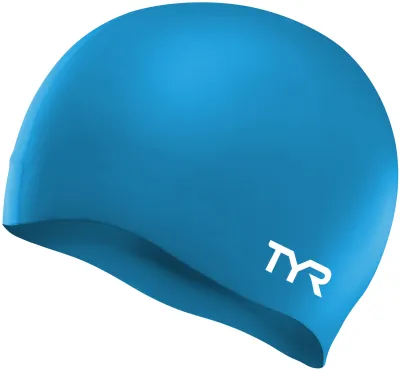
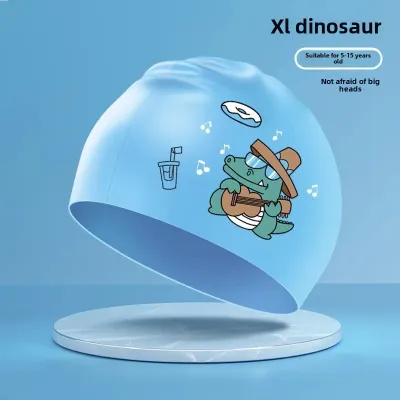
Silicone is the industry standard for recreational and training caps. It is a thick, durable, and hypoallergenic material that offers a comfortable stretch without putting excessive pressure on the skull. High-quality silicone caps are gentle on the hair, making them easy to put on and take off without painful snagging. Because silicone is highly resistant to the oxidizing effects of chlorine, these caps retain their shape and elasticity over hundreds of pool sessions. When evaluating silicone caps, parents should feel the material; it should have a smooth, slightly powdery texture and a consistent thickness throughout.
Products mentioned in this guide
![[SG Stock] Kids Swim Cap Cute Waterproof Non-slip Elastic Stretchy Fun Print For Children Swimming](https://img.lazcdn.com/g/p/3dbc71e26c394aeec459b045e1fa1204.jpg_400x400q80.jpg_.webp)
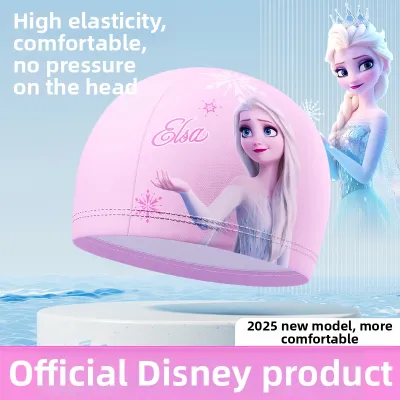
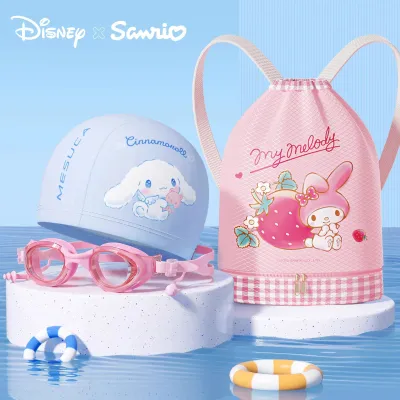
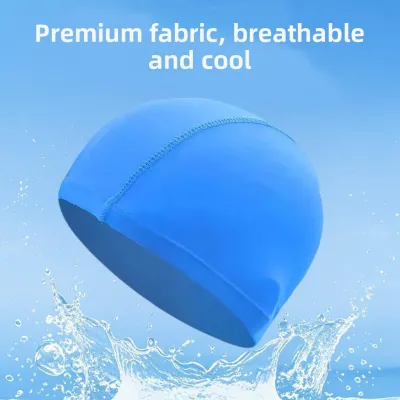
Prices are valid at publication and may change. Please refer to the product page for the latest price.
Latex caps are the traditional choice for competitive swim clubs. They are thin, lightweight, and highly elastic, allowing them to conform tightly to the contours of a child’s head to minimize water drag. However, latex is much less durable than silicone and is highly susceptible to tearing, especially from fingernails. Latex also degrades rapidly when exposed to pool chemicals, heat, and sunlight, often becoming sticky or brittle within a few months. Most importantly, latex is a common allergen, so parents must verify that their child does not have a natural rubber latex sensitivity before purchasing.
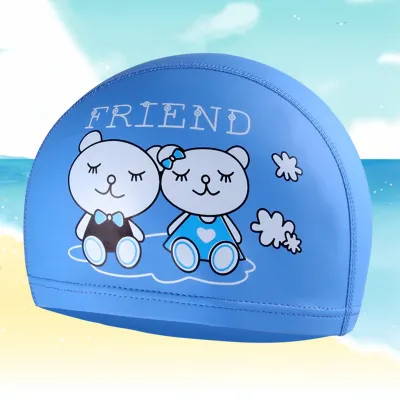
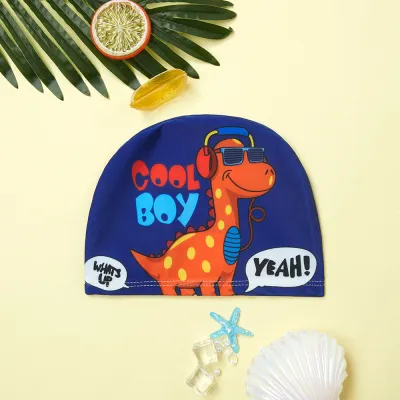
Fabric caps, typically made from Lycra, spandex, or polyester, prioritize comfort over water resistance. These caps are soft, highly breathable, and do not pull or snag hair, making them an excellent choice for toddlers and children who dislike the tight squeeze of rubberized caps. However, fabric is completely permeable to water. A fabric cap will not keep a child’s hair dry, nor will it offer protection against chlorine absorption. They are best suited for casual pool play, indoor lessons, or as an under-cap layer to prevent hair pulling beneath a tighter silicone cap.
How to Evaluate Fit and Sizing Across Different Brands
Achieving a proper fit is essential to prevent the cap from sliding up during a swim or squeezing the child’s head so tightly that it causes discomfort. Many parents mistakenly rely on generic age recommendations printed on packaging, such as “ages 3 to 8.” However, children’s head sizes vary dramatically, and different brands use distinct sizing philosophies.

To find a cap that fits securely, parents should measure their child’s head circumference using a flexible measuring tape. Wrap the tape horizontally around the widest part of the head, just above the eyebrows and ears. Compare this measurement directly to the brand’s specific sizing chart rather than relying on age brackets. A cap that is too small will constantly slide upward, while a cap that is too large will bunch up, collect water, and create drag.
The design of the cap’s edge is another critical indicator of fit and comfort. Some brands feature a reinforced rim—a thicker band of material running along the opening of the cap. This design provides excellent grip and prevents the cap from riding up during vigorous swimming, but it can apply concentrated pressure on the forehead. Other brands utilize a flat-molded or raw-edge design, which distributes pressure more evenly across the head. For children who are sensitive to pressure marks, a flat-molded edge is generally more comfortable.
Hair volume and length must also be factored into the sizing equation. Standard kids’ caps are designed for short to medium hair. If a child has long, thick, or braided hair, forcing it into a standard cap will stretch the material to its limit, causing the cap to pop off mid-swim. To address this, several brands offer specialized “long hair” models. These caps feature an extended bubble or extra volume at the back of the cap, allowing long hair to be tucked away comfortably without compromising the seal.
Checking Durability and Construction Quality
A swimming cap is subjected to constant stretching, pulling, and chemical exposure, making construction quality a key differentiator between a cap that lasts a single season and one that survives years of regular use. Parents can perform several simple physical checks to evaluate the durability of a cap before or immediately after purchase.
First, inspect the seam construction. Traditional silicone and latex caps are made by joining two halves together, resulting in a visible seam running down the center of the cap. This seam is a common point of failure, as constant stretching can cause the bond to split. High-quality modern caps often feature a seamless, 3D-molded design. These caps are molded from a single piece of silicone, eliminating seam lines entirely and creating a more hydrodynamic shape with fewer weak points. For fabric caps, inspect the stitching along the seams; look for flatlock stitching with dense, tight threads that stretch easily without fraying.
Second, look for manufacturer specifications regarding chemical and environmental resistance. High-grade silicone is naturally resistant to chlorine, but fabric caps require specific treatments to prevent the fibers from breaking down and losing their elasticity. Check the product packaging for terms like “chlorine-resistant fabric” or “UPF 50+” UV protection. In sunny climates like Singapore, UV protection is highly beneficial for outdoor pools, as solar radiation accelerates the breakdown of both synthetic fabrics and rubber materials.
Finally, learn to recognize the early signs of material fatigue. Before a cap tears completely, it will usually show warning signs. Silicone caps nearing the end of their lifespan often develop a sticky texture, particularly around the edges, or show tiny micro-tears when stretched gently against a light source. Latex caps will thin out in specific areas and lose their snappy recoil. If you notice any of these signs, it is time to replace the cap before it splits unexpectedly during a lesson.
What to Look for on Brand Labels and Specifications
Product packaging and online listings contain valuable technical data that can help parents verify the safety, material purity, and maintenance requirements of a swimming cap. Knowing how to decode these labels ensures you get a high-quality product that aligns with your child’s health needs and your household routine.
Always check the exact material percentages listed on the label. High-quality caps should state “100% Silicone” or “100% Premium Silicone.” Be cautious of labels that simply say “silicone-coated” or “silicone blend,” as these products often use a cheaper latex or rubber core coated with a thin layer of silicone. These hybrid caps do not offer the same durability or hypoallergenic properties as pure silicone.
Care instructions are another critical detail to verify. Some brands require meticulous post-swim care, such as rinsing in fresh water, towel drying, and applying talcum powder to the interior to prevent the sides from sticking together. If your household routine does not allow for this level of maintenance, look for caps labeled as “low-maintenance” or “powder-free silicone.” In humid environments, proper drying is essential to prevent mold.
Lastly, look for independent safety certifications. For fabric caps, certifications such as OEKO-TEX Standard 100 indicate that the textile has been tested for harmful substances and is safe for direct contact with sensitive young skin. For silicone caps, food-grade or medical-grade silicone designations provide assurance that the material is free from toxic plasticizers.
Decision Guide: Matching the Cap to Your Child's Needs
Selecting the ideal swimming cap requires balancing your child’s swimming frequency, skin sensitivity, and personal comfort preferences. No single cap type is perfect for every situation, so parents should use a conditional framework to make their final decision.
Choose a silicone cap if your child swims multiple times a week, has sensitive skin, or requires a durable cap that will last for several terms of swim lessons. Silicone provides the best balance of water resistance, hair protection, and long-term durability.
Choose a latex cap if your child is participating in competitive swim meets where reducing drag is a priority. The ultra-thin profile of latex offers a highly hydrodynamic fit. However, only choose latex if you are certain your child has no latex allergies.
Choose a fabric cap if your child is a beginner, swims primarily for recreation, or has a strong aversion to the tight, squeezing sensation of silicone or latex. Fabric caps are also ideal for children with sensory processing sensitivities.
Before making any purchase, always verify if your child has specific skin conditions, such as eczema. Tight-fitting silicone or latex caps can trap moisture and sweat against the scalp, potentially exacerbating these conditions. In such cases, a breathable fabric cap or a looser-fitting silicone model designed for long hair may be the most comfortable alternative.
Frequently Asked Questions (FAQ)
Do kids' swimming caps keep hair completely dry?
No, swimming caps are designed to be water-resistant rather than completely waterproof. Their primary purposes are to reduce water drag, keep hair out of the child’s face, and protect the hair from direct exposure to pool chemicals. Water will inevitably seep in around the edges of the cap, especially during active swimming or when the child submerges their head completely. To minimize water entry, ensure the cap fits snugly and covers the ears entirely.
How often should a child's swimming cap be replaced?
There is no fixed calendar timeline for replacing a swimming cap, as lifespan depends on usage frequency, chlorine exposure, and care. Instead, parents should replace the cap based on observable physical signs of degradation. Replace the cap immediately if you notice permanent stretching, a sticky or gummy texture, visible thinning, or tiny micro-tears along the edges. For regular swimmers, a high-quality silicone cap typically lasts six to twelve months.
Can a child wear a swimming cap over swim goggles?
Yes, the standard practice is to wear the swim goggles over the swimming cap. Putting the cap on first protects the hair from being pulled by the rubber or silicone goggle straps. Placing the goggle straps over the cap also helps secure the cap in place, preventing it from shifting or sliding up during active strokes. This layering order ensures a proper seal and a secure fit.

Community discussion
Share your experience or ask a question. Comments are reviewed before publication.