
Quick Answer: Is the Kingsmith Z1 Right for Your HDB Flat?
Determining whether the Kingsmith Z1 WalkingPad is suitable for your HDB flat requires balancing your available floor space with the machine’s physical specifications. For many Singapore homeowners, this compact cardio machine offers a practical way to stay active indoors without sacrificing precious square footage. However, its ultimate suitability is highly conditional on your specific home layout, storage habits, and noise tolerance.
The primary trade-off of using this equipment in a multi-story residential building is its space-saving design versus the physical effort required to move it and the potential for noise transmission. While the folding mechanism helps clear up floor space when the machine is idle, managing the unit’s weight and dampening footstep vibrations remain critical considerations for peaceful high-density living.
Before making a purchase, you must verify your household’s physical requirements against the official product label. Confirming the maximum weight capacity, motor specifications, and exact folded dimensions ensures the machine will operate safely and fit seamlessly into your daily routine.
Products mentioned in this guide
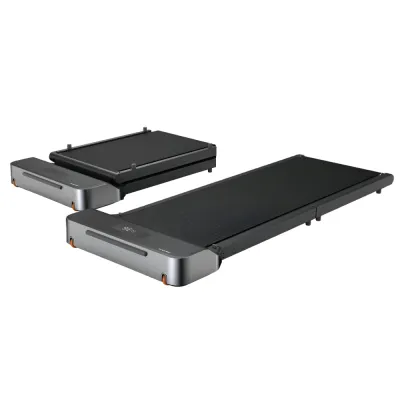
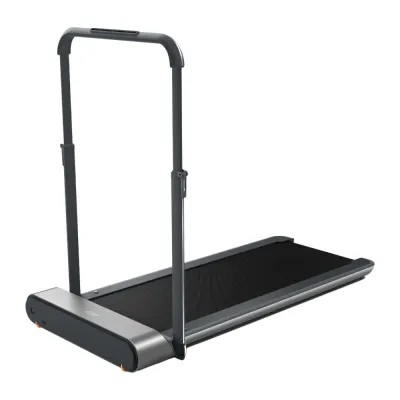
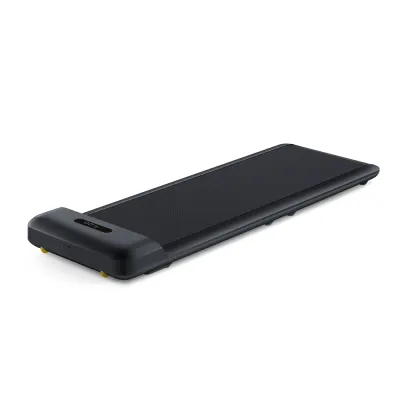
Prices are valid at publication and may change. Please refer to the product page for the latest price.
Evaluating the Kingsmith Z1 Footprint in an HDB Layout
To determine if the Kingsmith Z1 will fit your HDB flat, you must first evaluate its active footprint against your intended exercise area. Begin by obtaining the manufacturer’s official unfolded length, width, and height specifications. Because HDB living rooms and bedrooms often serve multiple functions, you cannot simply clear a space that matches the machine’s exact dimensions; you must also plan for safety clearance zones.

A safe workout environment requires a clear, unobstructed zone behind and beside the walking pad. Industry safety guidelines typically recommend leaving at least one to two meters of open space behind the treadmill belt to prevent injury in the event of a slip or fall. Additionally, keeping a half-meter clearance on both sides allows you to mount and dismount the machine safely without bumping into walls, television consoles, or coffee tables.
Vertical clearance is another crucial factor that Singapore homeowners frequently overlook. Standard HDB ceiling heights generally range from 2.6 to 2.8 meters, which can feel restrictive once you step onto an elevated walking platform. If you plan to place the walking pad directly beneath a ceiling fan, you must calculate the combined height of the machine’s deck, your own height while standing, and a safe buffer distance to avoid contact with spinning fan blades.
Foldability and Storage Solutions for Compact Homes
The defining feature of the Kingsmith Z1 is its foldability, which is designed to address the storage constraints of modern, compact apartments. To make sure this feature works in your home, you must measure your intended storage gaps before buying. Common hiding spots in HDB flats include the narrow space under a bed frame, the gap behind a sofa, or inside a household shelter or utility closet.
Measure the height, width, and depth of these storage areas carefully, keeping in mind that bed frames often have low-clearance support bars or center legs that can block entry. You should also check the official folded thickness of the unit to ensure it can slide smoothly into your chosen spot without scraping your furniture or the floor.
Maneuvering the machine into storage requires physical effort, so you must verify the unit’s total weight on the official specification sheet. Even with built-in transport wheels, lifting and guiding a heavy piece of fitness equipment across your home can be physically demanding. If you have back concerns or limited physical strength, consider whether you can comfortably manage this weight on a daily basis.
Furthermore, you should only attempt to store the walking pad vertically if the manufacturer explicitly states that the model is designed for upright storage. Unsupported vertical storage poses a significant tipping hazard, especially in households with young children or pets. Always follow the official user manual’s instructions regarding approved storage orientations and locking mechanisms.
Noise, Vibration, and HDB Living Considerations
Living in a high-density HDB estate means that your indoor activities can easily affect your neighbors. When using a walking pad, both the hum of the electric motor and the physical impact of your feet striking the belt generate vibrations. These vibrations can travel downward through the concrete floor slabs, creating a low-frequency thudding noise in the flat directly below yours.
To maintain good neighborly relations, you should actively manage this noise transmission. Check the manufacturer’s documentation for the official decibel ratings of the motor under various speed settings. While a quiet motor helps, the physical impact of walking or jogging is often the primary source of disturbance, making additional dampening measures necessary.
We highly recommend placing a high-density, shock-absorbing anti-vibration mat beneath the walking pad. This mat acts as a barrier, absorbing the kinetic energy of your footsteps before it can transfer into the building’s structure. Additionally, establish sensible usage boundaries by avoiding early morning or late-night exercise sessions, and position the machine away from shared party walls that connect directly to your neighbor’s bedrooms.
Pre-Purchase Checklist: Measuring Your Space and Checking Specs
Before finalizing your purchase on any online marketplace or local retailer, complete this step-by-step checklist to ensure a seamless setup in your HDB flat.
Step 1: Measure the Active Zone Use a measuring tape to map out the exact floor area where you plan to use the machine. Ensure you have marked out the required safety clearance behind and beside the unit, keeping it clear of furniture, cords, and doorways.
Step 2: Measure the Storage Zone Verify the height of the gap under your bed or sofa, or the floor space inside your utility closet. Compare these measurements directly with the manufacturer’s folded dimensions to guarantee a proper fit.
Step 3: Check Delivery Pathways Measure the width of your HDB main entrance, bedroom doors, and any narrow hallway turns. This ensures the delivery team can safely transport the boxed unit into your home without damaging your walls or door frames.
Step 4: Verify Technical Specifications Locate the official product label or authorized store page to confirm the maximum user weight capacity, motor power, and belt width. Ensure these specifications align with the weight and fitness goals of everyone in your household.
If your home measurements, floor type, or user requirements do not align with the manufacturer’s official guidelines, stop and consult the seller or manufacturer directly. Do not attempt to bypass safety recommendations, as improper installation or usage can lead to equipment damage or personal injury.
Frequently Asked Questions (FAQ)
Do I need a special mat for the Kingsmith Z1 on HDB vinyl or tile floors?
Yes, using a dedicated protective mat is highly recommended for both vinyl and tile flooring in HDB flats. Heavy fitness equipment can cause vinyl planks to dent, scuff, or discolor over time due to friction and heat. On tiled floors, a high-density rubber or EVA mat prevents the machine from sliding during use and helps dampen the structural vibrations that cause noise complaints. Always check the manufacturer’s guidelines to select a mat material that is compatible with your specific floor finish.
Can the Kingsmith Z1 be stored vertically against an HDB wall?
You must not store the walking pad vertically unless the manufacturer’s user manual explicitly states that the unit is designed for upright storage and provides a secure locking mechanism. Leaning a heavy, flat machine against an HDB wall without proper structural support creates a severe tipping hazard. If the unit falls, it can cause serious injury to household members or damage your walls and flooring. If the official instructions do not detail vertical storage steps, always store the unit flat on the floor.
Community discussion
Share your experience or ask a question. Comments are reviewed before publication.