
When choosing an insulated bottle for your fitness routine, the balance between aesthetic design and thermal performance is a critical consideration. If you are evaluating a Kinto water bottle, the short answer is that Kinto provides highly reliable, double-wall vacuum insulation that easily keeps water cold throughout standard gym sessions, hot yoga classes, and daily commutes. However, whether it represents the absolute “best” option depends entirely on the nature of your training.
Kinto bottles are designed with a lifestyle-first philosophy, blending minimalist Japanese design with high-functioning daily usability. They excel in indoor, studio, and urban fitness environments where sleek ergonomics, a comfortable drinking lip, and a completely sweat-proof exterior are highly valued. For heavy-duty outdoor adventures, long-distance trail running, or high-impact sports, other dedicated outdoor brands may offer superior ruggedness, protective silicone boots, and specialized high-flow lids that are better suited to harsh environments.
Because insulation efficiency and physical durability vary across Kinto’s product lineup—such as the Active Tumbler, Travel Tumbler, and Day Off Tumbler—it is essential to evaluate individual model specifications rather than relying on broad brand generalizations. Matching the bottle’s thermal ratings and lid design to your specific workout duration and hydration needs will ensure you select the perfect companion for your active lifestyle.
Products mentioned in this guide
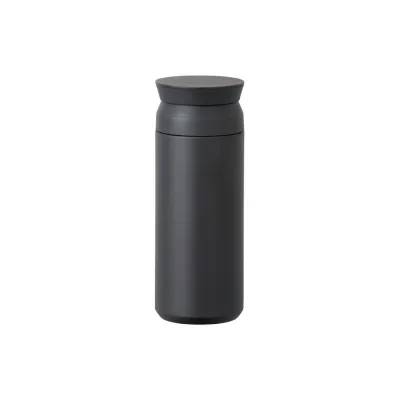
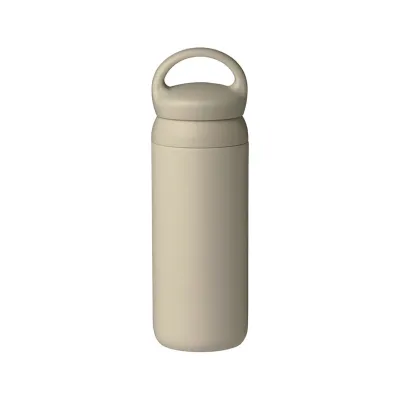
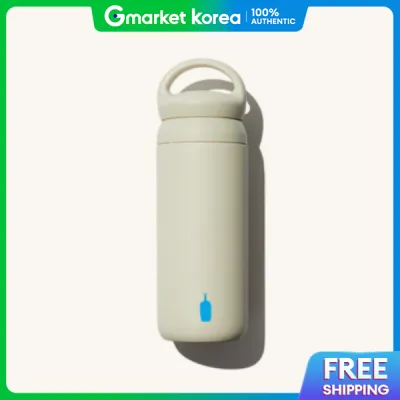
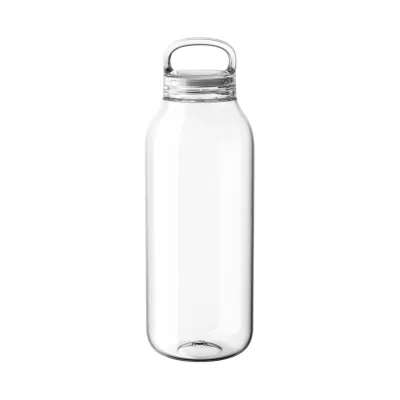
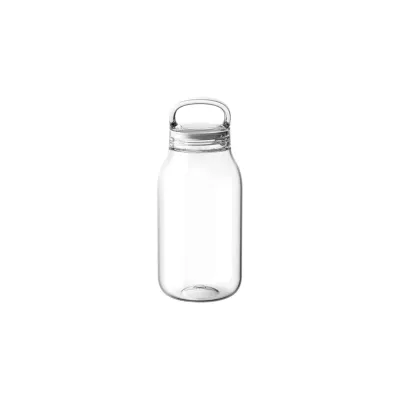
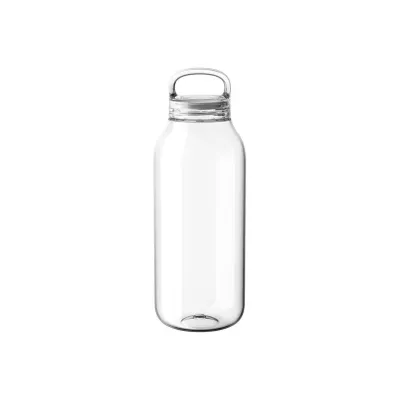
Prices are valid at publication and may change. Please refer to the product page for the latest price.
How Kinto’s Vacuum Insulation Works for Active Lifestyles
To understand how Kinto performs during a workout, it helps to look at the science behind its temperature retention. Like most premium insulated flasks, Kinto utilizes a double-wall vacuum structure fabricated from high-grade 18/8 stainless steel. This design features an inner and outer wall with a vacuum gap sealed between them. Because a vacuum contains no air molecules, it eliminates heat transfer via conduction and convection. This means the temperature of your cold water remains isolated from the external environment, even when exercising in warm conditions.
While the underlying vacuum technology is standard across high-quality brands, Kinto distinguishes itself through its design priorities. Instead of focusing solely on maximum thermal duration at the expense of weight and aesthetics, Kinto balances insulation with user experience. The brand prioritizes smooth, natural water flow, balanced empty weight, and highly tactile exterior finishes. For instance, many Kinto lids feature a dual-structure design that controls the flow of water and catches ice cubes, preventing them from blocking the opening while you drink mid-workout.
This design philosophy positions Kinto in a distinct segment of the sports accessories market. It bridges the gap between purely functional, rugged outdoor gear and stylish, everyday carry items. While a heavy-duty expedition flask is engineered to survive drops down rocky cliffs and keep ice frozen for days, it often comes with a bulky, heavy frame and a complex lid. Kinto, by contrast, focuses on streamlining your hydration experience, offering a lighter, more elegant bottle that fits seamlessly into gym bags and modern active routines.
It is also important to recognize that real-world insulation performance is not a static number. The rate at which your drink warms up depends heavily on several operational factors. These include the volume of liquid in the bottle, the ratio of ice to water, how often you unscrew the lid to take a sip, and the ambient temperature of your workout environment. Understanding these variables allows you to manage your hydration effectively, ensuring your water stays crisp and refreshing from your warm-up to your final stretch.
Critical Insulation and Design Metrics for Sports Bottles
Cold Retention and Sweat-Proof Performance in Tropical Heat
In a tropical climate like Singapore’s, where temperatures regularly hover around 31°C and relative humidity frequently exceeds 80%, the demands on an insulated water bottle are uniquely high. When you are training outdoors, running along East Coast Park, or participating in an intense outdoor boot camp, cold hydration is essential for regulating your core body temperature and sustaining your performance. Under these conditions, a bottle’s ability to resist external heat transfer is put to the ultimate test.

A key requirement for any insulated bottle used in high-humidity environments is sweat-proof performance. When a bottle is filled with ice water, the cold temperature can easily transfer to the outer shell if the insulation is inadequate. When warm, moisture-laden air comes into contact with this cold surface, it quickly drops below the dew point, causing water droplets to condense on the exterior. This “sweating” makes the bottle incredibly slippery to hold during a workout and can leave pools of water inside your gym bag, potentially damaging your electronics, dry clothes, or fitness trackers.
A properly functioning Kinto vacuum-insulated bottle prevents this issue entirely. By isolating the cold internal liquid from the outer stainless steel wall, the exterior of the bottle remains at ambient temperature, staying dry and comfortable to hold. To get the most out of your bottle in tropical conditions, always verify the manufacturer’s specific cold-retention ratings on the packaging. These ratings typically guarantee that water will remain below a certain temperature (such as 8°C or 10°C) for up to 6 hours. Keep in mind that these lab tests are conducted under moderate ambient conditions, so adding extra ice is highly recommended when heading out into intense tropical heat.
Grip, Weight, and Leak-Proof Reliability During Movement
Beyond thermal performance, the physical handling of your sports bottle during dynamic movement can make or break your workout experience. When you are in the middle of a high-intensity interval training (HIIT) session or lifting weights, your hands are naturally sweaty. A bottle with a completely smooth, glossy finish can easily slip from your grasp, leading to loud drops and potential dents. Kinto addresses this by applying a durable, textured powder coating to the exterior of most of their active and travel models. This matte finish provides a secure, non-slip grip that feels stable even when your hands are damp.
Weight is another crucial factor, especially if you carry your gear to and from a fitness center or run with your bottle in hand. Heavy-duty outdoor flasks often feature reinforced steel bases, thick rubber boots, and heavy mechanical lids, which add substantial weight before you even add water. Kinto bottles are engineered to be remarkably lightweight, utilizing thin yet durable walls that keep the empty weight of the bottle to a minimum. This makes them highly portable and easy to slip into a small gym bag without adding unnecessary bulk to your daily carry.
Finally, leak-proof reliability is non-negotiable when you are on the move. A bottle that leaks inside your gym bag can ruin your gear and disrupt your day. When selecting a bottle, carefully inspect the lid design. Kinto utilizes high-quality silicone gaskets that create an airtight, watertight seal when the lid is properly tightened. While some heavy-duty sports bottles feature complex, spring-loaded flip lids with secondary safety locks, Kinto generally relies on elegant, precision-threaded screw tops or streamlined flip-spouts. It is vital to verify that the silicone seals are correctly seated after every wash to maintain this leak-proof integrity during transit.
Comparing Kinto to Leading Sports Brands: A Spec-Checking Guide
To help you make an informed decision, it is highly valuable to compare Kinto’s typical design and performance profile against heavy-duty sports and outdoor brands. Rather than relying on subjective marketing claims, you should evaluate these products based on verifiable physical specifications and design trade-offs. The following comparison matrix outlines the key differences you will find when evaluating these options for your workouts.
| Feature | Kinto Typical Profile | Heavy-Duty Sports Brands | What to Verify on the Label |
|---|---|---|---|
| Primary Use Case | Gym, studio fitness, yoga, commuting, and daily active lifestyles. | Rugged outdoor sports, trail running, alpine hiking, and extreme conditions. | Look for intended environment recommendations on the packaging. |
| Exterior Finish | Elegant, scratch-resistant powder coating with a matte, tactile grip. | Highly textured, thick powder coatings or integrated silicone protective sleeves. | Check if the exterior coating is designed for high-impact resistance. |
| Lid Mechanism | Streamlined screw-tops, 360-degree drinking caps, or simple flip-spouts. | Complex locking mechanisms, integrated straw systems, or high-flow sports caps. | Verify if the lid is fully leak-proof or only splash-resistant. |
| Impact Resistance | Standard premium stainless steel; susceptible to cosmetic denting on hard drops. | Reinforced bases, thicker steel walls, or protective rubber bumper boots. | Check for structural drop guarantees or double-wall thickness specs. |
| Thermal Focus | Balanced cold and hot retention optimized for daily active use (6–12 hours). | Maximum cold retention (often up to 24+ hours) optimized for long outdoor exposures. | Read the exact temperature retention claims (e.g., "keeps cold below 8°C for 6 hours"). |
When reading product labels, pay close attention to the specific testing parameters used by the manufacturer. Thermal performance claims are highly dependent on the starting temperature of the liquid and the ambient temperature of the testing room. If a label states that a bottle keeps water cold for 6 hours, verify if that applies to a standard indoor temperature of 20°C. If you plan to use the bottle outdoors in Singapore’s 30°C+ heat, expect the actual cold-retention window to be slightly shorter, and compensate by filling the bottle with more ice.
You should also consider the functional trade-offs of different lid designs. Kinto’s minimalist lids are exceptionally easy to clean because they feature fewer moving parts and deep recesses where bacteria or mold can hide. This is a major advantage in humid climates where mold can develop rapidly. On the other hand, specialized sports bottles often feature complex, multi-part straw lids that allow you to drink hands-free or without tilting the bottle. While highly convenient during intense cycling or running, these lids require meticulous cleaning with specialized tiny brushes to maintain proper hygiene.
Decision Framework: Which Insulated Bottle Fits Your Training?
Choose Kinto if:
Your fitness routine primarily takes place in controlled indoor environments, such as a modern gym, a yoga or Pilates studio, a spin class, or during your daily urban commute. If you value a clean, minimalist aesthetic that looks just as appropriate in an office meeting as it does on a gym floor, Kinto is an exceptional choice. The brand’s focus on balanced weight, a comfortable and natural drinking interface, and highly effective sweat-proof performance makes it perfect for moderate-duration workouts where you do not need to carry massive volumes of water. Kinto is also ideal if you prioritize easy daily maintenance, as its simple lid components are incredibly straightforward to wash and dry.
Choose Heavy-Duty Outdoor Sports Brands if:
Your training involves long-distance trail running, multi-hour outdoor cycling, climbing, or extreme outdoor sports where your gear is highly likely to be dropped on concrete, rocks, or rough terrain. If you require a bottle that can withstand severe impacts without denting or losing its vacuum seal, you will benefit from a ruggedized bottle with a reinforced base or an integrated silicone boot. Additionally, if you are exercising outdoors in direct sunlight for four or more hours and require your water to remain ice-cold without access to a refill station, a heavy-duty brand engineered specifically for maximum thermal retention is the more practical choice.
Verify First if:
You have highly specific physical requirements for your sports accessories. For example, if you are a cyclist, you must verify the exact outer diameter of the Kinto bottle to ensure it fits securely in a standard bicycle bottle cage without rattling or falling out. If you are a hiker, check whether the bottle has a built-in, heavy-duty carrying loop or carabiner attachment point for hands-free transport. Furthermore, if you prefer to drink through a straw during high-intensity intervals to avoid breaking your stride, verify if Kinto offers a compatible sports lid for your chosen model, or if you will need to look at alternative brands that include these features as standard. Always check the physical dimensions (height and diameter) of the bottle to confirm it will fit comfortably in your gym bag’s side pockets or your vehicle’s cup holders.
Maintaining Your Bottle’s Insulation and Hygiene
To ensure your insulated bottle continues to perform at its best and remains completely hygienic, establishing a proper cleaning routine is essential. Sweat, saliva, and sports drink residues can quickly lead to bacterial growth and unpleasant odors, particularly in warm, humid climates. After every workout, wash your bottle using warm, soapy water and a soft-bristled bottle brush. The brush allows you to reach the very bottom of the flask and clean the inner walls thoroughly without scratching the high-quality 18/8 stainless steel interior.
It is crucial to avoid harsh cleaning methods that can permanently damage your bottle. Never use abrasive scrubbers, steel wool, bleach, or chlorine-based cleaners, as these can scratch the steel and compromise the protective oxide layer that prevents rusting. Furthermore, unless the manufacturer’s care instructions explicitly state that your specific Kinto model is dishwasher safe, always wash it by hand. The intense heat, prolonged moisture, and highly abrasive detergents used in household dishwashers can degrade the exterior powder coating, warp the silicone gaskets, and potentially compromise the vacuum seal itself, rendering the insulation ineffective.
Proper drying is just as important as washing when it comes to preventing mold and mildew. After washing, disassemble all components of the lid, including any removable silicone gaskets. Place the bottle upside down on a clean, dry dish rack, and allow all parts to air dry completely in a well-ventilated area before reassembling them. Leaving the lid tightly closed on a damp bottle creates a dark, humid environment that is highly conducive to mold growth.
Finally, make a habit of regularly inspecting the silicone gaskets and seals for any signs of wear, stretching, or mold accumulation. Over time, these seals can degrade due to friction, heat, and regular use. A compromised gasket not only leads to annoying leaks in your gym bag but also allows ambient air to enter the bottle, significantly reducing its thermal insulation performance. If you notice any damage or a loss of elasticity, consult the manufacturer’s guidelines to purchase genuine replacement seals to restore your bottle’s original performance.
Frequently Asked Questions (FAQ)
Does Kinto keep water cold longer than standard single-wall steel bottles?
Yes, Kinto’s double-wall vacuum-insulated bottles vastly outperform standard single-wall stainless steel bottles in temperature retention. Single-wall bottles have no thermal barrier, meaning heat from the surrounding air is rapidly conducted directly into your drink, causing ice to melt within minutes in warm weather. Additionally, single-wall bottles will sweat profusely in humid environments like Singapore, creating heavy condensation on the exterior. Kinto’s vacuum layer acts as a complete barrier to heat transfer, keeping your water cold for hours while ensuring the exterior remains perfectly dry and easy to grip.
Are Kinto bottles suitable for hot yoga or outdoor runs in Singapore?
Kinto bottles are highly suitable for hot yoga and outdoor runs due to their reliable sweat-proof construction and comfortable grip. In a hot yoga studio, the sweat-proof exterior prevents the bottle from slipping out of your hands or leaving pools of water on your yoga mat. For outdoor runs, they provide excellent cold hydration, though you should pre-chill the bottle or use plenty of ice to maximize cold retention against the intense tropical heat. Before heading out, always verify that the lid is securely tightened to prevent any leaks during dynamic running movements.
Community discussion
Share your experience or ask a question. Comments are reviewed before publication.