
Quick Verdict: How Klean Kanteen 20oz Handles Cold Retention
When evaluating how the Klean Kanteen 20oz compares to other premium sports bottles, the short answer is that insulation performance is not a single, fixed number. Instead, cold retention depends heavily on the specific bottle line you choose—such as the streamlined Insulated Classic or the modern TKWide—and the exact lid configuration you pair with it. While the double-wall vacuum construction provides an exceptional thermal barrier, the physical design of the cap acts as the ultimate gatekeeper for temperature control during your workouts.
In real-world exercise scenarios, a bottle is only as insulating as its weakest point. A Klean Kanteen 20oz equipped with a solid, fully insulated loop cap will easily match or exceed the cold retention of major competitors. However, if you swap that solid cap for a high-flow sport cap or a convenient flip-straw lid to make drinking easier during high-intensity cardio, you introduce a thermal bridge that allows ambient heat to enter the flask. Maximizing cold retention requires balancing the thermal engineering of the bottle with the practical convenience of your chosen lid.
For active users, this means there is no single “best” bottle for every scenario. If your primary goal is keeping water ice-cold during a long, humid outdoor session, you must look closely at how the bottle’s neck, threads, and cap interact. By understanding these design elements, you can customize your setup to achieve the perfect balance of thermal efficiency and quick-sip convenience.
Products mentioned in this guide
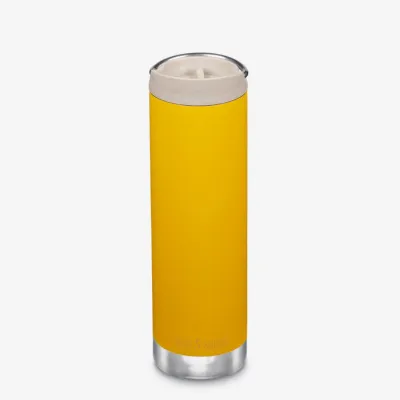
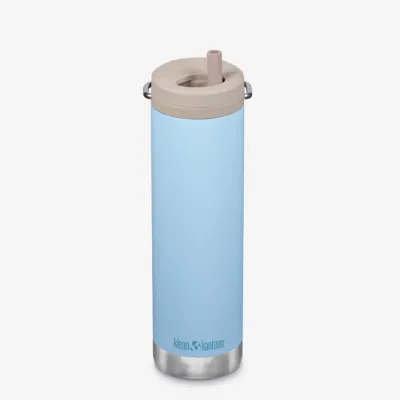
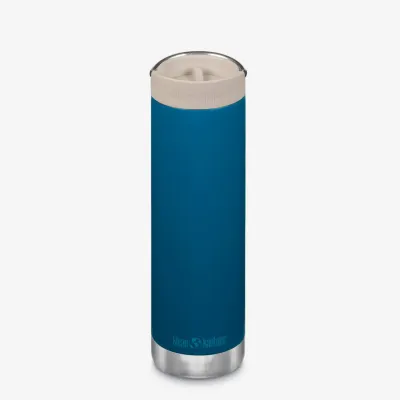
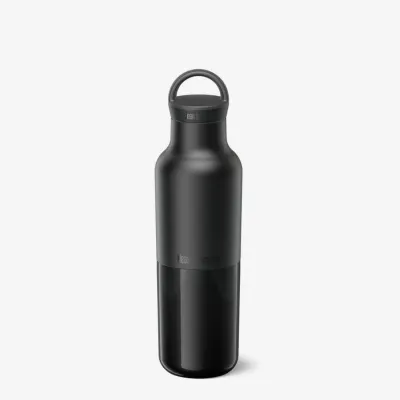
Prices are valid at publication and may change. Please refer to the product page for the latest price.
Core Factors That Dictate Cold Retention in Sports Bottles
Vacuum Insulation and Wall Thickness
To understand why some sports bottles keep drinks ice-cold while others let ice melt within an hour, you must look at the physics of double-wall vacuum insulation. This technology relies on two stainless steel walls with a vacuum sealed between them. Because a vacuum contains virtually no air molecules, it eliminates conductive and convective heat transfer, preventing the hot outside air from warming the liquid inside the flask.

Wall thickness and overall manufacturing precision play a massive role in how effectively this vacuum barrier is maintained. Thicker steel walls provide a more robust structure that resists warping, which helps preserve the integrity of the vacuum over years of heavy use. Additionally, the thermal mass of the liquid inside the bottle affects temperature stability; a fully filled 20oz (approximately 592ml) bottle contains more thermal mass and will resist temperature changes far longer than a half-empty bottle, as there is less empty space for warm air to occupy.
The Role of the Lid and Seal Design
While the stainless steel body of a sports bottle is highly efficient at blocking heat, the lid is almost always the primary point of thermal loss. Most lids are constructed from BPA-free polypropylene plastic, which does not insulate nearly as effectively as a vacuum-sealed steel wall. Consequently, ambient heat slowly penetrates the bottle through the cap, making the lid design a critical factor in overall performance.
Solid screw-down caps, such as insulated loop caps, create a thick, continuous barrier directly over the bottle opening, minimizing the surface area where heat can transfer. In contrast, sports caps, flip-straw lids, and press-button caps prioritize one-handed convenience but introduce multiple joints, internal straws, and air valves. These functional features act as thermal bridges, allowing warm air to bypass the insulation and gradually raise the temperature of your drink during a workout.
External Coatings and Condensation
In highly humid environments, such as Singapore’s tropical climate, condensation is a constant challenge for single-walled containers. A high-quality double-wall insulated bottle solves this by keeping the exterior wall at ambient temperature, preventing the “sweat” that occurs when warm, moisture-laden air hits a cold surface. This ensures your gym bag and workout gear remain completely dry.
However, the external finish of the bottle still plays an important role in usability. A smooth, painted surface can become incredibly slippery when handled with sweaty hands during an intense training session. Textured powder coatings, such as Klean Kanteen’s proprietary Klean Coat finish, provide a durable, high-friction surface that ensures a secure grip. This chip-resistant coating not only protects the steel underneath from cosmetic damage but also ensures the bottle remains easy to hold during rapid movements.
Evaluating Klean Kanteen 20oz Design for Workouts
Thread Design and Thermal Breaks
One of the most distinctive engineering features of the Klean Kanteen 20oz line, particularly within the TKWide series, is the approach to thread design. Traditional insulated bottles feature external threads wrapped around the outside of the metal neck. This design leaves a thin, uninsulated steel lip exposed to the air, creating a continuous thermal bridge where heat can travel down the neck and into the liquid.
To combat this, the TKWide utilizes an internal thread design known as the TK Closure system. By placing the threads on the inside of the bottle neck, the insulated lid can screw down deeply into the opening, aligning directly with the vacuum-insulated walls. This configuration creates a highly effective thermal break, significantly reducing heat transfer at the bottle’s most vulnerable point and keeping the drinking interface cooler for longer periods.
Lid Compatibility and Workout Convenience
Your choice of lid directly dictates how well the Klean Kanteen 20oz integrates into your exercise routine. For high-intensity cardiovascular activities like running, cycling, or indoor spinning, stopping to unscrew a solid cap is impractical and potentially unsafe. In these scenarios, the Sport Cap or the Twist Cap offers rapid, one-handed hydration, though you must accept a slight reduction in absolute cold retention due to the less insulated structure of these high-flow lids.
For lower-intensity activities, such as strength training, yoga, or hiking, where you have the time to use both hands, a fully insulated Loop Cap or Cafe Cap is the superior choice. These caps seal the vacuum chamber completely, maximizing ice retention over long hours. By utilizing Klean Kanteen’s modular lid ecosystem, you can easily swap caps depending on your daily activity, using a sport cap for your morning run and an insulated loop cap for an afternoon outdoor trek.
How Klean Kanteen Stacks Up Against Competitor Designs
Neck Width and Ice Retention
When comparing Klean Kanteen to other popular sports bottle brands, the width of the bottle opening is a key differentiator. Many competitor sports bottles feature ultra-wide mouths designed to accommodate large, block-style ice cubes easily. While a wide opening makes filling the bottle incredibly simple, it presents a distinct thermal disadvantage during actual use.
Every time you unscrew the lid of an ultra-wide mouth bottle to take a drink, a large volume of cold air escapes and is replaced by warm, humid ambient air. This rapid air exchange accelerates the rate at which your ice melts. Klean Kanteen’s mouth widths are carefully optimized; they are wide enough to accommodate standard ice cubes from a home freezer tray, yet narrow enough to limit the surface area exposed to external heat during quick sips.
Base Design and Durability
Because vacuum insulation relies on a perfect, airtight seal between the inner and outer steel walls, physical durability is directly tied to long-term thermal performance. If a sports bottle is dropped onto a hard concrete gym floor or a rocky outdoor trail, the base can easily dent. A severe dent can cause the inner and outer walls to touch, instantly destroying the vacuum barrier and rendering the insulation useless.
Many competitors address this vulnerability by shipping their bottles with integrated silicone boots or heavily reinforced, molded plastic bumper bases. Standard Klean Kanteen 20oz models typically feature a sleek, streamlined all-stainless-steel flat base. While this classic design looks elegant, it is more susceptible to impact damage if dropped. To protect your investment and maintain the vacuum seal, it is highly recommended to purchase a protective silicone boot separately, which typically costs around S$10 to S$15.
Weight and Portability Trade-offs
There is an unavoidable physical trade-off between insulation performance and portability. To achieve superior cold retention, a bottle requires thicker steel walls and more robust internal components, which naturally increases the dry weight of the container. A fully filled 20oz insulated bottle can weigh well over 800 grams, a factor you must consider if you plan to carry it over long distances.
For runners and hikers, every gram matters, and a heavy insulated bottle can quickly become a burden compared to lightweight, single-walled alternatives. For cyclists, the physical dimensions of the bottle are equally critical; the streamlined, cylindrical profile of the Klean Kanteen 20oz is designed to fit standard bicycle bottle cages. However, because metal cages can scratch the exterior finish and tight plastic cages can be difficult to navigate while riding, you should verify your specific cage clearance and material before heading out on a ride.
Decision Framework: Which Insulated Bottle Fits Your Routine?
To help you determine whether the Klean Kanteen 20oz or a competitor design is the right fit for your active lifestyle, consider the following targeted recommendations based on your specific workout habits and priorities.
Choose the Klean Kanteen 20oz if:
- You value neck insulation: The internal thread design of the TKWide series provides a superior thermal break, making it ideal for keeping drinks cold in hot climates.
- You want a modular system: You prefer a single bottle body that can seamlessly transition from a leak-proof coffee mug to a high-flow sports bottle simply by swapping the lid.
- You need bike cage compatibility: The streamlined, classic cylindrical shape fits exceptionally well in standard bicycle bottle cages and backpack side pockets.
Choose a competitor design if:
- You want out-of-the-box drop protection: You prefer a bottle that includes a built-in silicone bumper or a reinforced base to withstand frequent drops on hard gym floors.
- You use oversized ice: You regularly use massive, block-style ice cubes that require an ultra-wide mouth opening for easy filling.
- You prefer an integrated straw lid: You want a highly specialized, built-in flip-straw mechanism that does not require purchasing additional aftermarket accessories.
Verify first if:
- You are training in extreme heat: If you are exercising outdoors in Singapore's high humidity and heat, ensure your chosen lid has a clean, undamaged silicone gasket to prevent warm air from leaking into the vacuum chamber.
- You want to maintain the finish: Always check the manufacturer's care instructions for your specific bottle model; while many modern finishes are labeled as dishwasher safe, hand-washing is often recommended to maximize the lifespan of the powder coating and the vacuum seal.
Frequently Asked Questions (FAQ)
Does putting a sports bottle in the fridge improve its insulation?
No, putting a vacuum-insulated sports bottle in the refrigerator or freezer will not cool the liquid inside or improve its thermal performance. Because double-wall vacuum insulation is designed to block heat transfer in both directions, the cold air of the refrigerator cannot penetrate the vacuum barrier to cool the water inside. To get a truly cold drink, you must pre-chill the liquid in a separate container before pouring it into your bottle, or simply add ice cubes directly to the flask before sealing the lid.
Can I put hot drinks in a bottle optimized for cold workouts?
While the high-quality stainless steel body of a double-wall insulated bottle can safely hold both hot and cold liquids, the specific lid you use dictates safety. Sports caps, flip-straw lids, and press-button caps designed for quick hydration during workouts are not engineered for hot liquids. High temperatures can cause pressure to build up inside the bottle, leading to leaks, spraying, or potential burn injuries when opening the cap. If you plan to transition your sports bottle to hot coffee or tea, always swap the sport cap for a fully sealed, pressure-safe insulated loop cap or cafe cap designed specifically for hot beverages.
Community discussion
Share your experience or ask a question. Comments are reviewed before publication.