
Selecting the right knee and elbow pads as an inline skating beginner is the most critical step toward building confidence and preventing painful scrapes or impact injuries on the pavement. When learning to balance, roll, and stop, falls are an expected part of the progression. The ideal protective gear must balance robust impact absorption with a secure, non-slip fit that withstands the humid, warm conditions typical of outdoor skating paths in Singapore. Rather than searching for a universal “best” option, beginners should focus on finding pads that match their body measurements, skating environment, and comfort preferences.
To make an informed decision, you must understand how different materials and designs perform during a fall. The right gear should not only cushion a direct blow but also allow you to slide safely across the ground, dispersing the kinetic energy of your momentum. By evaluating key structural features, sizing methods, and safety standards, you can select a set of pads that keeps you protected while you master the basics of inline skating.
Essential Protection Features for Beginners
When evaluating protective gear, the primary distinction you will encounter is between hard-shell caps and soft-shell designs. For inline skating beginners, hard-shell caps—typically made of high-density polyethylene (HDPE) or similar durable plastics—are highly recommended. When you fall forward on asphalt or concrete, these hard plastic caps are designed to slide along the pavement. This sliding action is crucial because it disperses the forward momentum of your fall, significantly reducing the sudden, jarring impact force transmitted directly to your joints. In contrast, soft-shell pads tend to grip the ground upon contact, which can cause a sudden stop, potentially leading to joint twisting, tumbling, or shoulder strain.
Products mentioned in this guide
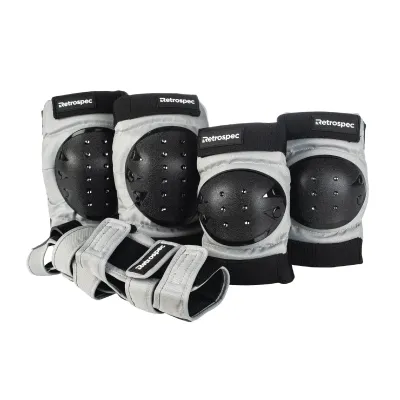
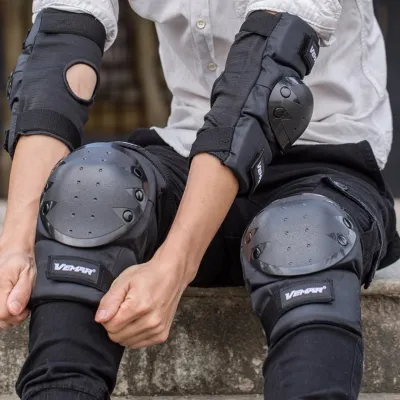
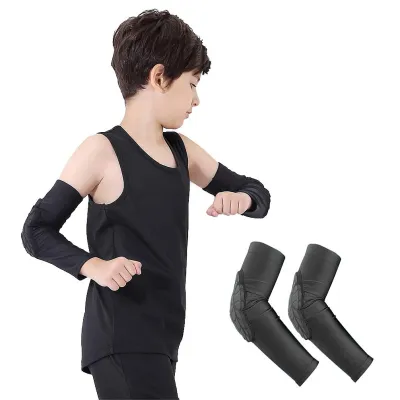
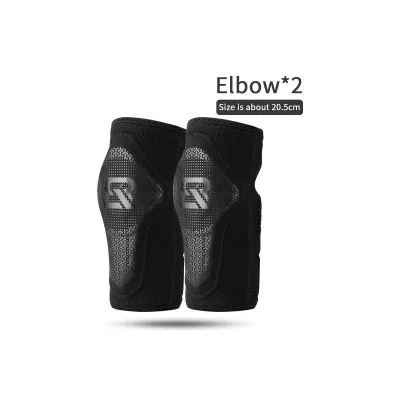
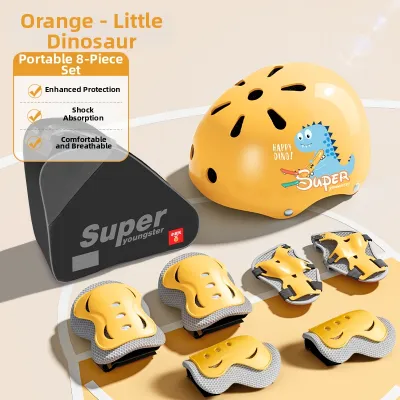
Prices are valid at publication and may change. Please refer to the product page for the latest price.
Behind the hard plastic shell lies the shock-absorbing core, which is responsible for cushioning your joints from the residual force of an impact. When inspecting pads, check the density and thickness of the inner foam, which is commonly made of Ethylene-Vinyl Acetate (EVA) or polyurethane. Press firmly on the foam; it should feel dense and resilient, resisting complete compression under the pressure of your thumb. The foam should also feature a contoured cup design that wraps securely around the patella (kneecap) and the olecranon (elbow tip). This anatomical shaping prevents the joint from sliding off the protective cushion during an angled impact.
The closure system is the third critical component of beginner pads, as even the most protective materials are useless if they shift away from the joint during a fall. Look for pads that utilize a combination of elastic sleeves and adjustable hook-and-loop straps. The sleeve, often constructed from breathable neoprene or nylon mesh, slides over the limb to keep the pad centered. The adjustable straps then anchor the pad firmly in place above and below the joint. Ensure the straps are wide enough to distribute pressure evenly, preventing localized pinching or restriction of blood flow during extended skating sessions.
Finally, consider the ventilation and breathability of the materials. Skating in Singapore’s tropical climate means you will sweat heavily, which can cause pads to slip if the inner lining lacks moisture-wicking properties. Look for pads featuring perforated foam cores, mesh panels, and moisture-wicking interior fabrics. These features help channel heat and sweat away from your skin, keeping the pads securely anchored and reducing the risk of skin chafing or irritation over hours of practice.
Sizing and Fit: Ensuring the Pads Stay in Place
To ensure your knee and elbow pads provide reliable protection, you must achieve a precise fit. Pads that are too loose will slide down your limbs during a fall, leaving your joints exposed to the pavement. Conversely, pads that are too tight will restrict your range of motion, cause painful pinching, and discourage you from wearing them altogether. To find your correct size, avoid relying on general clothing sizes (such as medium or large) and instead take precise physical measurements using a flexible measuring tape.

To measure for knee pads, stand with your leg slightly bent and measure the circumference of your leg in two places: approximately 10 centimeters above the center of your kneecap, and 10 centimeters below it. For elbow pads, measure the circumference of your arm 5 to 8 centimeters above the elbow joint, and the same distance below it. Write down these measurements in centimeters and compare them directly to the manufacturer’s specific sizing chart. If your measurements fall between two sizes, it is generally safer to opt for the larger size if the pad features highly adjustable straps, or the smaller size if it relies primarily on an elastic sleeve for tension.
Once your pads arrive, perform a comprehensive mobility test before heading out to skate. Put on the pads and bend your knees and elbows to a 90-degree angle. Check for any skin pinching at the back of the joints or excessive material bunching that restricts your movement. Walk around, perform a few gentle squats, and swing your arms naturally. The pads should remain firmly centered over your kneecap and elbow tip without sliding downward. If you notice any shifting or if the straps require overtightening to stay in place, the fit is incorrect, and you should exchange them for a different size or model.
You must also weigh the trade-offs between slip-on sleeves and wrap-around strap designs. Slip-on sleeves offer superior stability and a lower profile, making them highly resistant to shifting during a slide. However, they can be challenging to pull on and off, especially over sweaty skin or bulky clothing. Wrap-around straps, which do not require you to remove your skates to put on your pads, offer excellent adjustability and convenience. The trade-off is that they rely entirely on strap tension to stay in place, and the hook-and-loop fasteners can occasionally snag on clothing or degrade over time with exposure to dirt and moisture.
Evaluating Pad Sets vs. Individual Pieces
As a beginner, you will need to decide whether to purchase a pre-packaged protective gear set (often called a 3-pack, which typically includes knee pads, elbow pads, and wrist guards) or buy each piece individually. For the vast majority of new skaters, a bundled set is the most practical and cost-effective choice. These sets are designed specifically to provide comprehensive, matching protection for entry-level skaters, with prices generally ranging from S$40 to S$90. Purchasing a bundle simplifies the buying process, ensuring you have all the essential gear from day one without the hassle of matching different brands and styles.
However, bundled sets assume that your body proportions match standard manufacturing templates. If you have highly muscular legs but slender arms, or vice versa, you may find that a medium-sized bundle offers knee pads that fit perfectly but elbow pads that are far too loose. In such cases, buying individual pieces is the superior strategy. Purchasing knee and elbow pads separately allows you to select different sizes for each joint, ensuring an optimal, secure fit that maximizes safety. While this approach is typically more expensive—often costing 20% to 40% more than a standard bundle—the investment is well worth it to avoid ill-fitting gear that could fail during a fall.
To help finalize your purchasing strategy, consider the following decision framework based on your specific needs:
- Choose a Bundled Set if: You have relatively proportional limb measurements, are operating on a budget under S$80, and want a convenient, matching set of gear for casual weekend skating on flat, predictable paths.
- Choose Individual Pieces if: Your physical measurements span different size categories on manufacturer charts, you plan to skate multiple times a week, or you intend to transition quickly into high-impact disciplines like aggressive park skating or long-distance road skating.
Regardless of which path you choose, prioritize fit and comfort over aesthetics. A mismatched set of highly secure, comfortable pads will always protect you better than a perfectly coordinated bundle that slips out of place the moment you hit the ground.
Pre-Purchase Checklist and Safety Boundaries
Before finalizing your purchase at a specialty sports retailer or online marketplace, use this checklist to verify that your selected knee and elbow pads meet the necessary safety and quality standards:
- Roller Sports Certification: Verify that the product specifications or labels explicitly state compliance with recognized safety standards, such as the European EN 14120 standard for roller sports protectors. Avoid pads designed solely for non-impact sports like volleyball or general fitness, as they lack the hard-shell sliding caps required for asphalt.
- Stitching and Construction Quality: Inspect the stitching along the borders of the plastic caps and the attachment points of the straps. Look for double-stitched seams and reinforced nylon edges, which prevent the fabric from tearing apart when dragged across rough concrete.
- Strap Elasticity and Width: Ensure the elastic straps are thick, wide, and highly resilient. Narrow straps can cut into your skin and lose their elasticity quickly, leading to pad slippage after only a few weeks of use.
- Interior Lining Comfort: Feel the inner lining of the pads. It should be soft, seamless, and free of rough edges or exposed stitching that could cause painful chafing against your bare skin during movement.
While high-quality knee and elbow pads are essential for minimizing the risk of scrapes, bruises, and minor fractures, you must recognize the physical limits of your protective equipment. Wearing pads does not make you invincible, nor does it replace the fundamental need to learn proper skating techniques. Protective gear is designed to mitigate the severity of impacts, but your primary line of defense is your ability to control your speed, execute basic braking maneuvers, and fall correctly.
As a beginner, you should actively practice safe falling techniques on a soft surface, such as grass or a carpeted floor, before rolling onto the pavement. When you lose your balance, train yourself to fall forward, bending your knees to lower your center of gravity, and landing on your knee pads first, followed by your elbow pads and wrist guards. This forward-sliding motion utilizes the hard plastic caps of your gear to absorb and disperse the impact. Never attempt to catch yourself by falling backward onto your tailbone or extending your arms completely straight, as this can lead to severe wrist, elbow, or shoulder injuries that even the best pads cannot prevent.
Frequently Asked Questions (FAQ)
How often should beginners replace their knee and elbow pads?
Knee and elbow pads do not have a strict expiration date, but their protective capabilities degrade over time based on usage frequency, storage conditions, and the severity of impacts they endure. You should inspect your gear regularly for visual and tactile indicators of wear. Replace your pads immediately if you notice deep cracks or structural deformation in the hard plastic shells, frayed or unraveling stitching along critical seams, or elastic straps that have lost their stretch and no longer hold the pads securely against your limbs.
Furthermore, the internal shock-absorbing foam can degrade and lose its resilience over time. If the foam feels permanently compressed, thin, or brittle when squeezed, it will no longer absorb impacts effectively. Remember that a single severe crash where a pad takes a hard, direct impact can compromise the internal foam structure even if the outer plastic shell appears undamaged. If you experience a heavy fall and notice that the foam feels less supportive afterward, replace the pads to ensure your safety.
Can I use inline skating pads for other sports like skateboarding or cycling?
While there is some structural overlap between protective gear for various action sports, each discipline has distinct impact dynamics that influence pad design. Inline skating pads are specifically optimized for forward-falling, sliding impacts on flat pavement, featuring prominent hard-plastic caps that facilitate sliding. Skateboarding pads often feature even thicker, high-density foam to handle vertical drop impacts from ramps and bowls, while cycling pads (especially for road cycling or cross-country mountain biking) prioritize low-profile, highly breathable designs to prevent chafing during continuous pedaling, often sacrificing heavy sliding caps.
You can generally use high-quality inline skating pads for casual skateboarding or recreational cycling, as they offer excellent slide protection and impact absorption. However, you should avoid using low-profile cycling sleeves or soft-shell court sports pads for inline skating, as they lack the hard plastic caps necessary to handle high-speed slides on rough asphalt. Always check the manufacturer’s intended use specifications and safety certifications before repurposing your gear for high-risk or structurally different activities.
Community discussion
Share your experience or ask a question. Comments are reviewed before publication.