
Direct Answer: Is There a Single "Most Trusted" Brand?
There is no single knee compression sleeve brand that is universally trusted by every athlete in Singapore. Trust in a brand is highly situational, depending entirely on your specific sport, injury history, and physical requirements.
An athlete recovering from a ligament tear requires a completely different level of support than a runner preparing for a marathon in Singapore’s humid climate. While medical-grade brands excel at joint stabilization and post-injury rehabilitation, athletic performance brands focus on dynamic mobility and moisture management.
To find the right support, you must look past marketing claims and verify specific manufacturer specifications. Choosing a sleeve based on its material composition, compression rating, and structural features will always yield better results than relying on brand reputation alone.
Products mentioned in this guide
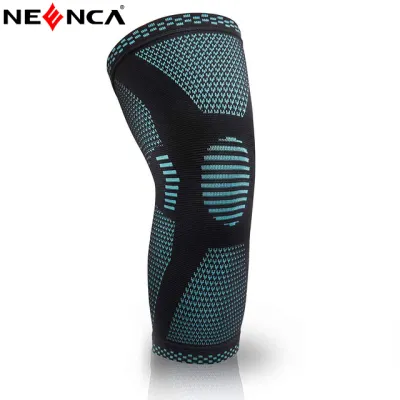
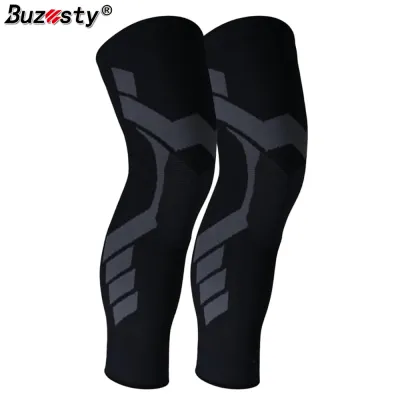
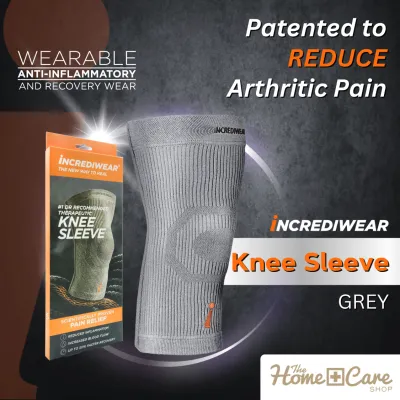
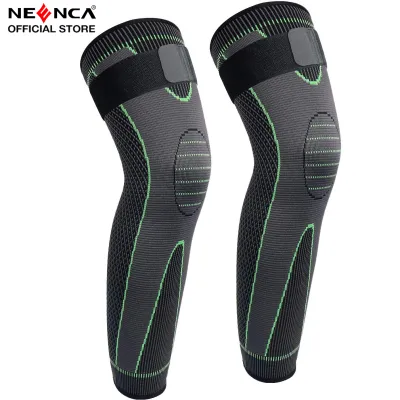
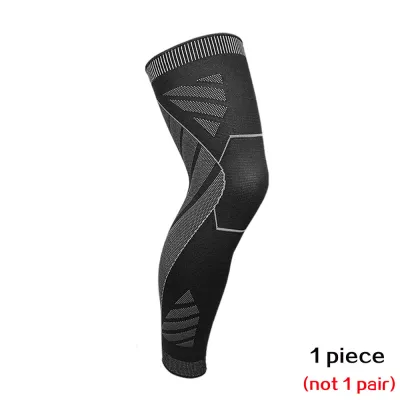
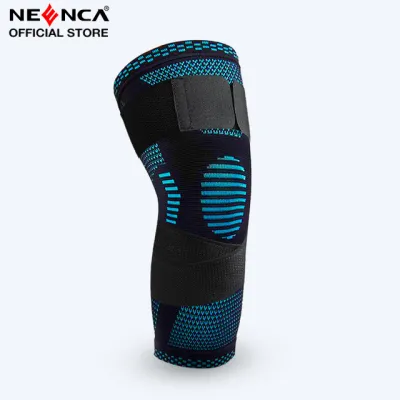
Prices are valid at publication and may change. Please refer to the product page for the latest price.
Comparing Brand Categories: Medical, Performance, and Everyday
Understanding how the market is segmented helps you narrow down your choices based on your primary fitness goals. Knee sleeves generally fall into three distinct categories, each designed with different priorities in mind.

Medical and rehab-focused brands prioritize joint stability and targeted pain relief. These sleeves are often engineered with medical-grade compression, integrated patella gel rings, and flexible lateral stabilizers to prevent unwanted joint lateral movement. Physiotherapists frequently recommend these options for individuals recovering from surgeries or managing chronic joint instability.
High-performance sports brands focus on dynamic flexibility, muscle warmth, and moisture management. These sleeves are typically made from lightweight, circular-knit fabrics that stretch in multiple directions, allowing for an unrestricted range of motion. They are designed to keep muscles warm during high-intensity training while actively pulling sweat away from the skin.
Everyday fitness and value brands offer basic, uniform compression and heat retention. These are ideal for general gym-goers who want light joint warmth during air-conditioned workouts or mild support during daily walks. They are usually budget-friendly and sold in multi-packs, making them highly convenient for daily rotation.
The primary trade-off across these categories lies between maximum structural support and unrestricted mobility. A highly supportive medical sleeve can feel bulky and restrictive during fast-paced sports, while a lightweight performance sleeve will not provide enough stability for a compromised ligament.
Matching Support Specifications to Your Sport
Selecting the right knee sleeve requires matching the product’s physical specifications to the specific demands of your athletic activity.
Running and Cycling
In Singapore’s hot and humid climate, heat buildup and chafing are major concerns for endurance athletes. Runners and cyclists should look for lightweight, breathable knit sleeves made from nylon-spandex blends. These materials allow sweat to evaporate quickly, preventing skin irritation over long distances. Ensure the sleeve features a low-profile, seamless design to minimize friction against the skin during repetitive bending motions.
Weightlifting and Powerlifting
Heavy lifting demands maximum joint warmth and structural reinforcement to handle high axial loads. Powerlifters and weightlifters should prioritize thick neoprene sleeves, typically ranging from 5mm to 7mm in thickness. Neoprene retains joint heat, which helps keep synovial fluid warm and joints lubricated during deep squats. Look for sleeves with heavy-duty, reinforced stitching that can withstand high outward pressure without splitting.
Court Sports
Sports like basketball, tennis, and badminton involve rapid lateral movements, sudden stops, and jumps. For these activities, look for performance brands that offer integrated patella gel pads and flexible side stabilizers. The gel pad helps absorb impact forces on the kneecap, while the lateral stabilizers prevent the sleeve from bunching or twisting during quick directional changes.
Always check the product packaging or manufacturer website for specific compression levels. If you are managing a diagnosed medical condition, consult a healthcare professional to determine if you require a specific millimetre of mercury (mmHg) compression rating.
Checking Durability and Material Claims
Before purchasing a knee sleeve, evaluate its construction details to ensure it can withstand regular use and frequent washing.
First, examine the fabric composition on the product label. A durable sports sleeve typically features a high percentage of nylon blended with spandex or elastane. Nylon provides structural durability and shape retention, while spandex ensures the sleeve maintains its elasticity over time. Avoid sleeves made primarily of cheap polyester, as they tend to stretch out permanently after only a few uses.
Next, look for reliable anti-slip features to prevent the sleeve from sliding down during movement. High-quality sleeves incorporate dual-wave silicone grippers along the top inner hem. If you have sensitive skin, verify if the brand offers silicone-free alternatives, as prolonged contact with silicone in warm weather can sometimes cause mild skin irritation.
Inspect the stitching and seam construction closely. Flatlock stitching is the industry standard for high-quality sports gear because it lies completely flat against the skin, reducing the risk of chafing. Look for reinforced stitching around the borders of the kneecap and the back of the knee, as these high-stress areas are the most prone to tearing.
Finally, review the manufacturer’s care instructions. To preserve the elastic fibers and compression strength of any brand, you must hand wash the sleeve in cool water with a mild detergent. Avoid using fabric softeners, which clog moisture-wicking pores, and always air-dry the sleeve in a shaded, well-ventilated area instead of using a clothes dryer.
Evaluating Value and Pricing in Singapore
Knee compression sleeves are available across a wide range of price points in the local market, and understanding these tiers helps you make a cost-effective decision.
Basic everyday sleeves generally cost between S$15 and S$30 per pair. These are suitable for light support and general warmth. Performance sports sleeves typically range from S$35 to S$70 per sleeve, offering advanced moisture-wicking fabrics and targeted compression zones. Medical-grade technical sleeves are an investment, often priced from S$80 to over S$150 per sleeve due to their specialized structural components and clinical certifications.
When shopping on local e-commerce platforms or visiting physical sports retailers in Singapore, take steps to identify genuine products. Only purchase from official brand stores or authorized distributors. Be highly skeptical of listings offering “medical-grade” support at unusually low prices, as counterfeit products often use cheap, non-breathable materials that lose their elasticity rapidly.
If your training routine requires you to wear a sleeve daily, buying a multi-pack of mid-range performance sleeves is often the most practical approach. This allows you to rotate through clean sleeves while others are washing, preventing bacterial buildup and unpleasant odors. However, if you are recovering from a specific joint injury, investing in a single, high-quality premium sleeve is always the safer choice for your physical recovery.
Final Decision Framework
To choose the right knee compression sleeve, follow this straightforward decision path based on your primary physical needs:
- Choose a medical-grade sleeve if you are recovering from a recent joint injury, experience chronic joint instability, or require targeted patella tracking support.
- Choose a performance sports sleeve if you need dynamic mobility, reliable sweat management, and mild joint warmth for high-intensity running, court sports, or field athletics.
- Choose an everyday fitness sleeve if you only require basic joint warmth and light compression for low-impact gym sessions or daily walking.
Before finalizing your purchase, always check the material list for potential allergens. If you have a known sensitivity to neoprene, latex, or silicone, look for hypoallergenic or knit-based alternatives to ensure a comfortable, irritation-free fit.
Frequently Asked Questions (FAQ)
How tight should a knee compression sleeve feel?
A knee compression sleeve should feel snug and supportive, providing firm, even pressure around the entire joint. It should never cause pain, numbness, tingling, or a cold sensation in your lower leg or foot, as these are clear signs of restricted blood circulation. To find your correct size, use a flexible measuring tape to measure your thigh and calf circumference at the exact points specified on the brand’s sizing chart. If your measurements fall between two sizes, it is generally recommended to choose the larger size to prevent excessive pinching. Stop using the sleeve immediately if you notice increased swelling or skin discoloration.
Can I wear a knee compression sleeve all day?
Knee compression sleeves are primarily designed to be worn during active physical exercise or targeted recovery sessions. Wearing a tight compression sleeve for extended sedentary periods, such as sitting at an office desk for several hours, can restrict blood flow and lead to fluid retention in your lower leg. Additionally, wearing a sleeve for too long in Singapore’s warm climate can trap sweat against your skin, increasing the risk of bacterial growth and skin rashes. Unless a medical professional has specifically instructed you to wear one continuously, remove the sleeve every few hours to let your skin breathe, and always remove it before going to sleep.
Community discussion
Share your experience or ask a question. Comments are reviewed before publication.