
Quick Answer: Which Knee Support Do You Need?
Selecting the correct knee support depends on whether your joint requires mild compression, structural stability, or physical impact protection. Using the wrong type of support can limit your athletic performance, cause discomfort, or fail to protect your knee from injury.
To make an immediate decision, apply this simple rule of thumb:
- Choose a knee sleeve if you need mild compression, joint warmth, and enhanced movement awareness during activities like running, weightlifting, or general fitness.
- Choose a knee brace if you require mechanical stability, ligament protection, or support during post-injury recovery and rehabilitation under medical guidance.
- Choose a knee guard if your primary concern is physical impact defense against falls, collisions, or abrasions in contact or court sports.
Knee Sleeves, Braces, and Guards: Core Functional Differences
In the sports and fitness world, terms like “knee guard support,” “knee sleeve,” and “knee brace” are frequently used interchangeably. This common confusion often leads consumers to purchase the wrong product, expecting a simple elastic sleeve to stabilize a torn ligament or hoping a rigid brace will protect their kneecap from a hard fall. In reality, these three categories of knee support are engineered with distinct materials, mechanical structures, and biomechanical purposes.
Products mentioned in this guide
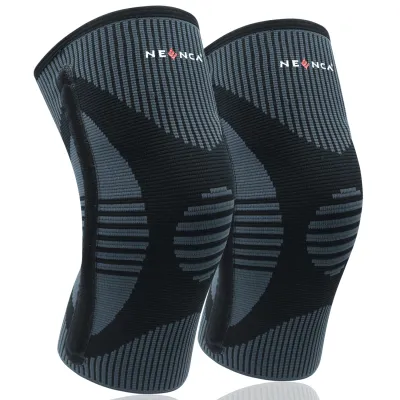
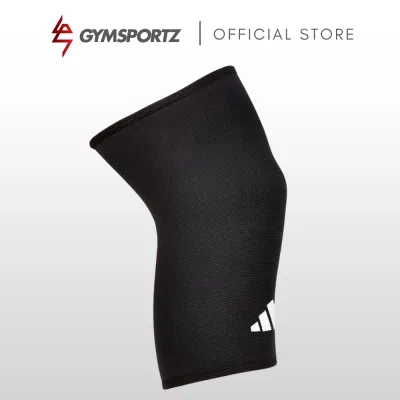
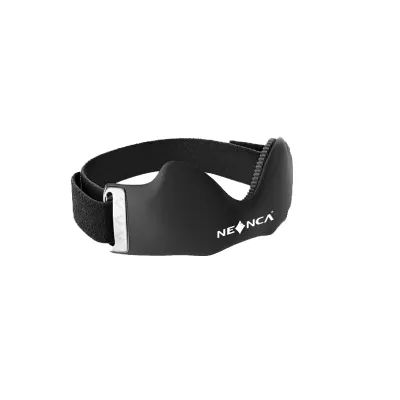
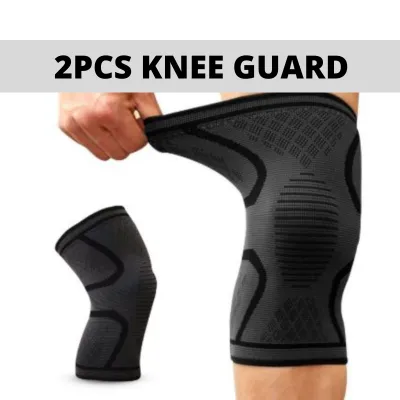
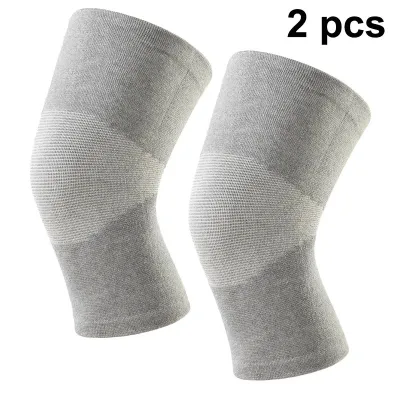
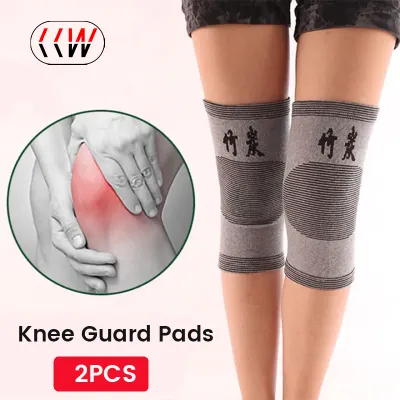
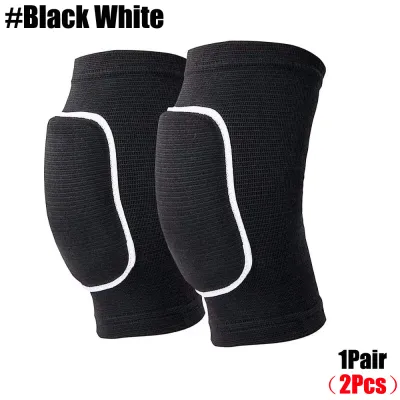
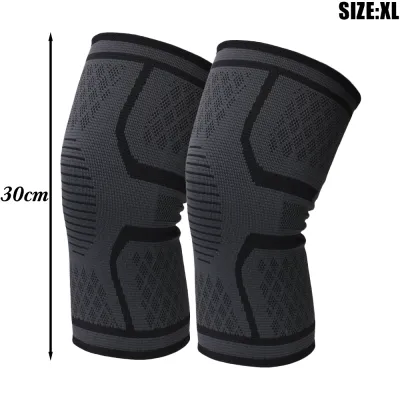
Prices are valid at publication and may change. Please refer to the product page for the latest price.

Knee sleeves are lightweight, pull-on garments typically made from elastic knit fabrics or neoprene. Their primary design intent is to wrap snugly around the joint to provide continuous compression and retain local body heat. They do not feature rigid mechanical parts, meaning they do not physically restrict joint movement or absorb heavy external impacts. Instead, they rely on the physiological benefits of pressure to support the knee during active movement.
Knee braces, by contrast, are structural devices designed to manage, restrict, or assist joint mechanics. They incorporate rigid or semi-rigid components such as lateral metal hinges, plastic stays, and non-elastic strapping systems. The primary purpose of a knee brace is to limit unnatural joint movements—such as lateral bending or hyperextension—and to help bear a portion of the physical load that would otherwise pass directly through compromised ligaments or cartilage.
Knee guards are specialized protective gear designed to shield the knee joint from external trauma. They feature impact-absorbing elements, such as hard plastic outer shells, molded rubber, or dense interior foam padding. Rather than managing internal joint mechanics or providing medical stability, knee guards focus on dispersing the force of direct physical blows, falls, or slides on hard surfaces. Understanding these fundamental engineering differences is essential to selecting a support that matches your physical needs and prevents further joint strain.
Knee Sleeves: Compression, Warmth, and Mild Joint Support
Knee sleeves are the most common type of joint support seen in gyms, running paths, and functional fitness spaces. Made from materials like neoprene, nylon, or elastane, these sleeves slide over the foot and sit snugly around the knee joint. Their primary benefits are physiological rather than mechanical, focusing on compression, thermal regulation, and proprioception.
Compression is the core mechanism of a knee sleeve. By applying even pressure to the soft tissues surrounding the joint, a sleeve helps manage minor swelling and fluid retention during and after intense workouts. This compression also stimulates local blood flow, which keeps the muscles and tendons warm and pliable. For athletes performing repetitive movements like squats, lunges, or long-distance running, this warmth helps reduce stiffness and prepares the joint for mechanical loading.
Proprioception is another critical benefit provided by knee sleeves. Proprioception refers to your brain’s ability to perceive the position, orientation, and movement of your joint in space. The physical sensation of a snug sleeve pressing against the skin stimulates sensory receptors, sending continuous feedback to the nervous system. This heightened awareness helps you maintain proper knee alignment, preventing the knee from caving inward during heavy lifts or landing awkwardly during high-impact activities.
Despite these benefits, knee sleeves have clear mechanical limitations. They do not provide structural stability to the joint. If you have a torn anterior cruciate ligament (ACL) or a severely damaged meniscus, a knee sleeve cannot prevent the joint from shifting or giving way under load. It cannot correct structural tracking issues of the patella or take the place of the knee’s natural ligamentous support. Relying on a sleeve to stabilize a structurally compromised knee can increase the risk of acute injury.
Selecting the right knee sleeve requires careful consideration of material thickness and sizing. Neoprene sleeves typically come in thicknesses of 3mm, 5mm, or 7mm:
- 3mm Sleeves: Ideal for endurance athletes, distance runners, and warm-weather workouts where maximum flexibility and breathability are required.
- 5mm Sleeves: A versatile option providing balanced support and agility, commonly used in functional fitness, team sports, and general strength training.
- 7mm Sleeves: Designed for heavy powerlifting, weightlifting, and strongman training, offering maximum compression and joint warmth at the expense of some flexibility.
To ensure effective compression without compromising your circulation, always measure your knee according to the manufacturer’s specific guidelines. Typically, this involves measuring the circumference of your leg around the center of the patella or slightly below it while your leg is slightly bent. A properly fitting sleeve should feel tight but comfortable, without pinching, bunching excessively behind the knee, or causing numbness in your lower leg.
Knee Braces: Hinged Stability and Post-Injury Recovery
When a knee joint suffers structural damage or requires mechanical stabilization, a knee sleeve is no longer sufficient. This is where knee braces become necessary. Braces are engineered to manage joint mechanics, restrict harmful ranges of motion, and protect healing tissues during rehabilitation or high-stress activities.
Knee braces are generally categorized based on their functional design and clinical purpose:
- Functional and Prophylactic Braces: These are worn during sports or physical activities to protect vulnerable or previously injured ligaments (such as the ACL, MCL, or LCL) from excessive stress. They use rigid frames and hinges to prevent lateral buckling or rotation while allowing normal flexion and extension.
- Rehabilitative Braces: Typically prescribed post-surgery or during acute recovery phases, these braces feature adjustable locking hinges. They allow medical professionals to lock the knee at a specific angle or gradually increase the permitted range of motion as healing progresses.
- Unloader Braces: Designed specifically for individuals suffering from knee osteoarthritis, these braces apply corrective pressure to shift physical weight away from the damaged side of the joint to the healthier side, reducing pain during walking.
The structural features of a knee brace are what set it apart from other supports. Lateral hinges, made of lightweight metals or durable plastics, align with the knee’s natural axis of rotation to guide movement. Patella stabilizers, often in the form of a padded open ring, help keep the kneecap tracking correctly within its femoral groove. Adjustable strap systems allow you to customize the tension and secure the brace firmly against your thigh and calf, preventing it from sliding or rotating during movement.
Because knee braces physically alter joint mechanics, they should be used with care and under appropriate guidance. Wearing a highly restrictive rigid brace for everyday activities without a diagnosed medical need can alter your natural gait and biomechanics. Over time, this can lead to compensatory pain in your hips, ankles, or lower back. Furthermore, relying on a brace to perform basic movements without engaging in targeted physical therapy can cause the surrounding stabilizing muscles to weaken.
If you are recovering from an injury or experiencing chronic joint instability, always consult a physiotherapist or orthopedic specialist before purchasing a structural brace. A professional can recommend the correct type of brace for your specific injury, ensure a proper fit, and integrate its use into a comprehensive rehabilitation program that focuses on restoring natural joint strength and mobility.
Knee Guards: Hard-Shell Impact Protection for Contact Sports
Knee guards are designed for a completely different athletic challenge: protecting the physical structure of the knee from external trauma, friction, and impacts. Unlike sleeves that focus on internal compression or braces that manage joint stability, knee guards act as physical armor for the front and sides of the joint.
Knee guards are essential in sports and activities characterized by frequent falls, slides, or direct collisions. Common examples include volleyball, basketball, skateboarding, mountain biking, roller derby, and various martial arts. In these environments, the primary risk is not a ligament sprain from twisting, but rather a contusion, skin abrasion, or patellar fracture resulting from a hard impact with the floor, concrete, or another player’s equipment.
The construction of knee guards varies depending on the level of impact protection and mobility required:
- Hard-Shell Guards: These feature a rigid outer plate made of molded plastic, thermoplastic polyurethane (TPU), or carbon fiber, backed by a shock-absorbing foam liner. They are highly effective at resisting punctures, absorbing high-velocity impacts, and allowing the wearer to slide safely across hard surfaces like concrete or wooden courts.
- Soft-Shell Guards: These utilize advanced high-density foams (such as EVA) or reactive polymers that remain soft and flexible during normal movement but instantly harden upon impact to disperse energy. Soft-shell guards offer superior flexibility, breathability, and a lower profile, making them popular for court sports where agility is critical.
It is important to recognize that knee guards do not provide structural stabilization for the ligaments. They will not prevent your knee from hyperextending or twisting unnaturally during a sudden change of direction. Their sole function is to shield the skin, patella bone, and surrounding soft tissues from external forces. If you require both impact protection and ligament support, you must look for specialized hybrid products or address each need separately.
When selecting a knee guard, fit and security are paramount. Because guards are worn during highly dynamic, explosive movements, they must remain securely in place without sliding down the leg. Look for designs that incorporate adjustable elastic straps, ergonomic pre-curved shapes, and internal silicone grip strips along the upper and lower hems. A guard that shifts out of position during a fall fails to provide the protection you need and can become a distraction during play.
Feature Comparison: Sleeves vs Braces vs Guards
To help you quickly identify the differences between these three types of support, the table below compares their primary functions, support levels, and ideal activities based on stable biomechanical principles.
| Support Type | Primary Function | Best For (Activities) | Support Level | Impact Protection | Mobility & Breathability |
|---|---|---|---|---|---|
| Knee Sleeve | Compression, warmth, proprioception | Running, weightlifting, functional fitness, walking | Mild / Physiological | None | High / Excellent |
| Knee Brace | Mechanical stability, ligament protection, joint unloading | Post-injury recovery, ligament sprains, osteoarthritis | Moderate to High / Mechanical | Minimal | Moderate to Low |
| Knee Guard | External impact absorption, abrasion resistance | Volleyball, basketball, skateboarding, mountain biking | None | High / Physical Shield | Moderate to High |
As the comparison demonstrates, there is a clear trade-off between structural support, impact protection, and mobility. A product that offers maximum mechanical stability (such as a hinged knee brace) will naturally restrict some range of motion and offer less breathability. Conversely, a product that maximizes mobility (such as a lightweight knee sleeve) provides no mechanical restriction or physical impact defense. Identifying your primary physical requirement is the key to making the correct choice.
Decision Framework: Matching Support to Your Activity Level
Choosing the right knee support involves matching your current physical condition, injury history, and specific sport requirements to the appropriate category of gear. Use the following structured decision framework to guide your purchase.
Choose a Knee Sleeve if:
- Your knees feel healthy but experience mild stiffness, soreness, or fatigue during or after long workouts.
- You participate in linear, repetitive sports like running, cycling, powerlifting, or general gym training.
- You want to improve your joint awareness (proprioception) and maintain warmth in cool environments or air-conditioned fitness centers.
- You have no history of major ligament tears, joint instability, or recent knee surgeries.
Choose a Knee Brace if:
- You are recovering from a diagnosed knee injury, such as an ACL, MCL, or meniscus tear.
- You experience a sensation of instability, clicking, or your knee "giving way" during lateral movements.
- You have been advised by a medical professional to restrict certain ranges of movement or unload weight from a portion of your joint.
- You require mechanical assistance to keep your patella tracking correctly during daily activities or sports.
Choose a Knee Guard if:
- Your sport or activity involves a high risk of falling, diving, or colliding with hard surfaces, equipment, or other athletes.
- You participate in court sports like volleyball, extreme sports like skateboarding or mountain biking, or contact martial arts.
- Your primary goal is to prevent painful bruises, scrapes, skin burns, and direct impact injuries to your kneecap.
Verify first if:
- You are experiencing acute, sharp joint pain, rapid swelling, localized heat, or an inability to bear weight on your leg. These symptoms indicate a potential structural injury that cannot be resolved by an over-the-counter support. Avoid self-diagnosing or attempting to push through the pain with a brace or sleeve; consult a doctor or physical therapist immediately.
Remember that knee supports are supplementary tools designed to assist your movement and recovery. They are not replacements for physical conditioning, targeted strength training, flexibility, and proper athletic technique. To maintain long-term joint health, focus on strengthening the muscles that support the knee—specifically the quadriceps, hamstrings, glutes, and calves—and ensure you allow adequate time for recovery between intense physical sessions.
If you ever experience numbness, tingling, coldness in your lower leg, or increased pain while wearing any knee support, remove the product immediately. These are clear signs of restricted blood circulation or nerve compression, indicating that the support is either sized incorrectly, adjusted too tightly, or unsuitable for your anatomy.
Frequently Asked Questions (FAQ)
Can I wear a knee sleeve and a knee guard at the same time?
While you can technically layer a knee guard over a knee sleeve, it is generally not recommended for active sports. The smooth, synthetic exterior of most knee sleeves reduces friction, which can cause the straps of a knee guard to slide down or shift out of place during sudden movements. Additionally, layering two separate supports over the same joint significantly increases bulk, restricts your natural range of motion, and traps excess heat and sweat. In warm climates, this can quickly lead to skin irritation, chafing, or heat rashes. If you require both mild compression and impact protection, look for integrated padded compression sleeves, which feature built-in, low-profile foam pads sewn directly into a compressive fabric sleeve.
Do knee braces weaken the knee muscles over time?
Relying entirely on a highly supportive or rigid knee brace for daily activities without an active rehabilitation plan can lead to muscle weakness over time. When a brace mechanically takes over the job of stabilizing the joint, the surrounding muscles—such as your quadriceps, hamstrings, and calves—do not have to work as hard to maintain alignment, which can lead to gradual muscle atrophy. However, when used correctly, braces do not inherently weaken your legs. They are designed to be temporary aids during recovery or protective gear during high-stress sports. To prevent muscle weakness, always pair the use of a supportive brace with a structured strengthening and mobility program prescribed by a physiotherapist.
How tight should a knee sleeve be for proper support?
A knee sleeve should fit snugly and apply even, comfortable compression around the entire joint without restricting your natural movement or blood flow. To verify a proper fit, check for several observable signs. The sleeve should stay securely in place during a standard squat or walk without rolling down at the thigh or bunching painfully behind the knee. It should feel supportive but should not pinch your skin, leave deep, painful indentations, or cause your lower leg or foot to feel cold, numb, or tingly. If you experience any loss of sensation, changes in skin color, or restricted movement, the sleeve is too tight and you should size up to prevent circulatory issues.
Community discussion
Share your experience or ask a question. Comments are reviewed before publication.