
Choosing between a knee sleeve and a knee strap for running depends on the specific type of discomfort you experience and the running conditions you face. A knee sleeve offers overall compression, warmth, and a heightened sense of joint awareness, making it suitable for diffuse aches or general stiffness. In contrast, a knee strap targets localized pressure directly onto the patellar tendon below the kneecap, making it a highly focused option for specific front-of-knee discomfort.
Selecting the wrong support can lead to unnecessary bulk, skin irritation, or a lack of targeted relief. By understanding how each design interacts with your knee joint, you can make an informed decision that supports your training goals without hindering your natural running stride.
Understanding the Core Differences
To choose the right knee support for running, it is essential to understand how their physical designs alter their mechanical function. These two accessories approach joint support from entirely different structural philosophies, affecting how they feel on the leg and how they influence your movement.
Products mentioned in this guide
Prices are valid at publication and may change. Please refer to the product page for the latest price.
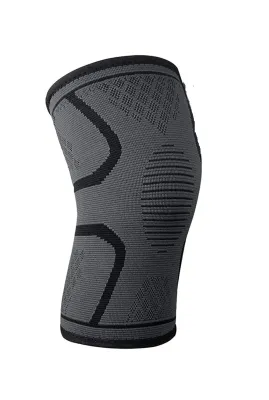
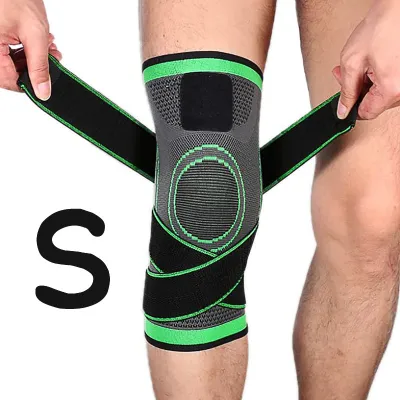
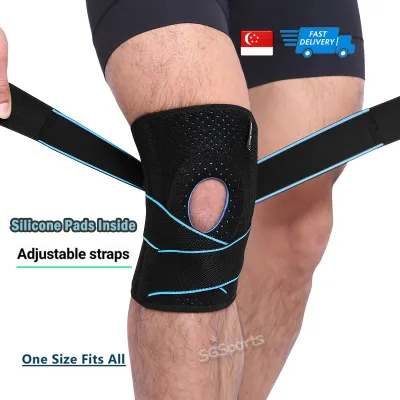
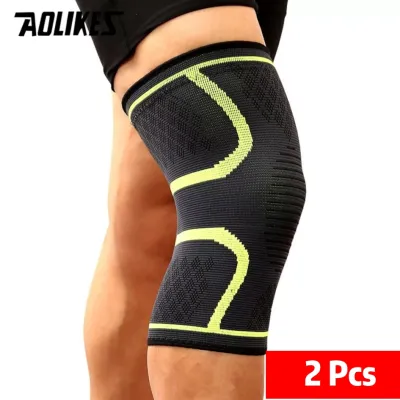
Knee sleeves are tubular, elasticized garments that slide over the foot and sit directly over the entire knee joint. They are typically made from materials like neoprene, knit fabric, or nylon blends. The primary function of a sleeve is to provide global compression across the entire joint area, which helps retain local heat, increases blood flow, and enhances proprioception—the body’s sensory awareness of joint positioning.
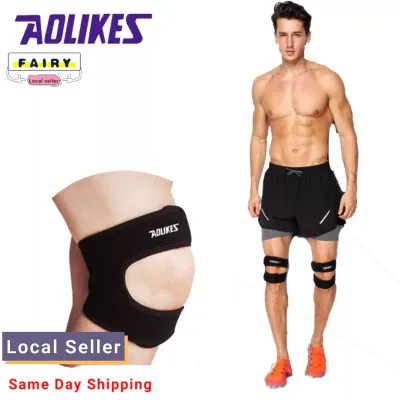
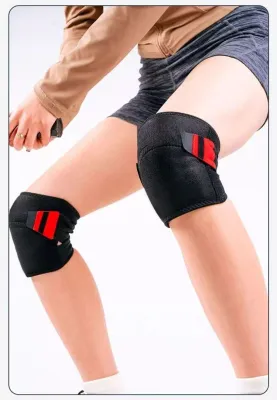
Knee straps, often referred to as patellar tendon straps or bands, are narrow, adjustable strips of fabric that wrap tightly around the leg just below the kneecap. Instead of covering the whole joint, a strap focuses its physical pressure on a single point: the patellar tendon. This targeted pressure is designed to alter the angle at which the tendon interacts with the kneecap, slightly offloading the mechanical stress experienced during repetitive impact.
While both options can help manage discomfort during a run, neither device is a cure for underlying biomechanical issues. External supports do not replace structured medical treatment, physical rehabilitation, or the development of proper running mechanics. They are best utilized as temporary aids to assist with symptom management while you address the root cause of any joint issues.
When to Choose a Knee Sleeve for Running
A knee sleeve is highly effective when you are dealing with generalized, non-specific knee discomfort. If your knees feel stiff during the first few kilometers of a run but gradually loosen up as you warm up, the global compression and heat-retaining properties of a sleeve can provide significant comfort.

This style of support is particularly beneficial for runners who experience mild, diffuse aches or a vague sensation of joint instability. The continuous pressure of the sleeve stimulates sensory receptors in the skin, which can help you feel more secure and coordinated in your stride. It acts as a reassuring physical reminder to maintain good alignment during long, fatiguing runs.
Environmental factors also play a role in this choice. If you frequently run in cooler morning temperatures or train on indoor air-conditioned tracks, a knee sleeve helps keep the joint tissues warm and pliable. This localized heat retention can reduce the initial stiffness that often plagues runners during their warm-up phases.
However, sleeves do have practical limitations that you must consider before purchasing. Because they cover a large surface area, they can feel bulky and restrictive, especially when worn under tight running leggings or compression pants. Additionally, the constant flexing of the knee during long-distance runs can cause the fabric to bunch up behind the joint, potentially leading to chafing or skin irritation over time.
When to Choose a Knee Strap for Running
A knee strap is the preferred choice when your discomfort is highly localized to the area directly beneath the kneecap. If you experience a sharp or dull ache specifically along the patellar tendon—often triggered by downhill running, jumping, or repetitive high-impact strides—the targeted pressure of a strap is designed to address this exact spot.
By applying pressure to the patellar tendon, the strap helps distribute the forces traveling through the knee joint more evenly. This localized offloading can make a substantial difference for runners dealing with repetitive strain in the front of the knee, allowing for a more comfortable stride without wrapping the entire joint in heavy fabric.
For runners operating in hot and humid climates, such as Singapore, a knee strap offers a massive advantage in terms of breathability. With minimal fabric coverage, a strap allows the rest of your leg to sweat and cool naturally, preventing the intense heat buildup and sweat accumulation that often occurs under a full neoprene sleeve. This makes it a highly practical option for year-round outdoor training in tropical conditions.
The primary challenge with a knee strap lies in its placement and stability. Because its effectiveness relies entirely on applying pressure to a very specific anatomical point, precise positioning is critical. If the strap is too loose, or if the shape of your calf and knee causes it to slide down during a run, it will lose its mechanical utility and may require frequent stops to readjust.
Key Comparison Dimensions for Runners
When deciding between these two supports, comparing them across specific practical dimensions can help you identify which product aligns best with your running routine, local climate, and comfort preferences.
The first dimension is the type of support provided. A knee sleeve offers global compression, distributing light pressure evenly across the entire joint, which is excellent for general comfort and swelling management. A knee strap offers highly targeted tendon offloading, focusing all its mechanical pressure on the patellar tendon to relieve localized stress.
Breathability and comfort represent another critical point of comparison. Full-coverage sleeves, especially those made of thicker neoprene, trap heat and moisture, which can feel uncomfortable during long runs in humid weather. A knee strap has a minimal physical footprint, leaving the back of the knee completely open to maximize airflow and minimize the risk of sweat-induced chafing.
Adjustability is the final major differentiator. Most knee sleeves are pull-on garments with fixed sizing, meaning you must measure your leg accurately beforehand and cannot easily adjust the tightness mid-run. Knee straps, on the other hand, typically feature hook-and-loop fasteners that allow you to customize the tension and fit on the fly as your muscles expand or contract.
| Feature | Knee Sleeve | Knee Strap |
|---|---|---|
| Primary Mechanism | Global compression & warmth | Targeted patellar tendon pressure |
| Best Suited For | General stiffness, diffuse aches | Localized pain below the kneecap |
| Breathability | Moderate to low (traps heat) | High (minimal skin coverage) |
| Adjustability | Fixed (requires precise sizing) | High (adjustable hook-and-loop) |
| Chafing Risk | Higher behind the knee joint | Lower, but requires correct tension |
How to Verify Fit and Safety Before Your Run
Ensuring your chosen knee support fits correctly is vital for both its effectiveness and your physical safety. An ill-fitting support can exacerbate joint issues or introduce new problems, such as skin damage or circulatory restriction.
To verify the fit of a knee sleeve, always refer to the manufacturer’s specific sizing chart, which typically requires measuring the circumference of your leg at a set distance above and below the center of your kneecap. When trying it on, the sleeve should feel snug and supportive but not painfully tight. For a knee strap, position the padded portion directly on the tendon just below your kneecap, securing it firmly enough to stay in place without digging painfully into your skin.
You must remain vigilant for signs of an improper fit during your runs. If you experience coldness in your foot, numbness, tingling, or a noticeable change in skin color, the support is too tight and is restricting your blood flow. Skin irritation, deep red marks, or chafing behind the knee also indicate that the fit is incorrect or that the material is bunching excessively.
It is crucial to establish clear stop conditions for your training. If you experience sharp, sudden pain, or if your knee symptoms steadily worsen despite wearing the support, stop running immediately. Relying on a sleeve or strap to mask severe pain so you can push through a workout can lead to serious, long-term joint or tendon damage. Always consult a qualified healthcare professional to diagnose persistent pain before continuing your running program.
Frequently Asked Questions (FAQ)
Can I wear a knee sleeve or strap for every run?
Knee supports should generally be viewed as tools for temporary symptom management rather than a permanent part of your daily running gear. Relying on an external support for every single run can lead to a psychological dependency, where you feel unable to run without it, or a physical over-reliance that masks underlying biomechanical issues. It is best to use these supports during specific phases of your training—such as when recovering from a mild flare-up or managing temporary fatigue—while actively monitoring your knee’s natural strength and comfort levels. If you find yourself unable to run comfortably without a support for several weeks, consult a professional to develop a long-term recovery plan.
Do knee supports weaken the knee muscles over time?
A common concern among runners is that wearing a support will cause the surrounding muscles to atrophy. While highly rigid, medical-grade immobilization braces can lead to muscle weakness if worn continuously, flexible running supports like sleeves and straps do not restrict joint movement enough to cause significant muscle wasting. They allow your muscles to contract and engage naturally throughout your stride. However, because they can temporarily reduce the load on certain tissues, they should never be used as a substitute for a targeted strength and conditioning program. To maintain long-term joint health, combine the temporary use of supports with exercises that strengthen your quadriceps, hamstrings, glutes, and calves.
Community discussion
Share your experience or ask a question. Comments are reviewed before publication.