
Selecting the right knee protection requires balancing mobility, support, and physical defense. Your choice between a knee sleeve, a wrap, and a hard shell guard depends entirely on your specific activity, physical demands, and whether your primary goal is joint warmth, adjustable stability, or physical defense against hard surfaces. Choosing the wrong design can lead to restricted movement, insufficient protection, or unnecessary discomfort during your workouts or work tasks.
To make an informed decision, you must understand how each option interacts with your joint. A lightweight sleeve offers continuous compression for active movement, while a wrap provides customizable tension for heavy lifting or recovery. Meanwhile, a heavy-duty hard shell guard acts as a physical shield against high-impact collisions and rough terrain. By evaluating these designs against your daily activities, you can find the exact balance of comfort and safety for your knees.
Core Design Differences: Sleeves, Wraps, and Hard Shell Guards
Every knee support design serves a distinct mechanical purpose. Understanding these structural differences is the first step in identifying which option aligns with your physical needs and movement patterns.
Products mentioned in this guide
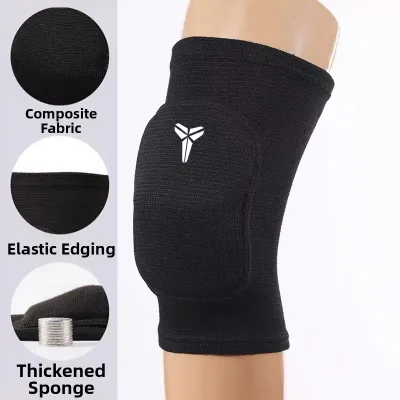
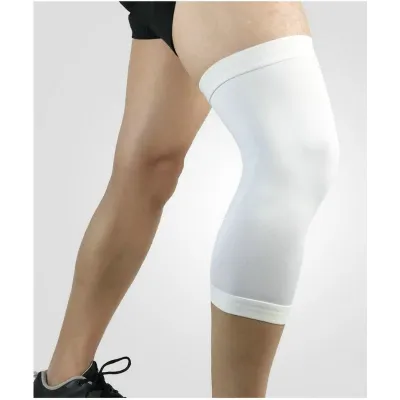
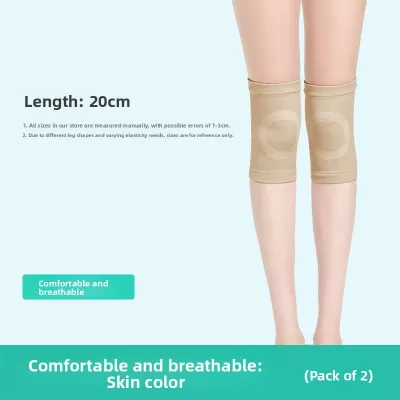
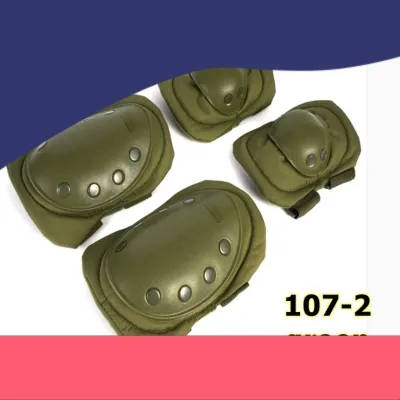
![[SG SELLER] KNEEL GUARD FOR ADULT SUITABLE FOR OUTDOOR SPORTEXTREME](https://img.lazcdn.com/g/p/6152e5691e19e271962387af49e03985.jpg_400x400q80.jpg_.webp)
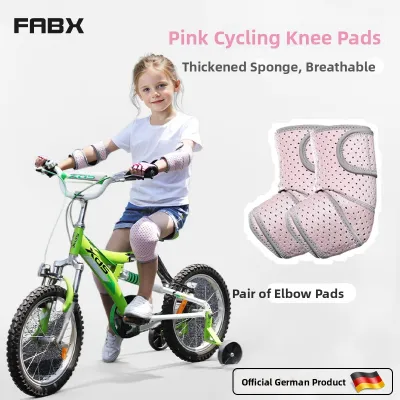

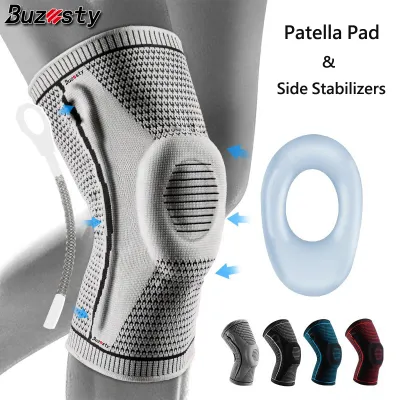
Prices are valid at publication and may change. Please refer to the product page for the latest price.
Knee Sleeves: Continuous Compression and Warmth
Knee sleeves are slip-on elastic or neoprene garments designed to slide directly over the foot and sit snugly around the joint. They do not use straps, buckles, or rigid structural inserts. Instead, they rely on the natural elasticity of their materials to apply uniform, continuous compression across the entire knee area.
This compression is designed to improve proprioception, which is your brain’s awareness of the joint’s position during movement. By enhancing this sensory feedback, sleeves help you maintain better alignment during repetitive motions. Additionally, the insulating properties of neoprene or thick knit fabrics retain local body heat, keeping the surrounding muscles and tendons warm and pliable during outdoor activities or air-conditioned gym sessions.
Knee Wraps: Customizable Tension and Targeted Support
Knee wraps consist of long, elasticated bands of fabric that you manually wind around the joint. Unlike pre-shaped sleeves, wraps allow you to control exactly how tightly the material is bound and where the greatest pressure is applied. They are typically secured with hook-and-loop fasteners or by tucking the loose end beneath the wrapped layers.
This design is highly adaptable to changing physical conditions. If you are dealing with fluctuating joint swelling, a wrap can be loosened or tightened throughout the day to maintain comfort without restricting circulation. Because they can be fully opened, wraps are also much easier to put on and take off over long pants or bulky footwear, eliminating the need to remove your shoes just to adjust your support.
Hard Shell Guards: Impact Absorption and Physical Barriers
Hard shell guards feature a rigid outer shield made of molded plastic, carbon fiber, or heavy-duty polymer, backed by a thick layer of shock-absorbing foam. These guards are held in place by adjustable straps that wrap around the calf and thigh, suspended directly over the kneecap to absorb sudden, direct forces.
Rather than focusing on compression or joint warmth, a hard shell guard serves as a physical barrier. It is engineered to disperse the energy of direct impacts away from the delicate patella and surrounding bones. The tough outer shell also provides excellent abrasion resistance, protecting your skin from painful scrapes when sliding across hard courts, gravel, or concrete floors.
Matching the Guard to Your Activity and Protection Needs
No single knee guard excels in every environment. Matching the structural traits of each design to the specific demands of your sport, hobby, or occupation ensures you get the right level of protection without hindering your performance.

Low-Impact and Endurance Activities
For activities that require continuous, repetitive joint movement over long distances, minimizing bulk and weight is essential. Runners, cyclists, hikers, and fitness enthusiasts performing light gym work generally benefit most from the low-profile nature of knee sleeves.
Because sleeves lack rigid parts or thick straps, they fit easily under standard athletic wear and do not chafe against the skin during thousands of repetitive strides. In warm, humid climates, a lightweight, breathable knit sleeve helps manage sweat accumulation while still providing the mild compression needed to keep the joint feeling secure during long trail runs or outdoor training sessions.
Rehabilitation and Heavy Lifting Scenarios
When your knees are subjected to extreme axial loads or are recovering from minor strains, the ability to customize your support becomes critical. Powerlifters, weightlifters, and individuals undergoing physical rehabilitation often require the high-tension reinforcement that only a wrap can provide.
During heavy squats or leg presses, tightly bound wraps offer mechanical assistance at the bottom of the movement, helping to stabilize the joint under maximum load. For recovery, wraps allow you to apply firm compression directly over localized swelling while leaving the rest of the leg uncompressed, preventing the fluid buildup from worsening without cutting off overall blood flow.
High-Impact, Abrasive, and Kneeling-Heavy Environments
If your activities involve a high risk of falling, colliding with objects, or spending hours working on your knees, physical shielding is non-negotiable. Extreme sports athletes, such as skateboarders, mountain bikers, and roller derby players, rely on hard shell guards to prevent traumatic impact injuries.
Similarly, trade professionals like tilers, plumbers, and floor installers require a specialized kneel guard to protect their joints from the constant pressure of hard concrete or wooden subfloors. In these environments, a soft sleeve would quickly wear through, and a wrap would fail to prevent the bruising and bursitis caused by kneeling on sharp debris. A hard shell kneel guard distributes your body weight across a wider surface area, protecting the patella from direct pressure points.
Feature Comparison Matrix
To help you quickly compare the trade-offs of each design, the table below summarizes how sleeves, wraps, and hard shell guards perform across key functional dimensions.
| Feature | Knee Sleeve | Knee Wrap | Hard Shell Guard |
|---|---|---|---|
| Primary Benefit | Continuous compression & warmth | Customizable tension & support | Impact & abrasion defense |
| Mobility | High (unrestricted range of motion) | Moderate (restricts deep bending) | Low to Moderate (bulky profile) |
| Adjustability | None (relies on initial sizing) | High (fully customizable tension) | Moderate (adjustable strap length) |
| Breathability | Moderate to High (material dependent) | Low (thick, overlapping layers) | Moderate (often features ventilation ports) |
| Best For | Running, cycling, general fitness | Heavy lifting, variable swelling | Skating, biking, trade work |
Note: Exact impact protection ratings, medical-grade support levels, or specific material certifications vary widely by manufacturer. Always verify these details on the individual product label or official manufacturer specifications before purchasing gear for high-risk activities or medical recovery.
Decision Framework: Which Type Should You Choose?
To finalize your choice, evaluate your primary physical constraints, your environment, and your movement goals. Use the following guidelines to select the design that best fits your situation.
Choose a Knee Sleeve If:
- Your primary goal is to manage mild joint soreness, stiffness, or fatigue during long-duration, low-impact movements.
- You require a full, unrestricted range of motion for activities like running, tennis, or yoga.
- You want a low-profile support option that fits discreetly under everyday clothing or standard athletic gear without adding bulk.
- You prefer a simple, slip-on design that does not require constant readjustment or strap management during your workout.
Choose a Knee Wrap If:
- You are performing heavy, compound lifts where temporary, maximum joint stabilization is required during specific sets.
- You experience fluctuating joint swelling due to minor injuries or chronic conditions, requiring you to adjust compression levels throughout the day.
- You have difficulty sliding traditional sleeves over your feet or calves due to mobility limitations, injury, or bulky footwear.
- You want the flexibility to apply targeted pressure to specific areas of the knee while leaving other parts of the joint free.
- You need a support option that can be easily shared between different users or adjusted to fit different leg sizes.
- You want to easily wash and dry the support fabric without worrying about rigid plastic components warping or cracking.
Choose a Hard Shell Guard If:
- Your activity involves a high risk of direct impact with hard surfaces, rocks, or other participants.
- You spend significant portions of your workday kneeling on hard, uneven, or debris-strewn floors, requiring a dedicated kneel guard to prevent chronic joint pain.
- You need maximum abrasion resistance to protect your skin from high-speed slides or falls on asphalt, concrete, or artificial turf.
- Your environment features sharp objects, gravel, or rough materials that would easily tear through soft fabric or neoprene supports.
Verify First Before Deciding:
If you are recovering from a major joint injury, have undergone recent knee surgery, or suffer from chronic joint instability, standard sports guards may not provide adequate protection. Always consult a qualified healthcare professional or orthopedic specialist to determine if you require a certified medical-grade brace with mechanical hinges, rather than a standard consumer sleeve, wrap, or hard shell guard.
Fit, Maintenance, and Safety Boundaries
Once you have selected the correct style of knee guard, ensuring proper fit and maintaining the equipment is essential for both your safety and the longevity of the product.
Sizing and Fit Checks
To find the correct size for a knee sleeve or strap-on hard shell guard, always use a flexible measuring tape to measure the circumference of your leg. Most manufacturers require measurements at the center of the patella, as well as three to four inches above and below the joint. Do not guess your size based on your clothing measurements, as athletic sizing varies significantly between brands.
When trying on your guard, perform a few basic movements like squats, lunges, or high knees. The guard should feel snug and secure without pinching your skin or sliding down your leg. Check your circulation immediately: if you experience coldness in your feet, a tingling sensation, or notice deep red indentations on your skin after a few minutes of wear, the guard is too tight and must be replaced with a larger size.
Care and Maintenance Instructions
Proper maintenance preserves the elasticity of sleeves, the adhesive strength of wrap fasteners, and the structural integrity of hard shells. Always read the manufacturer’s care label before cleaning your gear. As a general rule, hand wash fabric sleeves and wraps in cool water using a mild detergent, and allow them to air dry completely away from direct sunlight.
Avoid using fabric softeners, as they can break down the synthetic fibers and reduce the elasticity of the material. Never put neoprene sleeves or elastic wraps into a high-heat clothes dryer, as extreme heat will warp the rubber, degrade the elastic fibers, and ruin the hook-and-loop fasteners. For hard shell guards, wipe down the plastic exterior with a damp cloth and use a mild disinfectant spray on the inner foam lining to prevent odor buildup.
Safety and Stop Conditions
Knee guards are designed to support and protect your joints, but they cannot replace proper physical conditioning, correct movement mechanics, or professional medical care. Wearing a guard should never be used as a way to mask severe pain or push through a serious injury.
If you experience sudden numbness, sharp pain, increased swelling, or skin irritation while wearing any knee guard, remove it immediately. Persistent joint pain, instability, or swelling that does not improve with rest should always be evaluated by a qualified healthcare professional to ensure there is no underlying structural damage to the ligaments or cartilage.
Community discussion
Share your experience or ask a question. Comments are reviewed before publication.