
Knee sleeves are essential tools for joint warmth, compression, and proprioception, but a sleeve designed for heavy squats will hinder a runner’s stride, and a runner’s sleeve will fail to support a basketball player’s lateral cuts. Because there is no universal design, selecting the right knee sleeve requires matching the material, thickness, and structural features to the specific biomechanical demands of your sport. In Singapore’s warm and humid climate, choosing the wrong material can also lead to severe chafing, skin irritation, and premature wear. This guide breaks down the critical selection criteria for running, weightlifting, and basketball, helping you identify the right support level, fit, and material checks before making a purchase.
Understanding how different activities stress the knee joint is the first step toward making an informed decision. Running involves repetitive, low-impact linear movement over long durations, requiring maximum breathability and minimal restriction. Weightlifting demands high-pressure joint stabilization during deep flexion, where thick, heavy-duty materials provide necessary compression and rebound. Basketball combines high-impact landings with rapid, multi-directional lateral cuts, necessitating a balance of impact protection, secure fit, and mobility. By evaluating these distinct physical demands against the structural properties of various sleeves, you can select a product that supports your performance while protecting your skin and comfort.
Matching Support Levels to Your Activity
Before purchasing a knee sleeve, it is crucial to distinguish between general compression sleeves and rigid medical braces. Compression sleeves are designed to provide warmth, mild joint support, and enhanced proprioception—the sensory awareness of your joint’s position in space. They do not offer mechanical stabilization for structurally compromised joints. If you are recovering from a major ligament tear, such as an ACL or MCL injury, or suffer from chronic joint instability, an over-the-counter sleeve is generally insufficient. In such cases, you must consult a physiotherapist or orthopedic doctor to obtain a rigid, hinged brace designed to mechanically restrict harmful joint movements.
Products mentioned in this guide
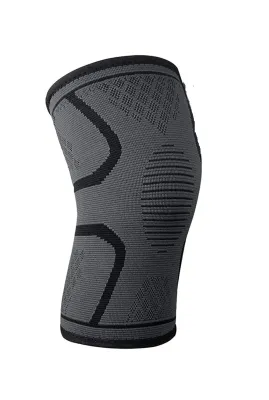
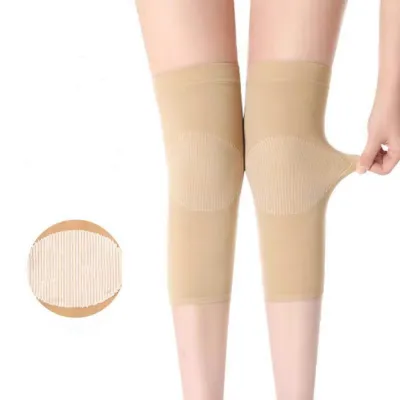
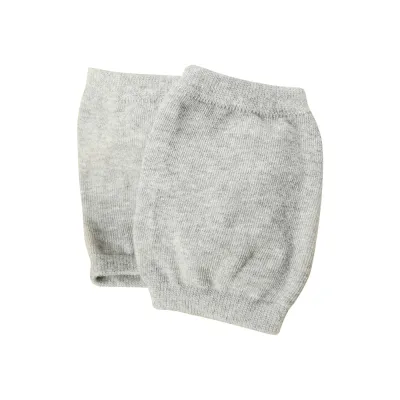
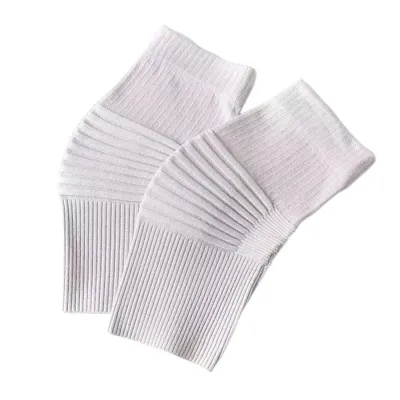
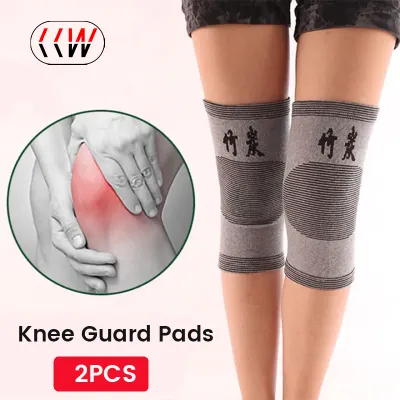
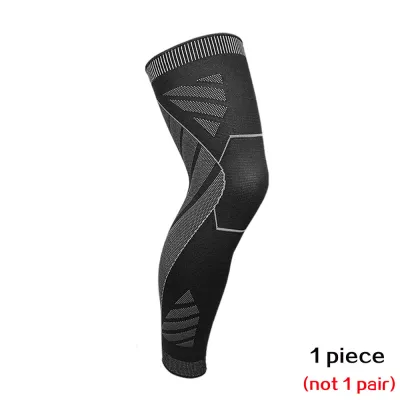
Prices are valid at publication and may change. Please refer to the product page for the latest price.
For active individuals with healthy joints or minor, non-structural aches, choosing the right support level involves balancing joint mobility with compression intensity. Light compression sleeves, typically made of knitted elastic fabrics or thin neoprene, prioritize maximum range of motion and breathability. These are ideal for endurance activities where joint restriction would lead to early fatigue or altered biomechanics. Medium to high compression sleeves, often constructed from thicker neoprene, offer substantial joint warmth and a snug fit that limits minor lateral shifting. While these provide a reassuring sense of stability during heavy lifts, they also restrict movement, making them unsuitable for activities requiring rapid, agile footwork.
Relying on a knee sleeve to mask persistent pain or structural issues can lead to worsened injuries over time. A sleeve should be viewed as a tool to enhance comfort and joint awareness during training, not as a cure for underlying biomechanical deficiencies or tissue damage. If you experience sharp pain, swelling, joint locking, or a feeling of the knee “giving way” during exercise, stop using the sleeve immediately and seek professional medical evaluation. A qualified physiotherapist can help identify the root cause of the discomfort, prescribe targeted strengthening exercises, and recommend whether a specific type of orthotic support is appropriate for your recovery.
Choosing Knee Sleeves for Running
Running in Singapore’s tropical climate presents unique challenges for gear selection, particularly regarding heat dissipation and moisture management. When selecting a knee sleeve for running, prioritize lightweight, highly breathable, and moisture-wicking fabrics such as nylon, polyester, or specialized elastic knits. These materials allow sweat to evaporate quickly, preventing the sleeve from becoming heavy, waterlogged, and uncomfortable during long-distance runs along the park connectors. Avoid thick neoprene sleeves for running, as they trap body heat and sweat against the skin, which can lead to severe heat rash, friction burns, and chafing behind the knee.

The repetitive nature of the running stride means that any movement of the sleeve can cause significant distraction and skin irritation. Look for sleeves equipped with secure anti-slip mechanisms, such as medical-grade silicone wave bands or ergonomic, anatomical knitting patterns that conform closely to the contours of the leg. A sleeve that constantly slides down during a run not only loses its compressive benefits but also forces you to interrupt your stride to adjust it. The fabric should offer multi-directional stretch to accommodate the continuous bending and straightening of the knee without bunching up in the popliteal fossa—the sensitive area behind the joint.
When evaluating running sleeves, pay close attention to the seam construction and overall thickness. Flatlock seams or seamless circular knit designs are highly recommended to minimize friction against the skin over thousands of steps. The compression should be graduated or targeted, providing gentle support around the patella while allowing the surrounding muscles to contract and relax naturally. By choosing a low-profile, highly breathable sleeve, you can maintain joint warmth and proprioceptive feedback during early morning or late evening runs without compromising your natural running gait or overheating.
Choosing Knee Sleeves for Weightlifting
Weightlifting and powerlifting place immense compressive loads on the knee joints, especially during deep flexion movements like squats, cleans, and snatches. For these activities, the primary requirements of a knee sleeve are joint warmth, mechanical compression, and a slight physical rebound at the bottom of a lift. Neoprene is the industry standard material for weightlifting sleeves due to its density, durability, and ability to retain heat. When shopping, you will typically encounter two main thickness options: 5mm and 7mm.
A 5mm neoprene sleeve offers a versatile balance of support and mobility, making it highly suitable for dynamic Olympic lifting, functional fitness workouts, and general strength training. It provides sufficient compression to keep the joint warm during rest periods while allowing enough flexibility for quick transitions and deep lunges. In contrast, a 7mm neoprene sleeve is designed specifically for heavy, maximal lifting and powerlifting. The increased thickness offers maximum compression and a noticeable “pop” or rebound effect out of the bottom of a heavy squat, but it significantly restricts joint mobility, making it uncomfortable for any form of cardiovascular conditioning or agile movement.
Durability is a critical factor for weightlifting sleeves, as they are subjected to intense stretching and friction from barbell contact. Inspect the sleeve for reinforced, heavy-duty stitching, such as double-overlock or taped seams, which prevent the material from splitting under high pressure. Additionally, verify the length of the sleeve; a standard weightlifting sleeve should be long enough to cover the lower portion of the quadriceps and the upper portion of the calf, ensuring the entire knee joint complex is securely encased. This coverage prevents the sleeve from shifting or rolling down when you transition into deep knee flexion under load.
Choosing Knee Sleeves for Basketball
Basketball is a high-intensity sport characterized by rapid acceleration, sudden deceleration, explosive jumps, and sharp lateral cuts. These dynamic movements place complex, multi-directional forces on the knee joints, requiring a sleeve that balances impact protection with high-performance mobility. Many basketball-specific sleeves feature integrated padding, such as closed-cell foam pads positioned directly over the patella or surrounding areas. This padding helps absorb the shock of direct impacts from floor falls, collisions with other players, or contact with the basketball hoop support structure.
Because basketball involves continuous stop-and-start play, moisture management is essential to prevent the sleeve from slipping and losing its supportive properties. Look for sleeves made from high-performance synthetic blends that combine compression fibers with breathable mesh panels, particularly behind the knee where sweat tends to accumulate. This construction ensures that while the front of the knee receives targeted compression and impact protection, the back of the leg remains cool and dry, reducing the risk of slipping and skin irritation during intense games on outdoor community courts or indoor hardwood floors.
The fit of a basketball sleeve must remain exceptionally secure during rapid directional changes. Sleeves with extended lengths that grip the mid-thigh and upper calf are often preferred, as they distribute the compression over a larger surface area and are less likely to migrate during explosive movements. Ensure that any integrated padding or compression zones align perfectly with your anatomy; misaligned padding can restrict your natural bending mechanics and actually hinder your performance on the court. Prioritize designs that offer flexible, low-profile protection that moves with your body rather than fighting against your natural agility.
Sizing, Fit, and Pre-Purchase Checks
An improperly fitted knee sleeve can cause more harm than good, leading to restricted blood circulation, skin chafing, or a complete lack of support. To find your correct size, always refer to the specific manufacturer’s sizing chart, as dimensions vary significantly between brands. Use a flexible measuring tape to measure the circumference of your leg at the point specified by the manufacturer—typically around the center of the kneecap, or a set distance above or below it. Take this measurement while standing with your leg slightly bent to ensure the reading reflects the joint’s active state.
When trying on a new knee sleeve, perform a series of physical checks to evaluate the fit before committing to using it during a full workout. The sleeve should feel snug and compressive, providing a clear sensation of support without causing pain, pinching, or a throbbing sensation. Walk around, perform a few deep bodyweight squats, and lift your knees high to check for signs of restricted circulation, such as numbness, tingling, cold toes, or deep red marks left on the skin. If the sleeve rolls down at the thighs, bunches excessively behind the knee, or slides down during basic movements, it is either the wrong size or the wrong cut for your body shape.
Proper maintenance is essential to preserve the elasticity, compression, and hygiene of your knee sleeves, especially given the high sweat levels associated with training in Singapore. Most manufacturers recommend hand washing sleeves in cool water with a mild detergent and allowing them to air dry completely in a well-ventilated, shaded area. Avoid using fabric softeners, bleach, or hot water, as these can degrade the synthetic fibers, neoprene, and silicone grip strips. Never put knee sleeves in a clothes dryer, as the high heat will break down the elastic components, causing the sleeve to stretch out permanently and lose its supportive properties.
Frequently Asked Questions (FAQ)
The following questions address common concerns regarding the daily use, safety, and expectations of wearing knee sleeves for sports and fitness activities.
Should I wear knee sleeves all day or only during workouts?
Knee sleeves are designed specifically to support your joints during physical activity by providing warmth, compression, and proprioceptive feedback. You should only wear them during your workouts, training sessions, or sports matches, and remove them once your physical activity is complete. Wearing tight compression sleeves continuously throughout the day is not recommended, as it can restrict blood circulation, cause skin irritation from trapped sweat, and potentially lead to muscle dependency over long periods.
Can knee sleeves prevent knee injuries?
Knee sleeves do not provide structural ligament support and cannot prevent major acute injuries, such as ligament tears or joint dislocations. They primarily offer compression and warmth, which can help increase blood flow, improve joint awareness, and reduce minor muscle soreness or mild strains. To effectively prevent injuries, you must rely on proper warm-up routines, targeted strength training for the quadriceps and hamstrings, mobility exercises, and correct athletic technique rather than relying solely on protective gear.
How tight should a knee sleeve feel?
A knee sleeve should feel snug, firm, and supportive, wrapping tightly around the joint without causing discomfort or restricting your natural range of motion. You should feel a distinct compressive pressure that keeps the joint warm, but you must not experience sharp pain, pinching behind the knee, or signs of restricted blood flow such as numbness or tingling. Test the tightness by performing a full squat or running a short distance; if the sleeve pinches your skin or slides down immediately, you need to adjust the size.
Community discussion
Share your experience or ask a question. Comments are reviewed before publication.