
Selecting the correct knee support is essential for maintaining joint health, recovering from injuries, or protecting yourself during high-impact sports. The right choice depends entirely on whether your primary need is joint compression, structural ligament stability, or physical impact protection. Using the wrong type of support can lead to discomfort, restricted movement, or inadequate protection when you need it most.
To make an informed decision, you must evaluate your current physical condition, the specific demands of your activity, and the mechanical design of each support type. This guide breaks down the functional differences between knee sleeves, braces, and guards to help you match the correct gear to your specific physical needs and environmental conditions.
Understanding the Core Design and Purpose of Each Support Type
Every knee support category is engineered to address a distinct mechanical or physiological requirement. Understanding these fundamental differences prevents the common mistake of using a compressive sleeve when structural ligament support is required, or wearing a bulky brace when simple impact protection is needed.
Products mentioned in this guide
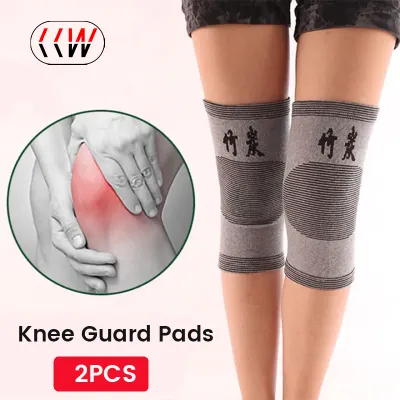
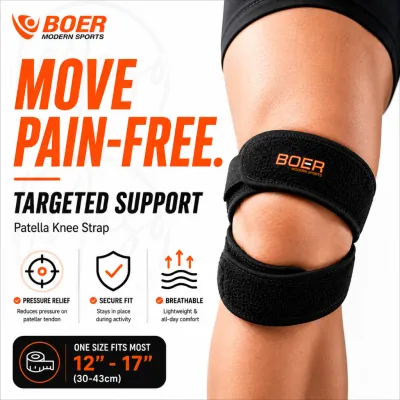
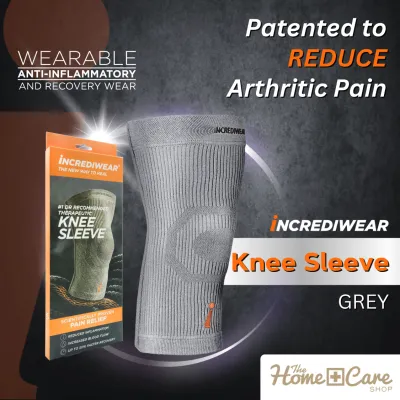
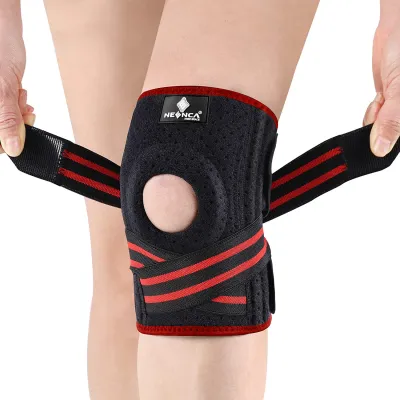
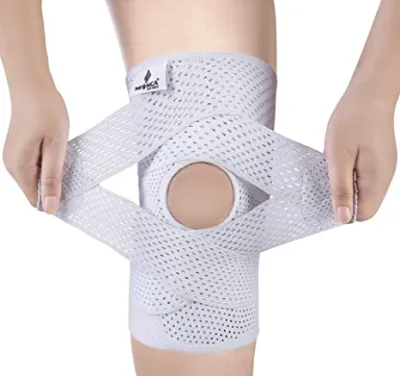
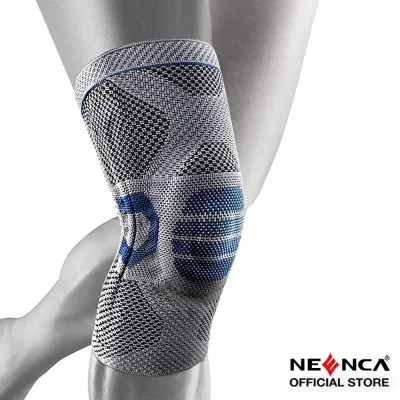
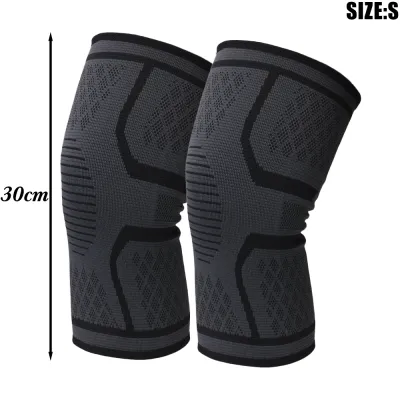
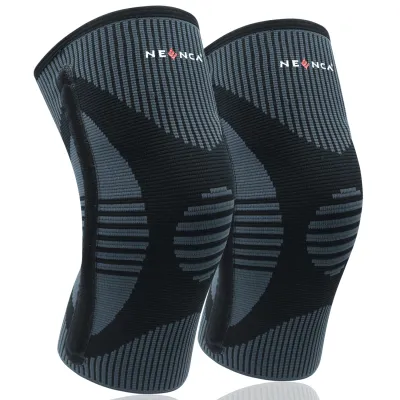
Prices are valid at publication and may change. Please refer to the product page for the latest price.
Knee sleeves are elastic, slip-on garments typically made from neoprene, nylon, or spandex blends. Their primary mechanical role is to provide uniform compression and retain joint warmth. This compression enhances proprioception, which is your brain’s ability to perceive the position and movement of the joint. Sleeves do not mechanically restrict joint movement, making them ideal for maintaining natural mobility while offering mild support.
Knee braces are structured devices designed to provide mechanical stability to the joint. They incorporate rigid or semi-rigid components such as hinges, stays, metal frames, and adjustable straps. The primary purpose of a brace is to limit harmful ranges of motion, protect vulnerable ligaments like the anterior cruciate ligament (ACL) or medial collateral ligament (MCL), and assist in offloading weight from damaged areas of the joint.
Knee guards are protective gear specifically engineered to absorb direct physical impacts and prevent abrasion. They feature dense foam padding, gel inserts, or hard plastic shells positioned directly over the patella and surrounding areas. Unlike braces, guards do not focus on stabilizing the internal ligament structure; instead, they act as a physical barrier against falls, collisions, and friction from hard surfaces.
Knee Sleeves: Best for Compression, Warmth, and Mild Support
Knee sleeves are highly popular among fitness enthusiasts, runners, and lifters who require consistent joint warmth and mild compression without sacrificing range of motion. By compressing the soft tissue around the joint, sleeves help manage minor swelling and improve local blood circulation during repetitive movements.

In warm and humid environments, such as outdoor training in Singapore, the material composition of a sleeve is a critical factor to verify. Neoprene sleeves, typically available in thicknesses of 3mm, 5mm, or 7mm, offer excellent heat retention and structural density, which is highly valued in heavy weightlifting. However, for high-cardio activities like running or cycling in humid weather, lightweight knit sleeves made from breathable, moisture-wicking fabrics are often more comfortable and prevent excessive sweat buildup.
When selecting a knee sleeve, look for specific features that ensure consistent performance during movement. Integrated silicone grip strips along the inner top cuff are essential to prevent the sleeve from sliding down during dynamic exercises. Additionally, check for contoured stitching or targeted compression zones that match the natural shape of the knee to prevent bunching behind the joint.
It is important to recognize the physical limitations of knee sleeves. Because they lack rigid structural elements, sleeves cannot prevent lateral joint shifting or protect against ligament hyperextension. If you are dealing with a torn ligament, severe joint instability, or activities involving high-velocity lateral cutting movements, a sleeve will not provide sufficient mechanical protection.
Knee Braces: Best for Structural Stability and Injury Recovery
Knee braces are specialized medical or athletic devices designed to manage joint instability, protect healing tissues, and prevent structural damage during high-stress activities. They are typically recommended for individuals recovering from ligament sprains, tears, or surgical procedures, as well as those managing chronic joint conditions.
The structural elements of a knee brace vary depending on the level of support required. Hinged knee braces utilize bilateral metal or plastic hinges that align with the knee joint, allowing natural bending while preventing lateral bending or hyperextension. Patella stabilizers often feature an open-patella design with a padded buttress that surrounds the kneecap, helping it track correctly within its groove during movement. Adjustable tension straps allow you to customize the level of compression and mechanical leverage applied to the joint.
When choosing a brace, you must consider the trade-offs associated with increased structural support. Braces are inherently bulkier and heavier than sleeves, which can restrict deep knee flexion and slightly alter your natural gait. In humid climates, the multi-strap design and rigid frames can also trap heat and moisture, making breathable padding and washable liners highly desirable features to verify.
Because a brace physically alters joint mechanics, obtaining a precise fit is critical. An improperly fitted brace can place abnormal stress on the hip or ankle joints, potentially leading to secondary movement compensations. For complex injuries or post-surgical recovery, always consult a physiotherapist or orthopedic specialist to verify the specific type of brace and hinge settings required for your rehabilitation phase.
Knee Guards: Best for Impact Protection in High-Risk Sports
Knee guards are indispensable protective gear for sports and activities where falls, collisions, or direct impacts with hard surfaces are common. Rather than stabilizing the internal joint, guards serve as a shield to protect the skin, patella, and surrounding soft tissues from acute trauma and painful abrasions.
The design of a knee guard should match the specific surface and impact risks of your sport. For court sports like volleyball or basketball, guards featuring low-profile, high-density EVA foam or reactive gel padding are ideal. These materials absorb the shock of diving onto hardwood floors while remaining flexible enough to allow rapid, multi-directional movements. For high-velocity outdoor sports like skateboarding, rollerblading, or mountain biking, guards with hard plastic outer shells are necessary to slide across concrete or gravel, dispersing the force of high-impact falls.
When evaluating knee guards, pay close attention to the coverage area and securement system. The guard should cover the entire kneecap and extend slightly down the upper shin to protect against pedal strikes or low impacts. Dual-strap closure systems or sleeve-style backings with silicone grippers help keep the protective padding centered over the joint during rapid leg movements.
Keep in mind that knee guards offer minimal medical-grade ligament support. If you have an underlying ligament injury but also participate in an impact sport, you may need to look for specialized hybrid options that combine protective padding with lateral stabilizing stays, or consult a professional on how to safely layer your protective gear.
How to Choose the Right Knee Support for Your Activity
Selecting the appropriate knee support requires a clear assessment of your physical condition and the specific demands of your sport. Using a systematic decision framework ensures you do not compromise on safety or unnecessarily restrict your natural movement.
You should choose a knee sleeve if your joints are structurally healthy, but you experience mild stiffness, minor swelling, or want to improve joint awareness during repetitive, linear movements. This includes activities like distance running, road cycling, gym workouts, and functional fitness training where maintaining natural joint mobility is your primary goal.
You should choose a knee brace if you have a history of ligament injuries, experience a sensation of the knee “giving way,” or are participating in sports with high lateral cutting and pivoting, such as football, basketball, or netball. The brace acts as a mechanical safeguard, restricting abnormal lateral movement and protecting the joint from structural failure.
You should choose a knee guard if your primary risk is physical contact, falling, or sliding on hard surfaces. This is the standard choice for mountain biking, skateboarding, inline skating, and court sports where direct impact protection is the priority.
Before purchasing any support gear, verify your physical symptoms. If you are experiencing undiagnosed sharp pain, severe swelling, a locking sensation, or sudden joint instability, do not attempt to self-treat with retail knee supports. Seek a professional medical evaluation to diagnose the underlying issue before selecting and wearing any supportive equipment.
Essential Fit, Safety, and Usage Checks Before You Buy
An improperly fitted knee support can be counterproductive, leading to restricted circulation, skin irritation, or a false sense of security that increases your risk of injury. Taking precise measurements and performing fit checks is essential before committing to a specific model.
To find your correct size, use a flexible measuring tape to measure the circumference of your leg at key points specified by the manufacturer. Typically, this involves measuring around the center of the kneecap, 10 to 15 centimeters above the kneecap (thigh circumference), and 10 to 15 centimeters below the kneecap (calf circumference). Always measure while standing with your leg slightly bent, and compare your measurements directly to the specific manufacturer’s sizing chart, as sizing standards vary significantly between brands.
Once you receive your knee support, perform a physical check to ensure a safe fit. Warning signs of an overly tight fit include numbness, tingling, coldness in the foot, deep skin pinching, or red marks that persist long after removal. Conversely, if the support slips down, bunches behind the knee, or allows the protective padding to shift away from the kneecap during a few basic squats, the size is too large.
Be aware of the conditions that require you to stop using the support. If you experience increased joint pain, skin rashes, or find yourself relying on a structural brace for basic daily walking without a medical recommendation, discontinue use. Knee supports are tools to assist your movement, but they should not replace natural muscle strength, proper joint alignment, and professional rehabilitation.
Frequently Asked Questions (FAQ)
Can I wear a knee sleeve or brace all day?
It is generally not recommended to wear a knee sleeve or structural brace all day unless specifically directed by a medical professional. Compressive sleeves and braces are designed to support the joint during active movement, exercise, or specific rehabilitation periods. Wearing them continuously during periods of rest can restrict local blood circulation, cause skin irritation from trapped moisture, and lead to muscle dependency, where the surrounding muscles weaken because they rely on the external support to stabilize the joint.
How do I clean and maintain my knee support gear?
To prolong the lifespan and maintain the hygiene of your knee support, always check the manufacturer’s care label for specific instructions. As a general rule, hand wash your sleeves, braces, or guards in cold water using a mild detergent, and rinse them thoroughly to remove sweat and soap residue. Avoid using bleach, fabric softeners, or harsh chemicals that can degrade elastic fibers and foam padding. Always air dry your gear flat in a well-ventilated area away from direct sunlight, and never place them in a mechanical dryer, as high heat can warp plastic components, melt silicone grips, and destroy the elasticity of the fabric.
Community discussion
Share your experience or ask a question. Comments are reviewed before publication.