
Choosing between KT Tape Original and KT Tape Pro depends on your material preference, activity intensity, skin sensitivity, and budget. While both variants are designed to provide elastic sports support without restricting your range of motion, they rely on fundamentally different materials to achieve this goal. The Original variant features a traditional cotton weave that offers breathable, everyday comfort for moderate activities, while the Pro variant utilizes synthetic fibers engineered to withstand high-moisture environments, heavy sweat, and multi-day wear.
To make the right purchase at your local pharmacy or sports retailer, you need to look closely at the physical demands of your sport and how your skin reacts to different adhesives. For instance, if you are training in a hot, humid climate like Singapore’s, the choice between cotton and synthetic can significantly impact how long the tape stays securely on your skin. By understanding the structural differences, wear-time ratings, and adhesive profiles of each option, you can select the variant that matches your routine and budget.
Material and Design: Cotton vs. Synthetic
The most significant difference between these two kinesiology tapes lies in their fiber composition. KT Tape Original is made from 100% natural cotton fibers woven together with elastic cores. This cotton construction provides a soft, familiar texture against the skin, making it highly comfortable for daily wear during low-to-moderate intensity activities. Cotton fibers are naturally breathable, allowing air to circulate through the tape, which helps keep the skin cool during standard workouts.
Products mentioned in this guide
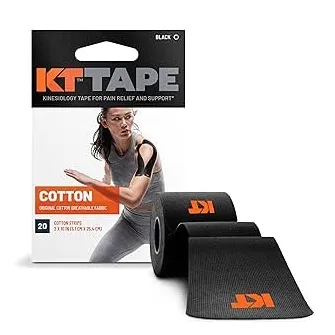
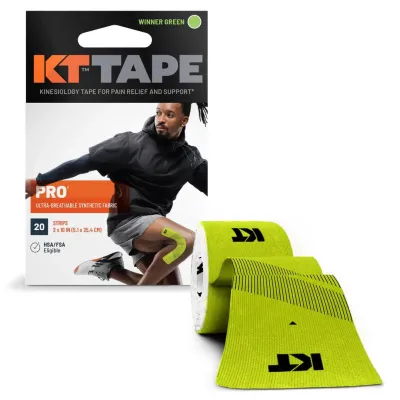
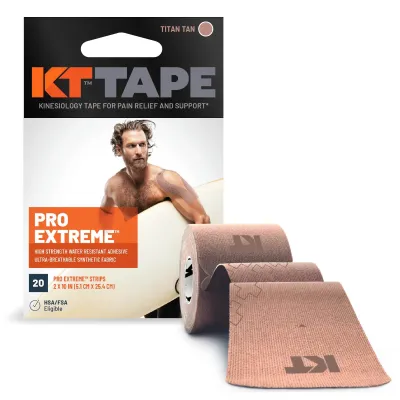
Prices are valid at publication and may change. Please refer to the product page for the latest price.
KT Tape Pro is manufactured using synthetic engineered fibers designed to offer a different level of structural support and elasticity. According to manufacturer specifications, synthetic fibers possess a stronger elastic rebound than cotton. This means that when you stretch the tape during application, the synthetic variant tends to maintain its tension and snapback force over a longer period, providing highly consistent mechanical support throughout dynamic movements.
The physical profile and thickness of the tape also vary between the two materials. Cotton tape is generally slightly thicker and has a more textured, fabric-like feel. While this is comfortable for many, it can sometimes create friction when worn under tight compression gear, cycling kits, or snug athletic shoes. Synthetic tape features a much smoother, lower-profile surface. This ultra-thin design allows it to glide easily against clothing and sports equipment, reducing the risk of the edges catching and peeling off prematurely during high-velocity movements.
When applying either tape, you must pay close attention to how the material responds to tension. Cotton fibers stretch easily but can reach their elastic limit sooner under extreme joint angles. Synthetic fibers are engineered to stretch further and recover their original shape repeatedly without sagging. If your sport involves highly repetitive, wide-ranging joint movements—such as swimming, gymnastics, or weightlifting—the synthetic material’s elasticity profile may offer a more reliable feel.
Wear Time and Water Resistance: Checking the Labels
When evaluating how long each tape will remain effective, you should always start by checking the manufacturer-stated maximum wear time printed on the product packaging. Because synthetic fibers do not absorb water the way natural cotton does, the Pro variant is typically rated for a longer wear duration. Cotton-based tapes are generally designed for single-day or short-term use, whereas synthetic options often claim multi-day durability, sometimes lasting through several showers or workouts.

Water resistance and drying times are critical factors, especially if you train outdoors in tropical humidity or participate in water sports. Cotton is highly absorbent, meaning KT Tape Original will soak up sweat, rainwater, or pool water during use. Once wet, cotton takes a considerable amount of time to dry completely. This prolonged dampness can feel heavy on the skin and may weaken the adhesive bond over time. If you choose the cotton variant, you should verify the label’s guidelines regarding water exposure and be prepared to replace the tape sooner if it becomes saturated.
In contrast, the synthetic fibers of the Pro variant are hydrophobic, meaning they repel water rather than absorbing it. This allows the tape to dry much faster after swimming, showering, or heavy sweating. The quick-drying nature of synthetic tape helps maintain the integrity of the adhesive, reducing the likelihood of the tape sliding or peeling when exposed to moisture. However, you should always verify the specific water-resistance claims on the packaging, as different product lines may have varying levels of water protection.
It is important to remember that actual wear time is highly subjective and depends on several individual variables. Your personal sweat rate, the presence of body hair, and your skin prep routine play massive roles in how long any kinesiology tape stays attached. For example, applying tape to skin that has not been thoroughly cleaned of oils, lotions, or sweat will drastically reduce its lifespan, regardless of whether you use the cotton or synthetic version. Proper application technique—such as rounding the corners of the tape with scissors and avoiding stretching the very ends of the strip—is essential to prevent premature peeling.
Skin Sensitivity and Adhesion: What to Verify
Before purchasing any kinesiology tape, individuals with sensitive skin or known allergies must carefully evaluate the adhesive formulations used on the backing. Both KT Tape Original and Pro are designed to be latex-free, which is a crucial consideration for preventing common allergic reactions. However, the specific glue formulations differ to accommodate the distinct material backings. You should check the product packaging for hypoallergenic labels and look for details on the adhesive type, which is typically a medical-grade, acrylic-based pressure-sensitive adhesive.
Because the Pro variant is engineered for longer wear times and high-moisture environments, its adhesive is often formulated to be stronger and more aggressive than that of the Original cotton tape. While this stronger bond is excellent for keeping the tape secure during intense physical activity, it can increase the risk of skin irritation for users with highly sensitive or delicate skin. If you have reactive skin, the gentler adhesive profile of the cotton Original variant may be more suitable, even if it means replacing the tape more frequently.
To minimize the risk of contact dermatitis or skin tears, you should always perform a standard patch test before applying a full taping pattern. Cut a small, two-inch strip of the tape and apply it to an insensitive area, such as the inside of your forearm or the side of your thigh. Leave it on for 24 hours to monitor for any signs of redness, itching, burning, or swelling. If you experience any discomfort, remove the tape immediately and discontinue use.
Proper removal techniques are vital for protecting your skin barrier when using either variant. Never rip or yank kinesiology tape off your skin quickly, as this can cause painful micro-tears and irritation. Instead, peel the tape off slowly in the direction of your hair growth, keeping the tape close to the skin’s surface rather than pulling it straight upward. To make the process easier and pain-free, you can apply a small amount of baby oil, coconut oil, or warm soapy water to the tape to help break down the adhesive before gently peeling it away.
Evaluating Price and Value for Your Routine
When planning your sports accessory budget, you will notice a clear distinction in the market positioning of these two products. The synthetic KT Tape Pro typically carries a price premium over the cotton KT Tape Original. In Singapore, a roll of the Original cotton tape might retail around S$15 to S$25, while the synthetic Pro version often ranges from S$25 to S$40 or more, depending on the retailer and package size. To determine which option offers the best value, you should calculate the cost per application or per roll based on your specific usage habits.
If you only require support for occasional weekend activities, light recovery sessions, or acute, short-term injuries, the lower price point of the cotton Original variant makes it a highly cost-effective choice. Paying a premium for synthetic materials may not be necessary if you plan to remove the tape after a single workout or a few hours of wear. The cotton variant provides excellent temporary support without a significant financial investment.
Conversely, if you are an active athlete training multiple times a week, the synthetic Pro variant may offer better long-term value despite the higher upfront cost. Because the Pro version is designed to stay adhered through multiple days, showers, and intense training sessions, you may find yourself using fewer strips overall. If one application of synthetic tape lasts three days while a cotton application needs to be replaced daily, the synthetic option can actually reduce your cost per day of support. Weigh your taping frequency and performance needs carefully to find the right financial balance.
Final Decision: Which Variant Fits Your Needs?
To finalize your purchase decision, consider how your specific activity level, environment, and physical requirements align with the characteristics of each tape. Use the following guidelines to select the variant that best supports your routine:
- Choose KT Tape Original if: You prefer the soft, natural feel of cotton fibers against your skin, have standard skin sensitivity, and primarily need reliable support for moderate, dry, or short-duration activities. It is an excellent, budget-friendly option for everyday wear, light gym sessions, or occasional injury management where multi-day adhesion is not required.
- Choose KT Tape Pro if: You require extended wear times of several days, engage in high-intensity training, or participate in water-based sports and heavy-sweating activities. Its synthetic, quick-drying fibers and stronger adhesive are ideal for demanding environments, outdoor sports in humid climates, and athletes who want continuous support across multiple workouts.
- Verify first if: You have known adhesive allergies, highly reactive skin, or underlying circulatory or neurological conditions. In these situations, always consult a healthcare professional, physical therapist, or sports physician before applying kinesiology tape to ensure it is safe and appropriate for your specific health needs.
Frequently Asked Questions (FAQ)
Can I use both KT Tape Original and Pro on the same joint?
While it is physically possible to apply both variants to the same joint, doing so is generally not recommended. Mixing cotton and synthetic tapes in a single application can create uneven tension and pull because the two materials have different stretch, elasticity, and recovery profiles. This mismatch can lead to uneven support, premature peeling at the overlapping edges, or localized skin irritation. For the most consistent support and a predictable removal process, it is best to stick to one variant per application.
Does the color of the tape affect its performance?
No, the color of the tape is purely cosmetic and does not affect its physical performance, elasticity, or adhesive strength. According to standard manufacturer specifications, all color options within the same product line (whether Original or Pro) use the exact same material composition and adhesive backing. You can choose your tape color based entirely on personal style, team uniform requirements, or visibility preferences for outdoor sports.
Community discussion
Share your experience or ask a question. Comments are reviewed before publication.