
Choosing between KT Tape Pro and KT Tape Original is a common decision for athletes, fitness enthusiasts, and individuals seeking targeted muscle and joint support. While both options are designed to mimic the elasticity of human skin to support movement without restricting your range of motion, they differ significantly in their material composition, adhesive strength, and overall durability. Selecting the right version depends on your specific activity level, environmental conditions, and budget.
If you engage in high-intensity training, water sports, or frequently exercise in hot, humid climates, the synthetic KT Tape Pro is generally the more suitable choice due to its engineered durability and moisture resistance. For light daily support, office wear, or short-term applications where natural fibers are preferred, the cotton-based KT Tape Original offers a practical and cost-effective solution. Understanding these core differences will help you make an informed decision that aligns with your physical routine and skin sensitivity.
Core Differences in Material and Construction
The primary distinction between KT Tape Pro and KT Tape Original lies in the base materials used during manufacturing. KT Tape Original is constructed from a high-grade cotton blend. Cotton is a natural fiber known for its soft texture and basic breathability, providing a comfortable, lightweight feel against the skin. This makes the Original version highly suitable for everyday wear, light stretching, or low-impact exercises where extreme durability is not the primary requirement.
Products mentioned in this guide
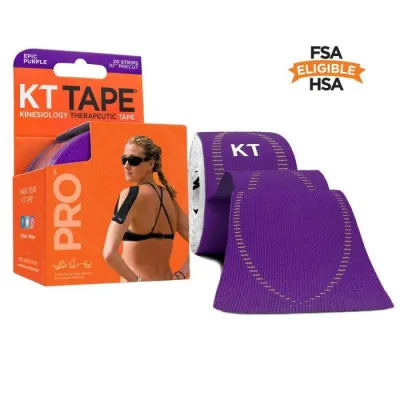
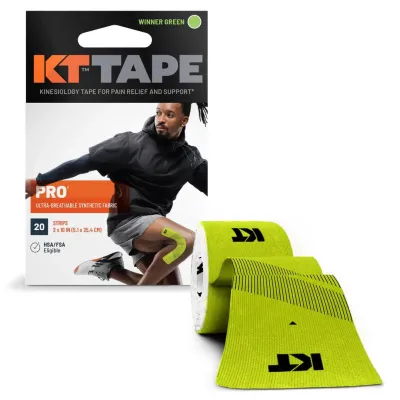
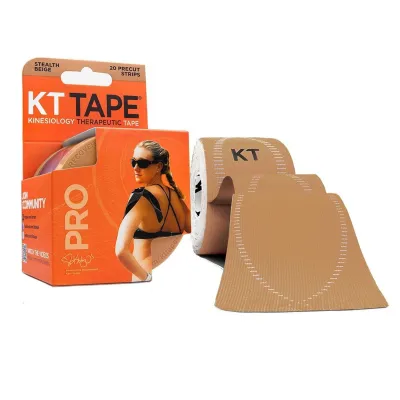
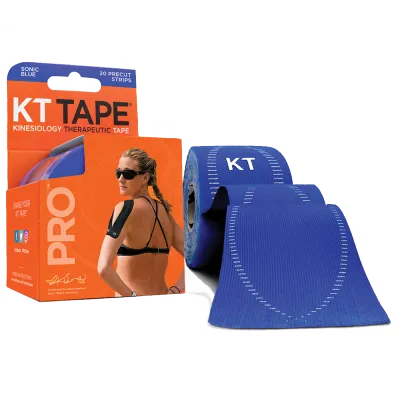
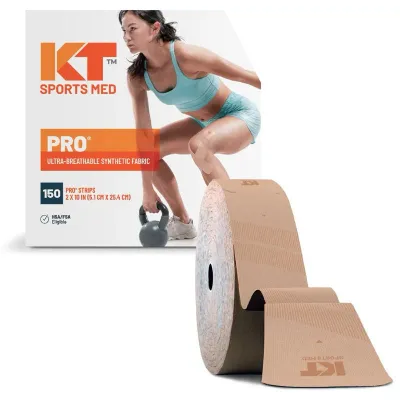
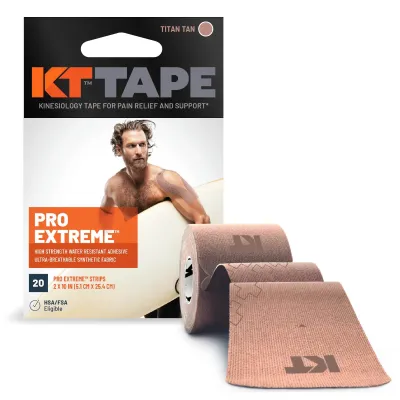
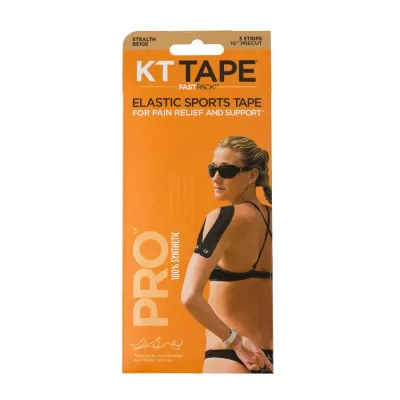
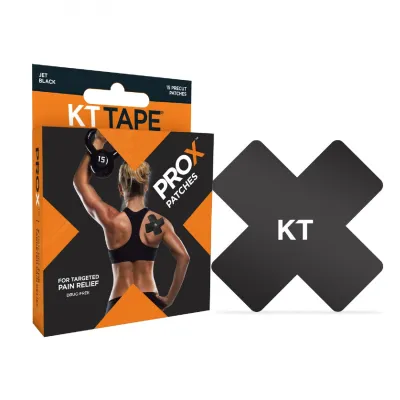
Prices are valid at publication and may change. Please refer to the product page for the latest price.
In contrast, KT Tape Pro is engineered using synthetic fibers. Synthetic materials are specifically designed to offer different physical properties than natural cotton. These fibers are typically smoother, stronger, and highly resistant to moisture absorption. The synthetic construction allows the tape to maintain its structural integrity under tension, making it a robust option for demanding physical activities.
The choice of material directly influences how the tape behaves dynamically on your body. Synthetic fibers generally provide a more robust elastic recoil, meaning they snap back to their original length with greater force after being stretched. This can translate to more consistent tension and support during dynamic, high-velocity movements. Cotton, while elastic, has a gentler recoil that is often preferred for light support where a highly active spring-back effect is not required.
Breathability is another key factor influenced by material construction. While cotton absorbs moisture, synthetic fibers are designed to wick moisture away from the skin, allowing air to circulate more freely through the weave. This is particularly important in warm, humid environments where sweat accumulation can quickly compromise the tape’s bond. To understand the exact mechanical differences of the roll you are purchasing, always check the product packaging. Manufacturers often print specific details regarding the elasticity percentage, material composition, and intended tension levels directly on the box or insert.
Durability, Sweat, and Water Resistance
Durability under wet conditions is a major differentiator between synthetic and cotton kinesiology tapes. Because cotton is naturally absorbent, the Original version tends to retain water after a shower, swim, or heavy sweat session. This retained moisture can weigh the tape down, weaken the adhesive bond, and cause the edges to peel prematurely. If you plan to wear the tape through multiple showers or during water-based activities, cotton may require more frequent reapplication.

The Pro version’s synthetic fibers are designed to resist water absorption. Instead of soaking up moisture, the synthetic weave allows water to bead off or dry rapidly. This quick-drying capability helps maintain the integrity of the adhesive even when fully submerged or subjected to intense perspiration. Before purchasing, verify the specific water-resistance ratings on the product label. Some packaging will explicitly state whether the product is water-resistant or waterproof, along with any manufacturer-tested limits for water exposure.
Several environmental and physiological factors can rapidly degrade the adhesive on both variants. Excessive sweat, high humidity, exposure to chlorinated pool water, salt water from ocean swimming, and the natural oils produced by your skin all work to break down the adhesive polymers. Additionally, applying the tape over body lotions, sunscreens, or moisturizing soaps will prevent the adhesive from bonding correctly in the first place.
To maximize the wear time of either tape variant, use this preparation checklist:
- Clean the application area thoroughly with rubbing alcohol or non-moisturizing soap to remove surface oils.
- Ensure the skin is completely dry and free of any moisture before applying.
- Trim excess body hair in the application area, as tape adhering to hair rather than skin will lift quickly.
- Apply the tape at least 30 to 60 minutes before starting any physical activity or exposing the area to water to allow the adhesive to fully bond.
- Round the corners of each cut strip using scissors to prevent sharp edges from catching on clothing.
Skin Sensitivity and Adhesive Comfort
Kinesiology tapes generally use medical-grade, acrylic-based adhesives that are formulated to be hypoallergenic and latex-free. However, “hypoallergenic” does not mean a product is guaranteed to be reaction-free for every individual. The strength of the adhesive can vary significantly between the Original and Pro versions, with the Pro version often utilizing a stronger adhesive formula to withstand moisture and movement.
For individuals with sensitive skin, the gentler adhesive of the cotton Original version may be more comfortable for short-term wear. The stronger adhesive on the synthetic Pro version, while excellent for durability, can sometimes cause more mechanical pull on the skin, which may lead to irritation or redness upon removal. If you have a history of skin reactions to bandages or medical tapes, the cotton version is often a safer starting point.
Before applying a full application of either tape, it is highly recommended to perform a patch test. Cut a small, two-inch square of the tape and apply it to a clean, hairless area on your inner forearm. Leave it in place for 24 hours to monitor how your skin reacts to both the material and the adhesive.
Be vigilant for warning signs of contact dermatitis or skin irritation. These signs include persistent itching, redness, swelling, burning sensations, or the formation of small blisters under or around the taped area. If you experience any of these symptoms, remove the tape immediately. Do not attempt to “wear through” the discomfort, as prolonged exposure to an irritating adhesive can damage the skin barrier and lead to more severe dermatological issues.
Price and Value Assessment
When evaluating the financial aspect of your purchase, it is essential to look beyond the initial price tag of the box. Consumers should compare the current retail price per roll or per pre-cut strip in S$ across authorized sports retailers, local pharmacies, and reputable online marketplaces. Generally, the synthetic Pro version commands a higher price point than the cotton Original version due to its advanced material construction and specialized adhesive.
For occasional users—such as someone who needs temporary support for a minor strain or a one-off weekend event—the lower cost of the Original version often represents the best value. Paying a premium for synthetic fibers is rarely necessary if the tape is only going to be worn for a few hours during light activity.
Conversely, for daily athletes, marathon runners, or individuals training in hot and humid climates, the cost-per-use dynamics shift. While the Pro version costs more upfront, its ability to withstand heavy sweat and multiple shower cycles without peeling means you may use fewer strips over a week compared to the Original version, which might require frequent reapplication.
Paying the premium for the Pro version is highly justified in specific scenarios:
- Participating in water-based sports like swimming, water polo, or dragon boating.
- Engaging in high-intensity endurance training where heavy sweating is guaranteed.
- Requiring multi-day support where the tape must remain securely bonded through daily showers.
- Exercising in outdoor environments where sudden tropical downpours or high humidity are common.
Decision Framework: Which Tape Fits Your Routine?
To streamline your selection process, consider how your specific lifestyle, exercise habits, and physical environment align with the characteristics of each tape.
Choose KT Tape Pro if:
- Your routine involves high-intensity training, long-distance running, or heavy cardiovascular workouts that cause significant sweating.
- You participate in water sports or require a tape that can withstand swimming and daily showering without peeling.
- You need the tape to remain securely in place for multiple days to provide continuous support.
- You prefer a highly responsive, synthetic material with strong elastic recoil.
Choose KT Tape Original if:
- You require light, daily support for low-impact activities, office work, or mild postural correction.
- You prefer the soft, natural feel of cotton fibers against your skin.
- You only need to wear the tape for short durations, such as a single workout session or a few hours.
- You are working within a tighter budget and want a cost-effective solution for occasional use.
Verify first if:
- You have known adhesive allergies, highly sensitive skin, or fragile skin conditions; in these cases, consult a healthcare professional before application.
- You are recovering from a serious injury; tape should only be used as a supportive aid alongside a professional rehabilitation plan, not as a replacement for medical treatment.
- The area of application has open wounds, sunburn, or active skin infections, as tape should never be applied to compromised skin.
Safe Application and Removal Guidelines
Proper application and removal techniques are just as important as choosing the right tape variant. Incorrect usage can lead to skin irritation, painful tearing, or reduced support, regardless of whether you choose the Pro or Original version. Kinesiology tape is a supportive tool, but its effectiveness depends entirely on correct handling.
Before application, prepare your skin meticulously. Wash the area with a basic soap that does not contain added moisturizers or oils, then dry the skin completely. Avoid applying any body lotions, sunscreens, or topical creams to the area, as these substances create a barrier that prevents the adhesive from bonding. If you have applied any oils, use rubbing alcohol to clean the skin surface thoroughly before taping.
When removing the tape, never rip or pull it off quickly like a traditional adhesive bandage. Ripping the tape can tear the upper layers of your skin, leading to painful abrasions. Instead, peel the tape slowly, folding it back on itself rather than pulling it straight up. Always peel in the direction of your hair growth.
To make removal easier and gentler on the skin, saturate the tape with baby oil, coconut oil, or warm soapy water a few minutes before peeling. This helps break down the adhesive bond, allowing the tape to slide off smoothly.
While kinesiology tape is a valuable tool for managing minor discomfort and supporting active movement, it cannot replace professional medical care. Stop using the tape immediately and consult a physiotherapist or medical professional if your pain worsens, if you experience numbness or tingling, or if you develop persistent skin irritation that does not resolve shortly after removing the tape.
Frequently Asked Questions (FAQ)
Can I sleep or shower with either version of KT Tape? (FAQ)
Yes, both versions are designed to withstand daily activities, including showering and sleeping. When showering, avoid scrubbing the taped area directly with soap or loofahs. After bathing, do not rub the tape with a towel; instead, gently pat it dry with a clean towel and allow it to air-dry completely. For sleeping, ensure the edges of the tape are securely bonded before going to bed so they do not catch on bedsheets or clothing.
Does the color of the tape affect its performance? (FAQ)
No, the color of the tape does not affect its performance, elasticity, or adhesive strength. All color variations within the same product line (Pro or Original) are manufactured to the exact same specifications. While some users believe certain colors offer more support, official manufacturer statements clarify that the dyes used are purely aesthetic, allowing users to customize their look or match their athletic gear.
Community discussion
Share your experience or ask a question. Comments are reviewed before publication.