
Finding the ideal sports water bottle for active workouts requires balancing two distinct engineering features: a secure, mechanical seal that prevents messy spills in your gym bag, and a robust thermal barrier that keeps your drinks cold in tropical heat. While many brands advertise absolute protection against leaks, the reality depends heavily on lid design, gasket quality, and how you handle the bottle during high-intensity movement. By understanding the structural differences between spill-resistant and truly leak-proof designs, you can select a bottle that withstands vigorous exercise without dampening your gear.
To make an informed purchase, you must look beyond marketing buzzwords and examine the physical components that dictate performance. A bottle that performs flawlessly on a desk might fail when tossed into a duffel bag or dropped onto a concrete path. Evaluating these products through a lens of material durability, thermal physics, and practical ergonomics ensures your hydration companion remains reliable over years of daily use.
Identifying True Leak-Proof Mechanisms in Sports Bottles
The primary line of defense against any leak is the elastomeric gasket, commonly referred to as an O-ring. These small rings are typically made of food-grade silicone, a material chosen for its flexibility, resistance to temperature fluctuations, and ability to compress under pressure. When you tighten a bottle lid, this gasket is compressed between the plastic lid and the rigid rim of the bottle, filling microscopic imperfections and creating an airtight barrier. If a bottle lacks a high-quality gasket, or if the gasket is too thin to compress evenly, liquid will eventually find a path outward under pressure.
Products mentioned in this guide
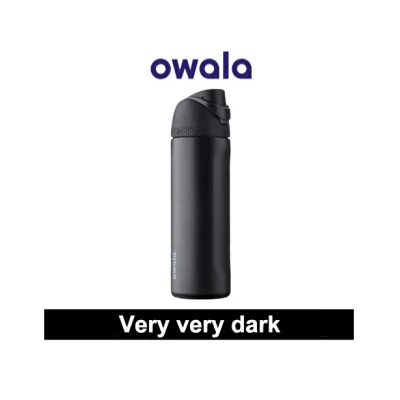
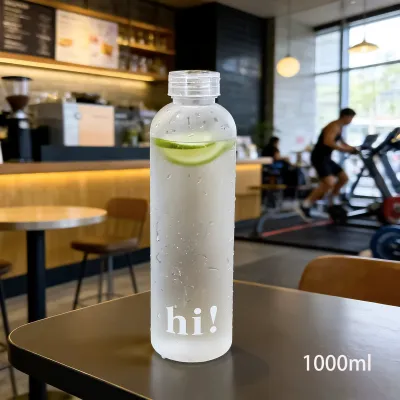
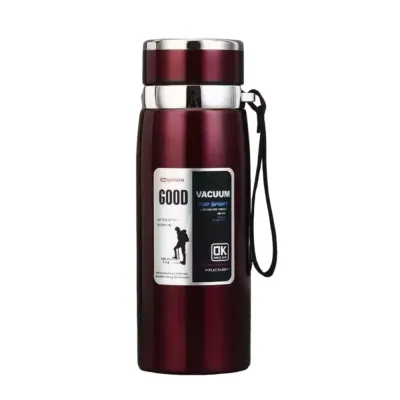
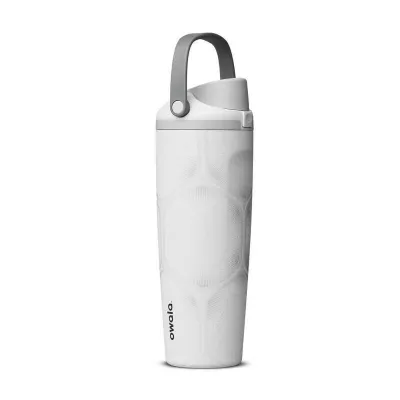
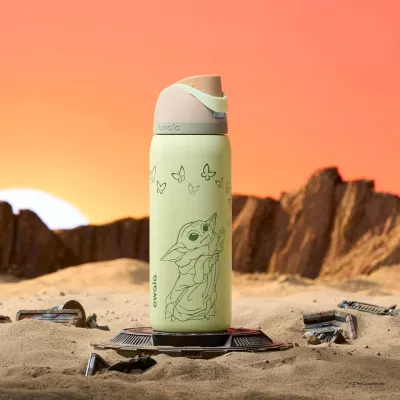
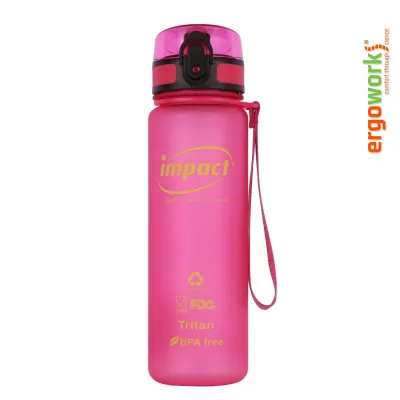
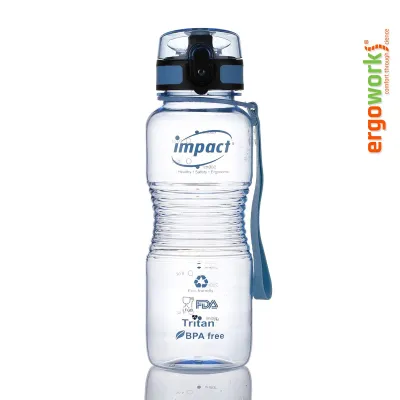
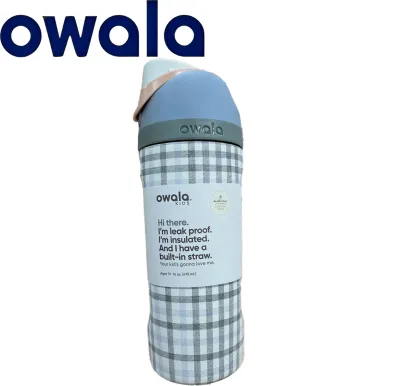
Prices are valid at publication and may change. Please refer to the product page for the latest price.
Thread depth and alignment play an equally critical role in maintaining this seal. Deep, well-defined threads on both the bottle neck and the lid ensure that the closing force is distributed evenly across the entire circumference of the gasket. Shallow or poorly molded threads can easily cross-thread, leading to an uneven seal where one side is compressed while the other remains loose. When evaluating a bottle, look for lids that screw on smoothly without catching, as this indicates precise manufacturing tolerances that prevent accidental loosening during transport.
It is also essential to distinguish between manufacturer claims of “spill-resistant” and “leak-proof” designs. A spill-resistant bottle is engineered to prevent immediate splashes if the bottle is tipped over briefly on a flat surface or used while walking. However, these designs often rely on simple friction-fit caps or open vent holes that cannot withstand the hydrostatic pressure built up when a bottle is inverted or shaken inside a sports bag. A truly leak-proof bottle utilizes mechanical locks, threaded closures, or sealed valves that completely isolate the liquid, even when subjected to external pressure and continuous movement.
Matching Thermal Insulation to Your Workout Needs
If keeping your water ice-cold during outdoor activities is a priority, understanding double-wall vacuum insulation is essential. This construction consists of an inner and outer stainless steel container welded together, with the air completely evacuated from the space between them. Because a vacuum contains no air molecules, it cannot conduct heat. This virtually eliminates heat transfer by conduction or convection, leaving radiation as the only path for heat to enter, which is minimized by reflective coatings on the inner wall.

While vacuum insulation is highly effective at maintaining temperature, it introduces a noticeable weight penalty. The double-layer steel construction makes these bottles significantly heavier than their single-wall plastic or aluminum counterparts. For high-intensity cardio, long-distance running, or fast-paced trail workouts where every gram counts, carrying a heavy steel bottle can be a drawback. In these scenarios, you must weigh the benefit of ice-cold water against the physical effort of carrying the extra weight.
Your typical workout duration should dictate the level of insulation you choose. For a standard one-hour session in an air-conditioned local gym, a lightweight, single-wall bottle or a moderately insulated plastic bottle may be perfectly adequate. However, if you are planning long outdoor hikes along humid trails, or spending several hours on an outdoor tennis court, investing in a high-performance double-wall vacuum bottle is highly beneficial. These environments demand sustained thermal retention to keep your hydration refreshing from the first mile to the last.
Comparing Lid Designs for Leak Security and Access
Straw lids are highly popular among cyclists and runners because they allow you to drink without tilting your head, keeping your eyes on the road or trail ahead. However, this convenience comes with added mechanical complexity. Straw lids rely on internal silicone valves and tiny air vents to allow liquid to flow smoothly. Over time, these multi-part assemblies can wear down, and if the bite valve or vent gasket misaligns, water can easily seep out when the bottle is tilted or stored horizontally in a bag.
Flip-top and spout lids offer a practical middle ground, providing a fast, high-flow drinking experience with a more secure closure. These designs typically feature a hinged cap that snaps over a drinking spout, secured by a physical locking latch or button. The leak security of these lids depends entirely on the durability of the locking mechanism and the quality of the small silicone plug that seals the spout. When shopping, look for lids with a secondary metal or plastic locking loop that prevents the button from being accidentally pressed inside a crowded gym bag.
For absolute leak security, traditional screw-cap and loop lids remain unmatched. Because they feature no moving valves, hinges, or spring-loaded buttons, there are fewer points of failure. The lid screws directly onto the bottle neck, compressing a thick, flat gasket for a highly reliable seal. The obvious trade-off is accessibility; you must use both hands to unscrew the cap every time you need a drink, which can interrupt your rhythm during active exercise. This design is best suited for sports where you have dedicated rest breaks, or for transporting your water safely to and from the venue.
Verifying Brand Claims Before You Buy
When shopping for a premium sports bottle, which can range from S$30 to S$60, it is wise to verify manufacturer specifications rather than relying on marketing claims. Check if the brand provides specific temperature retention ratings for both hot and cold liquids. Reliable manufacturers often specify the exact testing conditions, such as the starting water temperature and the ambient room temperature used during their evaluations. Be cautious of vague claims like “keeps drinks cold all day” without supporting data.
Another key factor in long-term reliability is the availability of replacement parts. Even the highest-quality silicone gaskets will eventually degrade, stretch, or harbor stubborn mold after months of exposure to moisture. Before committing to a specific brand, check if they sell replacement lids, gaskets, and straw assemblies separately. A brand that offers affordable, easily accessible spare parts allows you to extend the lifespan of your bottle indefinitely, saving you from replacing the entire steel container due to a single worn-out seal.
Finally, analyze user feedback systematically on online marketplaces and independent review sites. Instead of focusing on overall star ratings, search specifically for terms like “leaked,” “sweat,” “mold,” or “dropped.” Pay close attention to reviews written after six months or a year of regular use. This feedback often reveals common failure points, such as plastic hinges that crack after repeated drops, or vacuum seals that fail prematurely, causing the bottle to lose its insulating properties.
Maintaining Seals and Insulation Over Time
Proper maintenance is crucial to preserving both the leak-proof integrity and the thermal performance of your sports bottle. Mold and bacteria thrive in dark, damp environments, making the narrow crevices of lids, straws, and gaskets prime targets. To clean these areas thoroughly, you should regularly remove the silicone gaskets using a blunt tool, such as the handle of a spoon, to avoid tearing the material. Wash them by hand in warm, soapy water, and use specialized detail brushes to clean inside narrow spouts and straw channels.
Exposure to extreme heat can permanently damage your bottle’s components. Unless the manufacturer explicitly states that the entire bottle is dishwasher safe, avoid exposing the vacuum-insulated flask to high-heat wash and dry cycles. The intense heat and harsh detergents can warp delicate silicone seals, degrade external powder coatings, and potentially compromise the vacuum weld at the base of the bottle. Hand washing with mild dish soap and allowing all parts to air dry completely before reassembly is the safest way to maintain your bottle.
It is also important to recognize when a bottle has reached the end of its functional life. If you notice condensation forming on the outside of a stainless steel bottle—a phenomenon known as sweating—it indicates that the internal vacuum seal has been compromised. Once the vacuum is lost, the bottle will no longer insulate effectively. Similarly, if you observe persistent leaks despite tightening the lid correctly, inspect the gaskets for cracks, stiffness, or mold that cannot be cleaned, and replace them immediately to restore a secure seal.
Frequently Asked Questions (FAQ)
Can I put a leak-proof insulated bottle in the dishwasher?
You should always consult the manufacturer’s care instructions before placing your bottle in the dishwasher. While some modern stainless steel bottles are rated as dishwasher safe, many are not. The high temperatures of dishwasher heating elements and the abrasive nature of dishwasher detergents can warp silicone gaskets, degrade the external powder-coated finish, and damage the vacuum seal weld at the base of the bottle. Hand washing is generally recommended to preserve the longevity of both the seals and the insulation.
Why does my sports bottle sweat even if it is insulated?
A properly functioning double-wall vacuum insulated bottle should never sweat on its stainless steel body, as the vacuum layer prevents heat transfer to the outer wall. If you notice condensation forming on the steel exterior, it is a strong sign that the vacuum seal has failed, allowing the outer wall to cool down to the temperature of the liquid inside. However, minor condensation forming on a plastic lid or cap is normal, as these components are rarely vacuum-insulated and can easily transfer cold temperatures to the humid outside air.
Community discussion
Share your experience or ask a question. Comments are reviewed before publication.