
Choosing the right lifting glove material is a decision that directly impacts your grip security, hand protection, and overall training comfort. The ideal material depends on your specific workout routine, how much you sweat, and the level of bar feel you prefer. Leather offers unmatched durability and protection against aggressive barbell knurling, making it a classic choice for heavy lifters. Synthetic fabrics provide excellent breathability and flexibility for high-tempo functional fitness, while neoprene excels in moisture management and cushioning, which is particularly beneficial in warm, humid gym environments.
Rather than searching for a single universal winner, matching the material properties to your training style ensures your gear supports your performance. By understanding how leather, synthetics, and neoprene behave under load and exposure to sweat, you can select a pair of gloves that enhances your grip without compromising comfort.
Matching Glove Materials to Your Training Style
Your training style dictates the physical demands placed on your lifting gloves. Heavy powerlifting and traditional bodybuilding routines involve sustained friction against heavy metal bars, requiring a material that can withstand intense abrasion. If your workouts focus on deadlifts, heavy rows, and bench presses, you need a robust barrier that prevents calluses and blisters over long-term use.
Products mentioned in this guide
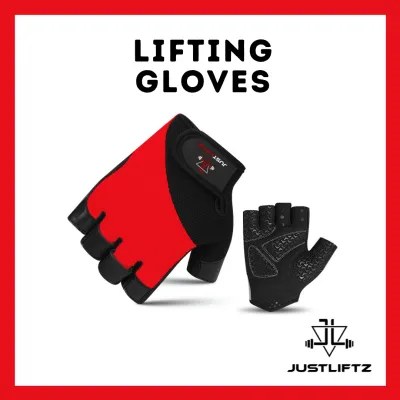
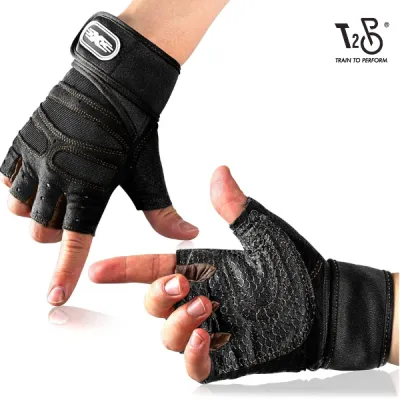
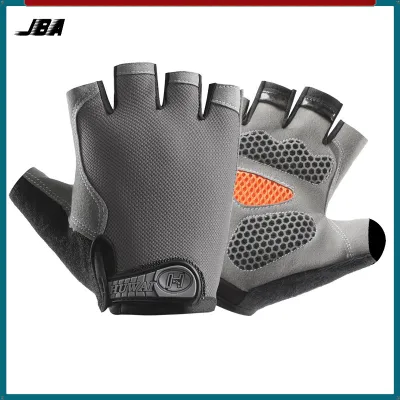
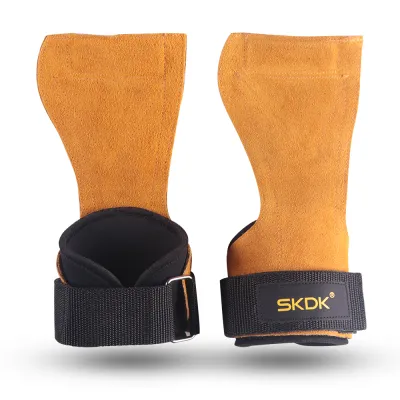

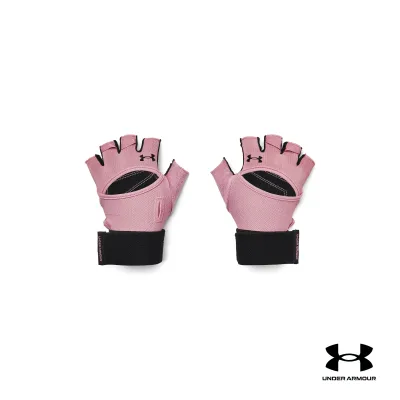
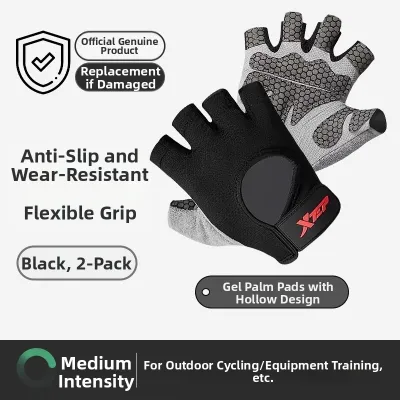
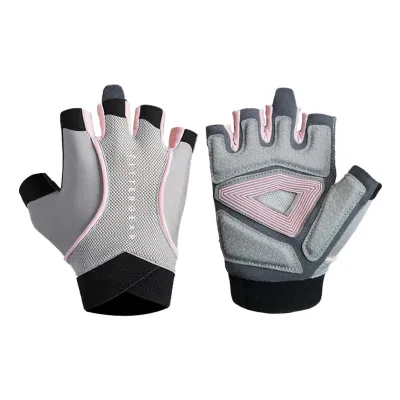
Prices are valid at publication and may change. Please refer to the product page for the latest price.
In contrast, high-repetition functional fitness, circuit training, and gymnastics-style movements demand high hand flexibility and rapid transitions between exercises. For these workouts, stiff materials can restrict your hand movement and cause discomfort during dynamic pull-ups or kettlebell swings. You need a glove that stretches naturally with your hand while maintaining a secure hold on various surfaces.
Environmental factors like sweat levels and gym climate also play a critical role in your decision. In humid tropical climates, such as training in non-air-conditioned local gyms or outdoor fitness corners, hands sweat rapidly. This moisture can make certain materials slippery or heavy, meaning ventilation and quick-drying properties become just as important as physical durability.
Leather Lifting Gloves: Evaluating Grip and Longevity
Leather has long been the standard for heavy-duty gym gear due to its natural toughness and resistance to tearing. When shopping for leather lifting gloves, it is important to read the product labels carefully to understand what you are buying. Genuine leather, such as full-grain or top-grain cowhide or goatskin, offers the highest level of durability and naturally molds to the shape of your hand over time. Synthetic leather or polyurethane (PU) blends are often more affordable and easier to clean, but they generally lack the long-term wear resistance and custom-fit feel of real leather.

New genuine leather gloves typically require a break-in period before they feel completely comfortable. Initially, the material can feel stiff and thick, which might temporarily reduce your tactile feedback and bar control. As you use them, the leather softens and conforms to your grip, creating a personalized fit that feels like a second skin. However, if you prefer immediate flexibility and a thin barrier between your hand and the bar, thick leather might not be your preferred option.
Moisture management is the primary limitation of genuine leather gloves. In high-sweat conditions, leather absorbs moisture, which can make the gloves feel heavy and stiffen as they dry. If left in a closed gym bag while damp, leather can develop unpleasant odors and degrade prematurely. To maintain the integrity of the material, you must commit to proper drying routines, keeping them away from direct heat sources that can cause the leather to crack.
Synthetic and Neoprene Options: Breathability and Flexibility
Synthetic lifting gloves, often made from combinations of polyester, nylon, and spandex, are engineered for modern, high-intensity workouts. These gloves frequently feature integrated design elements like mesh panels, micro-perforations, and open-back structures that actively promote airflow. This ventilation helps keep your hands dry and cool during intense training sessions, reducing the risk of slipping inside the glove.
Neoprene, a synthetic rubber material commonly used in wetsuits, offers unique advantages for grip and comfort. It is highly flexible, providing a snug, conforming fit that stretches easily as you open and close your hand. Neoprene is also naturally water-resistant, meaning it does not absorb sweat in the way leather does. Instead, it maintains its cushioning properties and grip texture even when exposed to heavy perspiration, making it an excellent choice for humid training environments.
The trade-off for the high flexibility and breathability of synthetic and neoprene gloves is their long-term durability against aggressive barbell knurling. Sharp, deeply cross-hatched metal grips can wear down soft synthetic fibers and neoprene faster than tough leather. When choosing these materials, it is essential to inspect the palms for reinforced grip pads and check the seam stitching in high-friction zones, such as the base of the fingers, to ensure they can withstand regular use.
Essential Fit and Construction Checks Before Purchase
Regardless of the primary material you choose, verifying the construction quality and fit of the gloves is vital for safety and performance. Start by assessing the wrist support mechanism. Some gloves feature integrated, rigid wrap straps that wind tightly around the wrist to provide stability during heavy overhead presses. Others use simple, low-profile elastic closures designed primarily to keep the glove secure without restricting wrist mobility, which is ideal for dynamic, multi-joint movements.
Next, evaluate the placement and thickness of the palm padding. The padding should align perfectly with your hand’s natural pressure points, particularly across the base of the fingers where calluses typically form. However, excessively thick padding can increase the effective diameter of the barbell, making it harder to wrap your fingers securely around the steel. Look for segmented or anatomically shaped padding that protects your skin without compromising your natural grip mechanics.
Finally, inspect the stitching quality at high-stress points before committing to a pair. Turn the gloves slightly inside out if possible, or look closely at the finger gussets and the thumb joint. Double-stitched seams and reinforced thread are clear indicators of a glove built to handle tension. Loose threads, single stitching in high-wear areas, or rough interior seams that could rub against your skin are signs that the gloves may fail prematurely or cause painful chafing during workouts.
Material-Specific Care and Maintenance
To maximize the lifespan of your lifting gloves and prevent the buildup of bacteria and odors, you must follow proper care practices tailored to the specific material. Always start by checking the manufacturer’s care label attached to the inside of the glove. This label provides the definitive instructions regarding water temperature, detergent limits, and washing methods.
Genuine leather gloves require specialized care and should never be tossed into a washing machine or submerged fully in soapy water, as this strips the natural oils, leading to shrinking, cracking, and stiffness. Instead, wipe the leather surfaces down with a damp cloth and use a mild leather cleaner if necessary. For synthetic and neoprene gloves, hand washing in cool water with a small amount of mild detergent is generally the safest approach to remove sweat and grime without damaging the fibers.
Drying your gloves correctly is just as important as cleaning them. Regardless of the material, always air-dry your lifting gloves in a well-ventilated space away from direct sunlight, radiators, or tumble dryers. High heat can warp synthetic fibers, degrade neoprene, and ruin leather. Hanging them open with the palms facing outward ensures air circulates fully through the interior, keeping them fresh and ready for your next training session.
Frequently Asked Questions (FAQ)
Do I need lifting gloves with wrist wraps?
Whether you need integrated wrist wraps depends on the exercises in your training routine. Heavy pressing movements, such as the bench press or overhead shoulder press, place significant extension stress on the wrists, where extra stabilization can be highly beneficial. Conversely, dynamic pulling movements like pull-ups, cleans, or kettlebell swings require natural wrist flexibility, making rigid wraps restrictive. If you choose gloves with wraps, check that the strap is wide enough to distribute pressure evenly and that the hook-and-loop closure allows you to adjust the tightness easily without cutting off circulation.
How do I know if my lifting gloves are too tight?
Your lifting gloves are too tight if you experience numbness, tingling, or restricted blood flow in your fingers during a workout. Another clear sign is if you cannot easily bend your fingers to make a tight fist, or if you notice extreme tension and pulling at the seams when gripping a bar. To verify the fit before training, put the gloves on and simulate your grip on a barbell or dumbbell; the material should feel snug and secure against your skin without pinching, digging into your finger webbing, or restricting your natural hand movement.
Community discussion
Share your experience or ask a question. Comments are reviewed before publication.