
The Short Answer: Leather vs Synthetic Golf Gloves
Choosing the right golf glove is one of the most direct ways to improve your connection to the club, but there is no single option that excels in every scenario. The ideal choice depends on whether you prioritize a premium, second-skin feel or long-lasting durability and weather resistance.
Premium leather gloves, typically crafted from Cabretta leather, offer unmatched tactile feedback and a natural grip. However, they require careful maintenance and tend to degrade quickly when exposed to heavy moisture, sweat, or rain.
Synthetic gloves, engineered from advanced microfibers, provide excellent durability, consistent performance across various weather conditions, and superior moisture management. These qualities make them particularly practical for frequent practice sessions or rounds played in hot, humid tropical climates.
Products mentioned in this guide
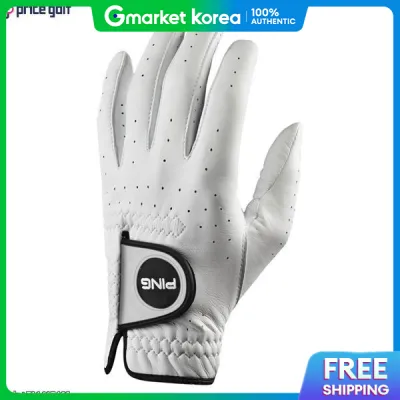
![FootJoy FJ SofJoy Mens Golf Glove with Ballmarker 2026 [Special SG Edition]](https://img.lazcdn.com/g/p/90629f4efd6d53757ace5f165379b8d5.jpg_400x400q80.jpg_.webp)
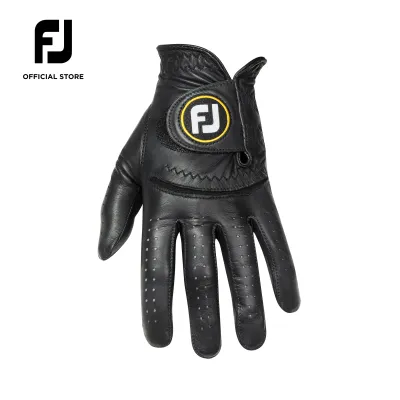
![FootJoy FJ TropiCool Nano Mens Golf Glove [Assorted Color]](https://img.lazcdn.com/g/p/3cc4ab76bbe6da5abadda48bfc0d7a53.jpg_400x400q80.jpg_.webp)
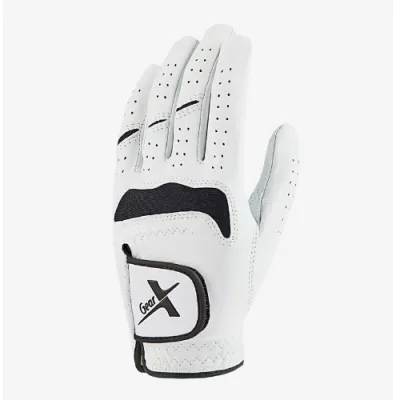
![[Korea] Malbon Golf gloves mens genuine leather wear-resistant sports comfortable fashion golf gloves anti-slip breathable # M01](https://img.lazcdn.com/g/p/2f538cbed2119be357c1c3f97d874a74.jpg_400x400q80.jpg_.webp)
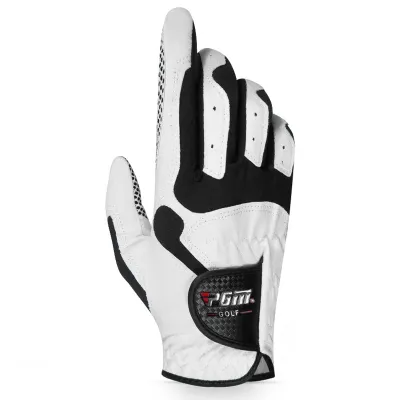
![[ FIT39 ] Japan Classic ~ Super grip.Slip resistant and wear resistant. Japanese original # golf gloves # sports gloves](https://img.lazcdn.com/g/p/a20723c6f1f126e4530d8b0bfc7d873e.jpg_webp_400x400q80.jpg_.webp)
Prices are valid at publication and may change. Please refer to the product page for the latest price.
Understanding how these materials perform under different conditions will help you determine which glove type best matches your playing frequency, budget, and local environment.
Feel and Grip: How Material Affects Club Control
The primary function of a golf glove is to create a secure, slip-free connection between your lead hand and the club grip. How a material achieves this grip—and how it feels against your skin—directly influences your swing confidence and control.

Leather Gloves
Cabretta leather, sourced from sheep bred for their soft hides, is widely considered the standard for premium golf gloves. This material features natural oils that provide an inherent tackiness, allowing the glove to cling securely to the rubber or polymer grip of your club.
Over the course of a few holes, leather naturally stretches and molds to the unique contours of your hand. This custom-fit quality creates a thin, “second-skin” sensation that maximizes tactile feedback.
Low-handicap players and professionals heavily favor leather because this thinness allows them to feel minor vibrations through the shaft. This sensory feedback is crucial for delicate touch shots around the green and for shaping ball flights.
Synthetic Gloves
Modern synthetic gloves are engineered using high-performance microfibers, polyester blends, and polyurethane coatings. While they may lack the ultra-soft, luxurious texture of Cabretta leather, they offer a highly uniform and consistent grip.
To compensate for the lack of natural leather tackiness, manufacturers often integrate textured patterns, silicone print, or specialized microfiber weaves into the palm and fingers. These engineered textures provide a highly secure hold that does not rely on the material being perfectly dry.
Unlike leather, synthetic materials do not stretch or mold permanently to your hand shape. They retain their original structure throughout their lifespan, providing a highly predictable fit every time you slip them on.
Grip Pressure and Fatigue
The level of grip security a glove provides directly impacts your physical swing mechanics. When a glove lacks tackiness or slips, golfers instinctively squeeze the club harder to maintain control.
This excess grip pressure introduces tension into the forearms and wrists, which can restrict your swing release and lead to premature fatigue over an 18-hole round. A highly tacky leather glove or a well-textured synthetic glove allows you to maintain light grip pressure, keeping your swing fluid and relaxed.
Fit and Comfort
During a long round of golf, hands naturally swell due to physical exertion and heat. Leather gloves, while initially snug, will stretch slightly to accommodate this swelling, though they can feel restrictive if they become saturated with sweat.
Synthetic gloves often incorporate flexible stretch panels made of Lycra or spandex across the knuckles and joints. These panels allow the glove to flex dynamically with your hand, offering excellent comfort and breathability even when your hands expand.
Durability and Weather Performance in Singapore's Climate
Playing golf in Singapore presents distinct environmental challenges, including intense tropical heat, high relative humidity, and sudden, heavy downpours. These conditions have a profound impact on how different glove materials wear and perform over time.
Moisture and Humidity
High humidity and heavy perspiration are the primary adversaries of natural leather. Cabretta leather is highly porous and absorbs sweat and atmospheric moisture rapidly during a round.
As the leather absorbs sweat, it can stretch out of shape, leading to a loose, sloppy fit that compromises your grip. Once the round is over and the wet leather dries, the evaporation process strips away the natural oils, leaving the glove stiff, brittle, and prone to cracking.
In contrast, synthetic materials are hydrophobic, meaning they naturally repel moisture rather than absorbing it. They manage sweat by wicking it away from the skin or allowing it to evaporate quickly through breathable mesh inserts, maintaining their shape and flexibility even in sweltering conditions.
Rain and Wet Conditions
Sudden tropical showers can quickly saturate your gear on the course. When a traditional leather glove becomes thoroughly soaked, it loses its tackiness and becomes extremely slippery, making it nearly impossible to hold the club securely.
Synthetic gloves, particularly those designed specifically for wet weather, perform exceptionally well when wet. Some specialized rain gloves utilize microfibers that actually increase their grip traction as they absorb water, making them an essential accessory for wet-weather play.
Friction and Wear Points
Golf gloves typically wear out first in high-friction zones, such as the base of the palm (the heel), the thumb, and the index finger. Because leather is a natural, soft material, it is highly susceptible to frictional wear, especially if your grip technique involves excessive club movement.
Synthetic gloves are inherently more abrasion-resistant. Manufacturers frequently reinforce key wear areas with double-layered synthetic patches or durable polymer overlays, significantly extending the glove’s lifespan before holes begin to develop.
Care and Maintenance
To maximize the lifespan of your glove, proper post-round care is essential, particularly in a humid climate. Always consult the manufacturer’s care label before attempting to clean or dry your gear.
For leather gloves, never leave them crumpled inside your golf bag after a round. Smooth the glove flat and allow it to air-dry naturally in a cool, shaded indoor area, keeping it far away from direct sunlight, hair dryers, or heat vents, which will dry out the leather.
For synthetic gloves, maintenance is simpler. You can gently rinse off sweat and dirt with cool water, press the glove flat between a dry towel to remove excess moisture, and hang it to air-dry.
Cost, Value, and Playing Frequency
Balancing performance against your equipment budget requires looking beyond the initial purchase price to calculate the true cost-per-use of your golf gloves.
Upfront Cost vs. Lifespan
In the Singapore market, premium Cabretta leather gloves generally command a higher price, typically ranging from S$30 to S$50 or more per glove. Synthetic gloves are significantly more economical, with prices generally sitting between S$15 and S$30.
While a premium leather glove offers an exceptional experience, its lifespan is considerably shorter under tropical conditions. A synthetic glove can easily outlast two or three leather gloves, making the upfront savings of synthetics even more pronounced over time.
Cost-Per-Use Calculation
To determine which option offers the best value, consider how often you play and practice. If you play once a month and practice occasionally in air-conditioned indoor simulators, a single premium leather glove can last for several months, offering excellent value for the premium experience.
However, if you hit the driving range multiple times a week and play 18 holes every weekend under the afternoon sun, a leather glove will degrade rapidly. In this high-frequency scenario, relying solely on leather can become a significant recurring expense, whereas durable synthetic options offer a much lower cost-per-round.
Value for Different Skill Levels
Your current skill level and swing mechanics should also influence your financial decision. Beginners and high-handicappers often struggle with excessive grip tension or inconsistent club placement, which accelerates wear on the palm and thumb.
For these players, a durable synthetic glove is highly practical, as it resists tearing and wear while they refine their grip technique. Advanced players, who possess a lighter, more consistent grip and require precise feedback for shot control, are more likely to find that the performance benefits of premium leather justify the higher ongoing replacement costs.
Bulk Buying and Rotation
Regardless of which material you prefer, smart buying and usage strategies can help stretch your budget. Synthetic gloves are frequently sold in multi-packs, offering a lower price per unit that is ideal for stocking up.
For leather enthusiasts, rotating multiple gloves during a single round is a highly effective way to preserve the material. By changing your glove every four to six holes and hanging the damp one on your golf cart to dry, you prevent the leather from becoming completely saturated with sweat, significantly extending its overall lifespan.
The Golfer’s Decision Framework
To help you finalize your choice, use this structured framework to match a glove material to your specific playing profile and preferences.
Choose Leather If:
- Tactile Feedback: You prioritize maximum tactile feel, feedback, and a soft, luxurious "second-skin" fit.
- Skill Level: You are a low-to-mid-handicap player who relies on precise control for short-game shots.
- Environment: You play primarily in dry, cooler conditions or use indoor golf simulators.
- Budget and Care: You have a flexible budget and are willing to carefully dry, store, and rotate your gloves.
Choose Synthetic If:
- Climate: You play or practice frequently in hot, humid, or rainy tropical environments.
- Durability: You want a highly durable, low-maintenance glove that resists tearing and wear.
- Value: You are looking for the most economical option with a low cost-per-use.
- Beginner-Friendly: You are a beginner or high-handicapper working on establishing a lighter grip pressure.
Consider Hybrid Options If you are torn between the two materials, hybrid golf gloves offer a compelling middle ground. These designs typically feature a premium Cabretta leather palm and thumb to deliver excellent grip feel where your hand contacts the club, combined with a synthetic or mesh back for superior breathability, flexibility, and durability.
Verify Before You Buy Before making your purchase, always verify these crucial fit and compatibility details:
- Sizing Charts: Sizing can vary significantly between brands. Measure your hand circumference and length, and consult the specific brand's sizing guide.
- Cadet Sizing: If your fingers are relatively short compared to the width of your palm, look for "Cadet" sizing, which features shorter fingers and a slightly wider palm.
- Hand Orientation: Ensure you purchase the correct glove for your lead hand. Right-handed golfers require a glove for their left hand, while left-handed golfers require a glove for their right hand.
- Closure Adjustability: Check that the hook-and-loop closure provides a secure, adjustable fit without bunching up the material across the back of your hand.
Frequently Asked Questions (FAQ)
Proper glove management and understanding usage conventions are just as important as choosing the right material. Below are answers to common questions regarding golf glove wear, selection, and care.
How often should I replace my golf glove?
You should replace your golf glove as soon as it exhibits clear signs of wear or structural compromise. Visual indicators include holes or thinning fabric in high-friction areas like the palm and thumb, or stitching that has begun to unravel.
Tactile signs also indicate it is time for a replacement. If a leather glove has become stiff, crusty, and brittle, or if a synthetic glove has lost its tackiness and slips during your swing, it can no longer provide a secure connection.
The exact replacement frequency depends on how often you play, your grip pressure, and how well you maintain the glove. On average, a glove may last anywhere from 10 to 20 rounds, but you should inspect its condition regularly rather than relying on a strict timeline.
Should I wear a golf glove on my lead or trail hand?
The standard convention is to wear a single golf glove on your lead hand, which is the hand positioned highest on the club grip. For right-handed golfers, this is the left hand; for left-handed golfers, it is the right hand.
The lead hand requires the glove because it experiences the most friction and pressure throughout the swing, and plays a dominant role in securing the club. The trail hand remains ungloved to maintain a natural feel for touch and control.
However, there are specific scenarios where wearing gloves on both hands is beneficial. Many players wear a pair of specialized rain gloves during heavy downpours, or thermal gloves in cold weather, while some players wear two gloves to prevent severe blisters or skin irritation.
Can I wash my golf gloves in a washing machine?
You should avoid washing your golf gloves in a washing machine, as the harsh agitation, spinning, and laundry detergents can severely damage the materials. This is especially true for leather gloves, as water immersion and detergents strip away the natural oils, causing the leather to shrink, stiffen, and crack.
For synthetic gloves, while some manufacturers state they are machine washable on a gentle cycle, hand washing remains the safest and most reliable method. Gently wipe away surface dirt with a damp cloth, or rinse the glove lightly in cool water if it is heavily soiled with sweat.
Always refer to the manufacturer’s specific care instructions on the packaging before attempting any cleaning. After cleaning, always reshape the glove and allow it to air-dry flat in a cool, shaded area away from direct heat sources.
Community discussion
Share your experience or ask a question. Comments are reviewed before publication.