
Fitting a leg press machine into a typical Singapore Housing & Development Board (HDB) flat requires balancing fitness goals with strict spatial and structural realities. While a commercial-grade 45-degree leg press is generally too large for standard HDB layouts, compact alternatives like vertical leg presses or space-saving multi-gym modules can fit safely. Success depends on understanding your room’s exact dimensions, ensuring safe clearance for loading weight plates, and respecting the structural floor load limits of your flat. By carefully matching the machine’s operational footprint to your available space, you can build a safe and effective lower-body training setup at home.
Assessing Your HDB Room Dimensions and Usable Space
HDB flats, whether they are Build-To-Order (BTO) units or older resale apartments, present unique layout constraints that directly impact where you can place heavy gym equipment. A standard HDB common bedroom typically measures between 9 to 12 square meters, while master bedrooms offer slightly more room. When planning a home gym, you cannot simply look at the empty floor plan on your sales brochure. Real-world rooms are compromised by structural pillars, air-conditioning trunking running along the ceiling or walls, and built-in wardrobes that permanently reduce the available square footage.
Additionally, you must distinguish between empty floor space and usable workout space. The static footprint is the physical area the machine occupies when completely idle. The usable workout space, however, includes the room you need to mount and dismount the machine, the space required to bend your knees and extend your legs fully, and the clearance needed to slide heavy weight plates onto the storage pegs. If a machine physically fits into a corner but blocks your wardrobe doors or prevents you from opening the bedroom door, it creates a daily hazard.
Products mentioned in this guide
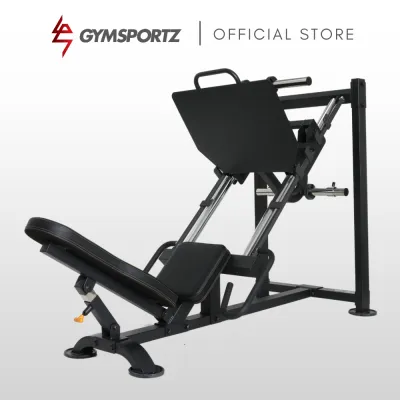
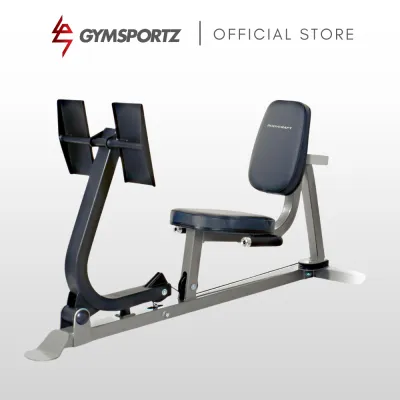
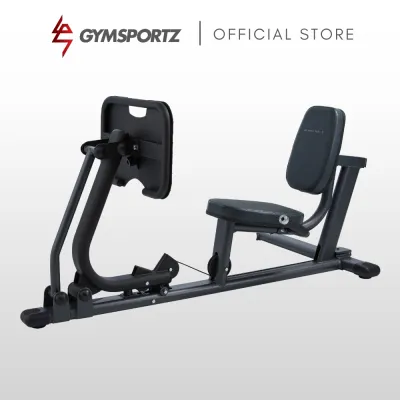
Prices are valid at publication and may change. Please refer to the product page for the latest price.
Before purchasing any equipment, clear the intended zone of all loose furniture. Use a reliable steel tape measure to record the exact length, width, and floor-to-ceiling height of the space. Do not rely on laser measures alone if there are protruding wall features or trunking that could skew the reading. Mark the positions of wall outlets, light switches, windows, and doors. A leg press machine must never block electrical sockets that you need to access, nor should it prevent windows from opening fully, which is vital for maintaining proper ventilation during high-intensity workouts.
Comparing Leg Press Types and Their Physical Footprints
Leg press machines come in several configurations, each demanding a different amount of space and structural support. Choosing the right type requires weighing your training intensity against the physical limitations of your HDB room.

Standard 45-Degree and Horizontal Leg Presses
Standard 45-degree and horizontal leg presses are the heavy-duty workhorses found in commercial fitness centers. These machines feature an angled track where the weight sled glides upward. Because of this incline, the machine requires substantial horizontal length, often stretching between 2.0 to 2.4 meters from front to back. The width is also significant, typically ranging from 1.2 to 1.6 meters, especially when accounting for the weight horns that extend outward on both sides to hold Olympic plates.
For a typical HDB bedroom or living room corner, these dimensions are incredibly challenging. A standard 45-degree machine can easily consume more than half of a 9-square-meter room, leaving virtually no space for other furniture or safe movement. Furthermore, you must look closely at the manufacturer’s specified in-use dimensions rather than the base frame dimensions. When the sled is fully extended, or when you are loading plates onto the outermost edges of the horns, the machine’s operational footprint expands. For most HDB residents, a dedicated, oversized spare room is the only way to accommodate a standard 45-degree model safely.
Vertical and Compact Home Leg Presses
If you are working with limited square footage, vertical leg presses offer a highly efficient alternative. On a vertical machine, you lie flat on your back on a padded floor support and push the weight sled directly upward along vertical guide rods. This design completely eliminates the long, angled track of 45-degree models, shrinking the floor footprint dramatically to roughly 1.1 meters in length and 1.2 meters in width.
However, vertical leg presses introduce a different spatial challenge: ceiling height and vertical clearance. You must ensure your room’s ceiling is high enough to accommodate the maximum height of the guide rods plus the height of the weight plates when the sled is fully extended. In standard HDB flats, ceiling heights typically range from 2.6 to 2.8 meters, which is generally sufficient, but you must verify that no low-hanging ceiling fans, light fixtures, or air-conditioning units are directly above the machine.
Another space-saving option is a compact, pivot-based leg press or a multi-gym station that integrates a leg press plate. These units often use a system of pulleys and cables connected to a central weight stack, or they utilize pivoting arms to simulate the leg press motion in a much smaller frame. Some advanced home gym models even feature folding footplates or removable seats, allowing you to reclaim valuable floor space when the equipment is not in use.
Accounting for Delivery Access, Clearance, and Floor Load
Bringing a heavy piece of strength equipment into an HDB flat involves logistics that go far beyond the final setup spot. You must plan for the journey the machine takes from the delivery truck to your room, as well as the structural impact it has on your home.
Delivery Access and Entryways Before finalizing any purchase, you must verify that the machine can actually enter your home. Standard HDB passenger lifts typically have a door opening width of 800mm to 900mm and a cabin height of about 2.1 meters. If the leg press machine is delivered fully assembled or in massive, non-detachable welded steel frames, it may not fit inside the lift or navigate the tight turns of HDB common corridors. Measure your main entrance door, hallway widths, and bedroom door frames. Standard bedroom doors are often only 800mm wide, meaning any pre-assembled frame wider than this will be blocked. Always check with the seller to confirm if the machine is delivered flat-packed and if their assembly service is performed directly inside your designated room.
Dynamic Clearance and Safety Buffers Once inside, the machine requires a safe operational buffer. You must have enough clearance to load and unload heavy weight plates without hitting walls, furniture, or glass windows. A minimum clearance of 0.6 meters on either side of the weight storage horns is highly recommended. This space ensures you can maintain proper lifting posture while handling heavy plates, reducing the risk of lower back injuries. Additionally, you must have clear, unobstructed access to the machine’s safety catches and emergency stop pins. If you fail a rep under a heavy load, you must be able to engage the safety mechanisms instantly without your elbows or hands hitting adjacent walls.
Structural Floor Load and Noise Mitigation The structural floor load limit is a critical consideration for HDB flats. Under Singapore’s housing regulations, standard HDB floors are designed to support a maximum allowable structural load of 150 kg per square meter (1.5 kN/m²). While this limit is designed with a safety margin, a heavy commercial-style leg press can easily push the boundaries. For example, a robust machine weighing 200kg, loaded with 150kg of plates, and carrying a 100kg user totals 450kg. If this weight is concentrated on a small footprint of 1.5 square meters, it exerts a localized load of 300 kg/m², which significantly exceeds the nominal limit.
To safely manage this, you should opt for lighter, compact home models or vertical setups that distribute weight more evenly. Always install high-density, heavy-duty rubber gym mats (at least 15mm to 20mm thick) beneath the machine’s frame. These mats serve two vital purposes: they distribute the concentrated weight over a slightly larger surface area to protect the structural slab, and they absorb the high-impact vibrations and noise that travel through the concrete floor to your downstairs neighbors. Dropping a heavy sled or clanking weight plates can cause significant structural noise, so clean execution and proper dampening are essential for neighborly harmony.
Step-by-Step Measurement Checklist to Avoid Sizing Errors
To guarantee that your chosen leg press machine fits and functions safely, follow this systematic measurement checklist before placing your order.
Step 1: Map the Maximum Static Space Measure the absolute length, width, and height of the designated area in your room. Write down these numbers and note any structural obstructions like wall pillars, skirting boards, air-con trunking, or low-hanging light fixtures.
Step 2: Apply the Safety and Loading Buffer Add a mandatory buffer zone to the machine’s advertised dimensions.
- Width Buffer: Add at least 0.6 meters to both the left and right sides of the weight storage horns to allow safe plate loading.
- Length Buffer: Add at least 0.5 meters to the front or back to ensure comfortable entry, exit, and access to safety pins.
- Height Buffer: Ensure there is at least 0.3 meters of clearance between the highest point of the fully extended machine (including loaded plates) and your ceiling.
Step 3: Cross-Reference with Manufacturer Specifications Obtain the manufacturer’s official maximum operational dimensions rather than just the shipping box dimensions or base frame footprint. Compare these operational dimensions plus your calculated buffers against the mapped space from Step 1. If the buffered machine dimensions exceed your room’s limits, you must look for a more compact model.
Common Pitfalls to Avoid
- Ignoring User Height: Remember that your own body extends beyond the machine's frame. For vertical leg presses, your feet and the sled move upward, but your head and upper body rest on the floor pad. Ensure your head does not press against a wall or block a walkway.
- Disregarding Seat Adjustments: Many leg press machines feature adjustable backrests that angle backward. Ensure the swing radius of the seat adjustment does not strike the wall behind it.
- Folding Under Load: If you buy a space-saving folding leg press, never assume it can be folded while loaded with weight plates. You must have a dedicated, nearby storage rack for the plates when the machine is folded away, which requires its own share of floor space.
Space-Saving Alternatives When a Standard Machine Will Not Fit
If your HDB flat’s layout or structural floor limits cannot safely accommodate a standalone leg press machine, several highly effective, space-saving alternatives can deliver comparable lower-body training results.
Cable and Functional Trainer Attachments If you already own a compact functional trainer or a cable crossover machine, look for dedicated leg press attachments. Many modern home gym systems allow you to connect a footplate to the low cable pulley while you lie on an adjustable bench. This setup utilizes the existing weight stack of your cable machine, completely eliminating the need for a massive, dedicated leg press frame and separate weight plates.
Multi-Functional Power Racks Another excellent option is a multi-functional power rack or half-rack equipped with a leg press plate attachment. These attachments typically secure onto the safety spotter arms of the rack. You lie on an adjustable bench placed inside the rack and press upward against the plate. When your workout is finished, the leg press plate can be detached and hung flat against the wall or stored in a closet, reclaiming 100% of your floor space. Always verify the structural integrity, locking mechanisms, and maximum weight limits of these attachments to ensure they are rated for your training load.
Adjustable Benches and Heavy-Duty Resistance Bands For a zero-footprint solution that requires no heavy machinery or structural concerns, you can perform simulated leg presses using an adjustable workout bench and heavy-duty resistance bands. By anchoring thick loop bands to the bench frame or a secure wall anchor and pressing against them with a specialized foot bar, you can generate significant progressive resistance. This setup is highly portable, completely silent, and can be packed away into a small drawer in seconds, making it an ideal choice for smaller BTO flats where space is at an absolute premium.
Community discussion
Share your experience or ask a question. Comments are reviewed before publication.