
Upgrading your bicycle with carbon fiber components is one of the most effective ways to transform your riding experience, whether you are navigating the smooth stretches of the local Park Connector Network (PCN) or tackling long-distance road routes. Carbon fiber offers an exceptional strength-to-weight ratio and natural vibration-damping properties that aluminum or steel struggle to match. If you are looking to refine your setup, understanding what carbon fiber components are available from brands like Lidrop—and how to select, verify, and install them—is the key to a successful upgrade. By focusing on targeted replacements like handlebars, seatposts, and wheelsets, you can shed unnecessary weight, improve power transfer, and enjoy a much smoother ride through tropical humidity and varied terrain.
Identifying Your Bike Upgrade Needs
To make the most of your upgrade budget, start by evaluating your current bicycle’s limitations. If your bike feels sluggish during accelerations or heavy when climbing, reducing rotational weight or overall frame weight is a logical starting point. Conversely, if you find yourself fatigued by road buzz and vibrations after an hour of riding on mixed surfaces, your primary limitation is likely compliance and comfort rather than pure weight. Identifying these weak links prevents you from spending money on parts that do not address your actual riding discomfort or performance bottlenecks.
Your primary riding discipline should dictate your upgrade priorities. For road racing and fast group rides, maximizing stiffness and aerodynamic efficiency is paramount, making carbon wheelsets and integrated cockpits highly desirable. If you primarily ride on gravel or use the PCN for daily commuting, your focus should shift toward vibration damping and durability to handle transition curbs, gravel paths, and damp tropical conditions. Commuters might prioritize a carbon seatpost to absorb saddle-bound shocks, while gravel riders will benefit from wider carbon handlebars that offer both compliance and control.
Products mentioned in this guide
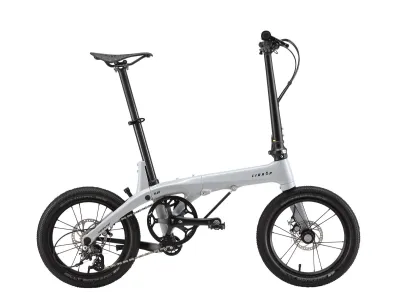
Prices are valid at publication and may change. Please refer to the product page for the latest price.
Setting a realistic budget requires balancing the cost of carbon fiber components against the tangible performance gains they offer. High-end carbon parts can represent a significant investment, so it is wise to calculate the cost-per-gram saved or the specific comfort improvement you expect to achieve. For many riders, upgrading touchpoints like the handlebar or seatpost offers the most noticeable improvement in ride quality for a relatively modest outlay. Save larger investments, such as carbon wheelsets, for when you are ready to make a major leap in rolling efficiency and overall bike responsiveness.
Additionally, consider your own physical dimensions and riding style when planning upgrades. Heavier riders or those who ride aggressively may require components with reinforced carbon layups to ensure long-term durability under high stress. Conversely, lighter riders can prioritize ultra-lightweight components to maximize climbing efficiency. Taking the time to analyze these personal factors ensures that your chosen upgrades align perfectly with your physical needs and athletic goals.
Exploring Carbon Fiber Component Categories
The cockpit is one of the most immediate areas where you can feel the benefits of carbon fiber. Carbon handlebars are highly regarded for their ability to filter out high-frequency road buzz, reducing hand numbness and wrist fatigue during long rides in warm, humid weather. Stems made of carbon fiber can also contribute to weight reduction, though they must be paired carefully to ensure steering precision. Upgrading these front-end components changes how the bike responds to steering inputs, giving you a more connected yet cushioned feel over uneven pavement.

Your seating setup plays a critical role in ride compliance and body positioning. A carbon fiber seatpost is designed to flex slightly under load, absorbing vertical impacts before they reach your spine, which is a game-changer for long-distance comfort. When paired with a carbon-railed saddle, this combination significantly reduces the weight at the highest point of your bike, lowering the center of gravity and making the bike feel more agile when climbing or cornering. Additionally, carbon saddles often feature optimized shapes that support aerodynamic riding positions without sacrificing structural integrity.
For those seeking the most dramatic performance transformation, carbon wheelsets and forks are the ultimate upgrades. Replacing an aluminum fork with a carbon model sharpens steering response and dampens front-wheel vibrations, while a carbon wheelset reduces rotational inertia, allowing you to accelerate faster and maintain speed with less effort. However, because these components are subject to high dynamic loads, you must verify current product availability, specific model lines, and exact specifications directly on the official Lidrop website or through authorized local dealers before making a purchase. This ensures you receive authentic components designed for your specific riding conditions.
When exploring these categories, it is also helpful to understand the difference between matte and gloss finishes, as well as different carbon weave patterns like 3K, 12K, or unidirectional (UD) carbon. Unidirectional carbon offers the highest strength-to-weight ratio along a single axis and is commonly used in high-performance structural components. Woven carbon patterns, on the other hand, provide excellent impact resistance and a classic aesthetic that many cyclists prefer. Choosing the right finish and weave allows you to match your new components to your bike’s existing frame design.
Furthermore, keep in mind that carbon fiber components are engineered with specific weight limits and usage guidelines. A handlebar designed strictly for cross-country mountain biking may not be suitable for downhill racing, just as an ultra-light road seatpost should not be used on a heavy cargo bike. Always check the manufacturer’s documentation to ensure the components you select are rated for your total system weight, which includes your body weight, riding gear, and any luggage you carry.
Compatibility and Fitment Verification
Before purchasing any carbon fiber component, you must verify that its physical dimensions match your existing bicycle frame and parts. For cockpit upgrades, measure the exact handlebar clamp diameter—typically 31.8mm or 35mm—and ensure the stem matches your fork’s steerer tube diameter, which is commonly 1-1/8 inches but can vary. Seatposts require even greater precision; even a fraction of a millimeter difference (such as 27.2mm versus 30.9mm or 31.6mm) will prevent installation or cause catastrophic frame damage if forced.
Wheelsets and forks introduce complex compatibility standards that require careful checking. You must verify your bike’s axle standards, distinguishing between traditional quick-release skewers and modern thru-axles of varying lengths and thread pitches. Brake mount types—such as flat mount or post mount for disc brakes, or traditional rim brake calipers—must align perfectly with your frame and existing groupset. Furthermore, check the maximum tire clearance limits of both the new carbon fork and your frame to ensure your preferred tire width will not rub against the carbon structure.
Reviewing the manufacturer’s geometry charts is essential to preserve your bike’s intended handling characteristics and fit. A carbon fork with a different axle-to-crown length or rake can alter your bike’s steering speed, making it feel either twitchy or sluggish. Similarly, changing your handlebar’s reach and drop, or installing a seatpost with a different setback, will shift your riding position. Always compare these specifications against your current setup or consult a professional bike fitter to ensure the new carbon parts support your body geometry and riding style.
Do not overlook minor hardware compatibility details, such as the shape of saddle rails. Standard metal saddle rails are round (7mm), whereas high-performance carbon saddle rails are often oval (7x9mm or 7x10mm). Installing an oval-railed carbon saddle into a seatpost clamp designed only for round rails can crush the carbon rails and lead to sudden failure. Ensure your seatpost clamp is compatible with carbon rails, or purchase the appropriate adapter ears from the seatpost manufacturer before attempting installation.
Additionally, verify the routing options for your cables and hoses. Many modern carbon handlebars and stems feature internal cable routing to hide brake hoses and gear cables from the wind, creating a clean, aerodynamic profile. However, routing cables internally can be a complex process that may require specific headset spacers or frame ports. Confirm that your current frame and groupset can accommodate internal routing, or choose components that support traditional external routing if you prefer simpler maintenance.
Safe Installation and Carbon Fiber Maintenance
Installing carbon fiber components requires strict adherence to safety protocols, as carbon is highly sensitive to clamping forces. You must always use a calibrated torque wrench and strictly follow the manufacturer’s torque specifications, which are typically printed directly on the component or detailed in the manual. Over-tightening a bolt can easily crush the delicate carbon layers, leading to sudden, catastrophic failure while riding. Never rely on feel or standard hex keys when securing carbon parts.
To prevent slippage without resorting to excessive torque, always apply a high-quality carbon assembly compound, also known as friction paste, to all clamping interfaces. This specialized paste contains tiny, non-abrasive particles that increase friction between smooth carbon surfaces, such as where the seatpost enters the frame or where the handlebar meets the stem. Using standard grease on carbon-to-carbon or carbon-to-metal interfaces is highly dangerous, as it reduces friction and forces you to over-tighten the bolts to keep the parts secure.
Regular inspections are vital for maintaining the structural integrity of your carbon components, especially after an impact, fall, or transport. Inspect all parts thoroughly before and after your rides, looking for visible cracks, deep scratches that penetrate the clear coat, or soft spots that indicate internal delamination. If you detect any unusual creaking noises or notice a change in the component’s flexibility, stop riding immediately and have the part evaluated by a qualified professional, as damaged carbon can fail without warning.
Keeping your carbon parts clean is not just about aesthetics; it also protects the protective clear coat and underlying epoxy resin from degradation. Clean your components using only mild, non-abrasive solvents, warm water, and soft microfiber cloths, avoiding high-pressure washers that can force water into bearings or joints. In tropical environments where sweat and humidity are constant, regular washing is crucial to prevent salty sweat from corroding metal bolts and bonding agents adjacent to your carbon parts.
Finally, be mindful of how you transport and store your bicycle. Avoid using car racks that clamp directly onto carbon tubes, as the clamping pressure combined with road vibrations can damage the carbon structure. Instead, use wheel-mount or fork-mount racks that secure the bike without touching the carbon frame or components. When storing your bike, keep it away from direct sunlight and extreme heat sources, as prolonged exposure to high temperatures can weaken the resin matrix over time.
Frequently Asked Questions (FAQ)
How can I verify the authenticity of Lidrop carbon fiber parts?
To protect yourself from counterfeit carbon components, which pose severe safety risks due to unpredictable manufacturing standards, you should purchase only from the official brand store, official online flagship stores, or verified authorized retailers. Avoid buying from unverified third-party sellers on online marketplaces where counterfeit goods are common. Upon receiving your components, check for holographic security labels, unique serial numbers, and official warranty registration cards that can be verified on the manufacturer’s website. Additionally, inspect the physical finish, carbon weave consistency, and packaging quality immediately; genuine carbon parts exhibit precise craftsmanship, clean graphics, and robust packaging that counterfeiters rarely replicate.
Does carbon fiber require special cleaning products?
Carbon fiber does not require highly specialized or expensive cleaning chemicals, but it does require you to avoid harsh substances that can damage its structure. You must avoid harsh degreasers, strong acids, or highly alkaline cleaners, as these chemicals can degrade the protective clear coat and slowly break down the epoxy resin that binds the carbon fibers together. For routine maintenance, simply use mild dish soap, warm water, and soft microfiber cloths to gently wipe away road grime, sweat, and dirt. After washing, dry the components thoroughly with a clean towel to prevent water spots, and use this drying process as an opportunity to run your hands over the surfaces to check for any hidden cracks or structural damage.
Community discussion
Share your experience or ask a question. Comments are reviewed before publication.