
Quick Answer: Which Lifting Strap Fits Your Routine?
The right lifting straps depend on your primary training style, safety needs, and how quickly you need to release the bar.
Choose Figure 8 straps if your routine centers on heavy, static deadlifts and powerlifting where maximum grip security is your absolute priority.
Choose Lasso straps if you require versatility for bodybuilding, rows, and general strength training where you need quick adjustments and a rapid release from the bar.
Products mentioned in this guide
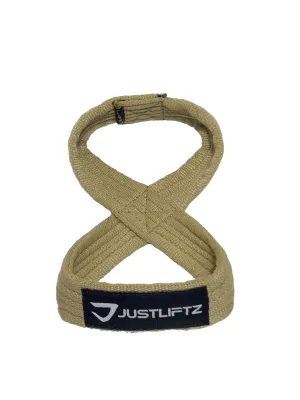
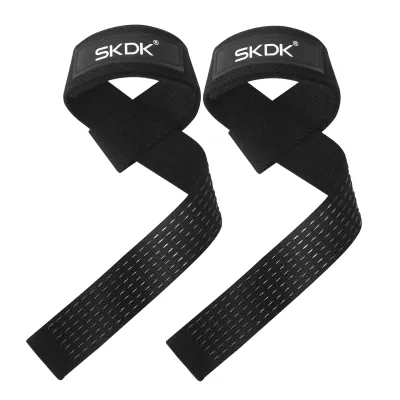
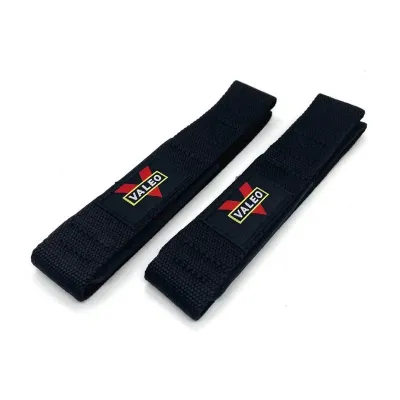
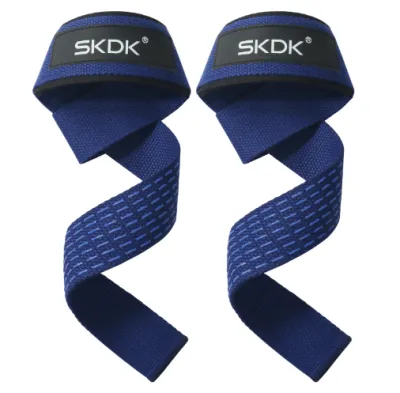
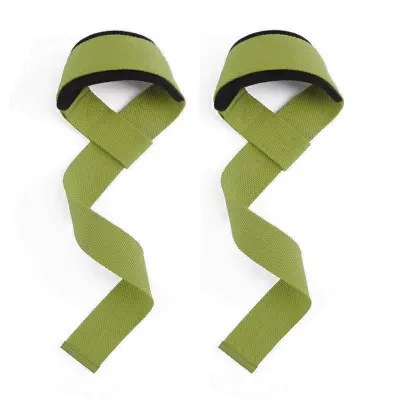
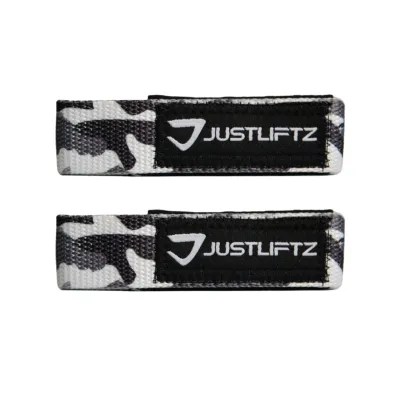
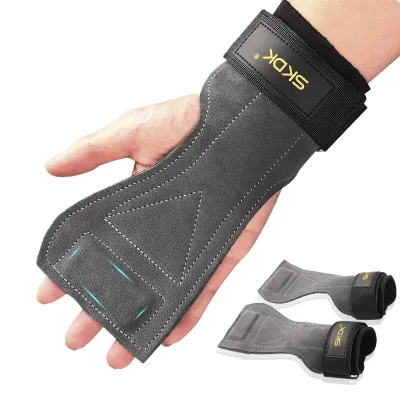
Prices are valid at publication and may change. Please refer to the product page for the latest price.
Choose Hybrid straps if you are transitioning between styles, want extra wrist padding, or prefer a faster release than a pure Figure 8 while maintaining a secure hold.
Remember that personal wrist anatomy, bar thickness, and local gym conditions—such as humidity in Singapore’s training spaces—will dictate your final comfort. Always verify the manufacturer’s sizing charts before making a purchase.
Understanding the Core Strap Designs
Lifting straps serve as a mechanical bridge between your hands and the barbell, dumbbell, or pull-up bar. By transferring a portion of the load directly to your wrists, they prevent grip fatigue from cutting your sets short.

While all straps aim to secure your grip, they achieve this through distinct structural designs. The differences lie in how the wrist loops are formed, the length of the tail, and how the material wraps around the bar. Understanding these mechanics is the first step to choosing the right pair for your training.
Figure 8 Straps: Locking In for Heavy Pulls
The Figure 8 strap is named for its distinct double-loop shape, which resembles an infinity symbol when laid flat. To use them, you slip your wrist through one loop, pass the strap under the barbell, and then thread your hand through the second loop before gripping the bar.
This design physically locks your wrist directly to the barbell. Because your hand does not have to actively hold a wrapped tail in place, the mechanical connection is incredibly secure, virtually eliminating the risk of the bar slipping out of your hands.
These straps are highly suited for heavy deadlifts, shrugs, and static pulls where grip failure is the primary bottleneck. When you are pulling near-maximal loads, the Figure 8 design allows you to focus entirely on your posterior chain engagement rather than your hand strength.
However, this absolute security comes with a significant trade-off in safety and flexibility. Because you are physically locked to the bar, you cannot easily or quickly release it in an emergency.
For this reason, Figure 8 straps are highly unsuitable for dynamic movements like cleans, snatches, or any exercise where you might need to dump the bar quickly to avoid injury. They also offer very little adjustability once locked in, meaning bar diameter and wrist size must align perfectly for a comfortable fit.
Lasso Straps: The Versatile Standard
Lasso straps, often referred to as single-loop or traditional straps, are the most common design found in commercial gyms. They consist of a single strip of material with a loop sewn at one end, allowing the tail to feed through and form a lasso around your wrist.
To secure the strap, you wrap the remaining long tail around the barbell in the opposite direction of your grip. Your hand then cups over the wrapped material, using friction to keep the strap tight against the bar.
This design is highly versatile, making it the standard choice for bodybuilding, high-volume rows, lat pulldowns, and general hypertrophy work. It allows you to quickly adjust the tension between sets and easily transition from one exercise to another.
Another major benefit of the lasso design is its quick-release capability. If you lose your balance or need to drop the weight instantly, simply opening your hand releases the tension, allowing the strap to unwrap from the bar immediately.
The primary limitation of lasso straps is that they require a specific wrapping technique that can take some practice to master, especially when securing your second hand. Additionally, if the tail is not wrapped tightly or if the material stretches, the strap can loosen slightly during high-repetition sets, requiring you to re-adjust mid-set.
Hybrid Straps: Bridging the Gap
Hybrid straps, which include speed straps, hook-assisted designs, and padded short-tail variations, aim to combine the security of a Figure 8 with the quick-release convenience of a lasso strap.
The mechanism typically involves a heavily padded wrist cuff that secures with a hook-and-loop fastener, attached to a shorter, reinforced tab or a quick-wrap tail. Instead of wrapping a long tail multiple times, you simply loop the short tab under the bar once and grip over it.
These are highly suited for lifters who experience wrist discomfort under heavy loads and want extra cushioning. The padded cuff distributes pressure more evenly across the wrist joint, while the simplified wrapping mechanism allows for faster setup times between sets.
Hybrid designs are also excellent for rapid-fire training styles, such as circuit training or supersets, where you want to minimize the time spent wrapping and unwrapping your straps.
However, hybrid straps tend to be bulkier than traditional designs, which can alter your grip feel on the bar. Because wrapping methods and tab lengths vary significantly by manufacturer, you must carefully check the specific product instructions to ensure proper alignment and safe usage.
Matching Strap Types to Your Specific Exercises
Selecting the right lifting straps requires a close look at your weekly training routine. Different movements demand different levels of security, speed, and freedom of movement.
For powerlifting and strongman static pulls, security and load capacity are your primary concerns. Exercises like heavy conventional deadlifts, block pulls, and frame carries benefit immensely from Figure 8 straps, which allow you to transfer the entire weight to your skeletal structure without worrying about grip fatigue.
For Olympic weightlifting and dynamic movements, safety must be your absolute priority. Exercises like the snatch, clean, and overhead squats require rapid, unhindered movement. Traditional straps are generally avoided in these lifts, but if you do use them during pulling variations, a highly specialized, short-tail lasso strap is required to ensure you can dump the bar instantly if a lift fails.
For bodybuilding and hypertrophy work, the goal is muscle isolation. When performing rows, Romanian deadlifts, or lat pulldowns, your forearms often fatigue before your larger back muscles or hamstrings do. Lasso straps are ideal here, as they allow you to bypass grip limitations and focus entirely on targeting the specific muscle group.
If your routine is highly varied, mixing heavy static pulls with dynamic or high-volume movements, you face a decision. You can either purchase two different pairs of straps to suit each style, or prioritize the strap type that matches your most frequent and demanding movement. For most general gym-goers, a high-quality pair of lasso straps offers the best middle ground.
Critical Fit, Material, and Safety Checks
Before purchasing or using any lifting straps, performing a thorough quality and safety check is essential to prevent training injuries.
Start by verifying the material composition on the manufacturer’s label. Cotton straps are soft, comfortable, and absorb sweat well, making them excellent for humid training environments like those in Singapore. Nylon straps are incredibly durable and resist stretching under extreme loads, but they can be slick and harsh on the skin. Leather straps offer a premium, molded fit over time but require a break-in period and cannot be easily washed.
Sizing is another critical factor that is often overlooked. You should measure your wrist circumference and compare it to the manufacturer’s sizing guide, especially for Figure 8 and hybrid designs where loop sizes are fixed. Additionally, consider the diameter of the barbells you use; thicker specialty bars may require longer tails on lasso straps to wrap securely.
Safety boundaries must be respected before every single set. Inspect the stitching, look for fraying along the edges, and check the integrity of the loops. If you notice any structural wear, split seams, or thinning material, stop using the straps immediately and replace them.
Finally, remember that lifting straps are a training aid, not a replacement for natural grip strength. To maintain balanced forearm development, use straps conditionally—such as during your heaviest working sets or when your grip is the clear limiting factor—rather than relying on them for every warm-up set.
Decision Matrix: Figure 8 vs. Lasso vs. Hybrid
To help you quickly compare your options, the table below outlines the key structural trade-offs and best-use scenarios for each lifting strap design.
| Strap Type | Best Training Style | Release Speed | Wrist Support Level | Learning Curve |
|---|---|---|---|---|
| Figure 8 | Heavy deadlifts, strongman pulls | Slow (locked in) | Moderate | Low |
| Lasso | Bodybuilding, general strength | Fast (instant release) | Low to Moderate | Moderate |
| Hybrid | Hypertrophy, comfort-focused lifting | Medium to Fast | High (padded) | Low to Moderate |
Frequently Asked Questions (FAQ)
Do lifting straps weaken your grip over time?
Lifting straps will only weaken your grip if you rely on them excessively. If you use them for every exercise, including warm-ups and light sets, your forearm muscles will not receive the stimulus needed to grow stronger.
To prevent this, employ a conditional usage strategy. Perform your warm-up sets and lighter working sets without straps to actively train your grip. Only put the straps on when the weight becomes so heavy that your grip begins to fail before the target muscle group is fully fatigued.
Can I use the same straps for wrist wraps?
No, lifting straps and wrist wraps serve entirely different mechanical purposes and cannot be used interchangeably. Lifting straps are designed to secure your hand to the bar to bypass grip fatigue, transferring the pulling force to your wrists.
Wrist wraps, on the other hand, are thick, elastic bands designed to wrap tightly around the wrist joint to provide compression and structural support. They prevent the wrist from bending backward under heavy pressing loads, such as the bench press or overhead press.
While some hybrid straps feature padded wrist cuffs, they do not provide the rigid, compressive stabilization required for heavy pressing. Always check the manufacturer’s specifications and use the correct tool for the specific movement you are performing.
Community discussion
Share your experience or ask a question. Comments are reviewed before publication.