
Choosing the right grip aid for heavy pulling exercises depends entirely on your primary training objective. If your goal is to move maximum weight and your grip fails before your target muscles, lifting straps are the optimal choice. If you prioritize palm protection, blister prevention, and general comfort during moderate-volume routines, gym gloves are the most suitable option. Conversely, if your specific aim is to build forearm strength and increase grip demand, padded gym handles (often referred to as thick bar grips) are the correct tool. Selecting the right equipment requires matching the mechanical advantage of the aid to your specific pulling exercises and verifying the manufacturer’s specifications for your intended load.
Identifying Your Grip Limiting Factor in Heavy Pulls
To optimize your training, you must first diagnose why your hands or wrists struggle during heavy pulling movements. Grip fatigue occurs when the small muscles of your hands and forearms tire out before larger muscle groups, such as your latissimus dorsi or hamstrings, reach stimulation. This mismatch can leave your back under-stimulated while your hands are completely exhausted.
Palm pain, friction blisters, and calluses present a different challenge. When pulling heavy barbells or dumbbells, the aggressive metal knurling can pinch and tear the skin of your palms. This discomfort often forces you to terminate a set prematurely, even if your muscular strength is not yet depleted.
Products mentioned in this guide
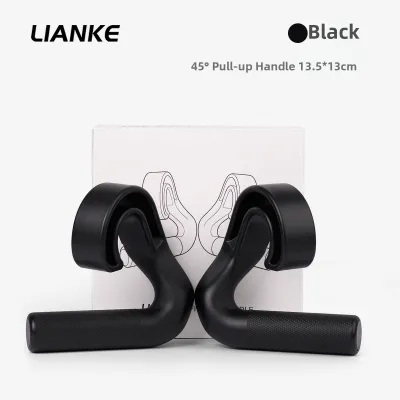
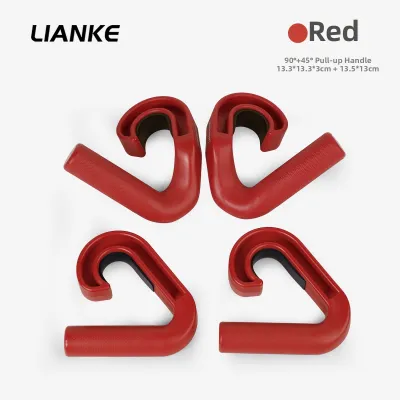
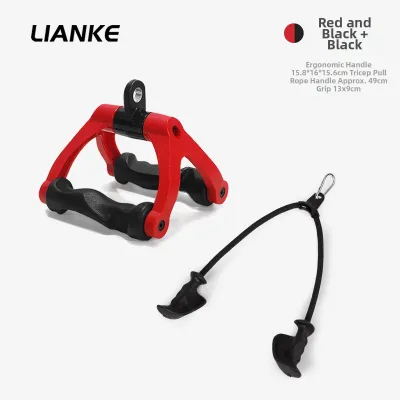
Prices are valid at publication and may change. Please refer to the product page for the latest price.
Wrist instability is another common limiting factor, particularly during heavy deadlifts or high-volume rows. If your wrists feel weak or begin to bend under load, it can compromise your overall lifting posture and safety.
Defining your primary training objective is the key to selecting the correct accessory. If your goal is to move maximum load to stimulate muscle hypertrophy in your back, you need an aid that bypasses grip limitations. If you want to protect your skin from friction, your priority is a protective barrier. If you want to actively build forearm size and hand strength, you need an accessory that increases the physical challenge of holding the bar.
Keep in mind that grip aids are meant to supplement, rather than replace, foundational training. Developing a strong natural grip, maintaining proper lifting form, and allowing adequate recovery time for your hands and forearms remain essential components of a balanced strength program.
Lifting Straps: Maximizing Load and Bypassing Grip Fatigue
Lifting straps serve a singular mechanical purpose: they transfer the weight of the bar directly from your fingers to your wrists. By wrapping the durable fabric or leather strap around the barbell, dumbbell, or cable attachment, you create a secure loop that anchors the load. This mechanical link reduces the active squeezing force required by your fingers, allowing you to hold onto heavy weights far longer than your natural grip would permit.

This makes lifting straps highly effective for heavy pulling exercises where the target muscles are much stronger than your hands. Exercises like heavy deadlifts, barbell shrugs, Romanian deadlifts, and high-volume dumbbell rows are ideal use cases. By using straps during these movements, you ensure that your target muscles reach failure before your grip gives out, maximizing your hypertrophy and strength gains in those areas.
Before purchasing or using lifting straps, it is important to perform several safety and quality checks. Inspect the manufacturer’s weight ratings and material composition on the product label to ensure they can handle your intended load. Look closely at the stitching quality, particularly around the loop joint, as frayed or weak stitching can fail unexpectedly under heavy tension. Common materials include cotton, nylon, and leather, each offering a different balance of flexibility, grip friction, and durability.
While highly beneficial, lifting straps do have clear limitations. Because they bypass the muscles of your hands and forearms, relying on them too frequently can prevent your natural grip strength from developing in proportion to your larger muscle groups. Additionally, lifting straps are generally not permitted in standard powerlifting competitions, meaning competitive lifters must balance their use to ensure they can pull their target weights raw on competition day.
Gym Gloves: Palm Protection and General Comfort
Gym gloves function primarily as a protective barrier between your skin and the rough metal knurling of gym equipment. By covering your palms and fingers, they absorb the friction and pressure that typically cause calluses, blisters, and skin tears. This added layer of comfort allows you to focus on your lifting form without the distraction of localized hand pain.
Gloves are particularly well-suited for general fitness routines, high-repetition training, and circuit workouts. If you are a lifter who prioritizes skin integrity—perhaps due to professional requirements or personal preference—gloves offer a practical solution. They are also highly useful in warm, humid environments, such as non-air-conditioned training spaces in Singapore, where sweaty palms can easily slip on metal bars.
When selecting gym gloves, verify the thickness and material of the palm padding. While thicker padding offers more protection, it also increases the effective diameter of the bar, which can make holding the weight more difficult. Look for breathable materials like mesh on the back of the hand to manage sweat, and check if the gloves feature integrated wrist wraps. These wraps can provide valuable support and stability for your wrists during both pulling and pushing movements.
However, gym gloves have distinct limitations when it comes to heavy pulling. Unlike lifting straps, gloves do not mechanically secure the weight to your wrists; you must still rely entirely on your own hand strength to hold the bar. Because the glove material adds thickness to the bar, it actually increases the grip demand on very heavy lifts, which can cause your grip to fail sooner than it would bare-handed.
Padded Gym Handles: Building Grip Strength and Forearm Activation
Padded gym handles, commonly referred to as thick bar grips or fat grips, work on a completely opposite principle to lifting straps. Instead of making the weight easier to hold, these thick, split-cylinder sleeves wrap around barbells, dumbbells, or pull-up bars to increase the handle’s diameter. This forces your hands into a more open position, which dramatically increases the mechanical difficulty of holding the bar.
By widening the grip surface, padded handles force your hand, wrist, and forearm muscles to contract much harder to maintain control of the weight. This intense muscle activation makes them an exceptional tool for dedicated grip training, forearm hypertrophy, and specialized accessory work. They are also frequently utilized in rehabilitation protocols to rebuild hand strength and joint stability under lighter, controlled loads.
When shopping for a gym handle attachment, check the inner diameter to ensure it fits securely on standard or Olympic-sized bars without slipping. Verify the material density of the product; high-density silicone or heavy-duty rubber is preferred, as it resists compressing under heavy loads and provides a secure, non-slip texture. The outer diameter should match your hand size, with standard options typically ranging from 2 to 2.5 inches.
The primary limitation of padded gym handles is that they significantly reduce the absolute amount of weight you can pull. Because your grip will fail much faster on a thick bar, these handles are entirely unsuitable for testing your one-rep max or performing heavy back-focused sets where maximum load is required. They should be treated as a specialized training tool rather than a general lifting accessory.
Comparing Straps, Gloves, and Padded Handles
To help you decide which accessory fits your current training phase, it is helpful to compare their structural designs and intended functions side by side. Each tool serves a distinct purpose in a strength routine, and using them in the wrong context can hinder your progress or compromise safety.
| Grip Aid | Primary Benefit | Best Exercise Match | Impact on Grip Strength | Key Selection Check | When to Avoid |
|---|---|---|---|---|---|
| Lifting Straps | Bypasses grip fatigue to maximize pulling load | Heavy deadlifts, shrugs, Romanian deadlifts | Reduces active grip demand during use | Check stitching quality and manufacturer weight ratings | When preparing for raw powerlifting meets or training baseline grip |
| Gym Gloves | Protects palms from friction, blisters, and sweat | High-rep dumbbell rows, pull-ups, general circuits | Neutral to slightly increased grip difficulty | Verify palm padding thickness and material breathability | Maximal deadlifts or heavy pulls where bar diameter must be minimized |
| Padded Gym Handles | Increases forearm activation and hand strength | Bicep curls, pull-ups, light accessory rows | Significantly increases grip demand | Check inner diameter compatibility and material density | Testing one-rep maxes or heavy back hypertrophy sessions |
Decision Framework: Selecting Your Grip Aid
Choosing the right grip aid comes down to a simple, conditional decision framework based on your immediate training goals. If your primary objective for a workout is to overload your back and posterior chain with maximum weight, choose lifting straps to ensure your grip is not the limiting factor. If your priority is to protect your skin from painful calluses and maintain a secure hold in a humid gym, choose gym gloves. If your goal is to build massive forearms and a crushing grip, choose padded gym handles.
You do not have to limit yourself to just one accessory; many lifters combine these tools strategically within a single training week. For example, you might use lifting straps on your heavy pull days to maximize your deadlift and row volume, and then attach padded gym handles to the dumbbells during your arm accessory work to target your forearms. Gym gloves can be kept in your bag for high-volume conditioning days or when training on equipment with exceptionally sharp knurling.
Regardless of which aid you choose, always prioritize safety by inspecting your gear before every session. Check straps for fraying, gloves for tearing seams, and padded handles for any signs of material degradation or splitting. Ensuring your equipment is in excellent condition is vital for maintaining control of the weight and preventing sudden slips during heavy lifts.
Frequently Asked Questions (FAQ)
Do lifting straps weaken your grip over time?
Lifting straps do not actively weaken your grip, but they can cause your grip strength to lag behind your overall pulling strength if used excessively. Because straps mechanically secure the weight, the muscles in your hands and forearms do not have to work as hard to hold the bar. To prevent this imbalance, perform your warm-up sets without straps, and consider incorporating dedicated grip exercises, such as farmer’s carries or plate pinches, into your routine.
Can I use gym gloves for heavy deadlifts?
While you can wear gym gloves for deadlifts, they are generally not recommended for heavy or maximal attempts. Gloves protect your skin, but they do not mechanically transfer the load to your wrists like lifting straps do. Furthermore, the added thickness of the glove padding increases the effective diameter of the bar, which actually makes it harder for your fingers to wrap around and secure the weight, increasing the risk of the bar slipping.
Community discussion
Share your experience or ask a question. Comments are reviewed before publication.